
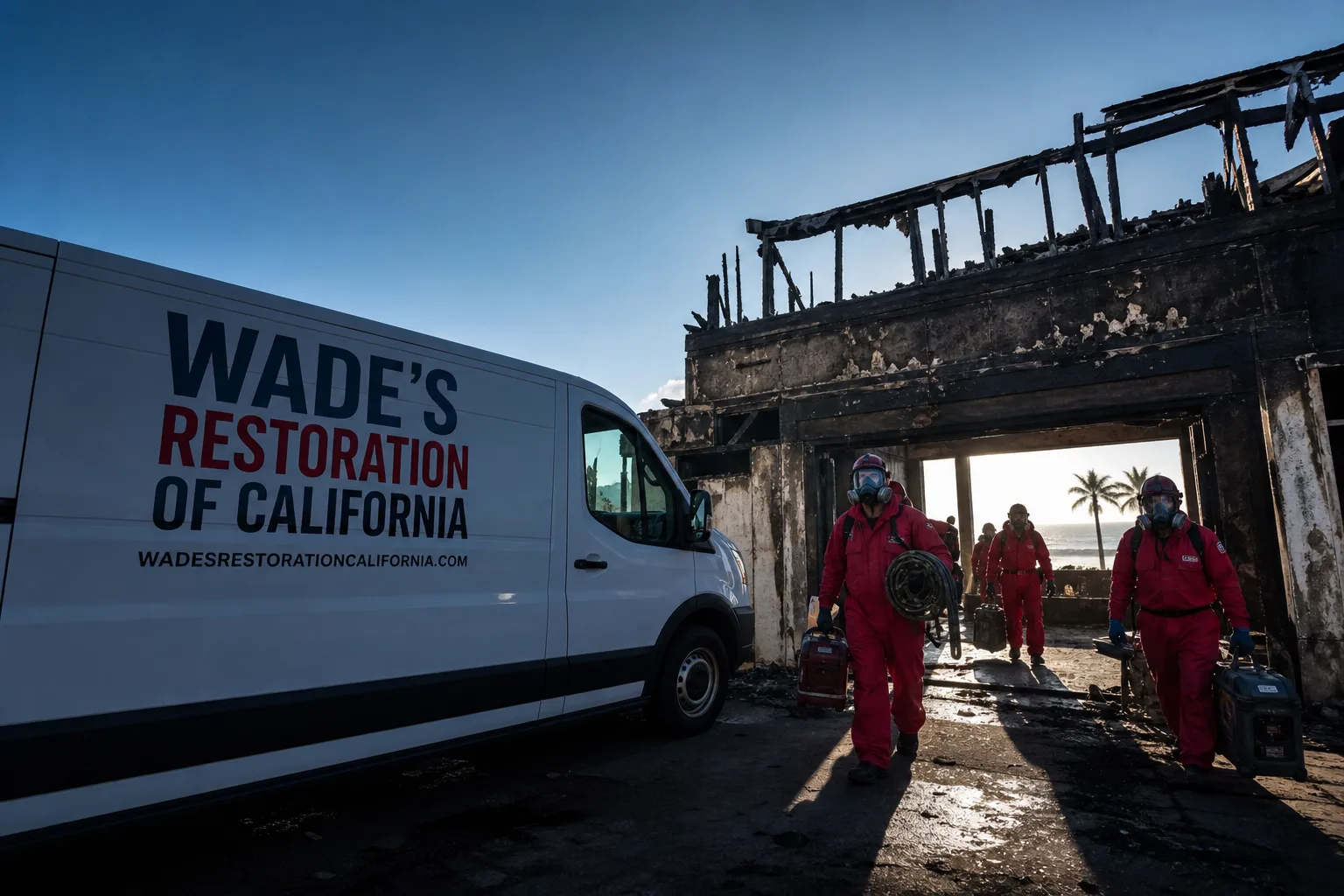
Fast, Reliable Mold Remediation Across Mission District
Mold remediation in Mission District typically runs $1,800-$6,200 depending on how far the colony has spread behind lath-and-plaster walls, and most jobs in the 94110 zip code take 4-7 days once containment is set. That timeline is longer than what you’d see in a modern drywall house in the Sunset or Richmond, and there’s a reason: Mission Victorians hold moisture differently, and they hide mold in places a moisture meter can’t reach from the surface. If you’ve got a musty smell in a 1900s flat near 24th Street or you found black staining behind a baseboard on a party wall, call (855) 915-0646 and we’ll send someone who knows this housing stock cold.
Wade Ferris has been running restoration crews in San Francisco since 2007, and his team knows that a Mission District job is never just a surface mold issue. It’s a hundred-year-old building with shared walls, buried creek water, and sometimes a soft-story garage underneath that changes the entire plan. We’re not the national chain that sends a guy with a spray bottle and a fan. We’re the crew that maps groundwater, tests for asbestos before we open a wall, and hands you a moisture log every single day until the job is done right.
Why Wade’s Restoration of California Is Mission District’s Preferred Mold Remediation Company
Ask anyone on your street. Wade’s name is on the truck, his cell number is real, and he answers it himself, 24 hours a day. That matters in a neighborhood like Mission District, where the housing stock is almost uniformly Victorian and Edwardian wood-frame flats from the 1890s through 1920s. These buildings share party walls, and a mold colony in one unit is almost never contained to that unit. We’ve been inside enough of these buildings to know that before we touch a wall, we check what’s behind it, what’s below it, and whether the neighbor’s side is already compromised.
Our Mold Remediation process in Mission District starts with a pre-remediation hazmat assessment as a non-negotiable first step. Lath-and-plaster walls and original trim in these buildings frequently contain lead paint, and the plaster itself can carry asbestos fibers. Cutting into that without testing means a stop-work order and cross-contamination of the entire unit. We don’t cut corners on that, ever. Wade is IICRC-certified and RIA-affiliated, and he’ll tell you straight: if a contractor quotes you a number over the phone without asking about your building’s age or whether it sits over the old Mission Creek basin, hang up.
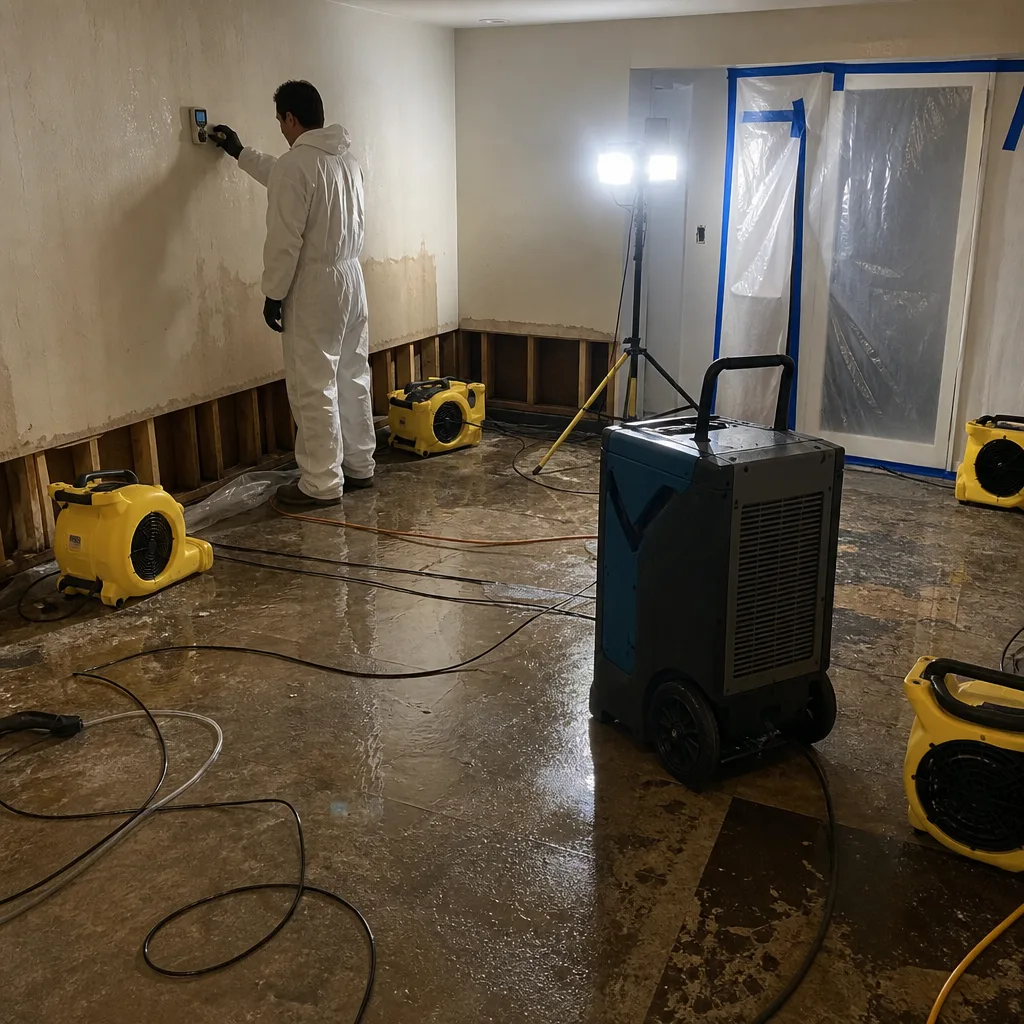
Wade’s team also carries professional-grade drying equipment from Dri-Eaz and Phoenix, because Mission lath-and-plaster releases moisture at a fraction of the rate of modern drywall. Signing off at day seven because that’s what the textbook says will leave hidden mold actively growing behind wainscoting at day fourteen. We set our drying goals based on actual wood moisture content readings, not a calendar. You get the full moisture log at the end of the job. Almost nobody else in the trade hands that over.
Every mold job we do in Mission District is backed by the 90-Day Done Right Promise, stamped in writing. If it’s not done right, Wade makes it right. One call brings him back. That’s not a marketing line. It’s how a guy who lives in the Bay Area and runs into you at the hardware store stays in business.
Our Mold Remediation Services in Mission District
Mold Inspection & Testing
A proper mold inspection in Mission District starts with moisture profiling, not just spore sampling. Because so many of these flats sit over the buried Mission Creek corridor, groundwater seepage below the slab can keep relative humidity high enough to support mold even when the air feels dry upstairs. Our inspection in 94110 includes sub-slab moisture readings, cavity checks behind baseboards on party walls, and air sampling from both the affected unit and the adjacent unit if the wall is shared. A standard inspection runs $350-$650 depending on how many samples you need and whether we’re testing multiple floors.
Mold Removal
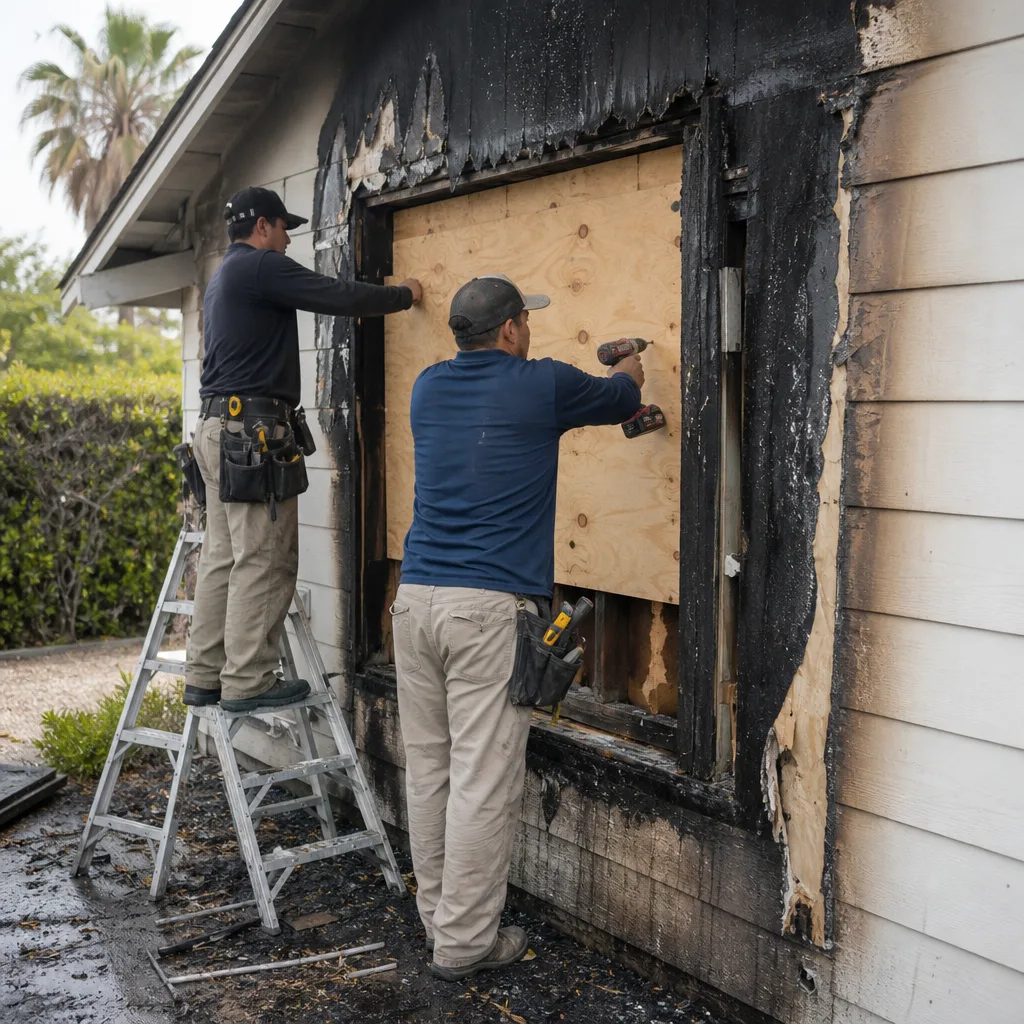
Mold removal in a Mission District Victorian means controlled demolition, not spraying bleach on drywall. The old-growth redwood framing in these buildings is dense and holds moisture deep, so we cut back only to intact wood, verify moisture content below 16%, and then set containment with HEPA-filtered negative air machines. A single-room mold removal in Mission District typically runs $1,800-$3,400. A whole-basement job where the colony has spread along a shared foundation wall can push $5,000-$8,000, especially if we’re coordinating with the neighbor’s unit.
Black Mold Remediation
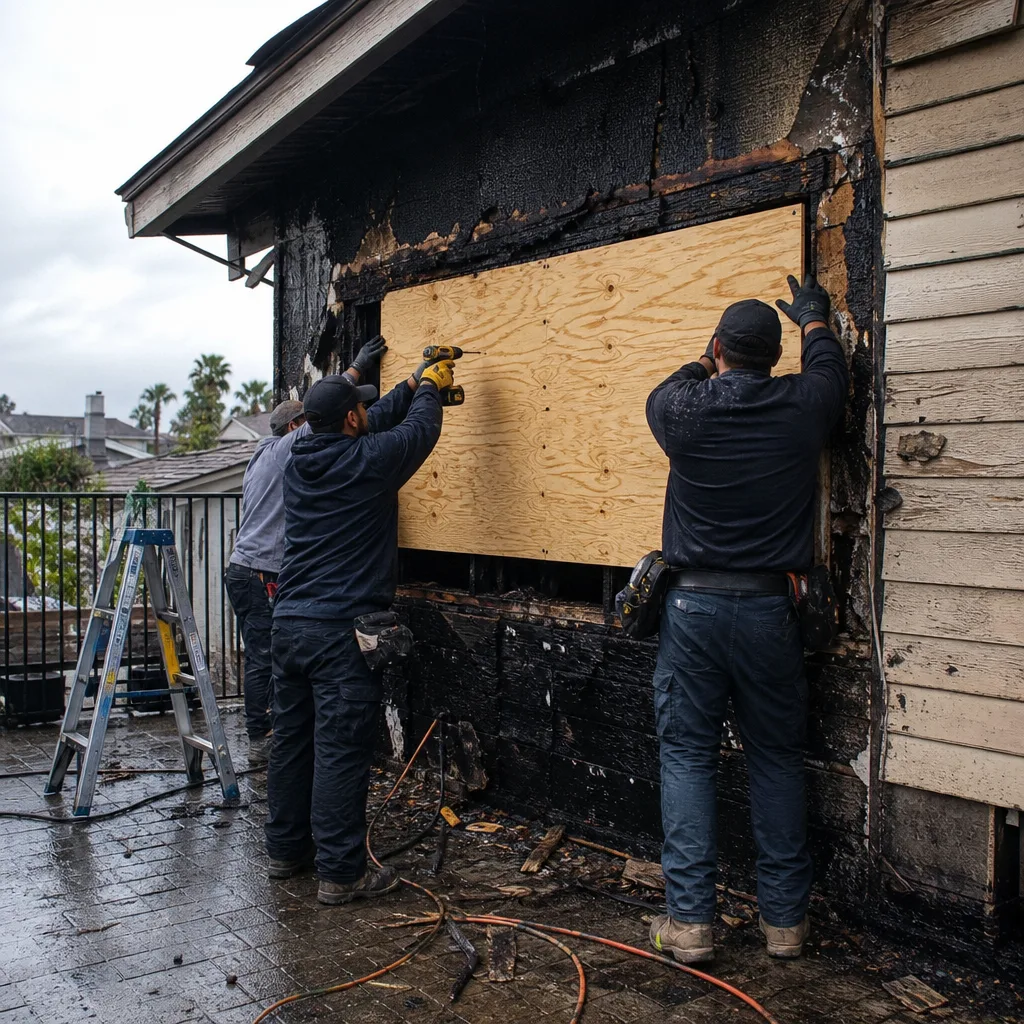
Stachybotrys, the mold people mean when they say “black mold,” needs constant moisture to thrive, and in Mission District the source of that moisture is often not a leak you can see. It’s groundwater wicking up through old brick foundation walls, or a slow weep from a galvanized supply pipe buried in a party-wall cavity. Black mold remediation in Mission District runs $2,500-$6,000 for a typical room-scale job. The cost is driven by the containment requirements and the fact that we almost always have to open more wall than expected to find the real moisture source. If you see black staining spreading along a baseboard in a ground-floor unit near Cesar Chavez Street, call (855) 915-0646. That pattern is a groundwater signal, not a surface issue.
Air Quality Restoration
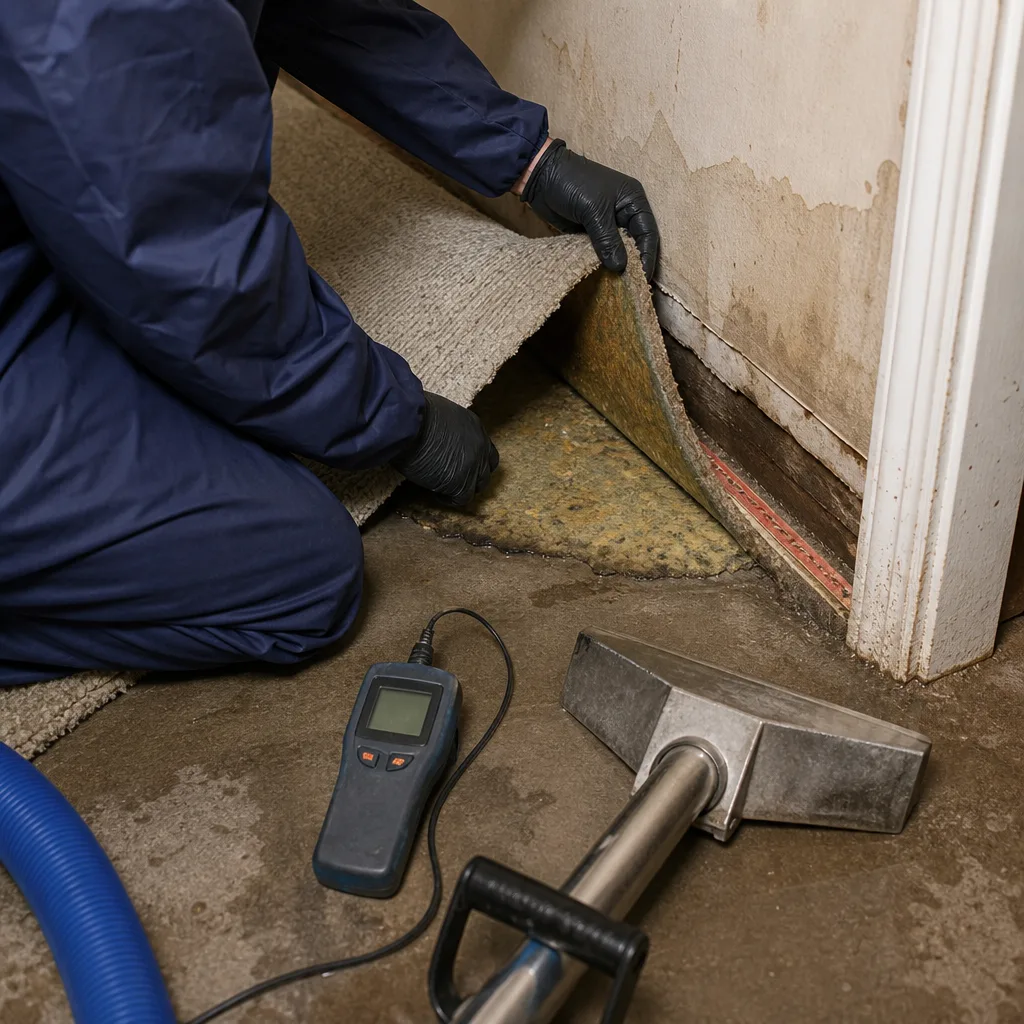
After a mold removal job, air quality restoration in Mission District means more than running an air scrubber for a day. These old flats have minimal ventilation, often no mechanical air exchange at all, and the same lath-and-plaster that trapped moisture is also trapping airborne spores in its rough surface texture. We run HEPA air scrubbers throughout containment and for 24-48 hours after demobilization, then take clearance samples before we pull the containment. Air quality restoration as a standalone service, without mold removal, runs $800-$1,200 for a typical two-bedroom flat, including before-and-after air sampling.
What happens when you call
- 1
A real person answersNo phone trees - you reach a local pro.
- 2
You get an upfront price rangeHonest numbers before anyone is dispatched.
- 3
A background-checked tech heads outLicensed & insured, dispatched right away.
- 4
You approve before work beginsNothing starts until you say go.
Trusted Brands We Service in Mission District
When we set up drying equipment in a Mission District flat, we’re using gear that can actually pull moisture out of century-old redwood and fir. Our crews run Dri-Eaz HEPA 500 air scrubbers and Phoenix 200 MAX LGR dehumidifiers because these units have the static pressure to pull moisture from dense, old-growth framing. For wall cavities and hard-to-reach spaces behind wainscoting, we use Injectidry systems. The equipment matters because a box-store dehumidifier will run for three weeks in a lath-and-plaster wall and still leave the sill plate at 22% moisture content. That’s a return visit waiting to happen.
Common Mold Remediation Problems We See in Mission District Homes
- Mold in shared party-wall cavities. In a two-to-four unit Edwardian flat, a pinhole leak in one unit’s supply line wets the wall cavity from the inside, and mold colonizes both sides of the shared framing. Treating only one side means the colony re-colonizes through the same studs within weeks. We inspect the neighbor’s side every time.
- Hidden moisture behind intact-looking plaster. Lath-and-plaster walls can look perfect on the surface while the wood lath behind them is saturated and growing mold. Standard moisture meters read surface conditions only. We use penetrating probes and infrared to find what’s hidden.
- Asbestos and lead in original finishes. Pre-1978 Mission District buildings almost always have lead paint, and many have asbestos fibers in the plaster. Cutting into those materials without a hazmat assessment stops the job, triggers a regulatory complaint, and spreads contamination. We test before we cut.
- Groundwater intrusion along the old Mission Creek basin. The lower blocks near Cesar Chavez Street sit over a culverted creek bed, and seasonal groundwater still wicks into basements and crawl spaces in that zone. If your ground-floor unit smells musty after rain, the mold is likely coming from below the slab, not from a leaky pipe.
Pricing for Mold Remediation in Mission District, CA
Here are real numbers for Mission District, not a national average. A mold inspection with air and surface sampling runs $350-$650. A single-room mold removal in a standard Victorian flat runs $1,800-$3,400. Black mold remediation on a shared cavity or ground-floor foundation wall runs $2,500-$6,000. Crawl space treatment under a soft-story garage, including encapsulation and dehumidification, runs $3,000-$7,000 depending on square footage and access. Air quality clearance testing adds $300-$500 per round.
What changes the price most in Mission District is whether asbestos or lead abatement is required before we can open walls, and whether the building is an unreinforced soft-story requiring a structural assessment before load-bearing surfaces can be disturbed. Wade’s Restoration offers a free second opinion on any written estimate, and active seniors and veterans get 10% off every job. Call (855) 915-0646 for an exact scope and price, in writing, before any work starts.
We Also Serve Cities Near Mission District
While this page is focused on Mold Remediation in Mission District, Wade’s crews regularly work in Noe Valley, Visitacion Valley, and Chinatown, and we serve the wider San Francisco area with the same equipment and the same 90-Day Done Right Promise. If you’re in a neighboring zip code and dealing with mold, call (855) 915-0646 and we’ll tell you straight whether we can help.
Serving Mission District, CA - Our Local Coverage Area
We’re based in the Mission District area and know this community well. Use the map below to see our service coverage - if you’re nearby, we can almost certainly help.
FAQs - Mold Remediation in Mission District
Yes, almost always. Mission District Victorians and Edwardians from the 1890s-1920s routinely contain lead paint and asbestos fibers in original plaster, and cutting into those materials without testing is illegal and dangerous. A hazmat assessment runs $400-$800 and should be completed before anyone opens a wall. Skipping it can trigger a stop-work order and cross-contaminate your entire unit. Call (855) 915-0646 and we’ll schedule the assessment as the first step, no exceptions.
If you’re below, say, 22nd Street near Cesar Chavez, your basement sits over the buried Mission Creek drainage basin, which still channels groundwater toward lower-lying blocks. That means seasonal slab seepage and elevated sub-slab moisture that standard mold protocols don’t address. Treating surface mold without mapping groundwater flow and drying the sub-slab space means the mold returns in six months. Wade maps groundwater before containment is set, and he’ll show you the readings.
In a shared Mission District flat with party walls, both units are usually affected, and insurance responsibility depends on where the failure originated. The practical answer: don’t wait for the insurance determination before inspecting your side of the cavity. Mold spreads through shared framing in days. Wade deals with adjusters directly, photographs everything, and can inspect both units so the scope of work is documented correctly from day one. Call (855) 915-0646 and we’ll start the documentation while the leak is still fresh.
Lath-and-plaster walls release moisture at a fraction of the rate of modern drywall, and Mission District framing is dense old-growth redwood and fir that holds water deep in the grain. A drywall house can hit drying goals in three to four days. Your Victorian flat may need six to eight days of continuous dehumidification to get wood moisture content below 16%. Anyone who signs off on a calendar schedule instead of actual moisture readings is leaving mold behind. Wade’s crew takes readings every single day and shows you the log.
If your building is an unreinforced soft-story structure with residential floors over open ground-floor garages, mold work in load-bearing walls cannot start until a structural engineer clears the building. That racking assessment may take a few days to schedule, but starting mold remediation before clearance can compromise the structure and void your insurance coverage. Wade’s team coordinates the assessment, keeps containment in place during the wait, and starts mold work the day clearance comes through. Call (855) 915-0646 and we’ll walk you through the sequence.
Contact Wade’s Restoration for Mission District Mold Remediation
If you live in Mission District and you’re smelling mold, seeing staining, or dealing with a neighbor’s leak that’s creeping through a shared wall, call (855) 915-0646 right now. Wade Ferris answers his own phone, day or night, and he’ll tell you straight whether you need a full remediation or just an inspection. No trip charge inside the county. Free second opinion on any written estimate. And a 90-Day Done Right Promise on every mold job, in writing. One call brings Wade back if it’s not right.
Written by Wade Ferris, Owner at Wade’s Restoration of California, serving Mission District and the wider San Francisco Bay Area since 2007.