
Fast, Reliable Water Damage Restoration Across Koreatown
When water is pouring through a ceiling in Koreatown at 2 a.m., you need someone who knows the buildings here, not a call center three states away. Wade Ferris has been answering his own phone around the clock since 2007, and for Koreatown’s pre-war courtyard apartments and 1960s walk-ups, quick extraction is everything. Call (855) 915-0646 and Wade heads out himself, usually with extraction running inside the hour. We’re not a franchise; we’re a local, owner-operated restoration company that shows up and stays until the job is done right.
Why Wade’s Restoration of California Is Koreatown’s Preferred Water Damage Restoration Company
Koreatown is not an easy place to do restoration work well. The buildings are old, the density is extreme, and one burst pipe rarely affects just one unit. We’ve spent years learning the specific ways water moves through 1920s courtyard buildings and 1960s dingbat construction, because guesswork here means mold in a neighbor’s unit six weeks later. Wade’s crew carries professional-grade equipment from Dri-Eaz, Phoenix, and Injectidry, and every job is covered by our 90-Day Done Right Promise: if it’s not done right, we make it right, in writing.
We don’t hand you off to a rotating crew you’ve never met. Wade is the person who shows up, takes moisture readings every single day, and hands you the full log when the job is finished. Almost nobody in this trade does that. He deals with your insurance adjuster directly too, so you’re not stuck as the messenger between two sides. People in Koreatown see the same faces on every job: background-checked, uniformed professionals who answer to a real person with a published address and license number.
Our Water Damage Restoration Services in Koreatown
We handle the full water damage restoration process, from the first emergency call to the final moisture reading. Here’s what that looks like in Koreatown’s specific housing stock. You can reach us anytime at (855) 915-0646, or learn more about our full Water Damage Restoration process.
Emergency Water Extraction
When a supply line bursts in a Koreatown courtyard building, water doesn’t sit politely in one unit. It travels through shared wall cavities, down through floor assemblies, and into the apartments below. We get extraction equipment running fast, typically reaching any address in Koreatown within the hour. Standing water in a 1930s building with original hardwood means the clock is already ticking on permanent damage.
Structural Drying & Dehumidification
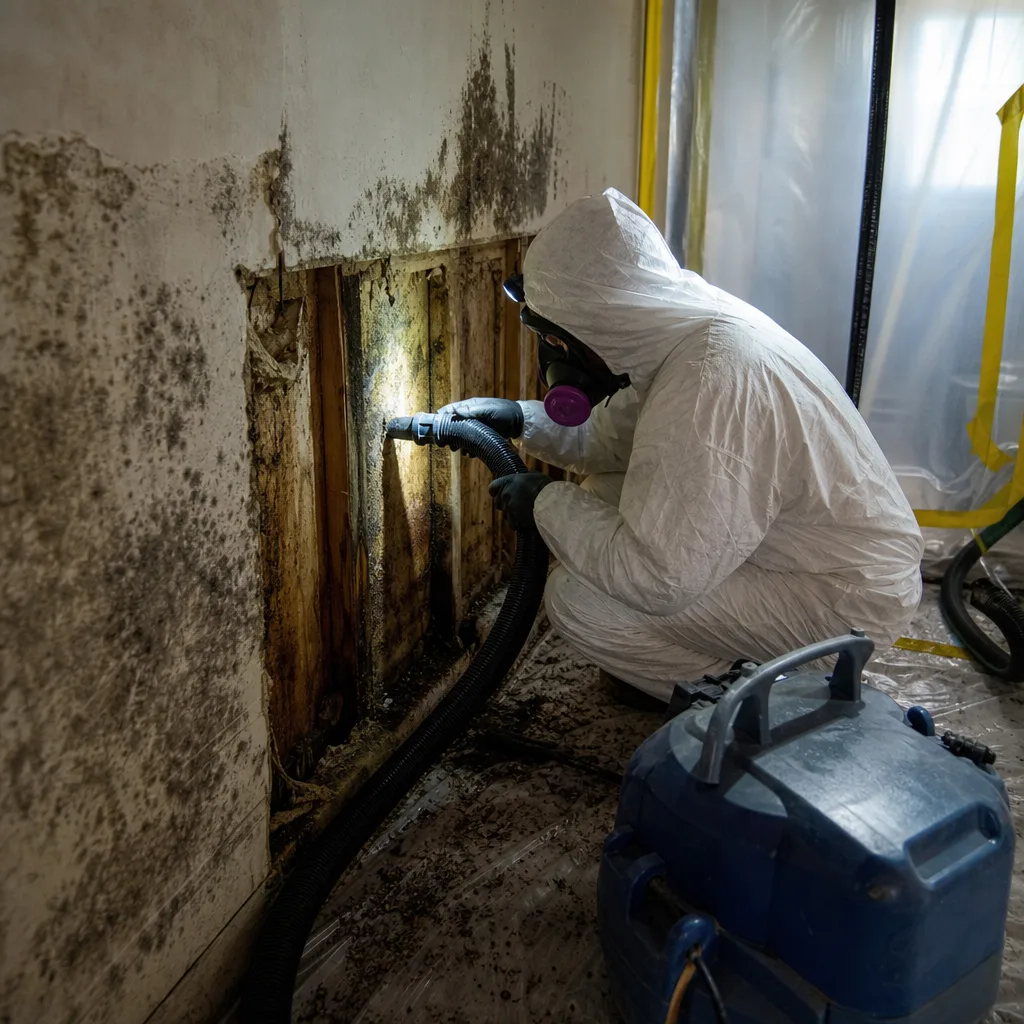
This is where Koreatown jobs go wrong most often. Older buildings here have lime plaster walls that wick water slowly, so crews pull their equipment too early and hidden mold sets in behind the plaster. We take daily moisture readings throughout the drying process and don’t stop until the numbers say the structure is actually dry, not just dry-looking. That’s the difference between a finished job and a callback six weeks later with mold blooming through fresh paint.
Flood Cleanup
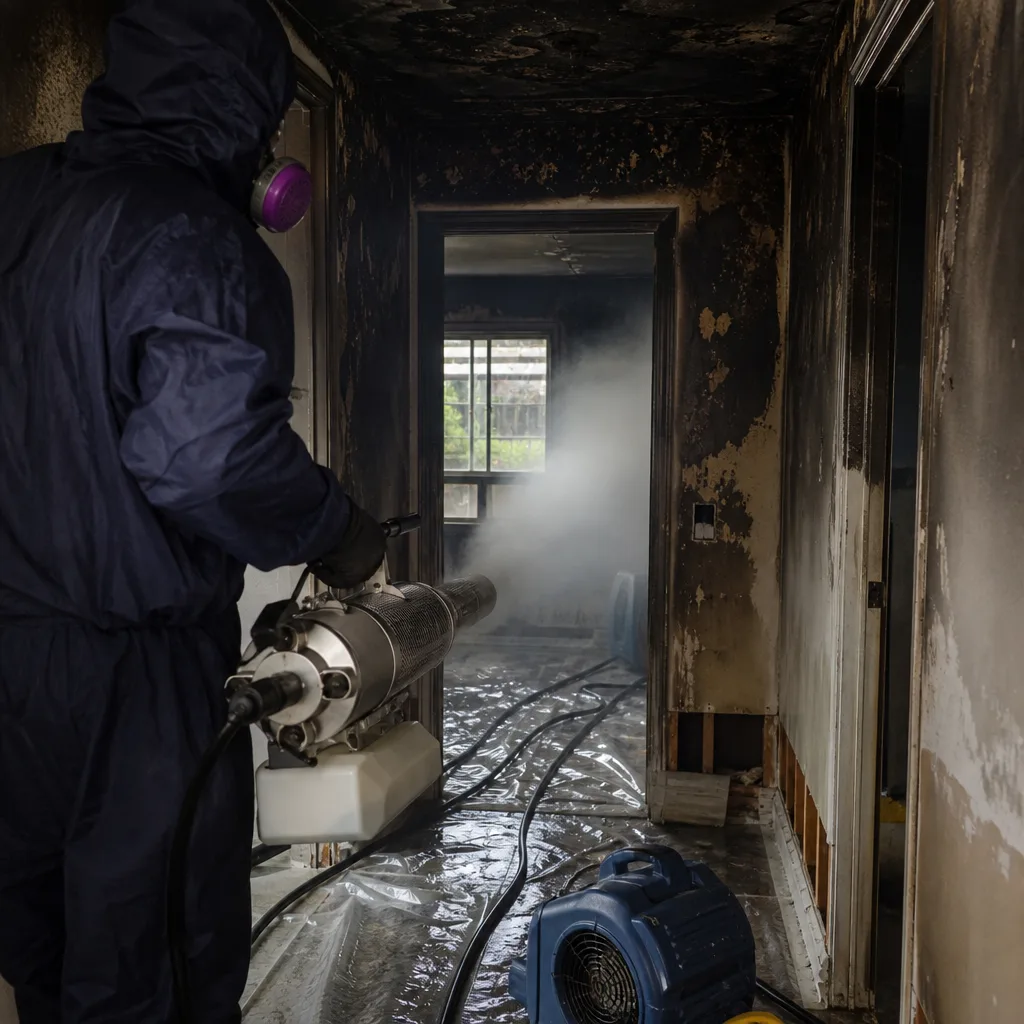
Koreatown sits on flat urban terrain with aging storm infrastructure, and when intense winter storms hit, water finds its way into ground-floor units and below-grade spaces. We handle contaminated water removal, disposal of unsalvageable materials, and full sanitization. If it’s a bigger Koreatown building with multiple affected units, we coordinate the whole thing so tenants and landlords aren’t piecing together three different crews.
Burst Pipe Restoration
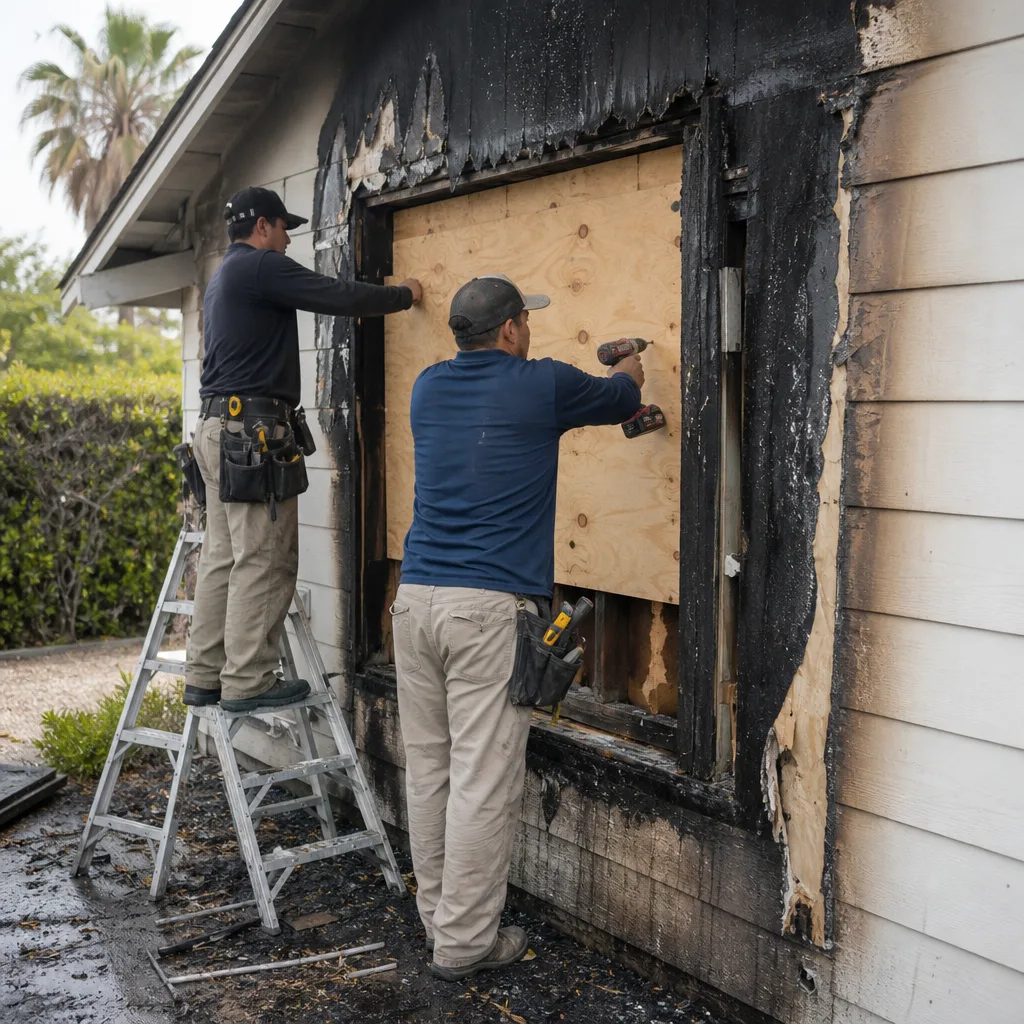
The mineral-heavy water in Los Angeles eats through galvanized and cast-iron pipe from the inside. In Koreatown, where much of the pre-1980 housing still runs on original plumbing, a pipe doesn’t just leak, it fails catastrophically inside wall cavities. We trace the damage path, open only what needs opening, and dry the structure in place whenever possible. Our Injectidry panels have saved more than a few original oak floors in this neighborhood.
What happens when you call
- 1
A real person answersNo phone trees - you reach a local pro.
- 2
You get an upfront price rangeHonest numbers before anyone is dispatched.
- 3
A background-checked tech heads outLicensed & insured, dispatched right away.
- 4
You approve before work beginsNothing starts until you say go.
Trusted Brands We Service in Koreatown
We’re IICRC-certified and RIA-affiliated, and we run equipment from Dri-Eaz and Phoenix because cheap dryers don’t get Koreatown’s dense construction dry. For Koreatown jobs, we stock the panels, dehumidifiers, and air movers needed for multi-unit courtyard and dingbat work, so we’re not waiting on a supply run while your subfloor keeps wicking water. That matters when every hour of delay spreads damage to another unit.
Common Water Damage Restoration Problems We See in Koreatown Homes
- Slow leaks that turn into multi-unit mold. Koreatown’s tightly stacked floor plates mean a pinhole leak in a galvanized line can saturate subfloor assemblies spanning two or three apartments below before anyone notices. By the time a restoration crew is called, mold colonies are often already established across multiple tenancies.
- Premature equipment removal. Lime plaster walls in pre-war Koreatown buildings wick water slowly and release it even slower. Crews that don’t take daily moisture readings pull drying equipment too early, then the mold shows up weeks later behind the plaster.
- Water traveling along original cast-iron drain pipes. Internal scale buildup on 90-year-old drain lines creates blockages and backups that affect adjacent units after primary extraction is already done. If a crew doesn’t inspect the drain path, they leave a second wave of damage behind.
- Post-retrofit framing penetrations. Many Koreatown soft-story buildings were seismically retrofitted in the last decade. New steel framing and bolt penetrations often weren’t sealed properly, so a later roof leak travels down the new moment frame into multiple stacked apartments instead of pooling in one spot.
Pricing for Water Damage Restoration in Koreatown, CA
In Koreatown’s market, emergency water extraction typically runs $1,200 to $3,800 depending on how many rooms and units are affected and how long the water has been sitting. Structural drying and dehumidification for a single apartment is usually $1,800 to $4,500, but multi-unit drying across stacked apartments in a courtyard building can run $6,000 to $15,000 because of the access and coordination involved. Burst pipe restoration that requires opening walls and drying in place often lands between $2,500 and $7,000 in Koreatown’s older buildings. We give free estimates, and if you already have a written estimate from another company, we’ll give you a free second opinion on it. Call (855) 915-0646 for exact numbers on your building.
We Also Serve Cities Near Koreatown
Wade’s Restoration handles water damage restoration throughout central Los Angeles. If you’re in Koreatown, we’re also regularly in Los Angeles, Echo Park, Silver Lake, and Hollywood. Same crew, same 90-Day Done Right Promise, same direct line to Wade: (855) 915-0646.
Serving Koreatown, CA - Our Local Coverage Area
We’re based in the Koreatown area and know this community well. Use the map below to see our service coverage - if you’re nearby, we can almost certainly help.
FAQs - Water Damage Restoration in Koreatown
Yes, in many cases we can. We use Injectidry panels to pull water through the hardwood and dry the subfloor from underneath, which saves the original oak flooring in Koreatown’s 1920s and 1930s buildings. The key is getting equipment on site fast; the longer water sits, the more likely the hardwood cups or delaminates beyond salvage. Call (855) 915-0646 and Wade can tell you within the first visit whether your floor is salvageable.
For a ceiling leak in a 1960s Koreatown dingbat, full structural drying usually takes 3 to 7 days depending on how far the water traveled and whether the leak wet the wall cavities or just the ceiling assembly. Lime plaster and dense framing slow the drying process compared to newer construction. We take moisture readings daily and don’t pull equipment until the numbers confirm the structure is dry, not just the surface.
Usually not for drying and extraction. Most Koreatown courtyard apartment units can stay occupied while we run dehumidifiers and air movers, as long as the affected area is accessible. If the damage requires opening walls or if sewage is involved, we may recommend temporary relocation. Wade will tell you straight at the first visit whether staying is safe and practical.
Because Koreatown’s pre-war buildings are concrete-and-wood hybrids with tightly stacked floor plates and no modern moisture barriers. A slow leak inside a wall cavity saturates the subfloor assembly and feeds mold for weeks before anyone sees water. The dense construction holds moisture, and LA’s warm indoor temperatures accelerate mold growth. That’s why we tell Koreatown landlords to call the moment they see a water stain, not when it starts dripping.
Wade deals with the adjuster directly. In Koreatown multi-unit claims, where several tenants, landlords, and insurance carriers are involved, we document everything with photos, moisture logs, and a written scope before work starts. You get the full documentation, and you’re never stuck relaying information between parties. If your building has a cascading multi-party claim, we’ve handled those before in Koreatown’s courtyard complexes.
Written by Wade Ferris, Owner at Wade’s Restoration of California, serving Koreatown and surrounding Los Angeles communities since 2007.
If you have water damage in Koreatown, call us now at (855) 915-0646 for a free estimate. Wade answers his own phone.