
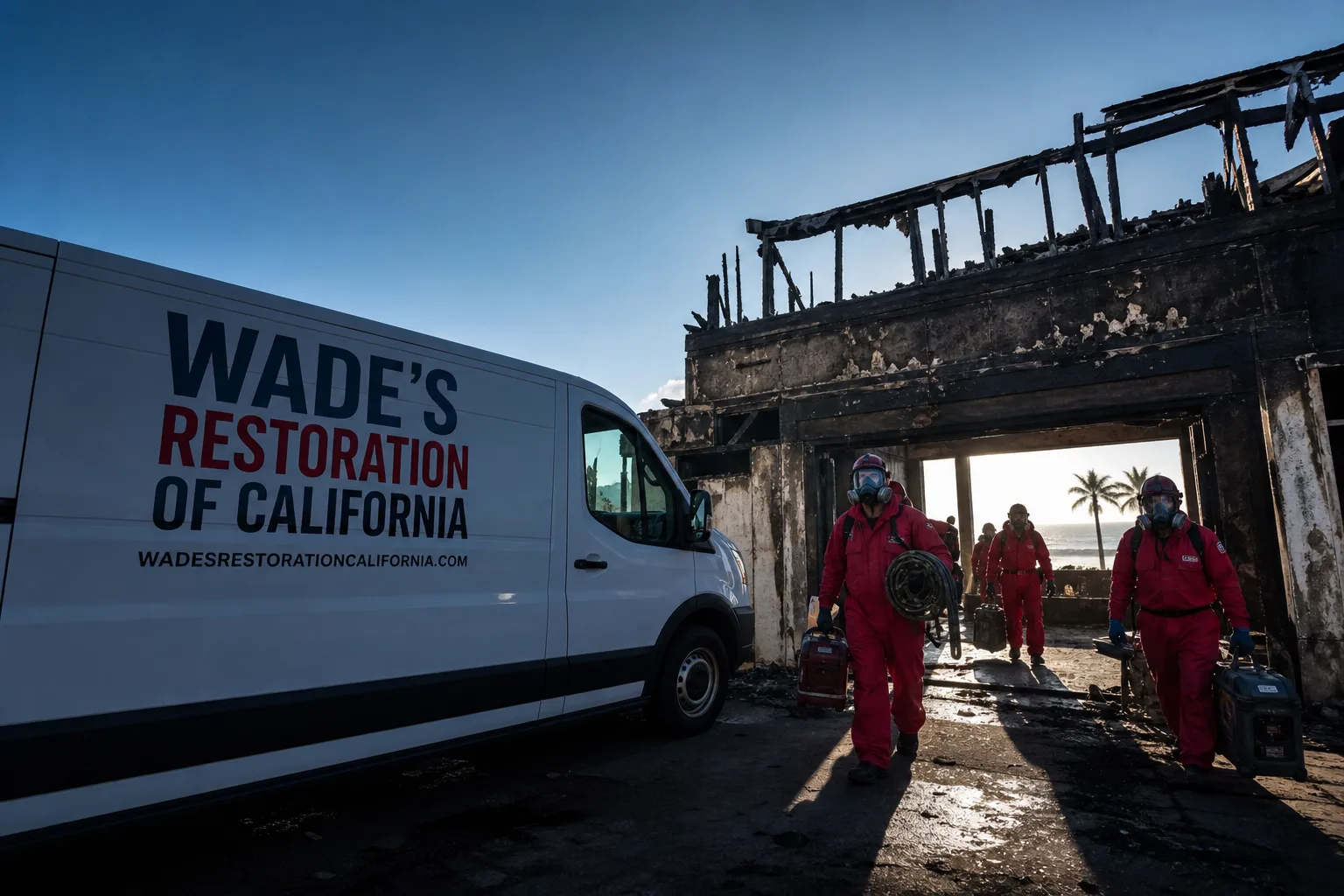
Fast, Reliable Mold Remediation Across San Francisco
Mold remediation in San Francisco typically costs between $1,800 and $6,500 depending on the size of the colony and whether it’s behind lath-and-plaster walls or in a crawl space. Most jobs in the Mission, Noe Valley, and the Richmond can be started within 24 hours. If you’ve spotted black staining on a wall or caught that musty smell that won’t leave, call (855) 915-0646 and Wade Ferris will answer the phone himself. We’ve been pulling mold out of San Francisco homes long enough to know that fog moisture and old plaster make this city’s mold problems different from anywhere else in the Bay Area.
Why Wade’s Restoration of California Is San Francisco’s Preferred Mold Remediation Company
Wade Ferris founded this company in 2007 and he still answers his own phone. Not a call center. Not a queue. When you call about mold in a Noe Valley bathroom or a Chinatown rental, Wade picks up. He’ll ask about what you’re seeing, what it smells like, and how long it’s been there. Then he’ll tell you whether you need a full Mold Remediation crew or just a moisture assessment first. That’s a call you can’t get from a national chain.
We work all over San Francisco, from the dense Victorians in the Mission to the Edwardian flats stacked along the Sunset’s fog line. Our crews know these buildings. They know that 94102 tenement walls aren’t drywall. They know that a 94111 commercial space sits on bay fill and a 94103 loft conversion has a completely different moisture profile than a 94127 single-family home. That local knowledge changes how we dry, how we test, and when we clear a space.
Every mold job gets the 90-Day Done Right Promise in writing. If mold comes back inside 90 days, Wade comes back. No argument, no new invoice. He also hands you the full daily moisture log when the job’s done. Most companies never show you those numbers. Wade thinks you should see them because it’s your house and your air.
Need someone tonight? Wade heads out. The phone is answered by a live person 24/7, and Wade can have a crew at your door in San Francisco within the hour on emergency calls.
Our Mold Remediation Services in San Francisco
Mold Inspection & Testing
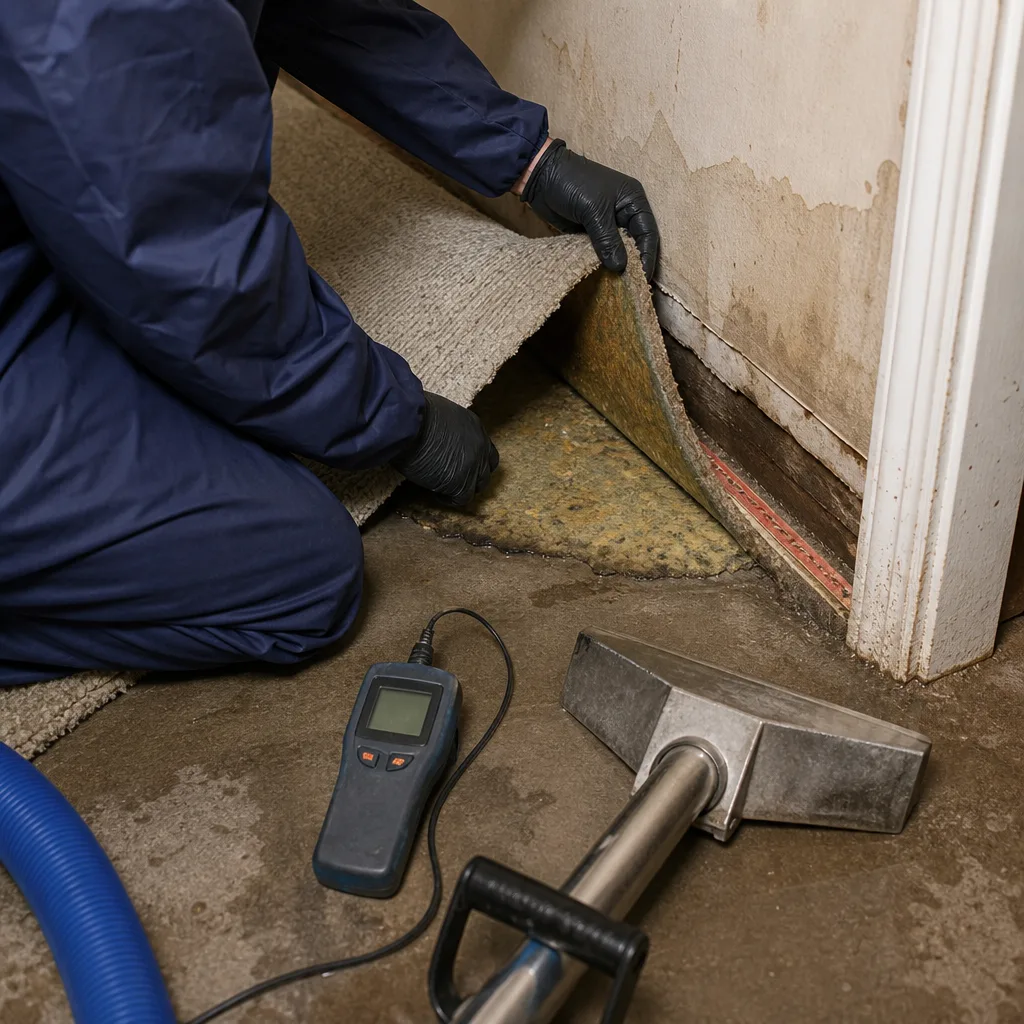
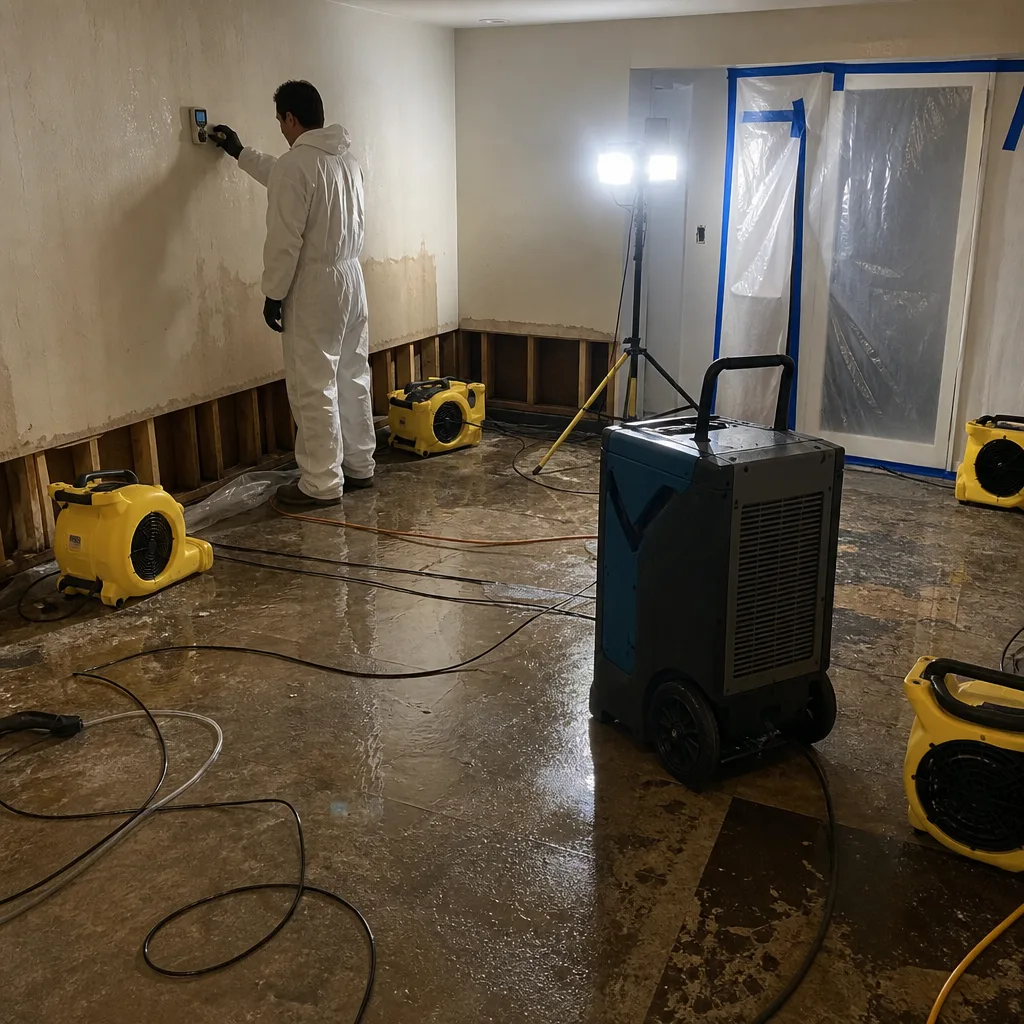
Before anyone starts tearing out plaster, you need to know what you’re dealing with and where it’s hiding. Our inspectors use thermal imaging cameras, moisture meters, and air sampling to locate mold behind original lath-and-plaster walls, inside wall cavities, and under floorboards in San Francisco homes. In a city where the marine layer keeps exterior walls damp year-round, we treat elevated moisture as a baseline, not an anomaly. That changes how we read the data. A wall reading that might pass in Sacramento gets flagged for further investigation here.
Mold Removal
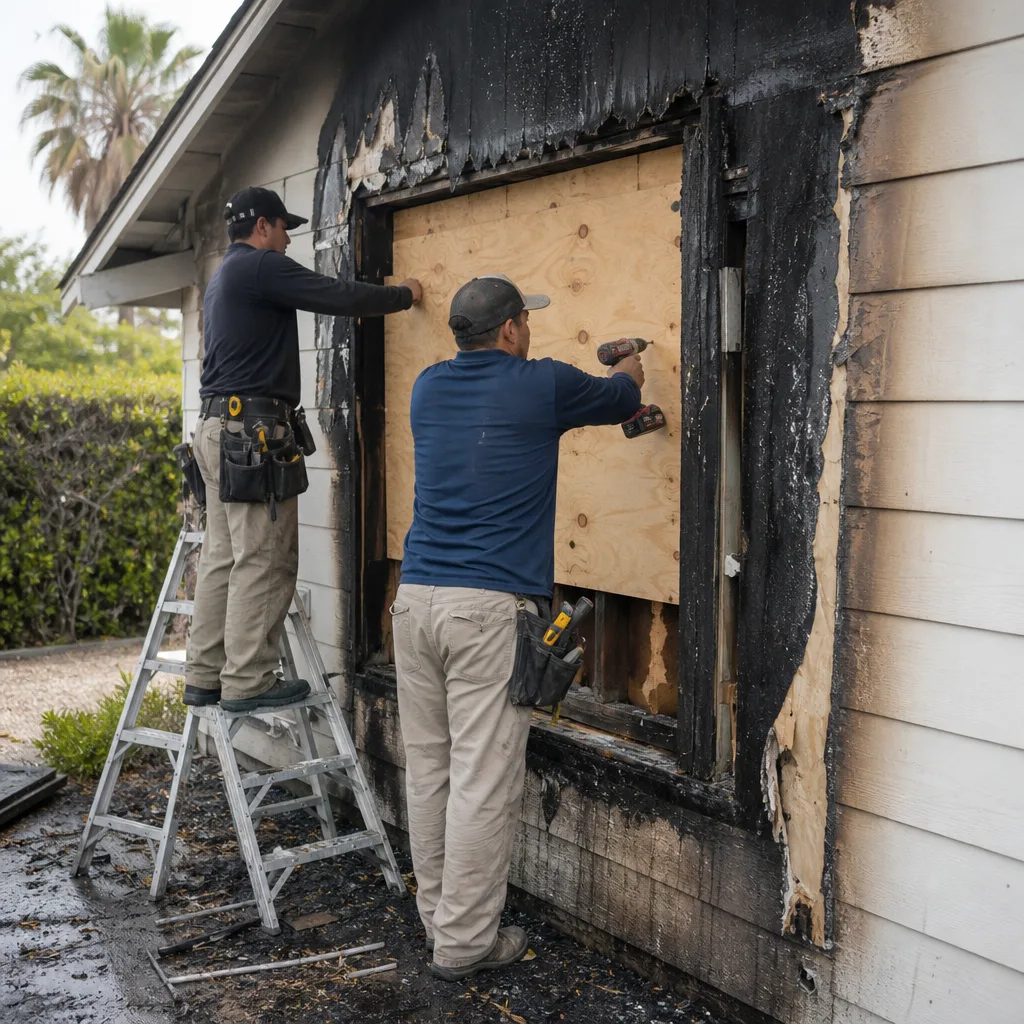
Once we locate the colony, our crew contains the area with negative air pressure, removes contaminated materials, and HEPA-vacuums every surface. In San Francisco’s older housing stock, this often means carefully working around original millwork, plaster medallions, and other details you don’t want destroyed. We’re not a demolition crew. We remove what’s contaminated and save what can be saved. The goal is a clean, dry space that won’t grow mold again, not a gutted room.
Black Mold Remediation
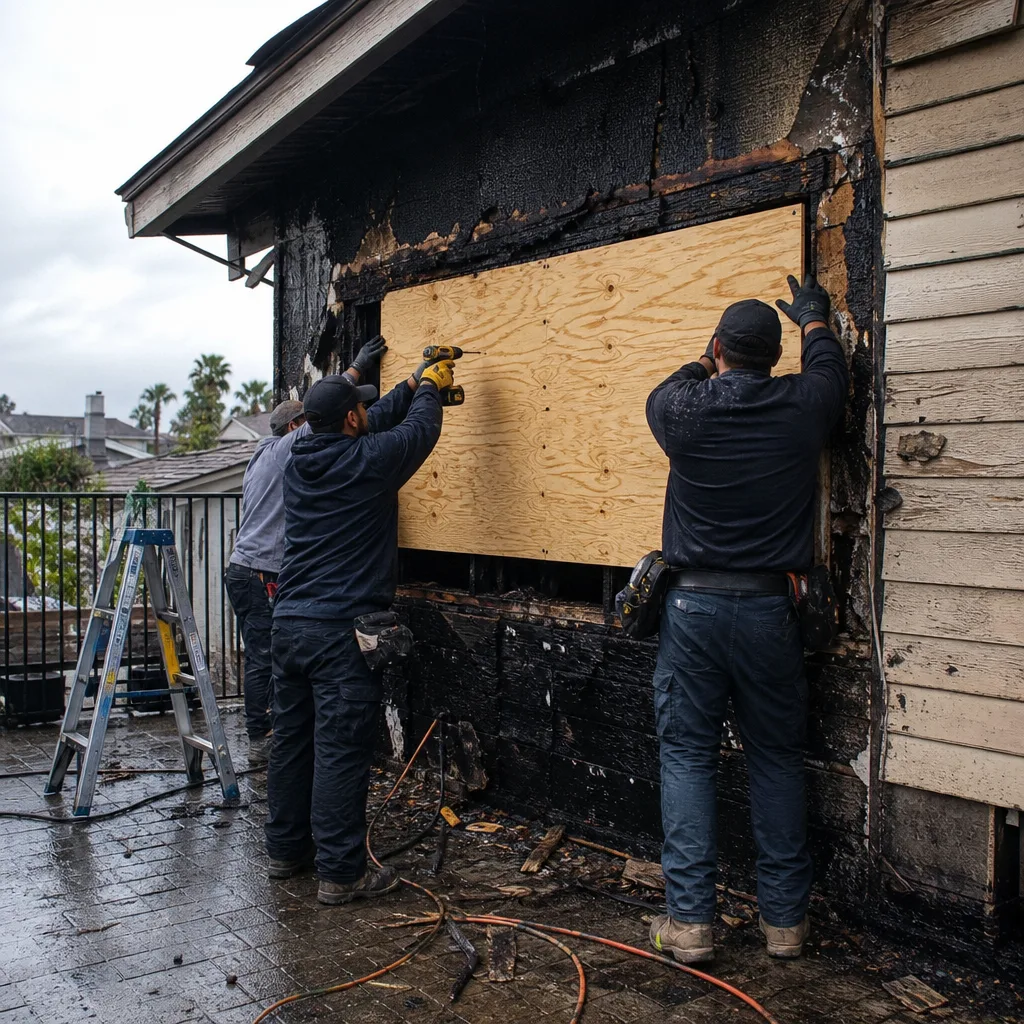
The black mold you find in a fog-belt bathroom or behind a leaky pipe in a Visitacion Valley garage is usually Stachybotrys chartarum. It’s the one homeowners fear most, and for good reason. We treat black mold with full containment protocols, HEPA air scrubbing, and antimicrobial treatment on all affected framing. In San Francisco’s dense housing, containment matters even more. Adjacent units in a 94102 building are often inches away, not feet. We take that seriously.
Air Quality Restoration
Mold spores don’t respect room boundaries. After remediation is complete, the air itself needs cleaning. We run HEPA air scrubbers and use Dri-Eaz dehumidifiers to pull spore counts down to levels that are safe to breathe. In San Francisco, where windows stay closed much of the year against the fog and cold, indoor air quality after a mold event is a real health concern. We test the air before we clear a space, and we show you the results.
What happens when you call
- 1
A real person answersNo phone trees - you reach a local pro.
- 2
You get an upfront price rangeHonest numbers before anyone is dispatched.
- 3
A background-checked tech heads outLicensed & insured, dispatched right away.
- 4
You approve before work beginsNothing starts until you say go.
Trusted Brands We Service in San Francisco
Our crews work on every type of building San Francisco throws at us, from unreinforced masonry in Chinatown to mid-century industrial conversions in SoMa. Wade’s own home has lath-and-plaster walls, so he knows what homeowners deal with. The equipment we run is IICRC-standard, with Dri-Eaz dehumidifiers and air scrubbers on every job. We keep our equipment calibrated for San Francisco’s moisture conditions, because a dehumidifier setting that works in a dry inland city won’t pull enough water out of fog-saturated plaster here. Parts and equipment are stocked locally, so we’re not waiting on shipments when your walls are wet.
Common Mold Remediation Problems We See in San Francisco Homes
- Fog-driven moisture behind stucco and siding. The marine layer condenses on cold north- and west-facing facades all year. That chronic dampness soaks into wall cavities and feeds mold that never dries out on its own.
- Hidden mold behind lath-and-plaster walls. Thermal imaging doesn’t read through thick plaster as cleanly as it reads drywall. An inexperienced eye misses what’s back there. We use moisture meters on the wall surface and probe into cavities to find colonies that have been growing for months.
- New water pathways from seismic retrofits. The city’s mandatory Unreinforced Masonry retrofit program has opened up building envelopes across San Francisco. Those new penetrations give fog moisture a way in that the original builders never dealt with. We trace those pathways to find where water is entering post-retrofit.
- Premature clearance after previous remediation. Mold regrowth happens when someone dries the surface but not the framing behind it. In San Francisco, baseline moisture is already elevated. If a contractor clears a space at a moisture level that would be fine in the Central Valley, mold comes back. We hold clearance to a stricter threshold.
Pricing for Mold Remediation in San Francisco, CA
Here’s what you can expect to pay in San Francisco. A simple bathroom mold removal with no structural damage runs $1,200 to $2,500. A crawl space treatment, including vapor barrier repair and antimicrobial application, typically runs $2,800 to $5,000. Full black mold remediation behind lath-and-plaster walls, where we have to remove wall surface, treat framing, and restore the finish, usually lands between $4,500 and $8,000. If mold has spread through multiple rooms or into HVAC ducting, you’re looking at $8,000 to $15,000 or more. What drives the cost: square footage affected, whether we’re working behind plaster or drywall, whether containment is needed, and whether structural drying is required. We give you a written scope before any work starts. No hidden numbers. And we’ll do a free second opinion on any written estimate you already have. Call (855) 915-0646 and Wade will walk you through what your specific situation likely costs.
We Also Serve Cities Near San Francisco
Beyond San Francisco proper, our crews regularly work in the Mission District, Noe Valley, Chinatown, and Visitacion Valley. If you’re in any of these neighborhoods and you’ve got mold, moisture, or air quality concerns, the same crew and the same promise apply. Call and ask for Wade. He’ll answer.
Serving San Francisco, CA - Our Local Coverage Area
We’re based in the San Francisco area and know this community well. Use the map below to see our service coverage - if you’re nearby, we can almost certainly help.
FAQs - Mold Remediation in San Francisco
The retrofit program has opened up thousands of buildings across San Francisco, creating new water-intrusion pathways around retrofit bolts, shear panels, and foundation anchors. Those openings let fog moisture penetrate wall cavities that were sealed for a century. When we remediate mold in a retrofitted building, we inspect every retrofit penetration for water entry. Otherwise, we fix the mold and it comes right back through the same gaps that let it start. Call (855) 915-0646 if your building went through a retrofit and you’re seeing new mold growth.
Buildings in the fog belt, like the Sunset and Richmond corridors, need dehumidifiers running longer and at lower grain-depression settings than buildings in the sunnier Mission. The ambient humidity load is just higher. We size our Dri-Eaz dehumidifiers per the building’s microclimate zone. For a fog-belt job, that means more air changes per hour and longer drying cycles before we test for clearance. A one-setting approach doesn’t work in this city. For an exact equipment plan on your building, call (855) 915-0646.
Often, yes, but not always. If the mold is on the plaster surface or in the top layer of paint, we can remove and treat it without damaging the original wall. If the mold has penetrated into the lath and wall cavity, we need to open the wall, remove contaminated lath strips, treat the framing and cavity, then patch with matching plaster. Our crews are experienced with saving original surfaces wherever possible while still getting full remediation. The earlier you catch it, the more likely we can save the original finish. Call (855) 915-0646 and Wade can tell you over the phone what your situation sounds like.
We look at the edges of the crack. Pre-existing settlement cracks have rounded, eroded edges and often contain dust or old paint. New earthquake damage has sharp, clean edges and fresh dust. We also check for discoloration around the crack, which tells us whether water has been traveling through it and for how long. That distinction matters because your insurance coverage may differ for earthquake damage versus pre-existing conditions, and because the moisture pathway may be entirely new. Our documentation includes photos and moisture readings so you have a clear record for your adjuster. Call (855) 915-0646 and we’ll walk you through what we’re seeing.
San Francisco sits in a fog bank that keeps building envelopes damp for more hours per day than Oakland experiences. The marine layer condenses on north- and west-facing walls even during dry summer months. That constant low-level moisture means mold spores that land on a damp surface can colonize within 48 to 72 hours, versus a week or more in drier inland climates. The fog is legendary here. The mold problem is too. If you’re seeing discoloration or smelling must, don’t wait. Call (855) 915-0646 and we’ll get eyes on it fast.
Written by Wade Ferris, Owner at Wade’s Restoration of California, serving San Francisco since 2007.