
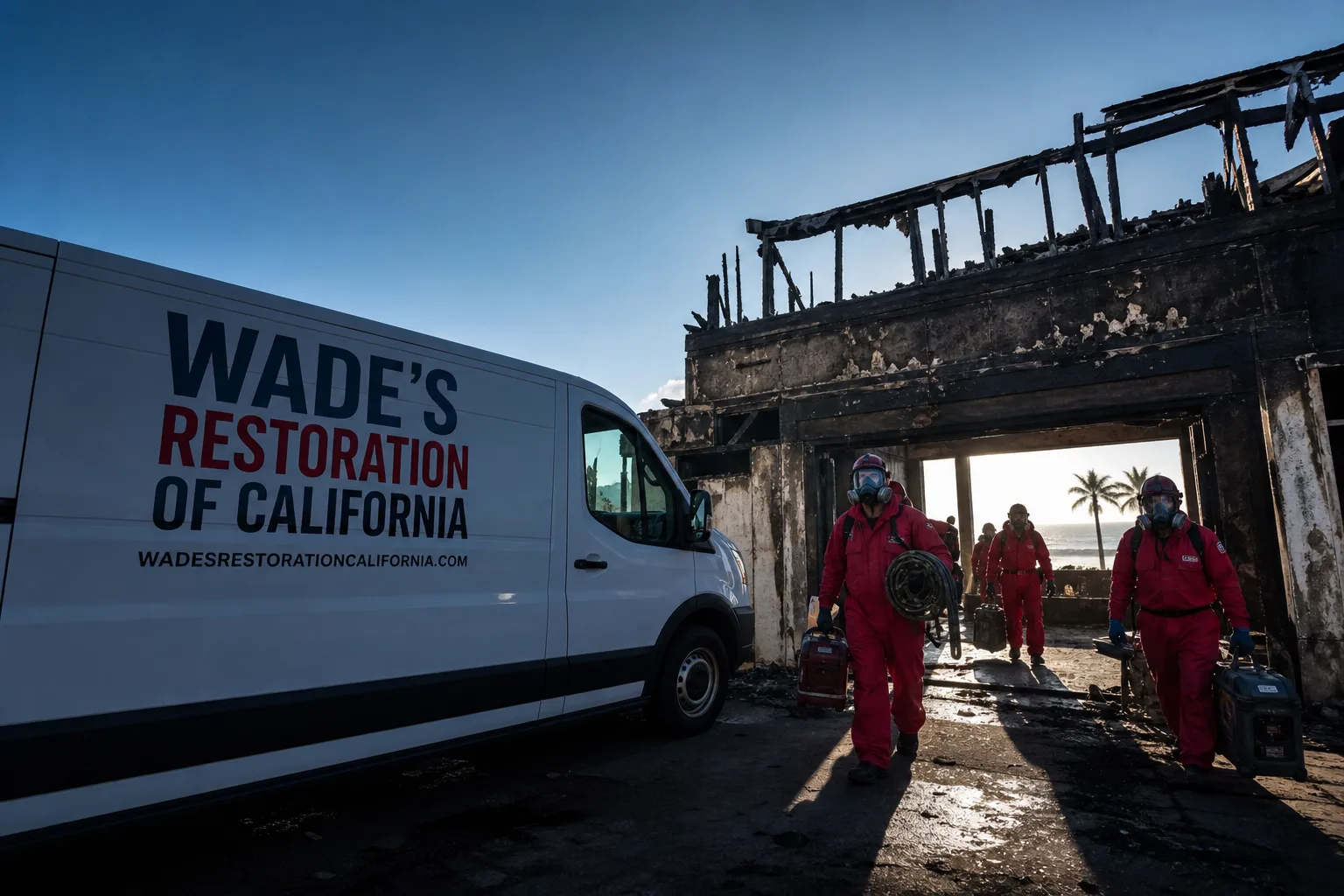
Fast, Reliable Fire & Smoke Damage Restoration Across Country Club
Fire damage in a Country Club home is never just about what burned. In this neighborhood, it’s about what the smoke soaked into: original lath-and-plaster walls, horsehair insulation, 80-year-old floor joists, and crawl spaces that never fully dry out because of the Delta. A standard fire cleanup that would work in a newer drywall house in Stockton won’t touch the way smoke hides inside a 1930s Craftsman bungalow off Douglas Road. Wade Ferris has been walking Country Club homes since 2007, and he knows exactly where the odor hides and what has to come out. Call (855) 915-0646 any hour. A live person answers, and Wade heads out himself.
Why Wade’s Restoration of California Is Country Club’s Preferred Fire & Smoke Damage Restoration Company
Wade’s Restoration isn’t a franchise with a call center in another state. Wade Ferris publishes his name, his address, and his license number, and he answers his own phone at 2 a.m. when a smoke alarm wakes you up. That’s the kind of accountability you can’t get from a national chain that sends whoever is on the schedule next. People in Country Club know Wade because they see him. He’s the guy at the hardware store on a Saturday. The one whose truck has a name on it, not a logo designed by a marketing firm. Ask anyone on your street. The older homes in Country Club need someone who’s seen them before, not someone following a corporate checklist on a tablet.
When you call Wade’s Restoration of California for Fire & Smoke Damage Restoration, you get Wade’s crew: background-checked, uniformed, and trained on the specific problems these old bungalows and ranch homes throw at you. Every job is backed by the 90-Day Done Right Promise in writing. If the odor comes back or the repair isn’t right, Wade makes it right. No fine print, no argument. He’s served Country Club for over 29 years through the broader Inland Empire office, and the crews that roll into this neighborhood know the difference between a 1920s lath-and-plaster wall and a 1980s drywall renovation. That knowledge changes everything about how a fire cleanup gets done.
Our Fire & Smoke Damage Restoration Services in Country Club
Fire Damage Cleanup
Fire damage cleanup in Country Club means more than hauling out burnt furniture and scrubbing walls. In homes built between the 1920s and 1950s, fire debris gets ground into plaster with a grain that holds carbon like a sponge. Soot works down into the texture so deep that surface cleaning leaves a gray film behind no matter how many passes you make. We remove charred materials, clean what can be saved, and tell you straight when something needs to go instead of getting months of your life. Country Club homeowners deserve an honest scope before work starts, not a surprise bill after the dumpster leaves.
Smoke & Soot Removal
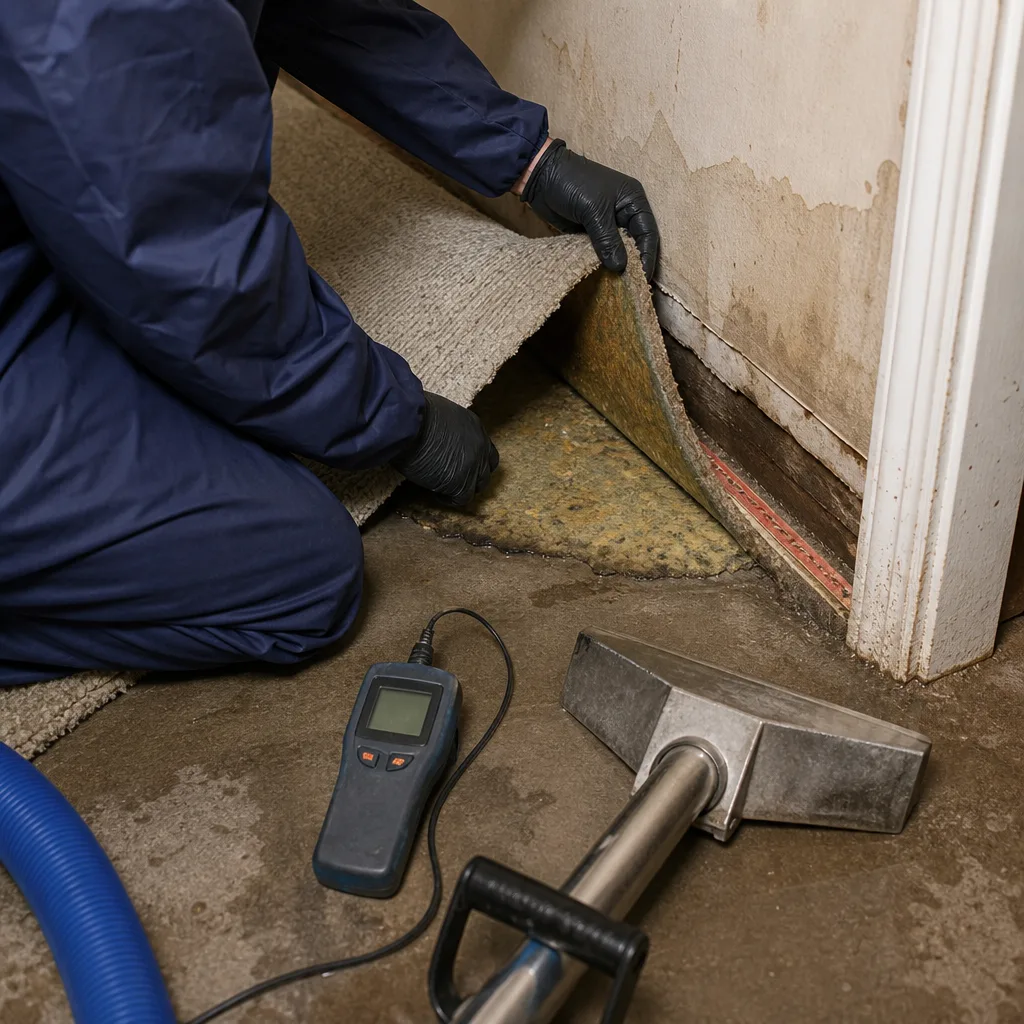
Smoke and soot removal in Country Club is a different job than it is in Tracy or Mountain House. The original lath-and-plaster walls in these older homes have cavities behind the surface where smoke gets pulled in and trapped. Cleaning the visible surface does nothing for what’s inside the wall. We open what needs opening, clean what can be cleaned, and seal what can’t. Soot is acidic. Left on metal fixtures and plumbing for more than a few days, it starts etching and corroding. That’s part of why we move fast when you call.
Odor Removal & Deodorization
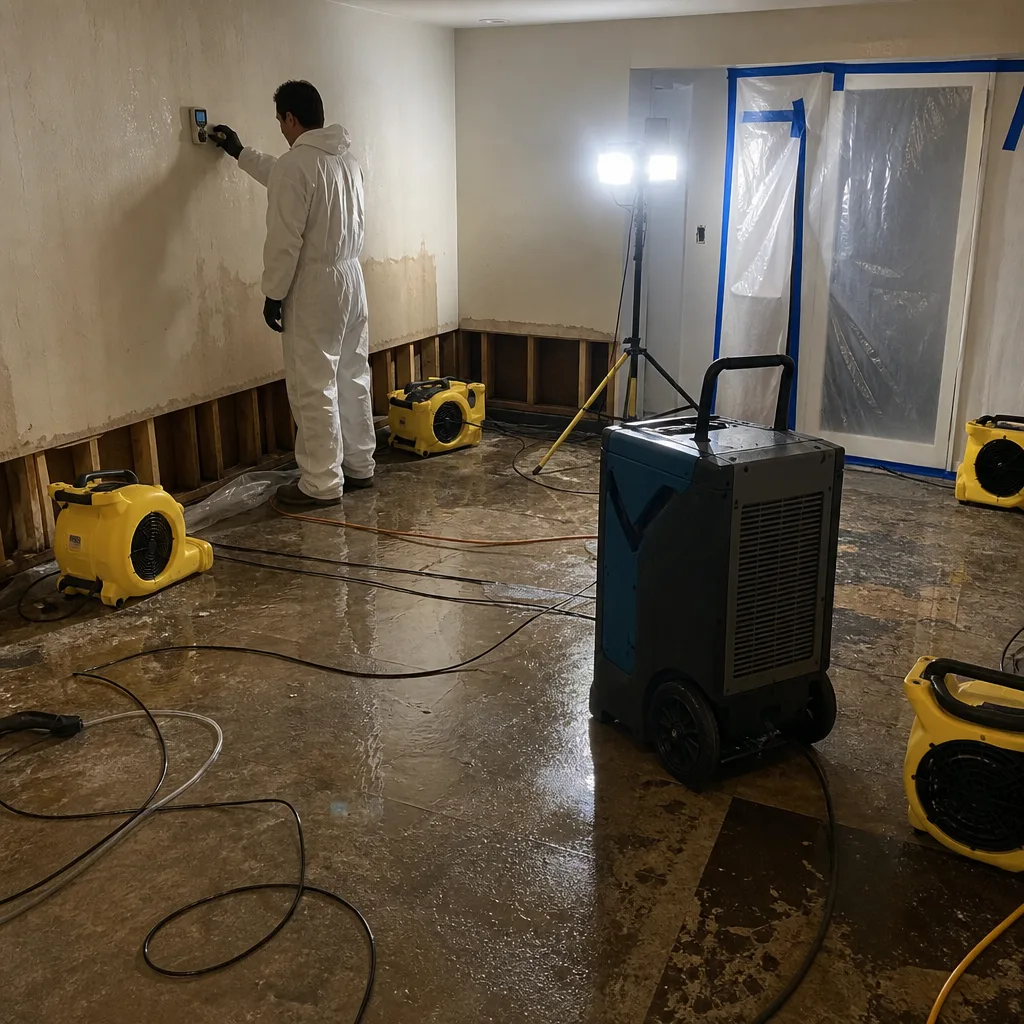
This is the service Country Club asks about most. A 1940s bungalow can be professionally cleaned and still smell like smoke because the odor is not on the walls. It’s in them. Horsehair insulation, old plaster keys, the gap behind baseboards, the joist cavities under the floor. Modern thermal fogging bounces off dense original plaster instead of penetrating it. We use Dri-Eaz HEPA air scrubbers and, where safe, targeted odor treatments that actually reach where the smoke went. In homes with original galvanized plumbing and old wiring, we’re careful about which methods we use near the wall cavities. That’s a judgment call you get from a company that’s done this in Country Club hundreds of times, not from a training video.
Contents Cleaning & Pack-Out
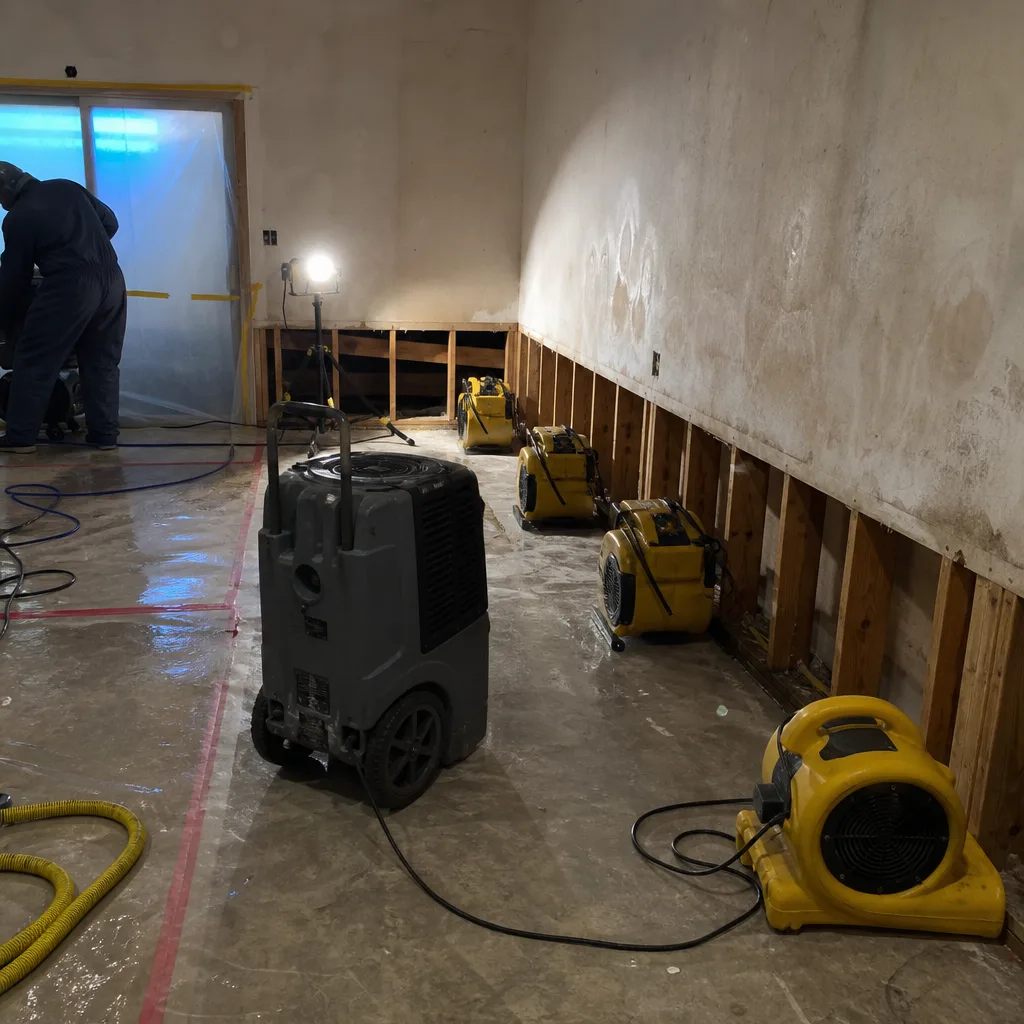
Your grandmother’s china cabinet. The photo albums from 1972. The wool rug that’s been in the family longer than anyone alive. Some things can be cleaned and saved. Some can’t. We inventory everything, pack out what needs off-site cleaning, and document every item with photos for your insurance claim. Country Club homes tend to hold onto things longer than most, and we treat that with respect. Nothing gets tossed without your say-so, and everything gets written down.
What happens when you call
- 1
A real person answersNo phone trees - you reach a local pro.
- 2
You get an upfront price rangeHonest numbers before anyone is dispatched.
- 3
A background-checked tech heads outLicensed & insured, dispatched right away.
- 4
You approve before work beginsNothing starts until you say go.
Trusted Brands We Service in Country Club
Wade’s crew works with professional-grade equipment from Dri-Eaz and Phoenix, and the work is backed by IICRC certification and RIA standards. Why does that matter to a homeowner in Country Club? Because the equipment has to match the house. A Dri-Eaz HEPA air scrubber running in a small 1930s bungalow with lathe-and-plaster walls does a different job than it does in a 1970s ranch with drywall. That’s what it means to actually know the local housing stock. If it merits mention, no one is impressed by a brand name on a van. We bring the equipment that fits the job.
Common Fire & Smoke Damage Restoration Problems We See in Country Club Homes
- Smoke trapped in original lath-and-plaster cavities. Thermal fogging can’t penetrate dense plaster and old horsehair insulation. The odor sits behind the wall and comes back every warm day.
- Galvanized plumbing failures after a fire. Water from the fire department or from high-pressure cleaning can split old galvanized pipes in 1920s-1950s homes. That secondary water damage is hidden by the same plaster that hides smoke damage until it starts staining the ceiling.
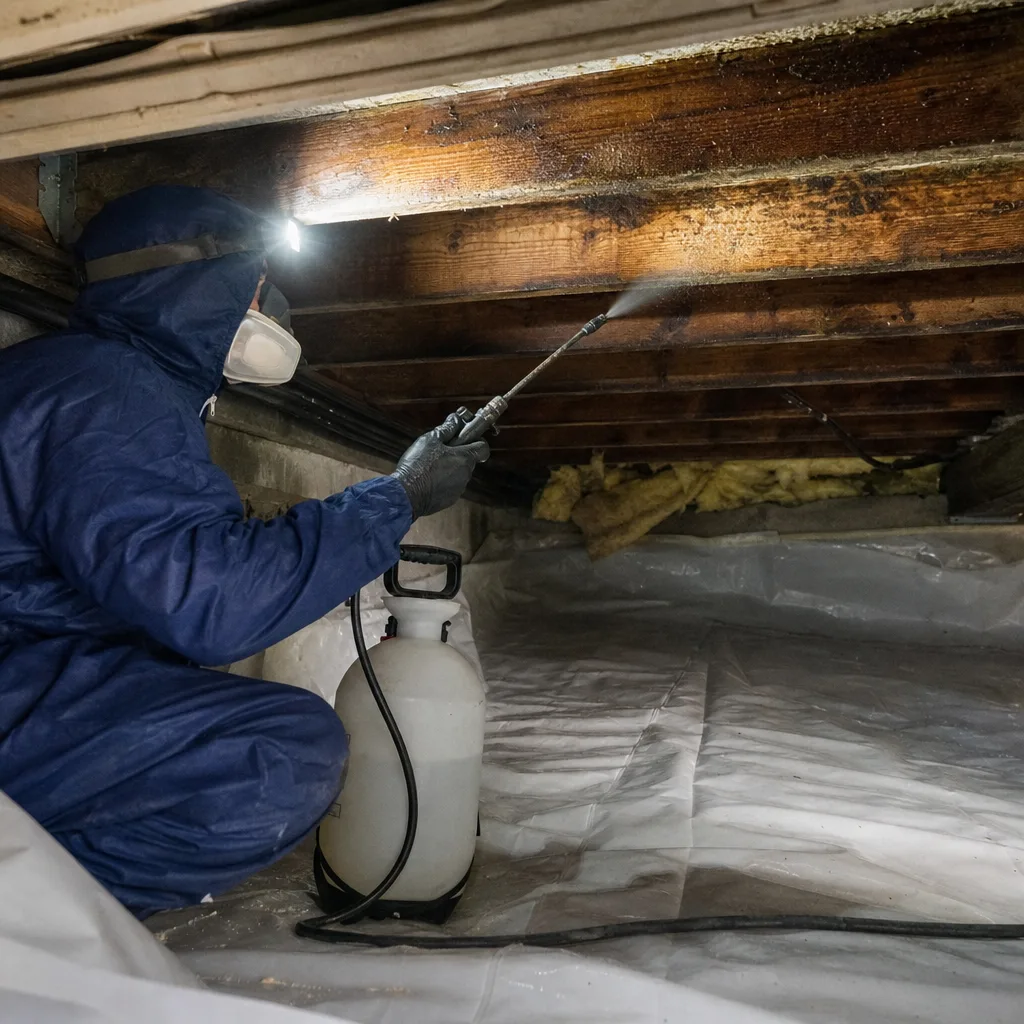
- Board-up crews sealing crawl space vents. Country Club sits in Delta humidity. Seal up the vents on a fire job and you trap firefighting water and smoke residue in the crawlspace. Mold shows up within 48 hours and then you have two problems instead of one.
- Plaster masking structural damage. Fire weakens the lath keys behind the plaster. The wall looks fine from the front but the keys are cooked. We have to check, not just assume.
Pricing for Fire & Smoke Damage Restoration in Country Club, CA
A straightforward smoke and soot cleanup in a single room of a Country Club home typically runs $1,200 to $3,400. Odor removal that requires opening lath-and-plaster walls and treating cavities usually falls between $2,800 and $7,500 depending on square footage. Structural fire repair, where we’re replacing framing or rebuilding plaster walls, starts around $4,500 and can go up from there for larger rooms. Contents cleaning and pack-out adds $800 to $3,000 depending on volume. These are real numbers from jobs we’ve done in Country Club, not national averages that don’t account for original plaster and old construction. Your insurance adjuster gets the same written scope we give you, and we deal with the adjuster directly so you’re not relaying messages between two sides. Call (855) 915-0646 for a free estimate. No trip charge inside our county.
We Also Serve Cities Near Country Club
Wade’s Restoration of California handles fire and smoke damage jobs in the Country Club area and the surrounding communities, including Lodi, Discovery Bay, Mountain House, and Tracy. If you’re one town over and the smoke smell won’t leave, call the same number. Wade heads out.
Serving Country Club, CA - Our Local Coverage Area
We’re based in the Country Club area and know this community well. Use the map below to see our service coverage - if you’re nearby, we can almost certainly help.
FAQs - Fire & Smoke Damage Restoration in Country Club
The odor is inside the original lath-and-plaster walls and horsehair insulation, not on the surface. Surface cleaning and thermal fogging cannot reach smoke that got pulled into wall cavities during the fire. The plaster has to be opened, the cavity treated, and then properly sealed with an odor-blocking primer before the wall is closed. Most national chains treat a 1940s Country Club bungalow the same as a 2005 drywall house, and that’s why the smell comes back. Call (855) 915-0646 for a free assessment.
Delta humidity means crawl spaces and wall cavities never fully dry on their own. Firefighting water plus trapped humidity equals mold inside 48 hours. In newer homes with modern vapor barriers this is manageable. In Country Club’s pre-1960s homes without vapor barriers, it’s an active problem that requires drying mats and dehumidifiers running longer than standard protocols call for, which is why our Reconstruction & Cleanup in Country Club includes extended monitoring. We take moisture readings every single day and hand you the full log at the end of the job. Almost nobody else does that.
Sometimes yes, sometimes no. If the fire damage is limited to surface soot and the lath keys behind the plaster are intact, the wall can be cleaned, sealed, and repainted. If the fire cooked the lath or the smoke loaded the horsehair insulation, the plaster has to come down to the studs and be replaced. We’ll tell you which one you’re looking at before we start, with a written scope. No one should find out mid-job that their living room wall is gone. Call (855) 915-0646 for an honest read on your walls.
Smoke traveled down through gaps around the original plumbing chases and settled in the crawlspace, and the crawl space vents were likely sealed during emergency board-up. In Delta-humid Country Club, sealing those vents traps smoke residue and firefighting water underground where they fester. The crawlspace has to be opened, dried, and deodorized as part of the fire restoration, not treated as an afterthought-something our Biohazard & Crime Scene Cleanup in Country Club also addresses in contaminated spaces. Ask any restoration company if they check the crawlspace. Then watch their face.
Yes. Board-up crews from outside the area routinely cover every opening including crawlspace vents, which is a mistake in Country Club. Tule fog means winter moisture never burns off, and Delta humidity is present year-round. Openings need to be secured against intruders and weather, but the vents have to stay functional or be vented through a secondary opening so moisture and smoke residue aren’t trapped. Wade’s crews know which vents to keep open and which to cover. Call (855) 915-0646 and talk to someone who actually works in this neighborhood.
Country Club’s older homes were built before vapor barriers and before modern fire codes required the kind of compartmentalization that slows smoke travel. That means fire and smoke restoration here is not the same job it is anywhere else in the county. The walls are denser, the insulation is organic, the crawlspaces are wetter, and the people who live here have been through enough without a restoration crew making it worse.
Wade Ferris started Wade’s Restoration of California in 2007 because he was tired of watching insurance checks get burned up by companies that promised one thing and delivered another. He gives you a written scope before work starts. He hands you the moisture log at the end. He deals with your adjuster directly. And if it’s not done right inside 90 days, he makes it right. In writing. That’s the whole guarantee.
If your Country Club home has fire or smoke damage, call (855) 915-0646 now. A live person answers. Wade or one of his senior crew members will be on the way within the hour. Free estimate. No trip charge inside the county. Senior and veteran discount always applies.
Written by Wade Ferris, Owner at Wade’s Restoration of California, serving Country Club since 2007.