
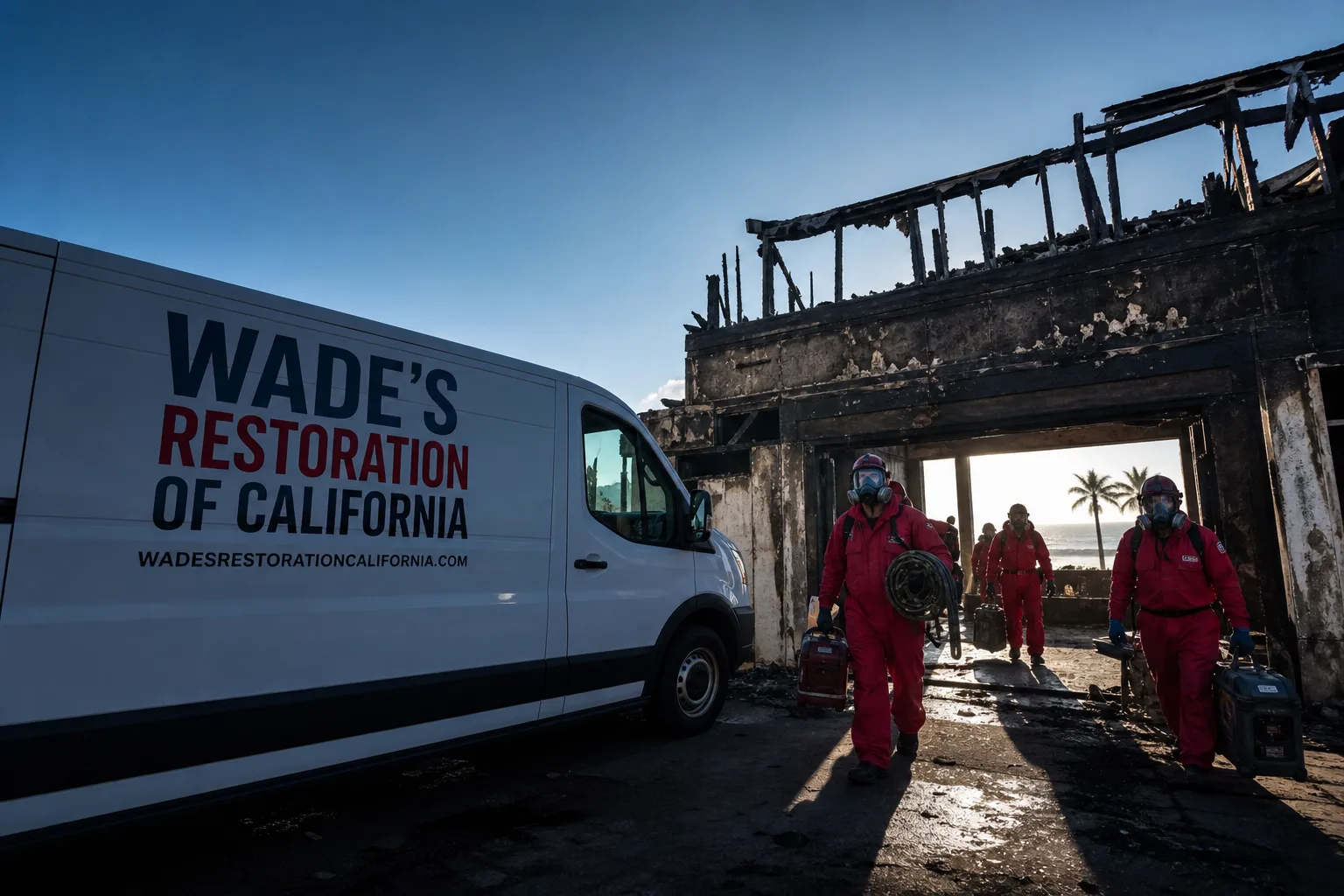
Fast, Reliable Biohazard & Crime Scene Cleanup Across Country Club
Biohazard and crime scene cleanup in Country Club requires a crew that understands the neighborhood’s older housing stock, not just a generic remediation outfit. Most Country Club homes were built between the 1920s and 1950s, and their lath-and-plaster walls and raised foundations change how contamination spreads and what it takes to truly clean it. Wade’s Restoration of California responds to Country Club calls 24 hours a day, and Wade Ferris himself usually answers the phone. If you’re dealing with a trauma scene, unattended death, or any biological hazard at your Country Club property, call (855) 915-0646 right now and you’ll get a straight answer about what happens next.
Why Wade’s Restoration of California Is Country Club’s Preferred Biohazard & Crime Scene Cleanup Company
Wade’s Restoration has been cleaning up the worst days in people’s lives since 2007. Around Country Club, we’re known for showing up fast and not dressing the job up with jargon. The 1920s Craftsman bungalows along San Juan Avenue and the older ranch homes near Country Club Boulevard need a different approach than the newer drywalled houses in Spanos Park, and we’ve learned those differences the hard way, house by house. Ask anyone on your street who’s had water under their floors or a loss in the family. Wade’s name is on the truck, his license number is published, and you’ll run into him again at the hardware store. That’s accountability you can’t get from a national call center.
When you call about a Biohazard & Crime Scene Cleanup job in Country Club, a live person picks up. Not a queue. Not a voicemail. Wade carries his own phone, and he can have a crew rolling toward Country Club within the hour. We’re background-checked, uniformed, and certified through IICRC and RIA. We use Dri-Eaz and XPOWER equipment that actually moves air and pulls contaminants out, not the rental-store stuff that just masks odors. And every job gets a written scope before we start, so you’re never staring at a surprise bill after the fact.
Our Biohazard & Crime Scene Cleanup Services in Country Club
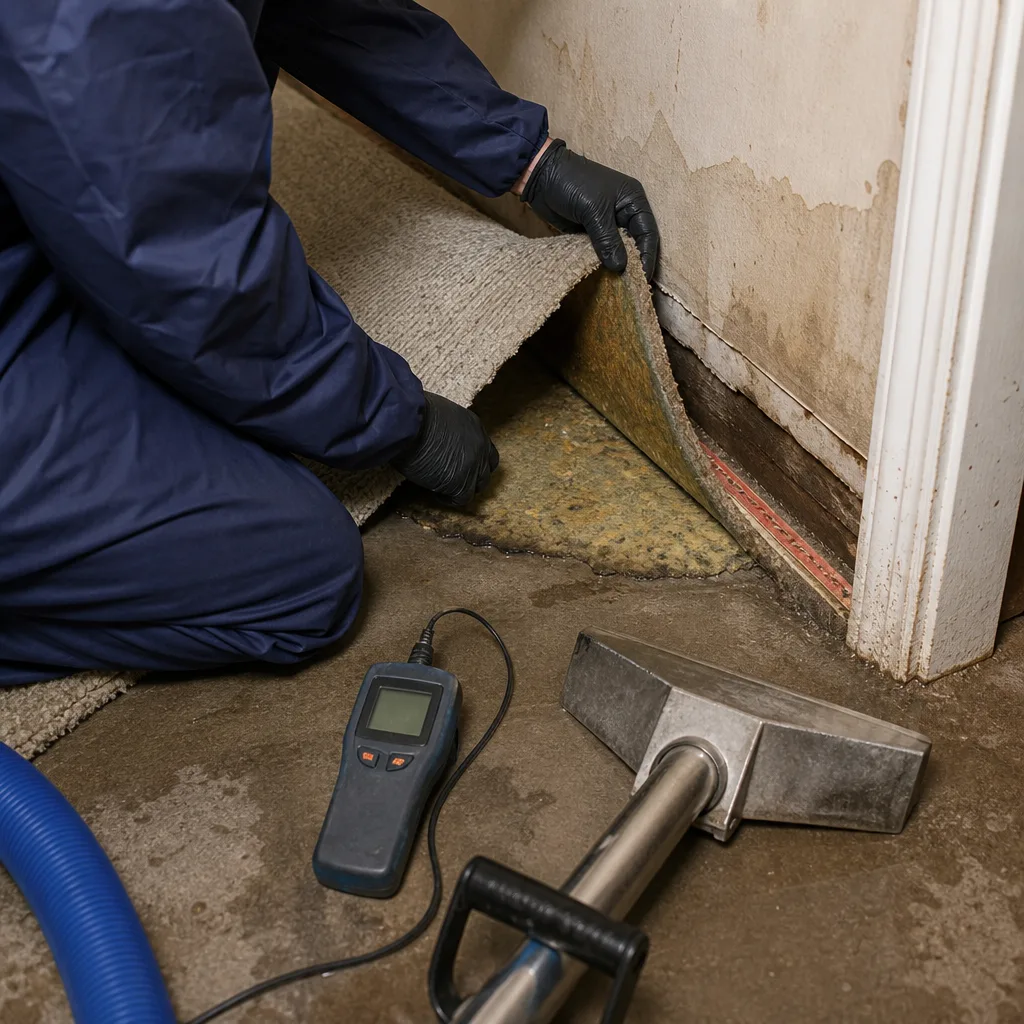
Biohazard work is not carpet cleaning. Blood, bodily fluids, and decomposition fluids soak into porous materials and carry pathogens like hepatitis B, hepatitis C, and MRSA. In Country Club’s older homes, those fluids don’t just sit on the surface. They wick into plaster, travel through oak flooring, and settle into the crawl space. That’s why our protocols include full cavity decontamination and plaster removal where needed, not just surface wiping.
Crime Scene Cleanup
When a crime scene occurs in a Country Club home, law enforcement handles the investigation but not the cleanup. That’s on you, and it’s a burden no homeowner should carry alone. We respond quickly, work discreetly, and remove all traces of blood, tissue, and other biological material. In lath-and-plaster homes on streets like Yosemite Avenue, we open wall cavities to inspect for contamination that surface cleaning would never reach. You won’t see a trace when we’re done, and you won’t smell anything either.
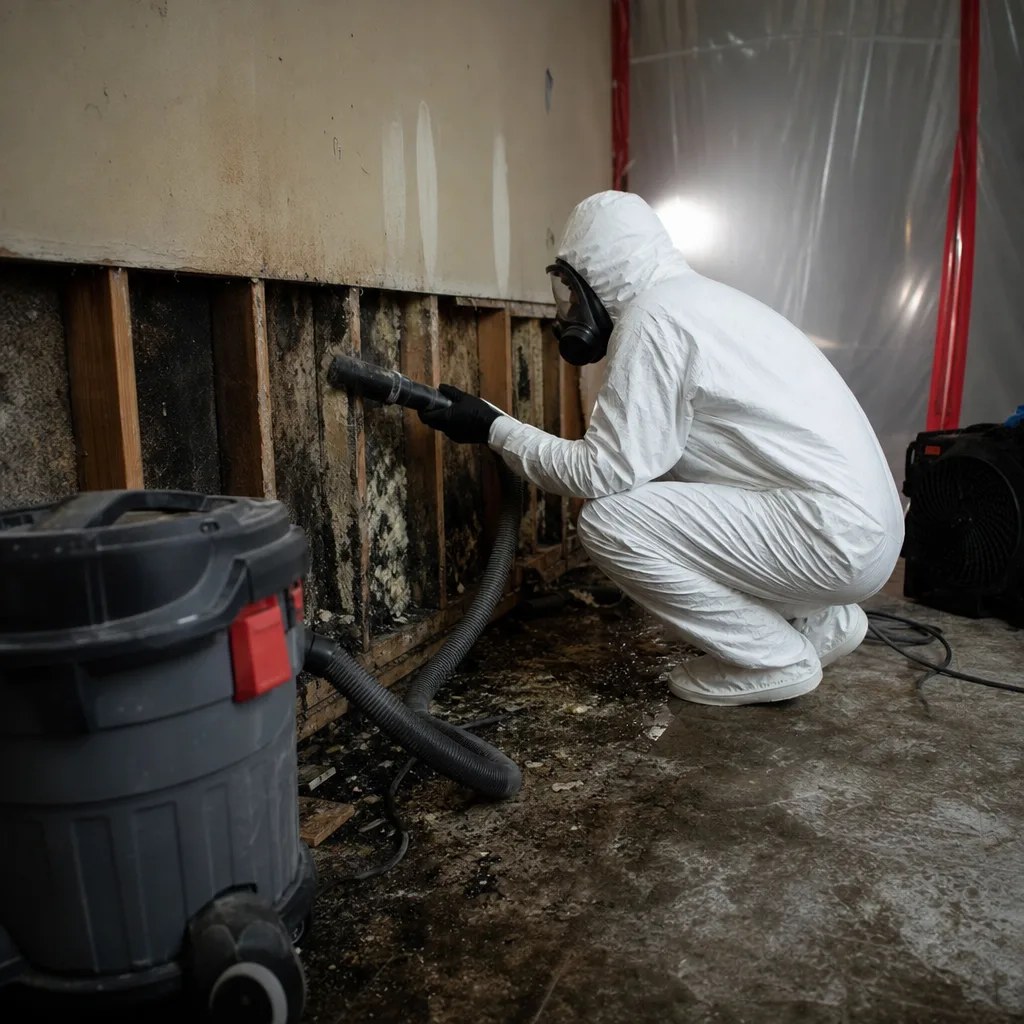
Trauma & Unattended Death Cleanup
Unattended death cleanup in Country Club is one of the hardest calls we take, and it’s one we handle with quiet respect. Decomposition fluids can soak through original oak flooring and into the crawl space below within days, especially in the summer heat that stays over 100°F in Stockton. We remove affected flooring, subfloor, and any contaminated soil, then disinfect and deodorize the entire cavity. If the home has a raised foundation, like most pre-1960s bungalows in Country Club do, the crawl space gets inspected every single time. Skipping it is how odors come back in August.
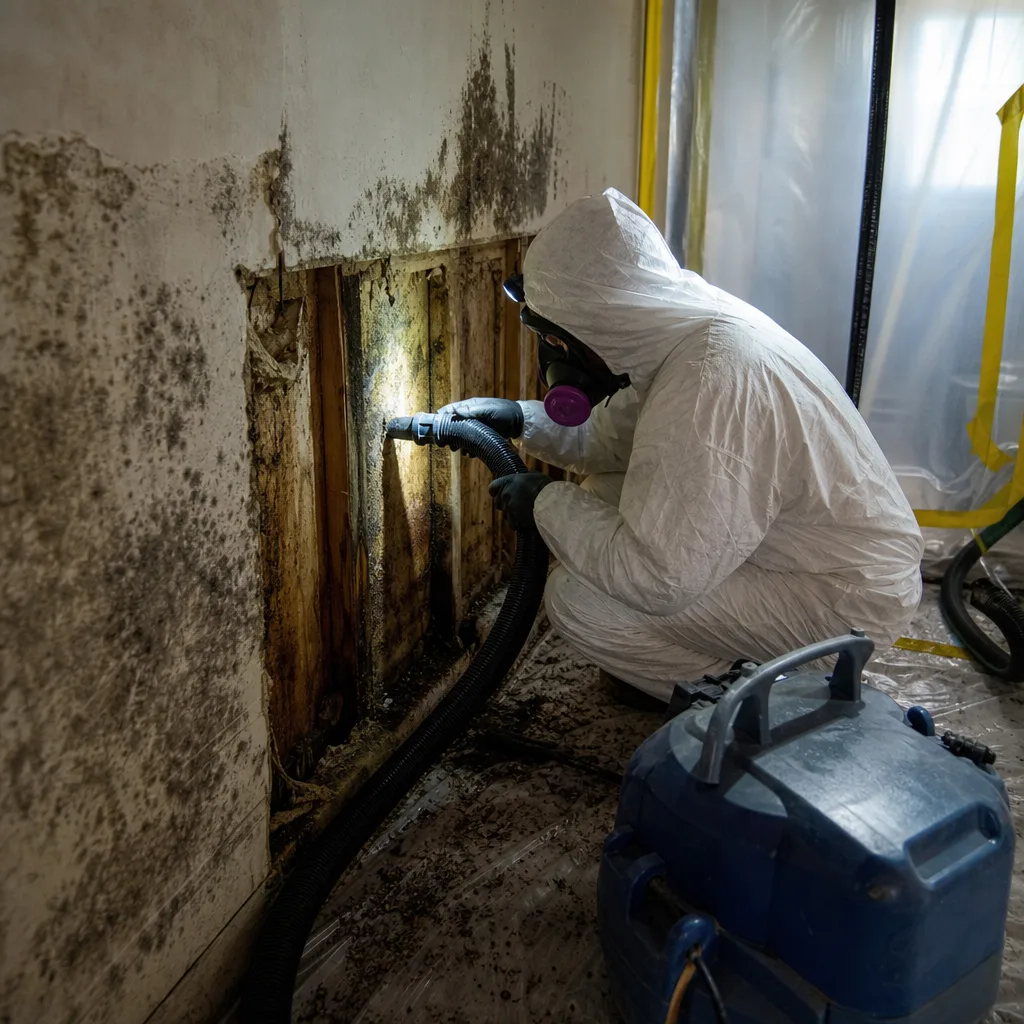
Blood & Bodily Fluid Cleanup
Blood spills in a Country Club home need more than bleach and elbow grease. Blood proteins penetrate porous plaster and wood, and in the Delta humidity that hangs over Country Club, those proteins break down slowly and release odors for months. We use EPA-registered disinfectants rated for bloodborne pathogens and run HEPA-filtered air scrubbers to pull airborne contaminants out. The XPOWER units we run are commercial-grade, not the box-fan-and-filter setup you can buy at the hardware store. For a bungalow with original lath-and-plaster walls, we remove contaminated plaster sections and rebuild them so the wall is truly clean, not just painted over.
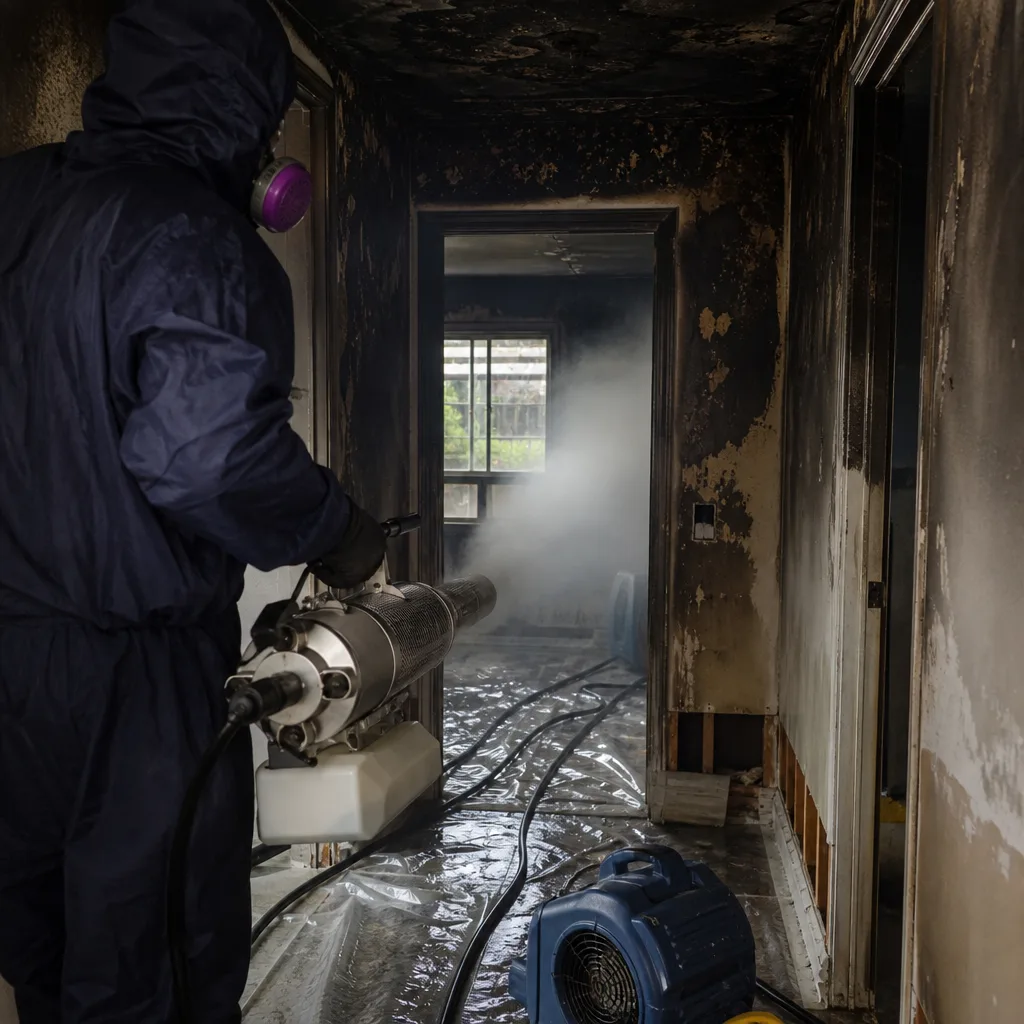
Hoarding Cleanup
Hoarding cleanup in Country Club’s older homes carries extra risks. Decades of accumulated material hide structural damage, rodent infestations, and biohazardous waste. In a pre-1960s house with minimal subfloor vapor protection, moisture from animal urine and spilled liquids soaks into the framing itself. We sort carefully, remove hazardous material with proper PPE, and work with the homeowner on what stays and what goes. No judgment. Just a clean, safe house at the end.
Infectious Disease Disinfection
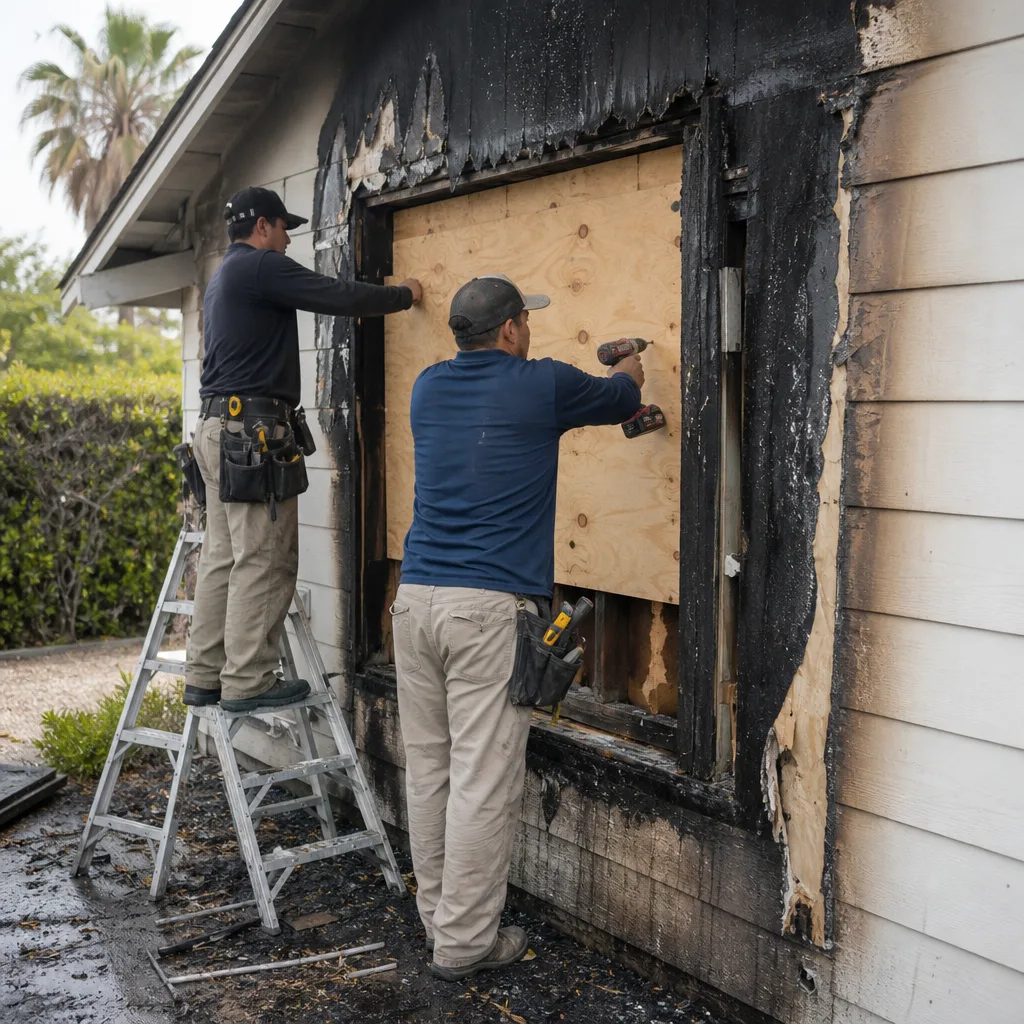
When a Country Club household deals with MRSA, C. diff, COVID-19, or another infectious disease, surface disinfection isn’t enough. We fog entire rooms with hospital-grade disinfectants and run air scrubbers to pull pathogens from the air. In older homes with plaster walls, we pay special attention to wall cavities and ductwork, where infectious particles settle and recirculate. Your house gets a documented treatment log, which helps if you ever need to prove the disinfection was done correctly.
Tear Gas & Chemical Cleanup
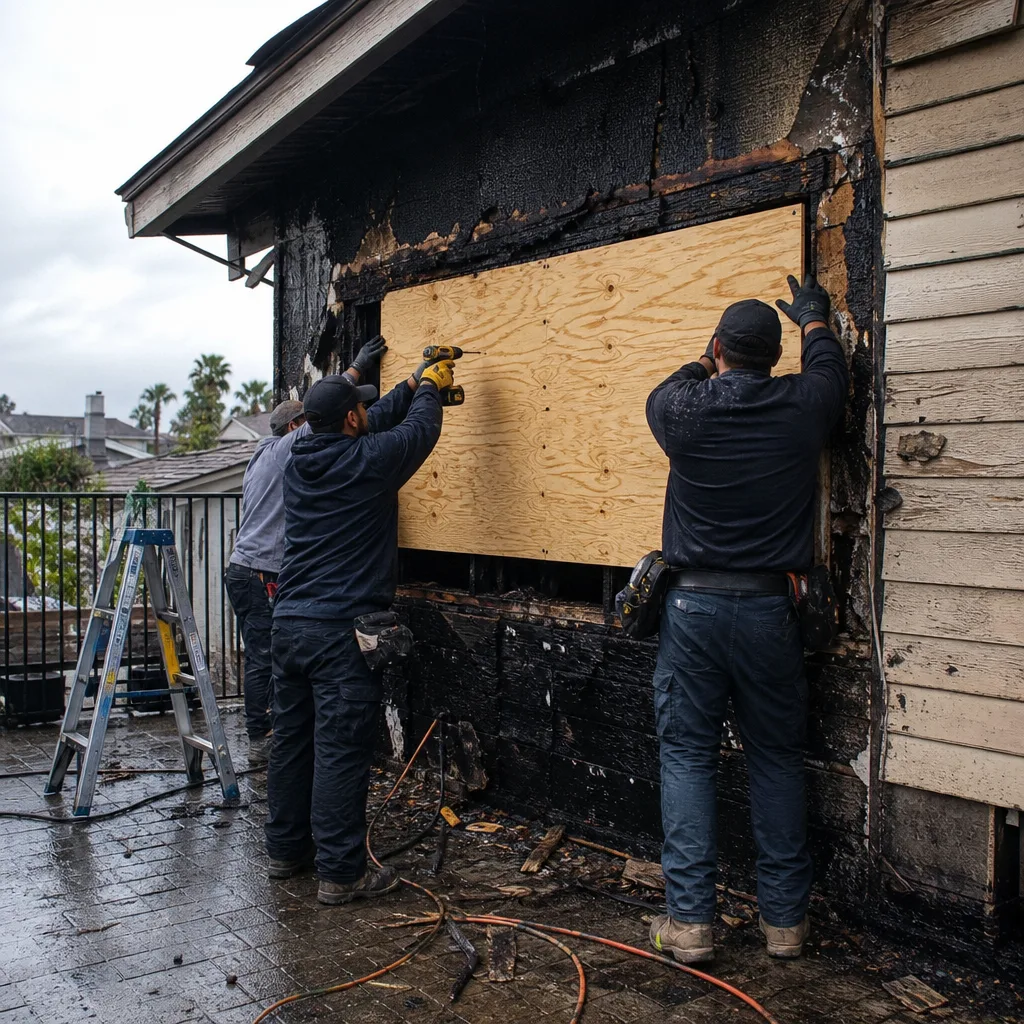
Tear gas residue is not just an odor problem. The chemical agents bind to gypsum, wood, and fabric. In a Country Club bungalow with original plaster and hardwood, tear gas soaks into every porous surface and keeps off-gassing for weeks. We remove contaminated materials, neutralize remaining residue, repaint, and run air scrubbers until the air tests clean. If it happened in your home, don’t sleep there until it’s properly handled.
What happens when you call
- 1
A real person answersNo phone trees - you reach a local pro.
- 2
You get an upfront price rangeHonest numbers before anyone is dispatched.
- 3
A background-checked tech heads outLicensed & insured, dispatched right away.
- 4
You approve before work beginsNothing starts until you say go.
Trusted Brands We Service in Country Club
We service all makes and models of restoration and cleanup equipment across Country Club, but the brands we run ourselves are the ones we trust on your home. Our crews use Dri-Eaz and XPOWER air movers and scrubbers, Phoenix dehumidifiers, and Injectidry systems for cavity drying. We’re IICRC-certified and affiliated with RIA, which means our techs train on actual biohazard protocols, not just a video module. When a Country Club customer asks what we use, we tell them straight: the same equipment we’d use in our own homes. Wade doesn’t buy cheap gear and neither should you.
Common Biohazard & Crime Scene Cleanup Problems We See in Country Club Homes
- Lath-and-plaster walls hiding contamination. Blood and decomposition fluids seep into the pores of original plaster and lath from the 1920s through 1950s. Surface cleaning leaves pathogens trapped in wall cavities, which off-gas odors when the Delta humidity rises in summer. We open those cavities and clean or remove the plaster entirely.
- Crawl space contamination after a death or trauma. Most Country Club bungalows sit on raised foundations over bare dirt. Fluids travel through oak floor gaps and saturate the dirt below. If the crawl space isn’t inspected and treated, the smell returns. We inspect every raised foundation in Country Club, no exceptions.
- Original oak flooring soaked through. Hardwood from the 1920s and 1930s is beautiful, but it’s porous. Blood and decomposition fluid wick through the boards and into the subfloor. We cut out affected boards, remove contaminated subfloor, and match new oak to the original. We’ve matched 1930s oak on San Juan Avenue, and the homeowner couldn’t tell where the repair ended and the original floor began.
- AC condensate line failures in summer heat. Stockton’s 100°F+ summers push HVAC systems to their limit. Condensate lines clog and overflow into blown-in insulation and lath-and-plaster ceilings. By the time a stain shows, the contamination and mold load behind the plaster is already advanced. We check for this on every biohazard call because it’s often part of the same picture.
Pricing for Biohazard & Crime Scene Cleanup in Country Club, CA
Biohazard and crime scene cleanup in Country Club typically runs between $1,500 and $5,000 for a single-room blood or bodily fluid cleanup. Trauma and unattended death cleanup in a Country Club home usually lands between $3,000 and $8,000 depending on how far the fluids traveled and whether flooring or plaster removal is required. Hoarding cleanup with biohazardous material runs $4,000 to $15,000 or more depending on the volume and condition of the house. Infectious disease disinfection of a full home usually starts around $1,200 and goes up based on square footage and surface types. These are real ranges for this market, not a national average. Every job starts with a written scope and a price you approve before work begins. No trip charge inside our own county, and a free second opinion on any written estimate. Call (855) 915-0646 for an exact quote on your Country Club property.
We Also Serve Cities Near Country Club
Our Country Club biohazard and crime scene cleanup service extends to the surrounding communities. We take calls from Lodi, Discovery Bay, Mountain House, and Tracy, and our crews are on the road to any of these areas daily. If you’re outside Country Club proper but still in San Joaquin County, call us. Same live answer, same written scope, same one-trip commitment.
Serving Country Club, CA - Our Local Coverage Area
We’re based in the Country Club area and know this community well. Use the map below to see our service coverage - if you’re nearby, we can almost certainly help.
FAQs - Biohazard & Crime Scene Cleanup in Country Club
Lath-and-plaster walls from the 1920s through 1950s are porous, and blood or bodily fluids soak deep into the plaster and the wood lath behind it. In a Country Club bungalow, surface cleaning alone leaves pathogens trapped in the wall cavity, and those pathogens release odors when the Delta humidity hits in summer. Our protocol for these homes includes opening affected wall cavities, removing contaminated plaster, disinfecting the framing, and rebuilding with new plaster or drywall. This is not something a generic cleanup crew does, and it’s why we specifically train on older Country Club housing stock. Call (855) 915-0646 and describe your home’s construction, and Wade will tell you exactly what’s involved.
Yes, and it’s the most commonly missed step in Country Club. Most pre-1960s bungalows in this neighborhood sit on raised foundations over bare dirt, and bodily fluids travel through floorboard gaps and saturate the dirt below. If the crawl space isn’t inspected, disinfected, and deodorized, the odor returns within weeks, especially during humid Delta summers. We inspect and treat the crawl space on every unattended death cleanup in Country Club, and we document it with photos before and after. Call us at (855) 915-0646 and ask about our crawl space protocol specifically.
Yes. We handle full floor restoration on Country Club bungalows with original oak flooring from the 1920s and 1930s. Our crew handled a trauma cleanup on San Juan Avenue where blood had soaked through the oak into the crawl space below. We cut out the affected boards, removed the contaminated subfloor, fogged the crawl space with an EPA-registered disinfectant using our XPOWER air scrubber, sealed the underlayment with an antimicrobial coating, and installed new oak milled to match the 1930s original. The repair blended seamlessly. If you need floor matching as part of your cleanup, mention it on the call and we’ll include it in the written scope.
In Country Club’s older homes, hoarding cleanup means working around original lath-and-plaster walls, raised foundations, and minimal subfloor vapor protection. We assume the subfloor and wall cavities are contaminated until proven otherwise. Our crew wears full PPE, runs HEPA air scrubbers throughout the job, and opens floors and walls where we find evidence of animal waste, mold, or standing moisture. We also check the crawl space beneath any room where hoarding occurred. If you’re in Country Club and facing a hoarding cleanup, call (855) 915-0646 for a walkthrough and a written plan, no pressure.
Country Club sits low in the San Joaquin Valley, directly influenced by the Sacramento-San Joaquin Delta. The humidity here never fully leaves crawl spaces, and winter tule fog holds moisture against foundation vents for weeks. Lodi sits slightly higher and dries out faster. In practical terms, that means biohazard contamination in a Country Club home is more likely to have spread into wall cavities and crawl spaces by the time we arrive, and odors are more persistent during humid months. Our cleanup protocols for Country Club include longer air-scrubber run times and more aggressive crawl space treatment than we’d use in Lodi. Call (855) 915-0646 and ask Wade to explain the difference for your specific street.
Written by Wade Ferris, Owner at Wade’s Restoration of California, serving Country Club and San Joaquin County since 2007.