
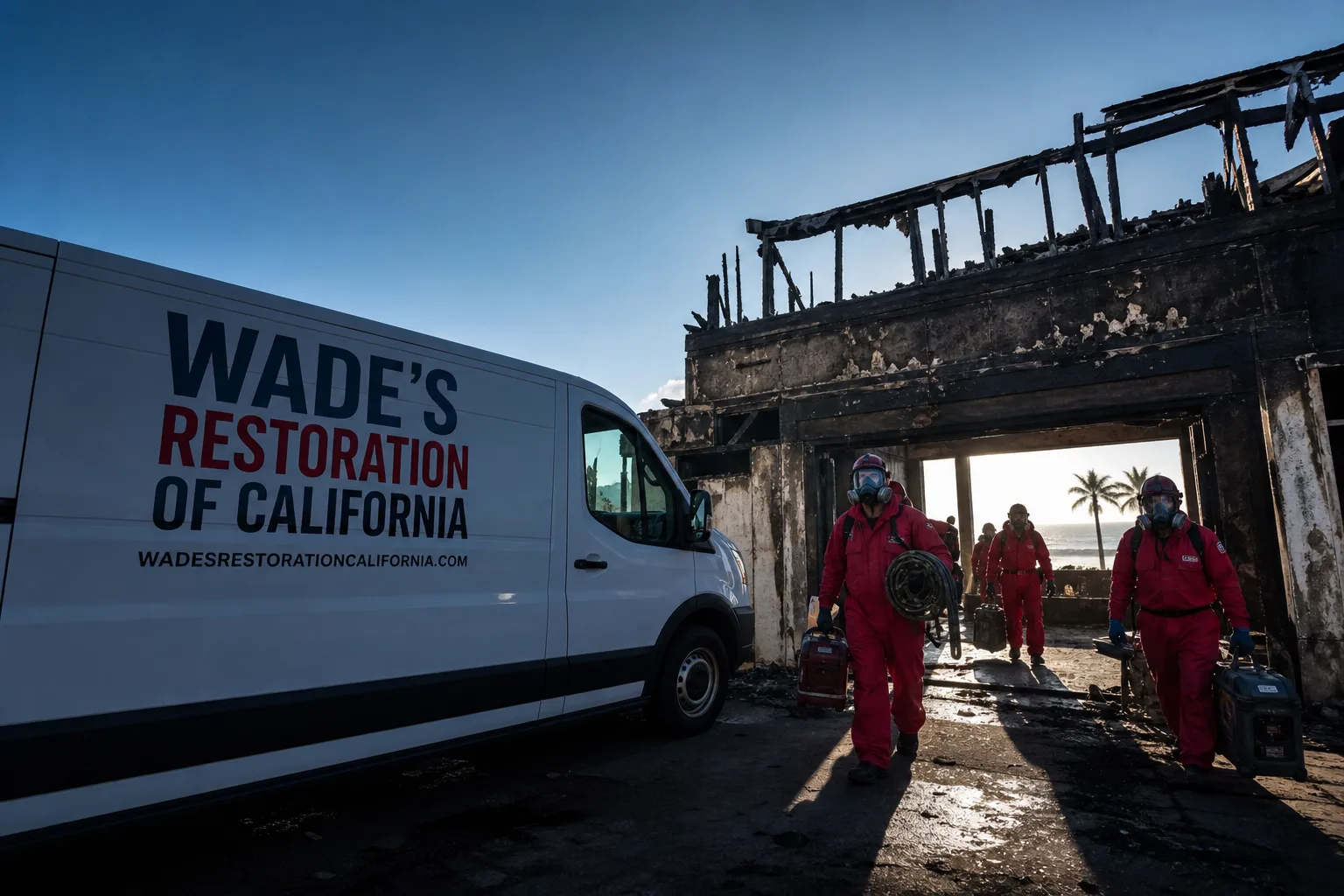
Fast, Reliable Water Damage Restoration Across San Jose
Water damage in San Jose homes rarely starts as a simple puddle. Ground-floor slabs along the Guadalupe River and Coyote Creek corridors absorb stormwater nearly as fast as it falls, and the dense mix of pre-WWII pier-and-beam homes in neighborhoods like Naglee Park trap moisture inside crawlspaces for weeks after a leak. That’s why we answer our own phone and can get an extraction crew into Alum Rock, Campbell, or Communications Hill inside the hour. If you’re standing in water at 2 a.m., call (855) 915-0646 and Wade Ferris will pick up.
We’ve worked San Jose from downtown’s narrow alley-load townhomes to the soft-story apartments along East Foothills long enough to know what dries fast, what hides water, and what every insurance adjuster needs to see before they’ll sign off. No dispatch call center. No national franchise script. Just a local owner and his crew, with moisture meters in hand and a written scope before anything gets torn out.
Why Wade’s Restoration of California Is San Jose’s Preferred Water Damage Restoration Company
Reputation here works the old way. Wade Ferris publishes his name, his address, and his license number, and he answers his own phone 24 hours a day. Ask anyone on your street in Rock Springs who cleaned up after the 2017 Coyote Creek flood, and you’ll hear about crews who showed up late, extracted surface water, and left before the subfloor ever dried. We’ve spent years rebuilding trust in those same ZIP codes by doing exactly what we said we’d do and giving homeowners the moisture logs to prove it.
Our San Jose customers call for two reasons. Speed, because the valley’s flat terrain means water has nowhere to sheet-flow and a burst pipe under a 1950s slab spreads through the whole first floor in hours. And honesty, because too many people have been burned by an outfit that quoted one figure over the phone and delivered another at the door. Wade writes the scope before work starts. If the number changes, you hear it from him and you approve it before a wrench turns.
We also know the local building stock. Those 1960s soft-story apartments off East Foothills have unstrapped water heaters that tip during even minor Calaveras Fault tremors. The 1918 Craftsmans in Naglee Park have pier-and-beam foundations with no drainage plane. When you call our Water Damage Restoration team, you’re not explaining your house from scratch. We already know what we’ll find.
Our Water Damage Restoration Services in San Jose
Emergency Water Extraction
When the Guadalupe River overtops its channel or a supply line ruptures in a downtown high-rise, the first 90 minutes decide whether you’re drying a slab or gutting a kitchen. Our extraction crews run Dri-Eaz and XPOWER equipment sized for San Jose’s tightest access points, not just open suburban basements. We’ve pulled standing water out of alley-load garages in 95112 where a full-size truck couldn’t even park, and we’ve been on scene in Naglee Park within the hour of a call.
Structural Drying & Dehumidification
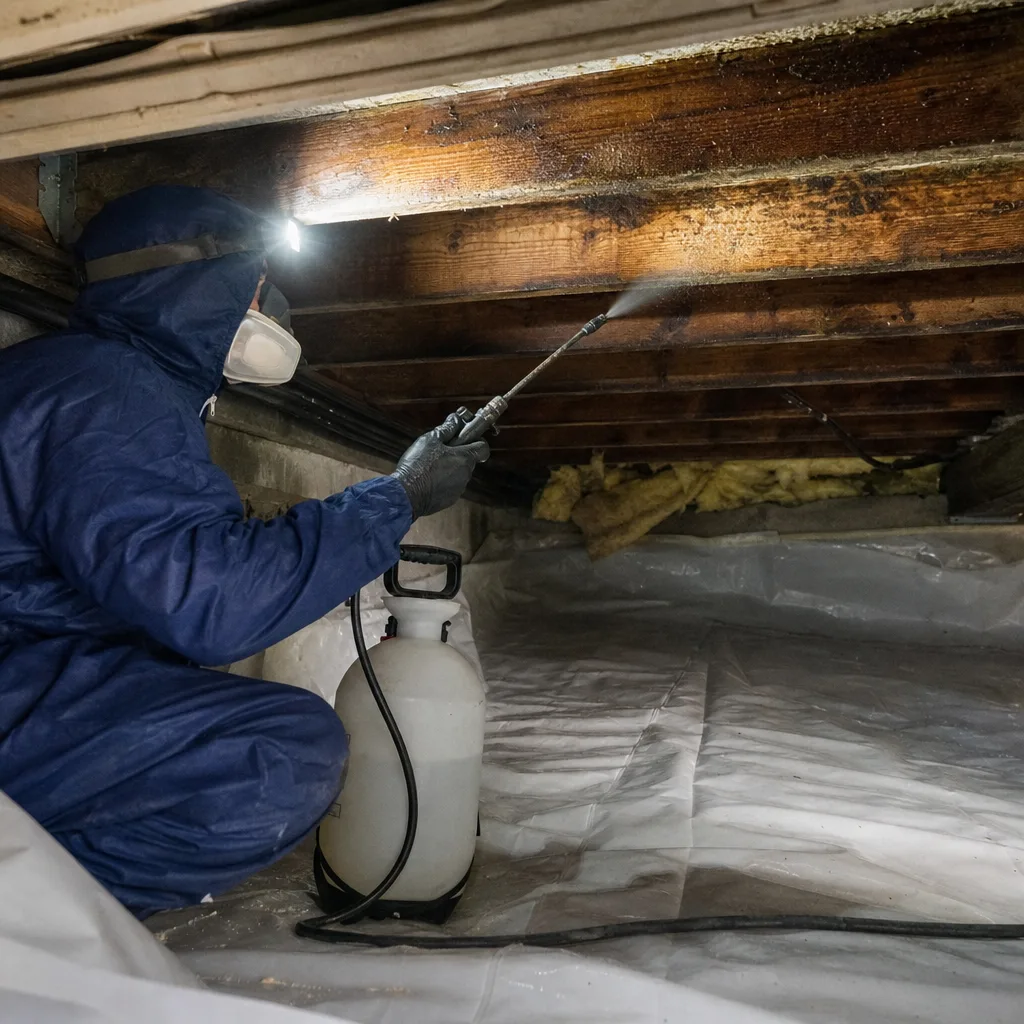
This is where Wade’s crew does what nobody else in San Jose will. Every single day on a drying job, Wade takes moisture readings himself and logs them. At the end, you get the full record, date by date, showing exactly when your floor, your subfloor, and your walls came down to dry standard. Most companies extract water, set a few air movers, and vanish. We run Injectidry panels into crawlspaces and Phoenix dehumidifiers into closets that still read wet on day four. You’ll see the numbers.
Flood Cleanup
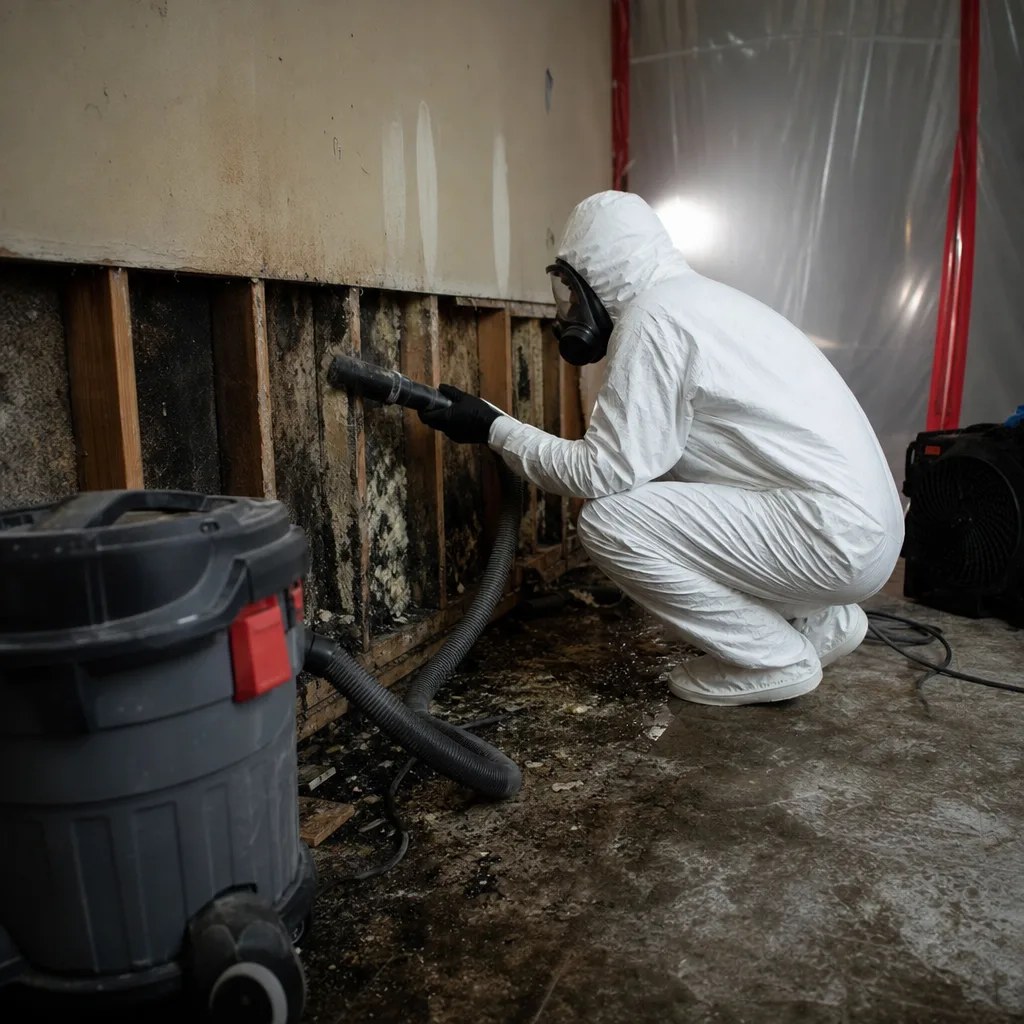
San Jose’s flood risk isn’t a coastal problem. It’s a valley problem. Atmospheric rivers between November and March overwhelm the Guadalupe and Coyote Creek drainage networks, and the city’s flat urban floor means stormwater accumulates instead of running off. We treat every flood cleanup as a Category 3 job because by the time water reaches ground-floor living space in 95121 or 95119, it’s already picked up everything the street left behind. Full extraction, controlled demolition where needed, and drying that goes deeper than the surface.
Burst Pipe Restoration
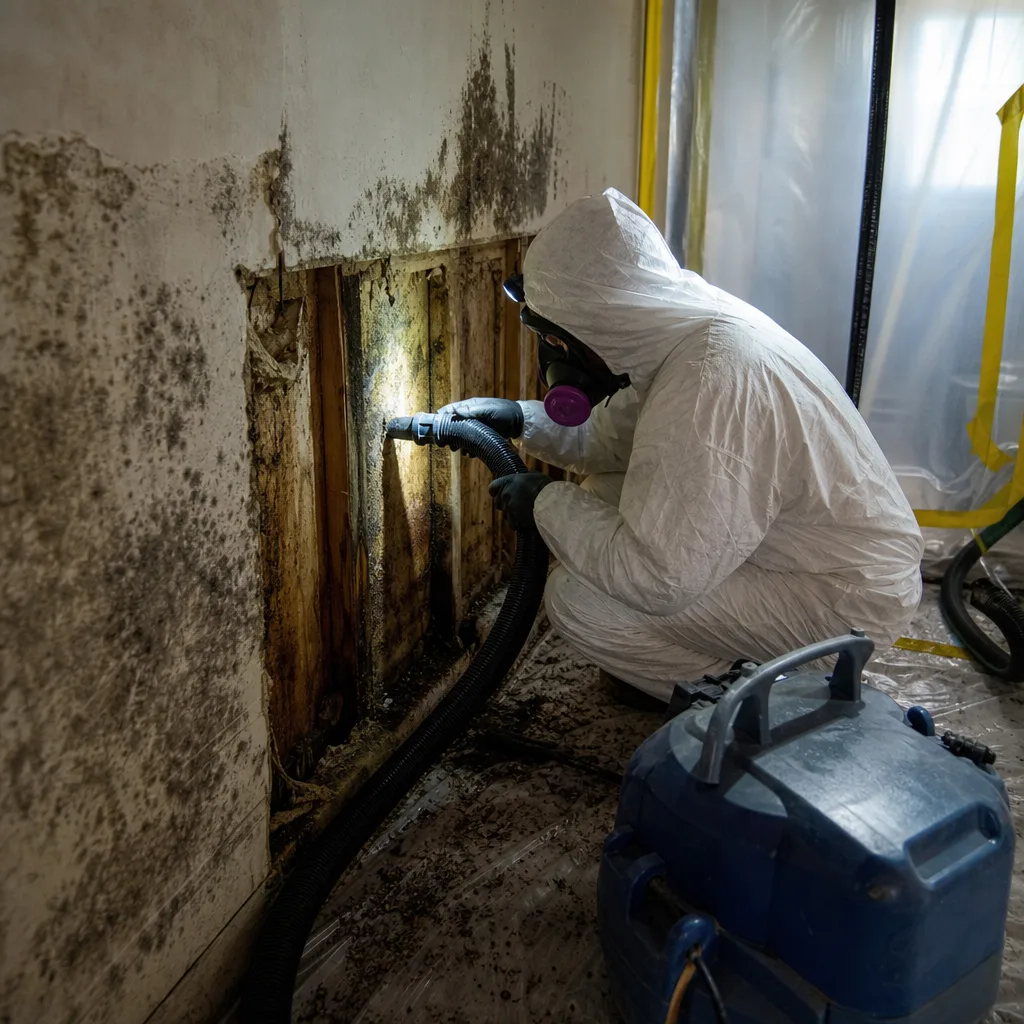
Older San Jose inventory means aging galvanized pipe and water heaters strapped to walls by code from another decade. When a pipe lets go in a 1970s tract house near Campbell, water travels along joists and puddles in places you won’t see for a week. We trace the full path with thermal imaging and moisture probes, open only what’s wet, and document every cut for your adjuster. In tight downtown units, that means knowing where the shutoff actually is, not where the blueprints say it should be.
What happens when you call
- 1
A real person answersNo phone trees - you reach a local pro.
- 2
You get an upfront price rangeHonest numbers before anyone is dispatched.
- 3
A background-checked tech heads outLicensed & insured, dispatched right away.
- 4
You approve before work beginsNothing starts until you say go.
Trusted Brands We Service in San Jose
Our drying equipment is Dri-Eaz and Phoenix because those brands hold up to San Jose’s seasonal humidity swings better than consumer-grade gear found in rental yards. We stock Injectidry panels for crawlspace subfloor work under the pier-and-beam homes in Naglee Park and near Communications Hill, and our techs carry the IICRC and RIA training to run them properly. When we tell a homeowner in 95122 that their crawlspace is dry to the standard, that claim is backed by equipment readings, not a guess. We don’t service national chain equipment or offer third-party warranty rates that undercut the actual work.
Common Water Damage Restoration Problems We See in San Jose Homes
- Surface extraction that leaves water trapped beneath flooring. In pre-WWII pier-and-beam homes, subfloor assemblies with no drainage plane hold Category 3 moisture for weeks. You wipe up the visible water, but mold is already feeding underneath.
- Unstrapped water heaters tipping in soft-story apartments. The 1960s-70s buildings along East Foothills pre-date seismic strapping codes. A minor Calaveras Fault tremor shifts the tank, the supply line cracks, and water weeps behind the wall until the dry rot shows.
- Alley-load access delays in downtown ZIP codes. In 95110-95113, townhome doors and alley entrances often won’t pass a full-size air mover. We stage smaller equipment and work around parking restrictions, but crews without local knowledge lose hours just getting gear inside.
- Flooded crawlspaces in valley-floor neighborhoods after creek overflows. Rock Springs and Naglee Park sit low relative to Coyote Creek’s channel, so even a modest overflow pushes water into the blocks where the 2017 flood left the worst secondary damage.
Pricing for Water Damage Restoration in San Jose, CA
A typical emergency water extraction in San Jose runs $350-$700 for the first room, with each additional affected room adding $150-$300. Structural drying and dehumidification for a standard one-story slab home usually lands between $2,200 and $4,800 depending on square footage and how long water sat. Crawlspace water removal under pier-and-beam homes in Naglee Park or Communications Hill, including vapor barrier replacement, typically costs $1,800-$4,500. Flood cleanup from creek overflow events starts around $2,800 and climbs with Category 3 contamination and controlled demolition.
What changes the number is how deep the water went and how long it sat. We give free estimates and a written scope before work starts. Wade offers no trip charge anywhere in the county, a free second opinion on any written estimate, and a standing 10% Senior & Veteran discount. Call (855) 915-0646 for an exact number on your job.
We Also Serve Cities Near San Jose
Our crews work throughout Santa Clara County and the surrounding valley, including Communications Hill, Campbell, Alum Rock, and East Foothills. If you’re not sure whether we cover your corner of San Jose, call us. Wade will tell you straight, and if we can’t get there fast enough, he’ll say so. That’s how we’ve run things since 2007.
Serving San Jose, CA - Our Local Coverage Area
We’re based in the San Jose area and know this community well. Use the map below to see our service coverage - if you’re nearby, we can almost certainly help.
FAQs - Water Damage Restoration in San Jose
Because the homes sit on pier-and-beam foundations with crawlspace subfloor assemblies that have no drainage plane, so water that migrates beneath the floor never evaporates from the accessible surface. In Naglee Park specifically, decades of additions and enclosed porches have sealed off the airflow that older crawlspaces depended on, trapping moisture at the exact humidity mold needs to colonize within 48-72 hours. If you’ve mopped up visible water but haven’t checked below the floor, call us for a moisture assessment before the secondary damage spreads.
Homes along the Calaveras Fault corridor in Alum Rock experience routine seismic micro-movements that shift unsecured plumbing and tip unstrapped water heaters, creating slow leaks that go unnoticed until structural dry rot appears. After any tremor strong enough to rattle windows, we recommend a moisture check on the lower floor and behind the water heater. Restoration here is a structural drying and crack remediation job, not just extraction, because the leak that started as a hairline pipe crack can keep feeding moisture for days before water ever shows on the surface. Call us for a free assessment after any quake you can feel.
The biggest challenge is alley-load entrances and townhome doors too narrow for standard drying equipment, so crews bringing full-size air movers lose time staging gear while moisture spreads through shared walls. Our crew runs smaller-footprint Dri-Eaz units and stages equipment in phases, so we can start extraction in a 95112 townhome without waiting on a parking permit or a wider door. We’ve done enough work in that corridor to know which blocks have alley access and which ones require rolling gear through the front entry on foot.
Because many owners received only surface water extraction before they returned, and the crawlspace subfloor assemblies retained moisture for months, feeding a secondary wave of Category 3 mold calls well into late 2017. The original crews pulled standing water from the living space but never addressed the enclosed crawlspace below, where floodwater sat trapped under the floor with no drainage plane. Any local restoration team that’s worked Rock Springs since 2017 now anticipates that pattern after every Coyote Creek overflow event and dries the subfloor regardless of what the surface looks like.
Because stormwater has nowhere to sheet-flow, so it pools around slab foundations and seeps under them, where it stays trapped against the concrete and wicks into drywall from below. In hillside cities like nearby Fremont, water runs downhill and away from the foundation within minutes of a burst pipe or heavy rain. In San Jose, the same event pushes water into every low point on the property and holds it there. That’s why we check the slab edge and the wall base plates even when the visible water looks minor. If you’re seeing water collect around your foundation during heavy rain, call (855) 915-0646 before it finds its way inside.
Written by Wade Ferris, Owner at Wade’s Restoration of California, serving San Jose since 2007.