
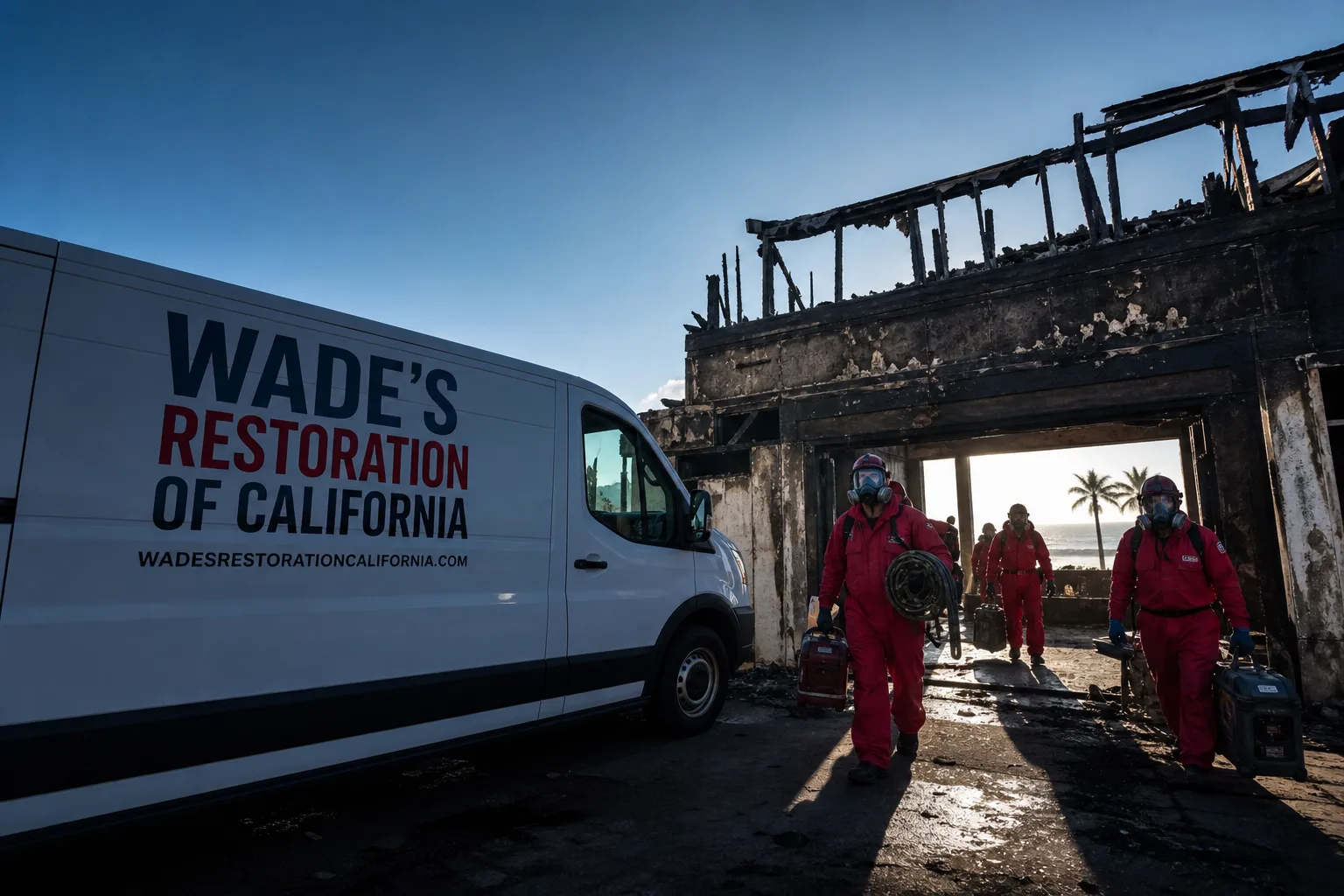
Fast, Reliable Water Damage Restoration Across Covina
Water damage restoration in Covina typically costs $1,800 to $6,500 for a standard Category 1 or Category 2 loss, and emergency extraction can start within 60 to 90 minutes from the time you call. That’s the honest number, and we’ll give you a written scope before any work starts so you’re never surprised. If water is spreading through a single-story ranch or a pre-war Craftsman near Citrus Avenue right now, call (855) 915-0646 and Wade Ferris will answer. He lives this work, and he’ll have extraction equipment on the road to Covina immediately.
Why Wade’s Restoration of California Is Covina’s Preferred Water Damage Restoration Company
Wade Ferris started this company in 2007 and put his name and address on the truck because he intends to run into you at the hardware store on a Saturday. That’s the oldest accountability mechanism there is, and it’s why homeowners in the 91722, 91723, and 91724 ZIP codes keep our number in their phones. Ask anyone on your street. Chances are somebody has already seen Wade’s crew working a home on their block. We’re the locally owned, owner-operated alternative to the national chains that quote one price on the phone and another at your front door.
When you call Covina, we answer. Live person, 24 hours a day. No answering service. No voicemail queue. Wade himself picks up most calls, and he can have extraction equipment running inside the hour because he knows the quickest routes down Badillo Street and Arrow Highway. We carry IICRC certification and RIA affiliation, and our techs use Dri-Eaz, Phoenix, and Injectidry equipment on every Covina job. But the credential that matters most to the homeowner is this: Wade hands you a daily moisture log, every single day, with readings from every affected area. Almost nobody in this trade does that. Your insurance adjuster will appreciate it too, because Wade talks to them directly.
Our Water Damage Restoration Services in Covina
Here’s what we handle most often for Covina homeowners, whether you’re in a 1950s tract home off Covina Boulevard or an older Craftsman near the historic downtown core. Our Water Damage Restoration team covers the full scope of each job from first extraction to final rebuild.
Emergency Water Extraction
When a supply line fails or a water heater gives out in Covina, the water doesn’t wait for business hours. Neither do we. Wade heads out immediately with truck-mounted extraction units and portable extractors sized for Covina’s typical single-story layouts. A standard 1,200 to 1,600 square foot ranch home can usually have standing water removed within two to three hours, depending on how much carpet, pad, and drywall is involved. We’ll have fans and dehumidifiers running before the extraction is even complete.
Structural Drying & Dehumidification
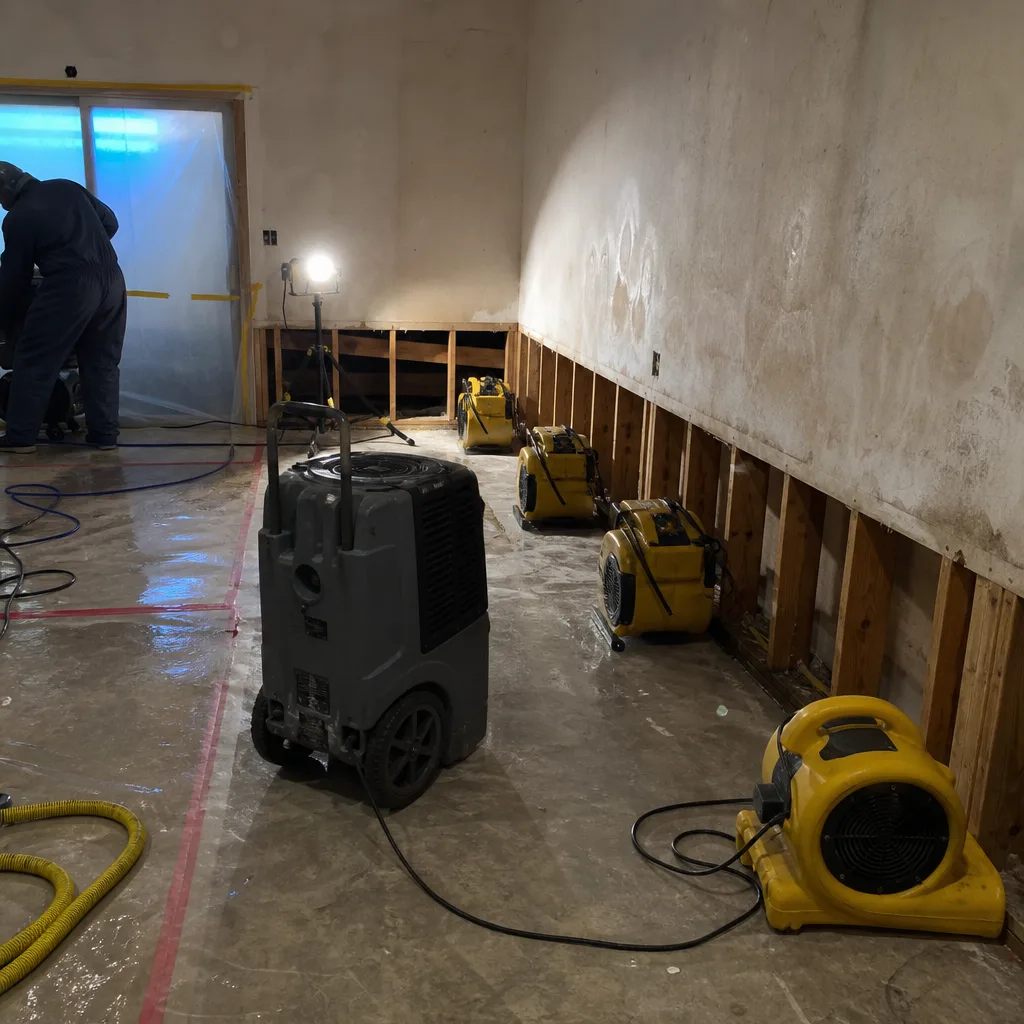
Covina sits in the inland thermal belt where summer temperatures routinely hit 100 to 108 degrees. That sounds like it would help dry things out, but it actually works against you in a specific way: rapid surface drying traps moisture deep inside framing and drywall cavities. We set up Dri-Eaz LGR 7000 dehumidifiers and Injectidry panel systems to force warm, dry air through wall cavities and under post-and-beam framing. The moisture log we hand you records every reading, every day. We don’t call a job dry until the numbers agree with both us and your insurer.
Flood Cleanup
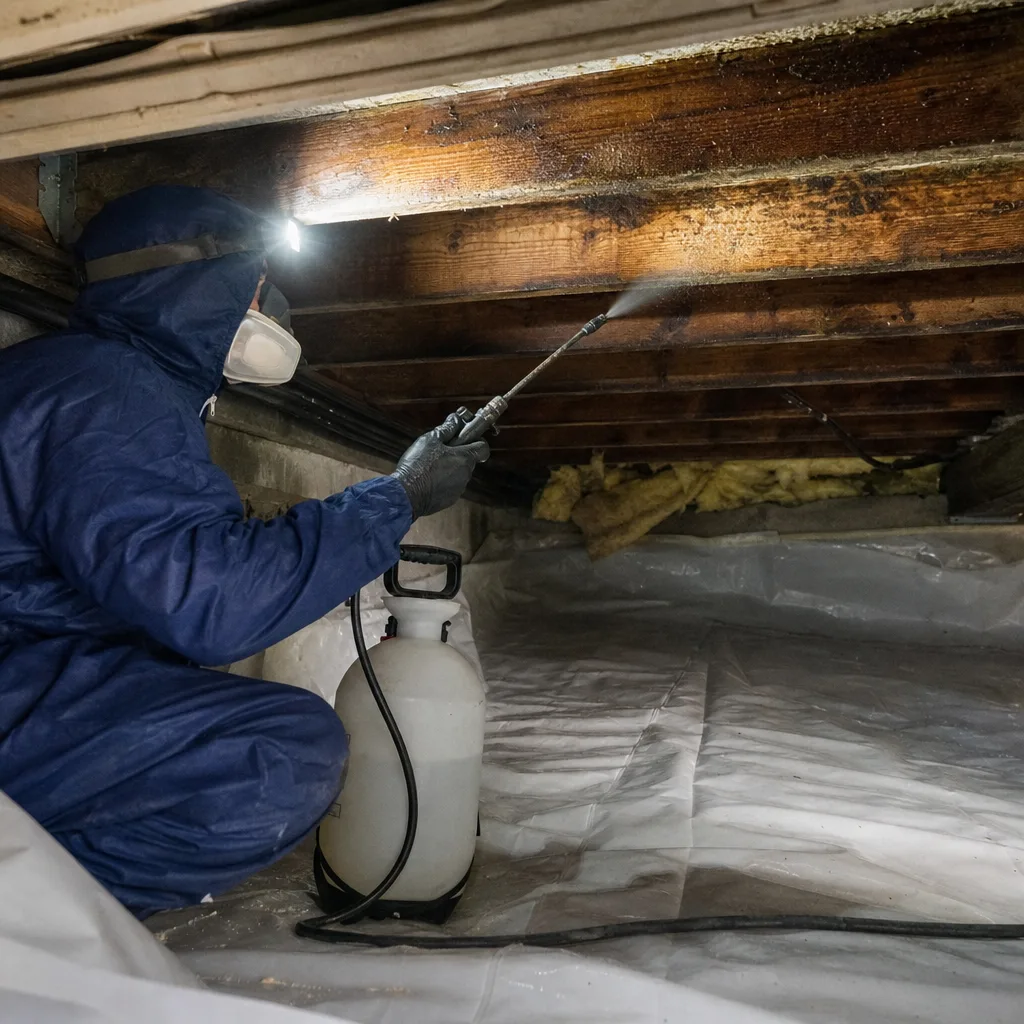
Covina’s position on the alluvial apron of the San Gabriel Mountains means post-wildfire debris flows and flash flooding can surge into residential streets after the first heavy rains. That’s not a scare tactic. It’s geography. When mud and contaminated runoff enter a home, the water is almost always dirty, Category 2 or worse, which is why our Sewage Cleanup - Covina protocols apply. We handle the mud-out, the extraction, the antimicrobial treatment, and the structural drying, and we’ll work with your adjuster on the paperwork from the first phone call.
Burst Pipe Restoration
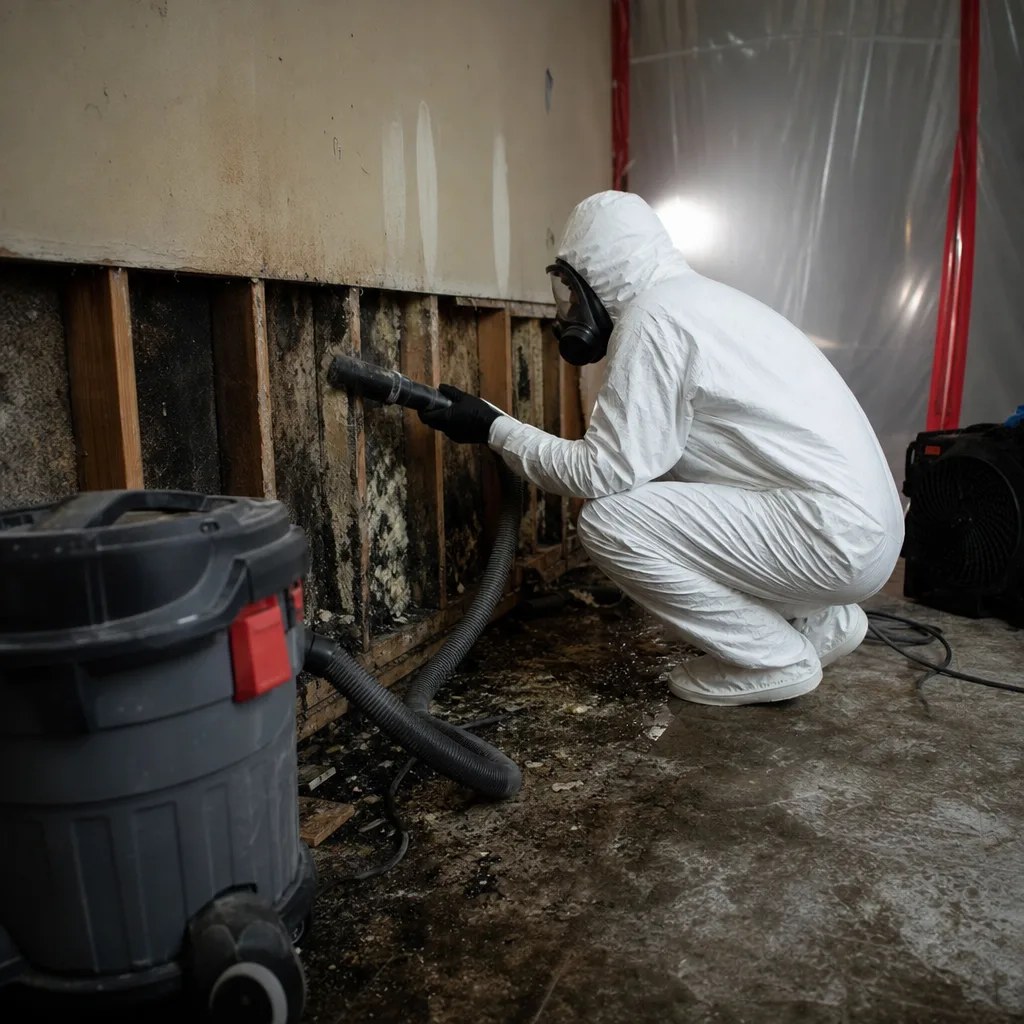
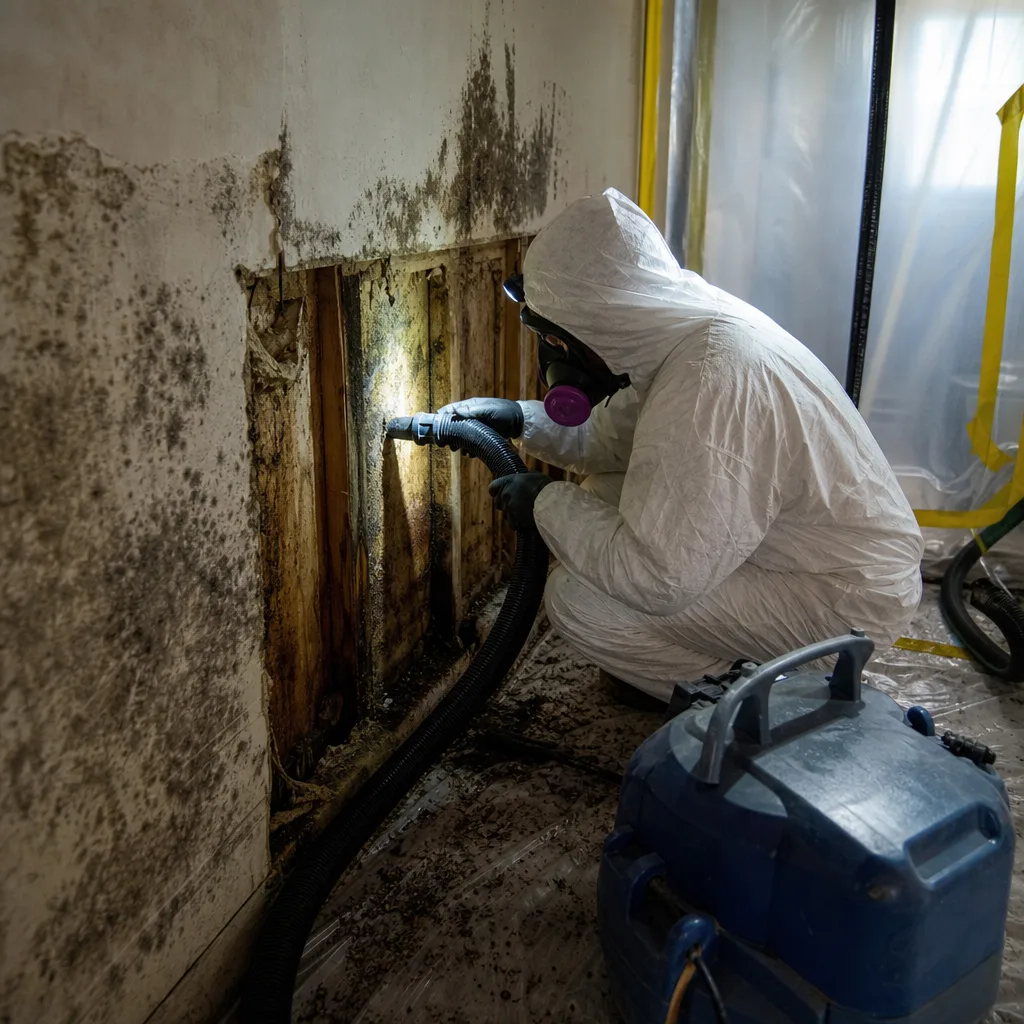
Burst pipes in Covina are often not what they first appear. When we open a wall on a 1955 ranch after a “toilet supply line failure,” we frequently find the real culprit: a corroded galvanized line that has been weeping behind drywall for months or years. That changes the scope from a quick extraction to a full wall-cavity drying and often mold remediation. We’ll show you exactly what we found, document everything with photos, and give you a written scope before any additional work begins. That’s how Wade does business, and it’s why the Covina homeowners we serve don’t get oversold.
What happens when you call
- 1
A real person answersNo phone trees - you reach a local pro.
- 2
You get an upfront price rangeHonest numbers before anyone is dispatched.
- 3
A background-checked tech heads outLicensed & insured, dispatched right away.
- 4
You approve before work beginsNothing starts until you say go.
Common Water Damage Restoration Problems We See in Covina Homes
- Hidden galvanized pipe corrosion: The San Gabriel Valley’s hard, mineral-laden water accelerates interior corrosion on the original galvanized supply lines in Covina’s 1945 to 1970 tract homes. What gets dispatched as an appliance leak is frequently the final breach of a line that’s been weeping behind drywall for years.
- Santa Ana wind-driven rain intrusion: The gap between the Puente Hills and the San Gabriel Mountain front amplifies Santa Ana wind events, driving rain through hairline cracks in stucco and around splitting caulk. The water gets in, the surface dries fast, and the interior moisture problem grows for months before it’s visible.
- Post-fire debris-flow flooding: When heavy rain follows a burn season in the Angeles National Forest above Covina, alluvial fan channels can channel debris-laden floodwater into residential streets. Slab foundations and crawlspaces in the lower-lying southern reaches of the 91723 ZIP are most exposed.
- Slab foundation soil movement: Covina’s dry-wet cycles cause soil expansion and contraction that stresses slab foundations common in the 91722 and 91723 ZIP codes. Hairline slab cracks become water intrusion pathways during heavy rain events, and they’re easy to miss until flooring starts to warp.
Pricing for Water Damage Restoration in Covina, CA
Here are real ranges we see on Covina jobs. Emergency water extraction for a standard single-story home runs $1,200 to $2,800 depending on affected square footage and how much furniture contents need moving. Structural drying and dehumidification typically adds $1,500 to $3,500, especially when wall cavities and post-and-beam framing require Injectidry panels. Flood cleanup with contaminated water starts around $2,500 and goes up from there based on mud-out depth and antimicrobial treatment scope. Burst pipe restoration that includes drywall removal, cavity drying, and rebuild runs $3,000 to $7,500. We offer free estimates, a free second opinion on any written estimate, and a permanent 10% discount for seniors and veterans. No trip charge inside our own county. Call (855) 915-0646 and Wade will put the numbers in writing before any work begins.
Trusted Brands We Service in Covina
We maintain service familiarity with the equipment and materials found across Covina’s 1945 to 1970 housing stock, including the Dri-Eaz, Phoenix, and Injectidry lines we run on every job. Because we’ve worked so many of the same ranch and minimal-traditional floorplans across the 91722 and 91723 ZIP codes, we know which drying configurations work fastest in Covina’s specific post-and-beam and slab-on-grade construction. When we need to match materials during the rebuild phase, we work with local suppliers along Arrow Highway to get the right drywall, baseboard, and flooring stock quickly rather than waiting on a corporate parts pipeline.
We Also Serve Cities Near Covina
Our crews regularly run jobs in Charter Oak just across the eastern edge of Covina, along with Azusa to the north, Citrus to the northeast, and West Covina to the southwest. If you’re in any of these neighboring communities and need water damage restoration, the same live-answer phone and same Wade Ferris applies. We’re usually inside the hour.
Serving Covina, CA - Our Local Coverage Area
We’re based in the Covina area and know this community well. Use the map below to see our service coverage - if you’re nearby, we can almost certainly help.
FAQs - Water Damage Restoration in Covina
The original galvanized steel supply lines installed in Covina’s 1945 to 1970 tract homes corrode faster than those in coastal LA because the San Gabriel Valley’s hard, mineral-laden groundwater blend accelerates interior corrosion. What starts as a pinhole leak inside a wall cavity goes unseen and undiagnosed for years, often until a homeowner opens the wall for an unrelated reason or the line finally breaches fully. Newer coastal homes use copper or PEX supply lines that fail differently, and usually with less hidden soak time. If you suspect a hidden leak in your Covina home, call (855) 915-0646 and we’ll take moisture readings to find it.
Santa Ana winds in Covina get funneled between the Puente Hills and the San Gabriel Mountain front, driving rain horizontally against stucco exteriors and through hairline cracks, split caulk, and old window seals. The wind-driven rain intrudes where gravity-fed rain won’t, and Covina’s hot, dry air dries the exterior surfaces so fast that homeowners never see the water that got inside. By the time interior staining appears, mold colonization is often already advanced. That’s why we use penetrating moisture meters on every Covina job, not just visual inspection.
First, shut off the main water shutoff. Second, call (855) 915-0646 immediately because water on a slab foundation migrates outward in all directions under baseplates and into wall cavities faster than on a raised floor. Covina’s dry-wet cycles have already stressed many slab foundations in the 91722 and 91723 ZIP codes, so a burst supply line can introduce water into existing hairline cracks and make the problem worse than the visible flooding suggests. We’ll extract, then take sub-surface moisture readings to determine whether the slab itself requires drying attention. Don’t wait on this one; call now.
Yes, and it’s not a theoretical one. Covina sits on the alluvial apron of the San Gabriel Mountains, meaning when heavy rain follows a burn season in the Angeles National Forest, debris-laden floodwater can surge down alluvial fan channels and into residential streets, especially in the southern and eastern portions of the 91723 ZIP. The water is typically contaminated with ash, mud, and organic debris, which puts it in a higher contamination class than a clean-water pipe burst. We handle these calls every rainy season, and we coordinate directly with your adjuster on the claim.
Because in Covina’s 1945 to 1970 housing stock, a “new” leak at a fixture or appliance connection is frequently the end stage of a galvanized supply line that has been corroding behind the wall for years thanks to the Valley’s hard water. If we only fix the visible leak without checking the upstream galvanized run, we’d be walking away from a wall cavity that’s already wet and growing mold. Checking costs nothing extra. Finding the real source saves you from a second, bigger job three months later. That’s the straight answer, and it’s how Wade runs every Covina job.
Written by Wade Ferris, Owner at Wade’s Restoration of California, serving Covina since 2007.