
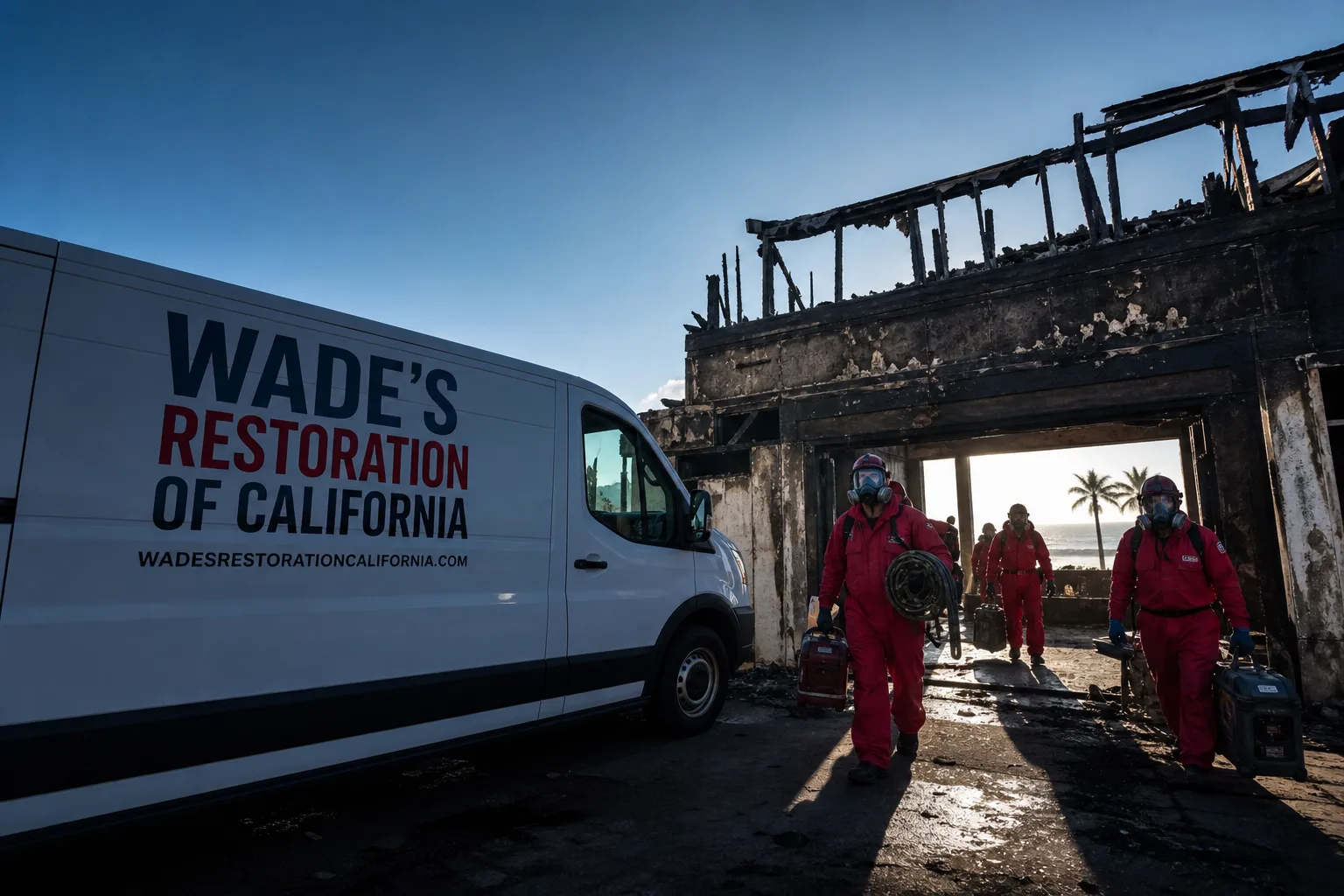
Fast, Reliable Storm & Disaster Restoration Across Covina
Storm damage in Covina moves fast. A cracked roof from Santa Ana wind gusts becomes a soaked ceiling in hours, and a soaked ceiling becomes mold in just a few days. Wade’s Restoration of California gets to Covina homes quickly, with a live person answering the phone 24/7 and crews that know this city’s older tract homes, alluvial fan flooding threats, and the specific ways storms hit the 91722, 91723, and 91724 ZIP codes. Call (855) 915-0646 day or night and Wade himself will likely answer.
Why Wade’s Restoration of California Is Covina’s Preferred Storm & Disaster Restoration Company
Wade Ferris founded this company in 2007 and still runs it like a neighbor, not a corporation. Around Covina, that matters. When a storm blows through at 2 a.m., you do not want a call center in another state routing a stranger to your door. You want someone who knows the difference between a 1958 ranch home near the historic core and a Craftsman bungalow off Citrus Avenue, because those homes fail differently during a storm.
Covina homeowners have told us the same thing for years: they are tired of national outfits that quote one price on the phone and another at the door. Wade publishes his name, address, and license number. He answers his own phone. And his 90-Day Done Right Promise is in writing on every storm restoration job we do in Covina. If it is not done right, Wade makes it right. No fine print.
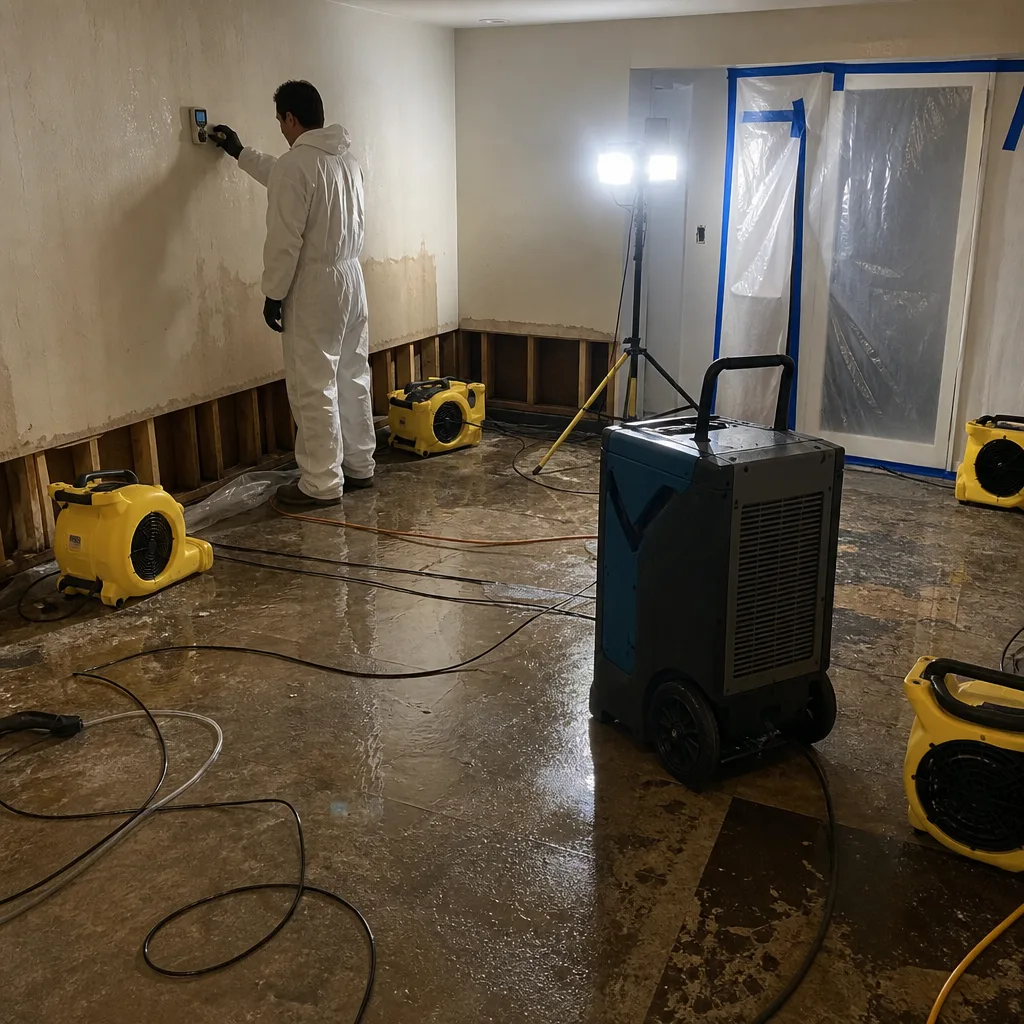
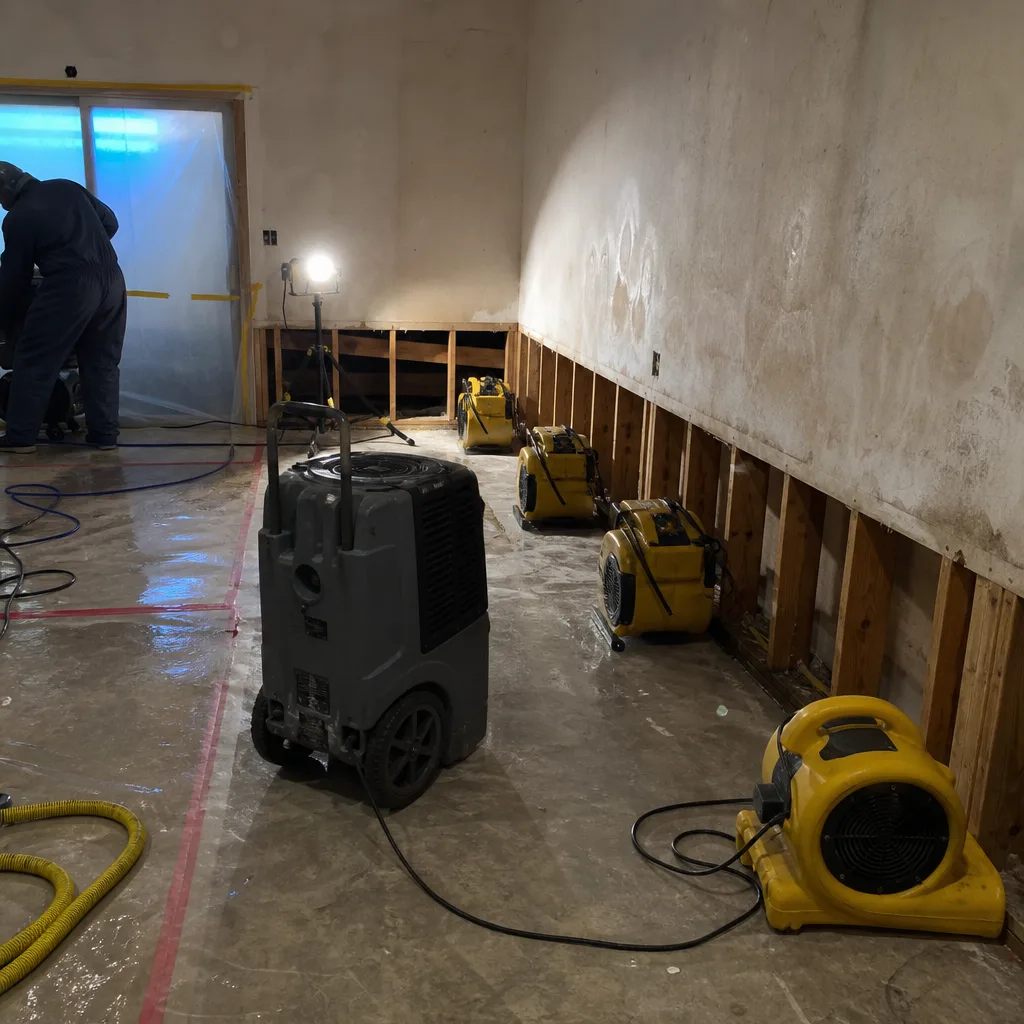
When you call about a flood or storm emergency in Covina, Wade heads out. Not a dispatcher, not a crew you’ve never met. The owner. And he brings professional-grade equipment: Dri-Eaz extractors, Phoenix and B-Air drying systems. We are IICRC-certified, RIA-affiliated, and IFA-recognized, which means the work meets the industry’s highest standards. But around here, the standard that matters most is whether Wade will run into you again at the hardware store on a Saturday. He will. That is the accountability we have operated under since day one.
Our Storm & Disaster Restoration Services in Covina
Storm damage in Covina is not one problem. It is a sequence that starts the moment wind or water breaches your home’s outer layer. Here is how we stop that sequence, starting with the work we do most often in this city.
Roof Tarping
When Santa Ana winds tear through the gap between the Puente Hills and the San Gabriel Mountain front, Covina roofs take the brunt. Shingles lift, flashing bends, and the relentless dry-wet cycles that define this inland thermal belt have already cracked caulk and underlayment long before the storm arrives. We tarp fast, before the next rain turns a roof puncture into a ceiling collapse. Covina’s older tract homes, especially single-story ranch models from the 1950s and 60s, often have post-and-beam or slab foundations with no attic access from inside, which means exterior tarping is the only thing standing between your living room and a second storm.
Emergency Board-Up
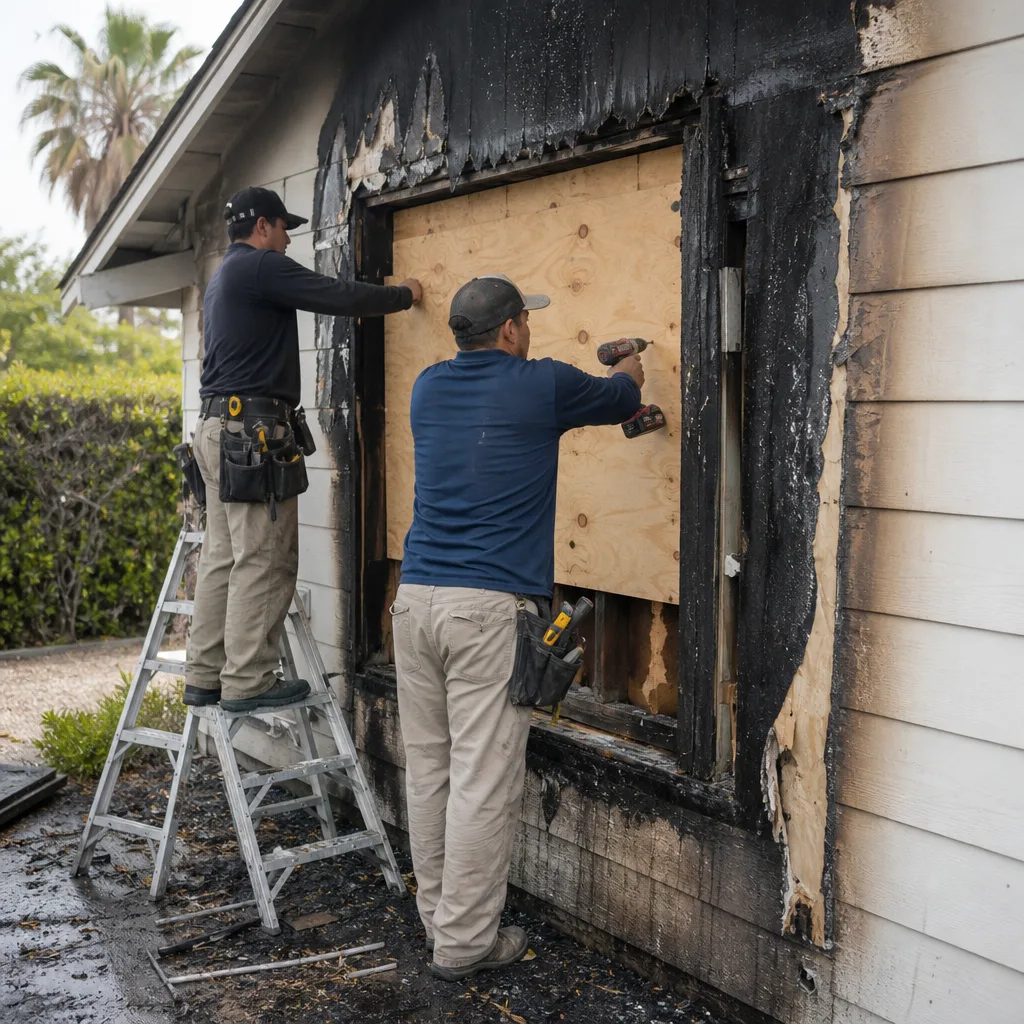
A broken window or a tree limb through a wall leaves your Covina home open to everything: more rain, rodents, and anyone walking by. We board up within hours of your call. For 1945-1970 tract homes in the 91722 ZIP around the historic core, the original single-pane windows shatter differently than modern double-panes, and the trim profiles do not accept standard board-up brackets. We carry the hardware that actually fits these older homes, because we have done enough board-ups in Covina to know what works.
Storm Damage Cleanup
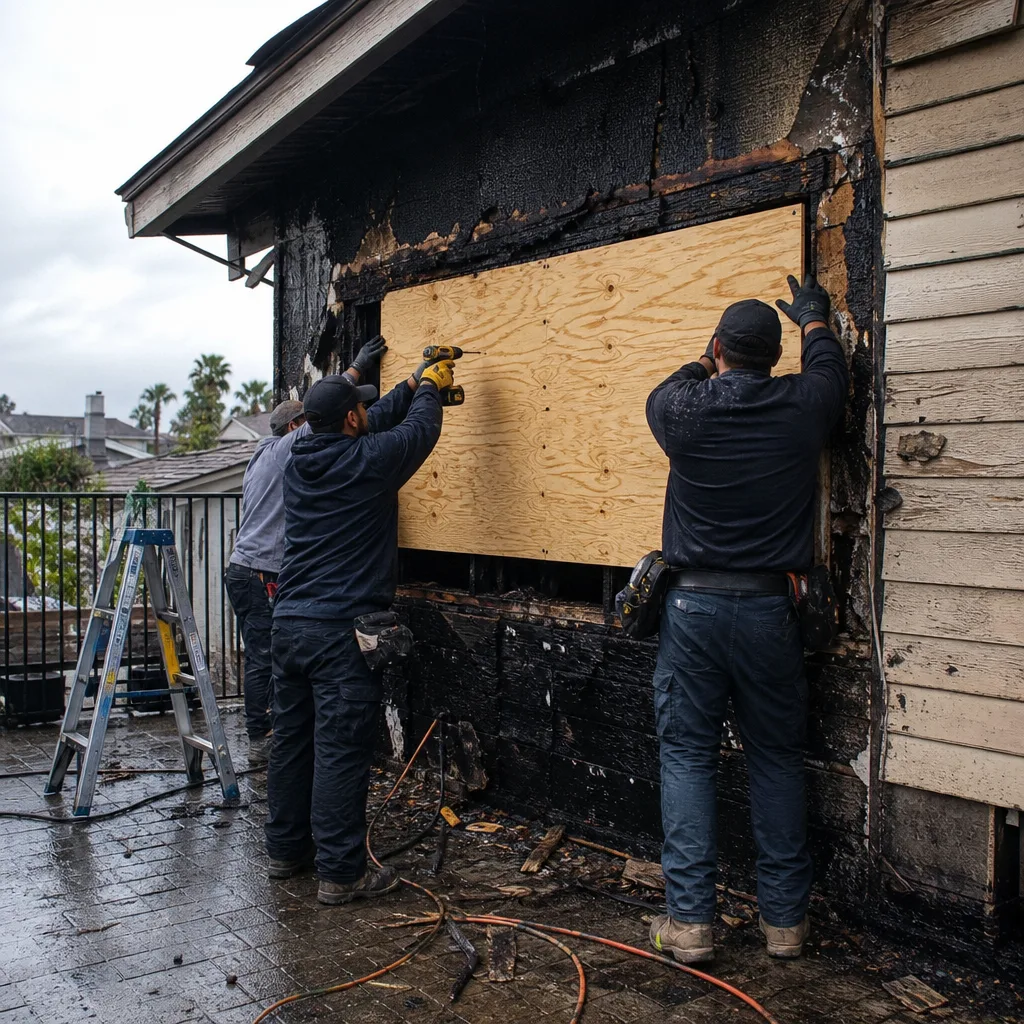
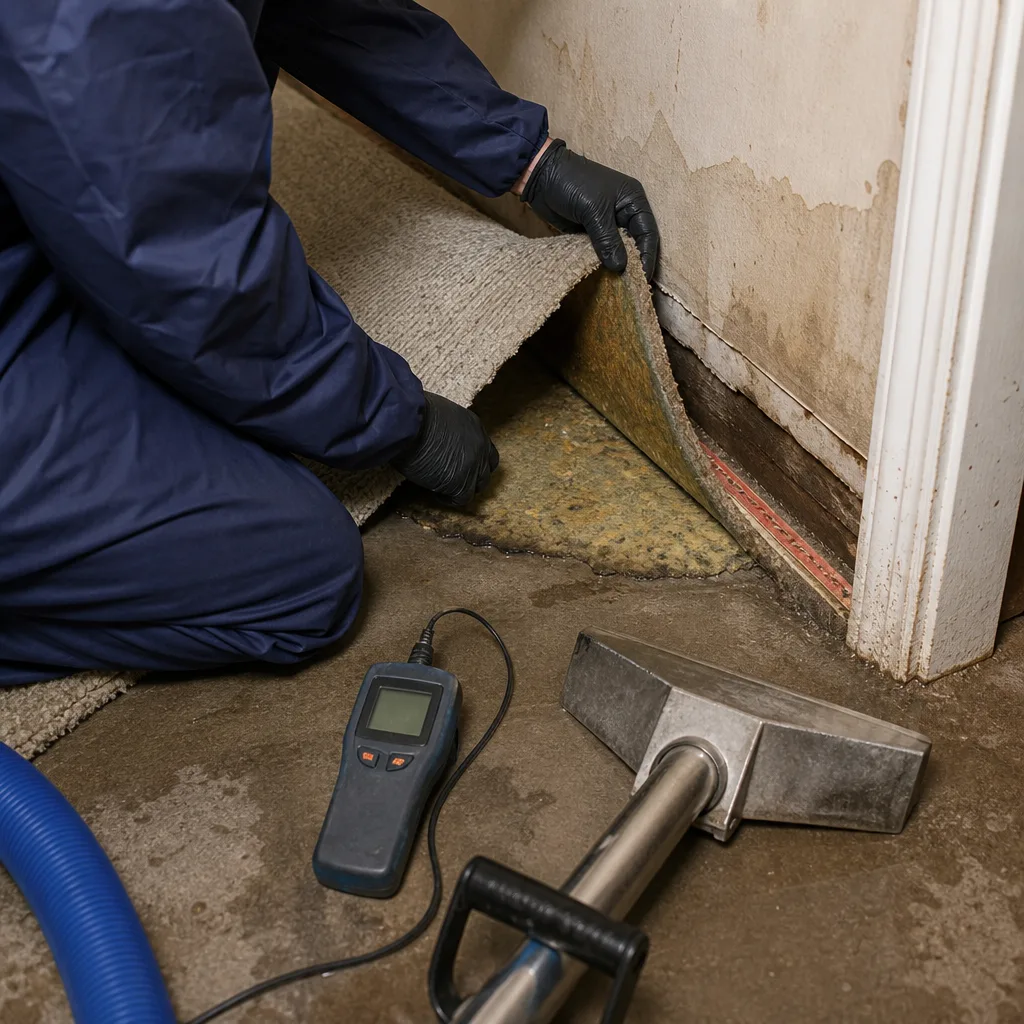
After the wind dies down and the water recedes, you are left with soaked carpet, waterlogged drywall, and debris strewn across the property. We extract standing water, remove damaged material, and dry the structure properly. In Covina’s older homes, that means checking for water that traveled behind the original plaster and into wall cavities. The galvanized supply lines common in these houses often fail during a flooding event, and what looks like a simple storm cleanup is actually the beginning of a hidden leak that will turn into a Class 3 mold job if it is not caught. We check.
Debris Removal
Storm debris in Covina is not just tree branches. After heavy rain on the recently burned slopes above the city, debris flows can carry mud, rocks, and fire-scorched material down the alluvial fan channels and into lower-lying residential neighborhoods. We remove all of it, including contaminated material from post-fire runoff, and we document everything with photos for your insurance claim.
Wind Damage Repair
Covina sits in a wind corridor. The gap between the Puente Hills and the San Gabriel range funnels Santa Ana winds through this part of the San Gabriel Valley with enough force to lift patio roofs, tear siding from 1960s tract homes, and snap fence posts. We repair the exterior damage first so the home is protected, then we address the water intrusion that almost always follows wind damage. In Covina, wind and water are rarely separate problems.
Flood Damage Restoration
Covina’s position on the alluvial apron of the San Gabriel Mountains makes post-wildfire flash flooding a real, recurring threat. When a nearby mountain burn season is followed by heavy rain, debris flows can surge down the fan channels and overwhelm storm drains quickly. Slab-foundation ranch homes in lower-lying 91722 neighborhoods are particularly vulnerable. Our flood restoration work in Covina includes extraction, structural drying, and full documentation for your insurance adjuster, because we know flood claims in this city often involve both storm water and mudline contamination.
What happens when you call
- 1
A real person answersNo phone trees - you reach a local pro.
- 2
You get an upfront price rangeHonest numbers before anyone is dispatched.
- 3
A background-checked tech heads outLicensed & insured, dispatched right away.
- 4
You approve before work beginsNothing starts until you say go.
Trusted Brands We Service in Covina
We are not tied to any single equipment manufacturer, which means we bring the best tool for the job. Our drying and extraction equipment comes from Dri-Eaz and Phoenix, the two names trusted by restoration professionals nationwide. Our certifications through IICRC, RIA, and IFA mean we follow their standards and their training. For Covina homeowners, that translates to equipment that actually dries your post-and-beam framing and slab foundation, not just the surface. We keep our gear maintained and our stock of common Covina repair materials replenished, so we are not waiting on parts when your home is open to the elements.
Common Storm & Disaster Restoration Problems We See in Covina Homes
- Santa Ana wind gusts accelerating roof and caulk failure: The funnel effect between the Puente Hills and the San Gabriel Mountain front sends gusts through Covina that crack roofing materials and split caulk lines. Water then finds those pathways and sits inside wall cavities, undetected until interior mold colonization is advanced.
- Post-wildfire debris flows overwhelming storm drains: Covina’s alluvial fan position means that after a mountain burn season, the first heavy rains turn dry channels into mud and rock flow paths. Lower-lying slab-foundation ranch homes in the 91722 ZIP take the hit first, often with only minutes of warning.
- Galvanized supply line ruptures during flooding events: Covina’s hard groundwater-blended water supply accelerates corrosion in the original galvanized steel lines common in 1945-1970 tract homes. A flood event adds hydraulic pressure to already-thin pipe walls, and suddenly a Category 1 storm loss becomes a Class 3 mold job once walls are opened.
- Rapid moisture-to-desiccation cycles hidden by Covina’s summer heat: Summer temperatures in this inland thermal belt routinely reach 100-108°F, which dries surfaces quickly and can fool homeowners into thinking a leak stopped. The moisture is still inside the walls, and the heat is actually accelerating mold growth in the cavity where you cannot see it.
Pricing for Storm & Disaster Restoration in Covina, CA
Here is what we actually see in Covina. Roof tarping on a typical single-story ranch home runs $250-$600 depending on roof pitch and how much tarp is needed. Emergency board-up for a standard window or door runs $150-$400 per opening. Storm debris removal on a Covina lot with moderate wind damage runs $350-$1,200. Flood water extraction and structural drying after a slab-foundation intrusion runs $1,800-$5,000 depending on square footage and how far water traveled. Full storm damage restoration with drywall replacement and interior rebuild work in a 1,200-square-foot Covina home typically lands between $6,000 and $18,000. We offer a free estimate on every job and a permanent 10% discount for seniors and veterans in Covina. Call (855) 915-0646 and we will give you a written scope before any work starts.
We Also Serve Cities Near Covina
Our Storm & Disaster Restoration crews cover Covina and the surrounding communities every day, including Covina, Charter Oak, Azusa, Citrus, and West Covina. If you are in one of those neighboring areas and storm damage just hit, call us and Wade will head your way.
Serving Covina, CA - Our Local Coverage Area
We’re based in the Covina area and know this community well. Use the map below to see our service coverage - if you’re nearby, we can almost certainly help.
FAQs - Storm & Disaster Restoration in Covina
Santa Ana winds hit Covina through the gap between the Puente Hills and the San Gabriel Mountain front, funneling gusts that crack roofing, split caulk, and tear at siding far more aggressively than in surrounding areas. In 1945-1970 tract homes, the original building materials have already been through decades of these wind cycles, so the failure points are established and waiting. We see roofs lift, water find those openings, and hidden moisture become a mold problem weeks later. Call (855) 915-0646 for a free inspection after any significant wind event.
Covina sits on the alluvial apron of the San Gabriel Mountains, meaning channels that are dry most of the year become debris-flow paths when heavy rain follows a burn season. Scorched soil cannot absorb water, so mud, rock, and ash surge down onto residential streets, overwhelming storm drains and flooding lower-lying slab-foundation neighborhoods in the 91722 ZIP. This is a Covina-specific threat that coastal LA cities do not face. If a mountain burn has occurred above Covina and heavy rain is forecast, call us to discuss pre-storm protection.
The original galvanized supply lines in Covina’s mid-century tract homes are corroding from the inside out due to the hard, mineral-laden San Gabriel Valley groundwater-blended water. A storm event adds hydraulic pressure to these already-thin pipe walls, and a rupture occurs behind drywall where it goes unnoticed. By the time a homeowner sees staining or smells must, the hidden moisture has often been active for weeks or months. Our crew takes moisture readings every single day during restoration and hands you the full log at the end of the job.
For slab-foundation ranch homes in Covina, prioritize tarping and board-up first, then water extraction, then structural drying. Why: the post-and-beam construction and slab foundations common in these 1945-1970 tract homes trap water differently than crawlspace homes, and interior access is limited. Exterior protection stops additional water from entering while extraction addresses what is already inside. We respond to Covina calls with extraction equipment running inside the hour, day or night.
Yes, because Covina’s summer heat dries surfaces quickly and hides the moisture that is still trapped inside wall cavities. Homeowners see a dry-looking wall and assume the leak stopped. Meanwhile, the heat is accelerating mold growth inside the cavity. That is why a storm event in July that seems like a minor leak can become a serious mold problem by August if the structure is not properly dried. Our Phoenix and B-Air drying systems are built for exactly this climate reality.
Written by Wade Ferris, Owner at Wade’s Restoration of California, serving Covina since 2007.