
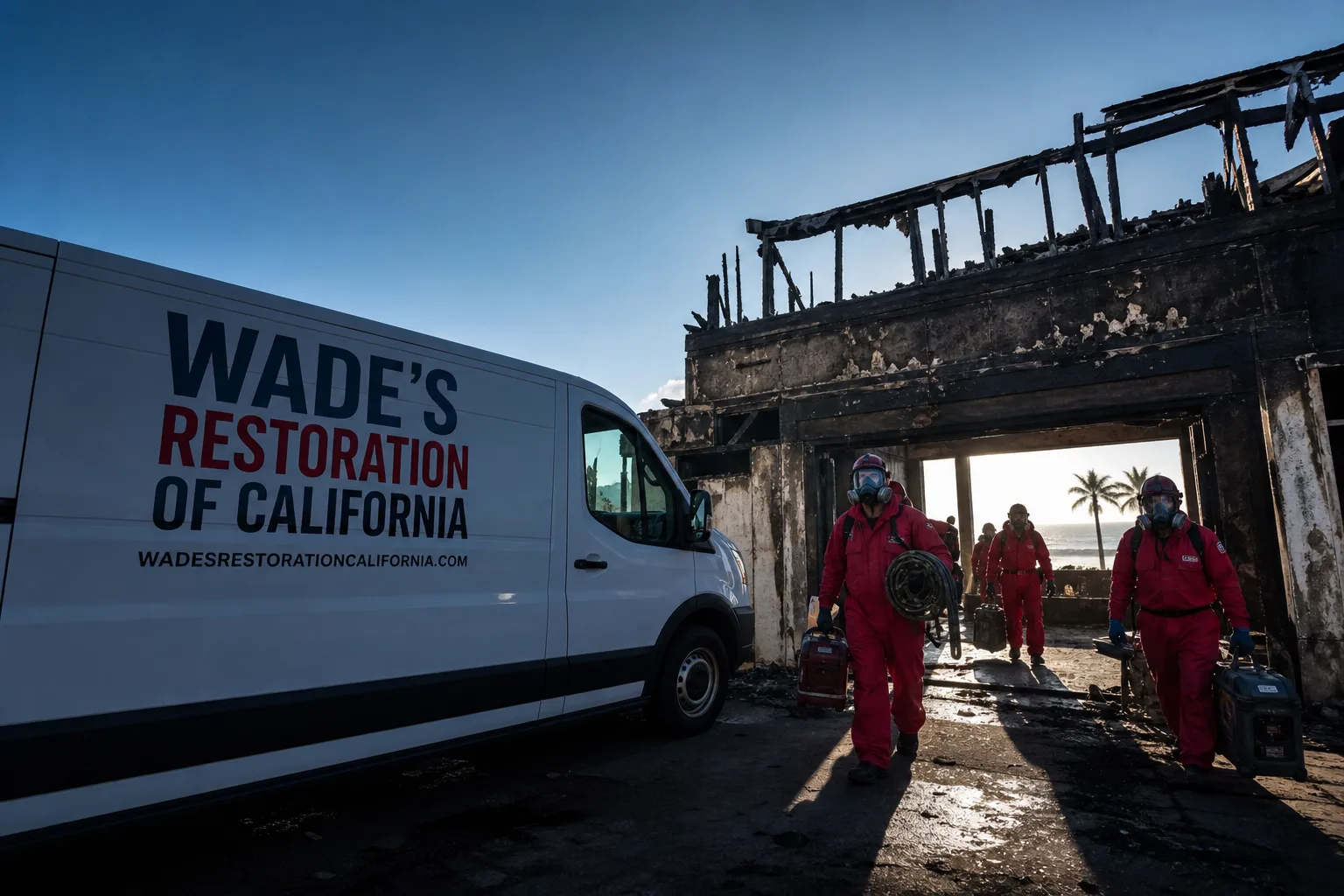
Fast, Reliable Mold Remediation Across Signal Hill
Mold remediation in Signal Hill runs $1,800 to $6,500 for most condo and townhome jobs, with crawl space treatments typically landing between $2,200 and $4,800. Most Signal Hill projects finish in two to four days. That’s the honest range, and it reflects the work we actually do here: containment, removal of affected drywall and insulation, crawl space sealing, and air scrubbing with professional-grade equipment.
If you’ve found mold in your Signal Hill home, call us at (855) 915-0646. Wade Ferris answers his own phone, and he’ll talk you through what you’re seeing before anyone schedules a visit. You won’t reach a call center. You’ll reach the owner.
What makes Signal Hill different from Long Beach or Lakewood is what’s under your feet. We’ll get to that, because it changes how mold should be handled here. First, the overview.
Why Wade’s Restoration of California Is Signal Hill’s Preferred Mold Remediation Company
Ask anyone on your street who’s dealt with water or mold damage in a 1970s condo complex off Cherry Avenue or a hillside townhome near Skyline Drive. Wade’s name comes up. He’s been doing restoration work since 2007, and he still shows up to job sites himself, not just a crew you’ve never met before. In Signal Hill, where so many homes share walls and foundations, that matters. Wade knows the buildings here, the HOAs, and the subsidence issues that make this city’s mold problems different.
Every job gets written documentation: daily moisture readings, before-and-after photos, and a full log you keep at the end. That’s not standard in this trade. Most companies take a reading on day one and day last. Wade takes readings every single day and hands you the log. If your insurance adjuster questions a claim, you have the paperwork to back it up.
Wade also deals with your adjuster directly. You won’t be the one relaying information between two sides. For Signal Hill homeowners, where shared-wall condo claims often involve multiple units and multiple policies, that’s a big deal. One call brings Wade back if anything isn’t done right. That’s the 90-Day Done Right Promise, and it’s in writing on every mold job we do.
When you call, a live person answers. Around the clock. If there’s water actively feeding mold growth in your Signal Hill home, Wade heads out. He can have extraction running inside the hour.
Our Mold Remediation Services in Signal Hill
We handle the full scope of Mold Remediation work in Signal Hill, from initial testing through final air clearance. But given what we see in this city’s housing stock, three services matter more here than anywhere else we work.
Mold Inspection & Testing
In Signal Hill, a mold inspection isn’t just about finding spores. It’s about figuring out why the moisture is there in the first place. We test surfaces and air, but we also check what’s happening below and around your unit. In a condo off Cherry Avenue or Willow Street, the source might be a neighbor’s slow leak migrating across a shared wall. In a ground-floor unit, it might be condensation from a cool slab sitting over soil that’s been shifting for decades. You need to know the source before anyone removes anything.
Mold Removal
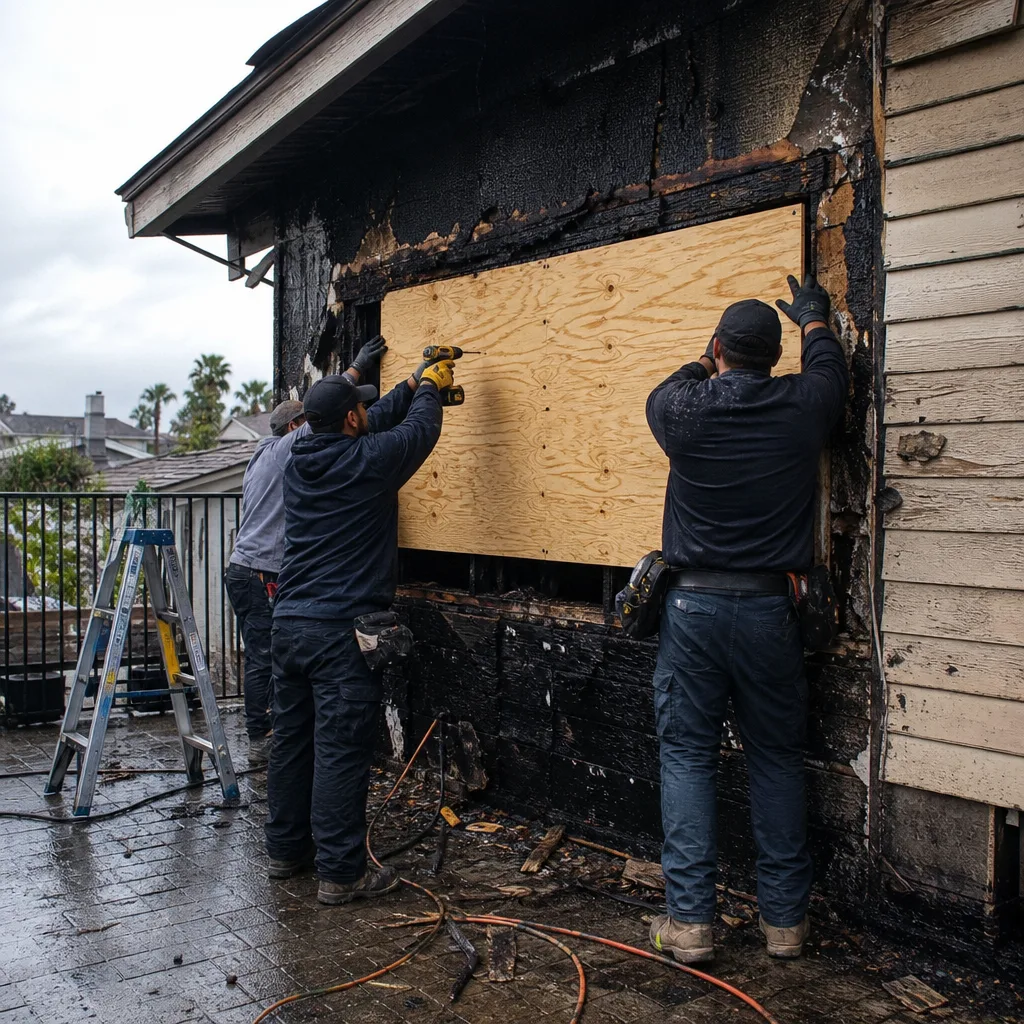
Once we know the source, removal follows a strict containment protocol: negative air pressure, HEPA filtering, and sealed work zones so spores don’t spread to adjoining units. In Signal Hill’s attached townhomes, that containment step matters more than in a detached single-family house in Lakewood. Cross-contamination isn’t theoretical here. We’ve seen it happen when someone tried to save money with a handyman and a bucket of bleach.
Black Mold Remediation
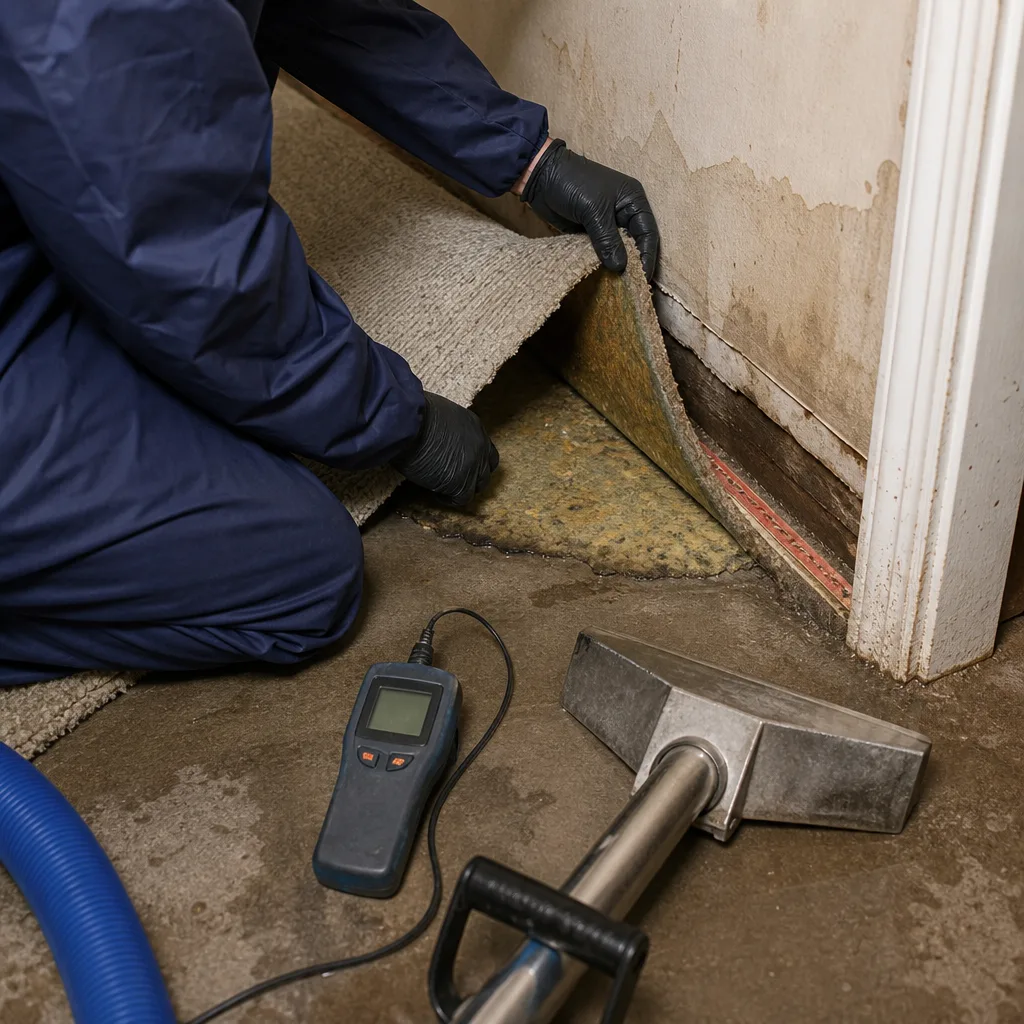
Black mold, or Stachybotrys, shows up where moisture has been sitting for weeks or months. In Signal Hill, that’s often behind baseboards in ground-level units, in crawl spaces where venting is poor, or in the corner of a shared wall where a roof leak went unnoticed. This is the work where you don’t cut corners. We isolate the area, remove affected materials, treat the framing, and clear the air before we call it done.
Air Quality Restoration
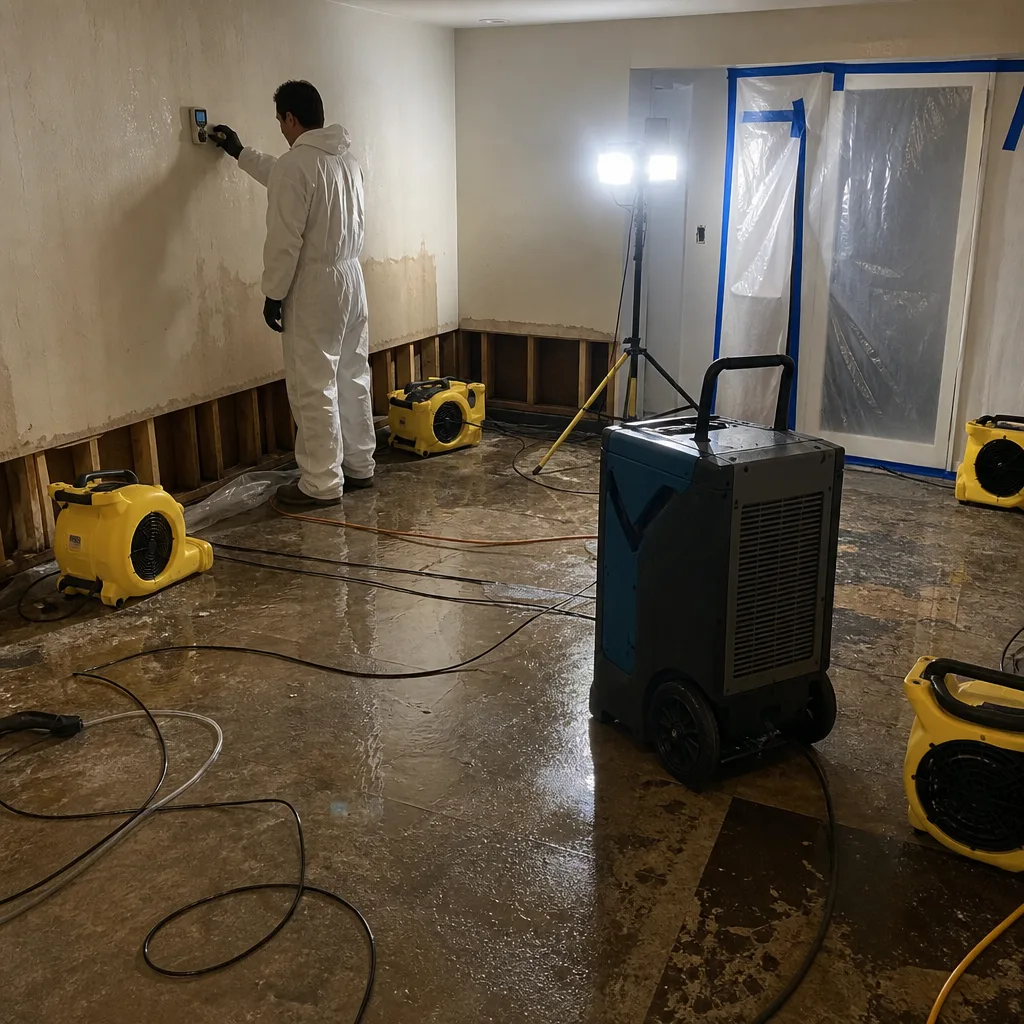
After any mold job, the air inside your home should be cleaner than it was before. We run HEPA air scrubbers throughout the project and conduct post-remediation air sampling to confirm spore counts are back to normal background levels for Signal Hill’s environment. That’s important here because the hill’s exposure to Santa Ana wind events can carry dust and particulate through old window seals and vent openings, and a compromised HVAC system in a 1970s condo complex distributes whatever it picks up through every room.
What happens when you call
- 1
A real person answersNo phone trees - you reach a local pro.
- 2
You get an upfront price rangeHonest numbers before anyone is dispatched.
- 3
A background-checked tech heads outLicensed & insured, dispatched right away.
- 4
You approve before work beginsNothing starts until you say go.
Trusted Brands We Service in Signal Hill
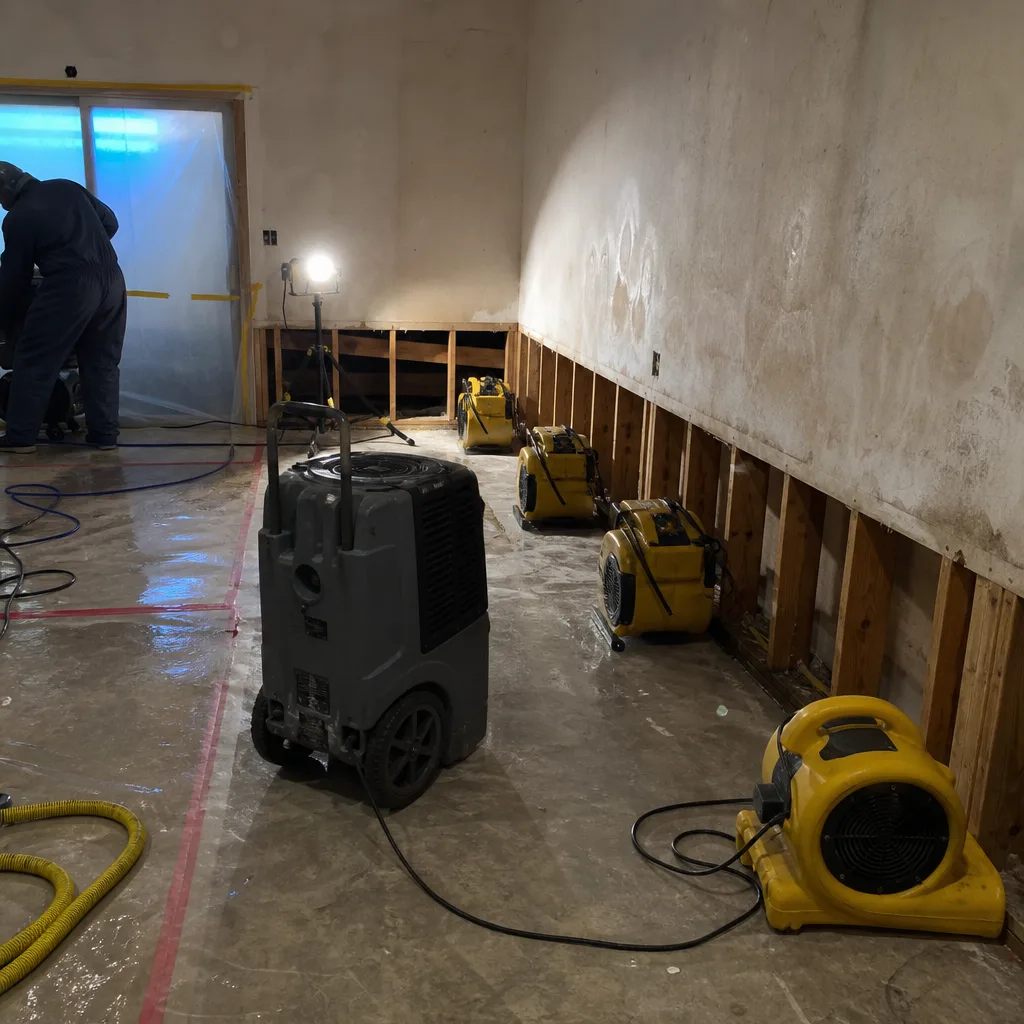
We run Dri-Eaz dehumidifiers, Phoenix axial air movers, and XPOWER air scrubbers on Signal Hill jobs. These are the same professional-grade units used by IICRC-certified firms nationwide, and they’re built for the kind of tight crawl spaces and shared-wall construction we routinely encounter in this area.
Common Mold Remediation Problems We See in Signal Hill Homes
- Sub-slab moisture from oil-field subsidence. Ground-floor condos in Signal Hill often sit on slabs that cracked decades ago as the underlying soil settled from legacy petroleum extraction. Moisture wicks up through those cracks, feeds mold at the base of walls, and keeps coming back no matter how many times you clean the surface.
- Shared-wall moisture migration. In attached townhomes and condo buildings, a plumbing leak or roof problem in one unit sends moisture into the neighboring unit’s wall cavity. Mold grows behind your drywall, but the source isn’t yours. This requires HOA coordination and multi-unit scoping, which is part of what we handle here regularly.
- Condensation on cool slabs in lower-level units. Signal Hill’s hilltop location means ground-floor units have different temperature and humidity dynamics than upper floors. Warm air hits a cool slab, condensation forms, and the area under carpeting or behind stored boxes stays damp for months. That’s a humidity control problem, not a leak, and treating it as a leak wastes your money.
- Methane-zone restricted work. Any mold remediation in Signal Hill that requires opening a sub-slab area triggers methane migration zone requirements under city and county rules. If your contractor doesn’t test for methane before opening things up, the job can stop mid-project. We handle this documentation as part of our standard process for this area.
Pricing for Mold Remediation in Signal Hill, CA
For a typical Signal Hill condo or townhome, here’s what you’re looking at:
- Mold inspection with air and surface sampling: $350-$650
- Containment and mold removal in a single room or closet: $1,800-$3,200
- Crawl space treatment with vapor barrier and dehumidification: $2,200-$4,800
- Black mold remediation with full containment and air clearance: $3,500-$6,500
- Post-remediation air quality testing: $250-$500
Cost is driven by square footage of affected material, whether sub-slab or crawl space work is needed, and how many rooms share the affected area. We’re happy to do a free second opinion on any written estimate you already have. We also offer a Senior & Veteran discount of 10% on every job, always. Call (855) 915-0646 and we’ll give you a straight answer on what your situation will likely cost.
We Also Serve Cities Near Signal Hill
Our crews work throughout the surrounding area and know the mold challenges that hit Long Beach, Lakewood, Carson, and Hawaiian Gardens just as well as Signal Hill. We’re actively serving Signal Hill and these neighboring communities with the same owner-operated approach and equipment.
Serving Signal Hill, CA - Our Local Coverage Area
We’re based in the Signal Hill area and know this community well. Use the map below to see our service coverage - if you’re nearby, we can almost certainly help.
FAQs - Mold Remediation in Signal Hill
Yes, they can. Any mold remediation that requires sub-slab or excavation work in Signal Hill falls under methane migration zone requirements because the city sits atop a historically active oil field. We take a methane reading before any below-grade work starts and submit the required documentation to the city. The process usually adds one to three days to a crawl space or sub-slab job.
The short answer: you usually can’t tell by looking. Cracks from long-term soil settlement tend to be wider at one end, uneven across the slab, and follow the same line as neighboring units’ cracks. Moisture-related cracking tends to be accompanied by efflorescence, damp spots, or visible mold at the crack face. We document existing cracks before starting any mold cleanup so your restoration claim doesn’t absorb pre-existing damage. Call (855) 915-0646 and we’ll assess it directly.
Because the moisture source hasn’t been eliminated. In Signal Hill’s older condos built on former oil lease parcels, the most common overlooked source is slab moisture wicking up through cracks from subsiding soil beneath the building. Cleaning the surface doesn’t stop the water. You need a vapor barrier, humidity control, and sometimes slab sealing. If mold returns within a year of being cleaned, the source was never addressed.
Yes. Mold spores move through wall cavities, floor joists, and shared attic spaces in attached housing. In a townhome with a shared wall, a mold problem in your neighbor’s unit can become a mold problem in yours within weeks. Our containment protocols and air scrubbing are designed for shared-wall construction, and we coordinate with HOAs and adjacent owners when we work in Signal Hill’s multi-unit buildings.
Yes, especially for properties on the downslope side. The hill’s steep perimeter concentrates stormwater runoff at the base after heavy rains, and downslope units often inherit drainage problems from upslope neighbors. That persistent soil moisture around foundations feeds mold growth in ground-level rooms and crawl spaces. If you’re on the slope, watch for damp baseboards and musty smells after rain. Call (855) 915-0646 and we’ll help you figure out whether it’s a drainage issue or something else.
Written by Wade Ferris, Owner at Wade’s Restoration of California, serving Signal Hill and surrounding communities since 2007.