
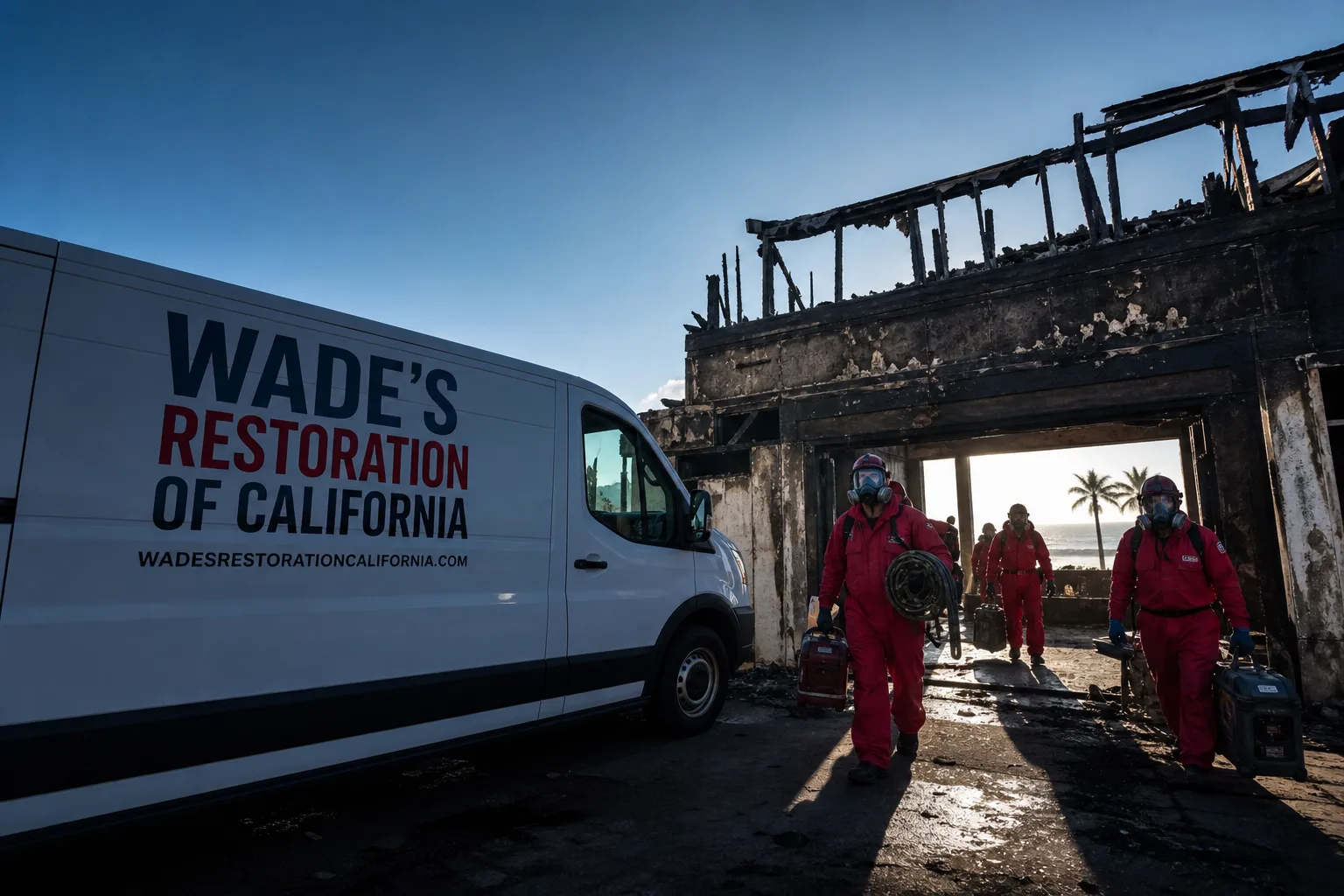
Fast, Reliable Fire & Smoke Damage Restoration Across Palo Alto
Fire damage in Palo Alto moves fast, and so do we. Smoke keeps working its way into walls, ducts, and framing for days after the flames are out, so the first call you make matters. Wade’s Restoration of California has crews based near Palo Alto, and Wade Ferris answers his own phone at (855) 915-0646, day or night. We know the older homes here, the Stanford land-lease rules, and what it actually takes to get a house livable again without months of back-and-forth.
If you’re standing in a smoke-filled living room right now, skip the research. Call us. Wade will walk you through the first hour while the crew heads your way.
Why Wade’s Restoration of California Is Palo Alto’s Preferred Fire & Smoke Damage Restoration Company
Wade Ferris started this company in 2007 because he got tired of watching national chains quote one number on the phone and a different one at the door. He publishes his name, his address, and his license number. Ask anyone on your street; the owner’s name is on the truck, and he’s going to run into you at the farmers market on California Avenue next Saturday. That’s the oldest accountability mechanism there is.
Our Fire & Smoke Damage Restoration team carries IICRC, RIA, and IFA credentials and runs professional-grade equipment from Dri-Eaz and Phoenix. Every job comes with the 90-Day Done Right Promise in writing: if it’s not done right, Wade makes it right. And unlike the franchises, Wade deals with your insurance adjuster directly. You’re not the one relaying messages between two sides.
Homeowners in Old Palo Alto, Professorville, and the Midtown and Barron Park neighborhoods of 94306 and 94303 call us because we show up fast and we don’t oversell. You get a written scope before any work starts. No surprises at the end.
Our Fire & Smoke Damage Restoration Services in Palo Alto
Smoke & Soot Removal
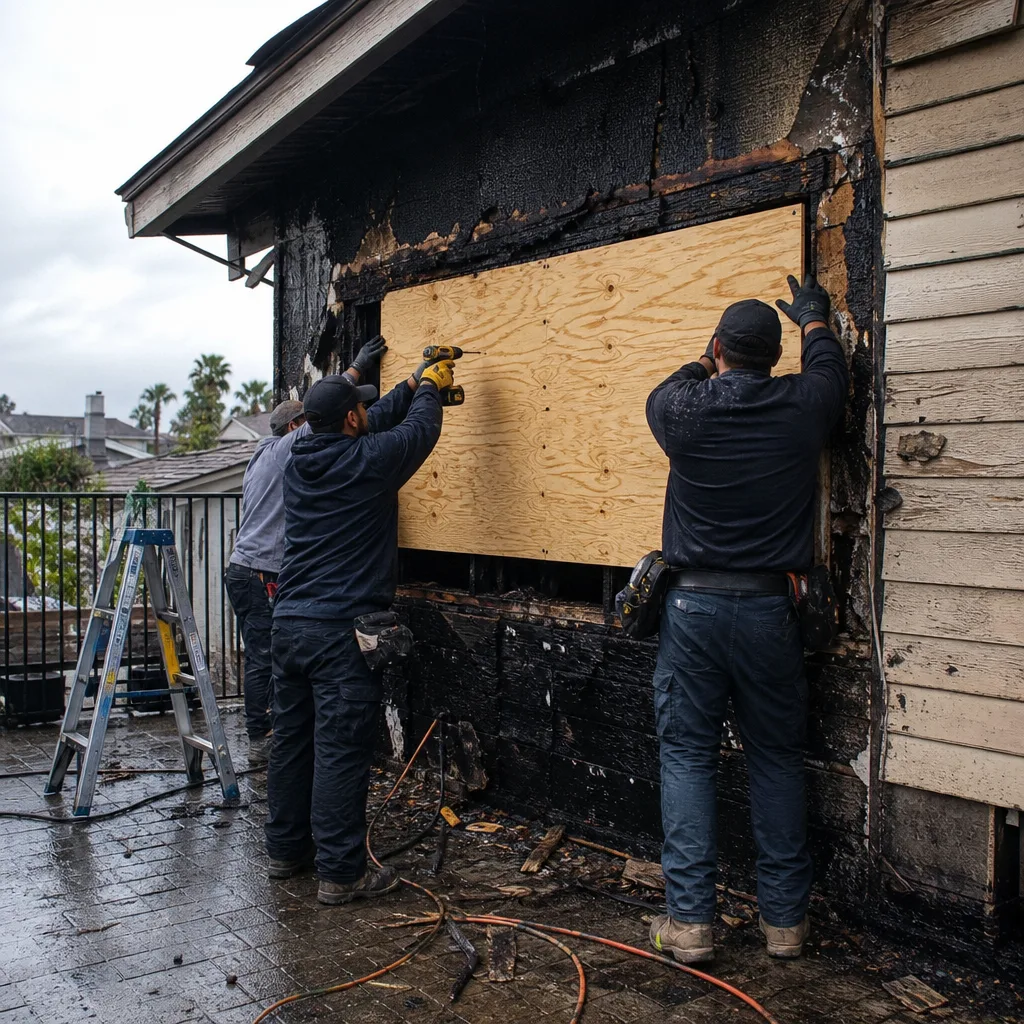
Soot is acidic. Left on surfaces inside a Palo Alto home for even 72 hours, it etches glass, corrodes metal fixtures, and permanently stains painted wood. In the pre-1930 Craftsman bungalows around Professorville and Old Palo Alto, smoke travels through balloon-framed wall cavities that run from the basement to the attic with no fire blocking, so we routinely find soot two floors above where the fire actually started. We don’t just wipe surfaces. We scope the cavities, test what’s inside the walls, and pull what needs pulling.
Odor Removal & Deodorization
Smoke odor in a newer sheetrock home can usually be knocked down with thermal fogging and ozone treatment. Old Palo Alto is different. The original redwood framing behind those plaster walls is dense and resinous. It holds smoke molecules deep in the wood fibers and releases them slowly over weeks or months. Homeowners who hire a crew that runs standard protocols end up with a “cleaned” house that still smells like the fire every time the heat kicks on. We use hydroxyl generators and extended chemical treatment on redwood framing specifically because we’ve learned what actually gets the smell out of century-old wood.
Structural Fire Repair
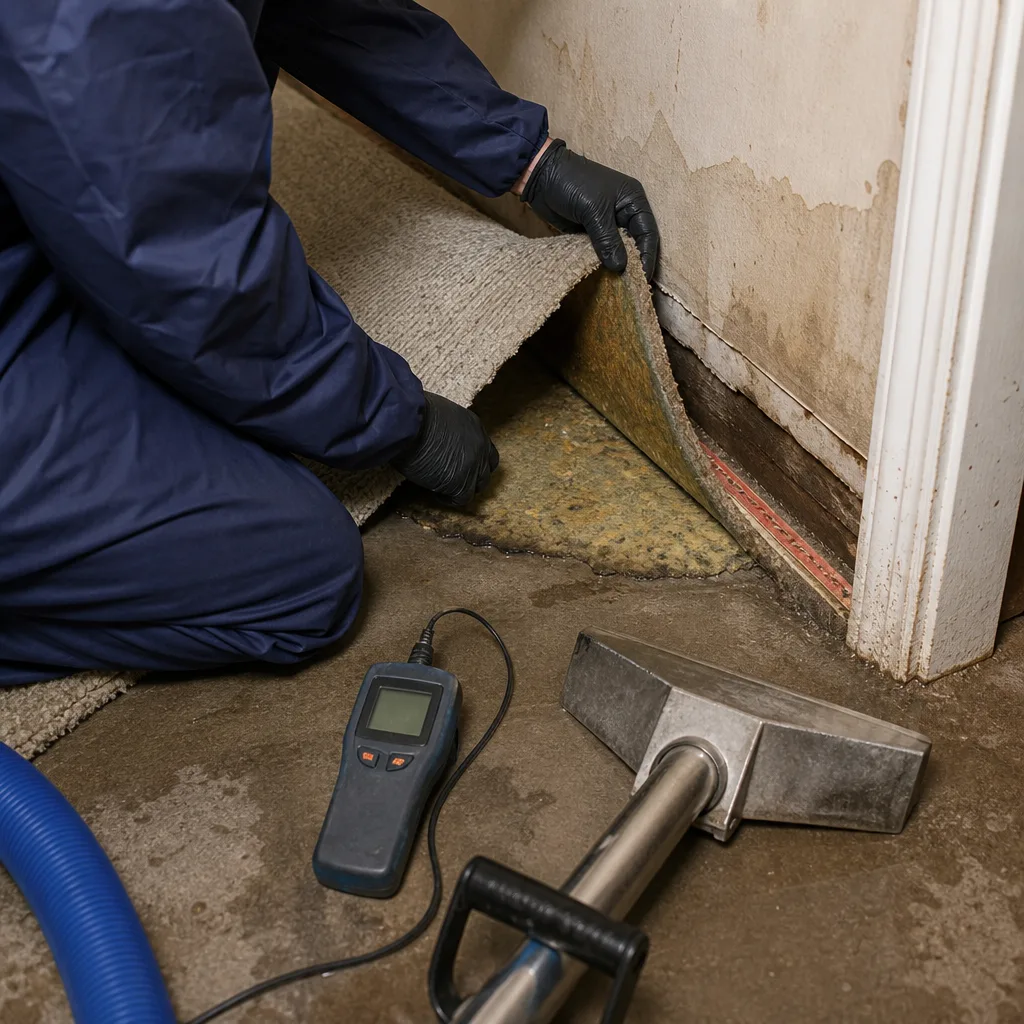
When fire damages framing, sills, or roof structure in Palo Alto, the repair has to match what’s already there. In Professorville we’re often replacing charred old-growth redwood with matching old-growth material, which means sourcing salvaged wood and working with the city’s planning department on approvals. And here’s the part most contractors miss: a significant share of residential Palo Alto sits on land leased from Stanford University. Structural repairs that require permits may also require Stanford’s land-lease office to sign off. We coordinate that. If you skip it, you risk permit delays that leave your home exposed for weeks. We’ll get into that below.
Contents Cleaning & Pack-Out
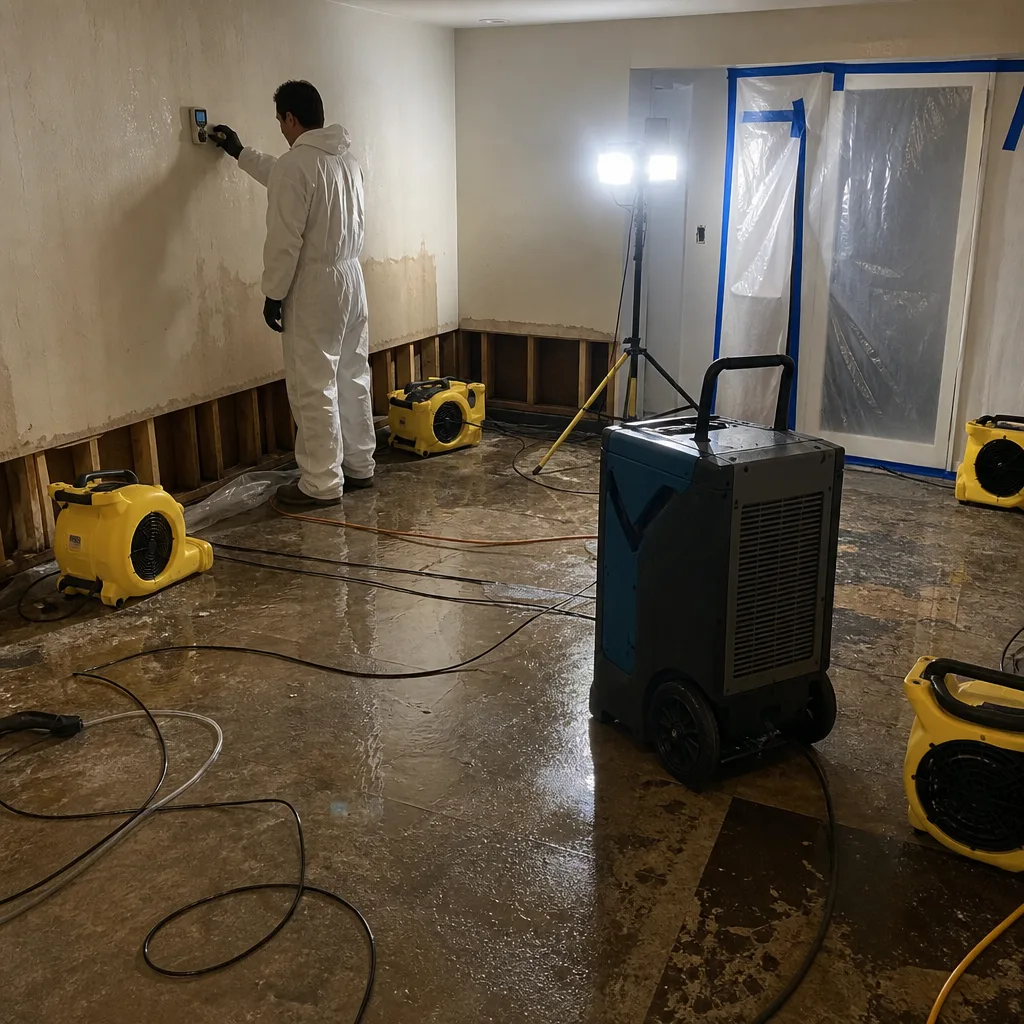
Your furniture, clothing, books, and kitchen gear all absorb smoke. In Palo Alto’s premium homes, we’re often cleaning contents worth more than the average car. We document everything with photos, pack out what needs processed off-site, and deal with your adjuster directly on the contents claim. You get an itemized manifest, not a shrug.
What happens when you call
- 1
A real person answersNo phone trees - you reach a local pro.
- 2
You get an upfront price rangeHonest numbers before anyone is dispatched.
- 3
A background-checked tech heads outLicensed & insured, dispatched right away.
- 4
You approve before work beginsNothing starts until you say go.
Trusted Brands We Service in Palo Alto
We get asked whether we can work around specific equipment or materials, and the answer is usually yes. Wade’s crew works with homes that have original period details, high-end appliances, and specialty finishes, and we run Dri-Eaz air scrubbers, hydroxyl generators, and Phoenix drying systems sized for old Palo Alto’s thick plaster walls and dense framing. We stock filters, media, and common replacement parts locally so we’re not waiting on a national warehouse. If a Palo Alto job needs a part we don’t have on the truck, Wade sends someone for it. You’re not waiting on FedEx.
Common Fire & Smoke Damage Restoration Problems We See in Palo Alto Homes
- Smoke wicked into balloon-framed walls. Pre-1930 homes in Old Palo Alto and Professorville have wall cavities that run uninterrupted from basement to attic. Smoke follows those channels everywhere, and a “surface clean” misses most of the damage. We test cavities before we call a room clean.
- Redwood framing that won’t release odor. Dense, resinous old-growth redwood holds smoke molecule-deep. Standard ozone treatment bounces off it. These homes need extended hydroxyl treatment and sometimes targeted removal of the worst charred sections.
- Stanford land-lease delays leaving homes exposed. Crews that start board-up or structural work without checking whether the property sits on Stanford lease land can hit a wall at the permit counter. The home sits open, odor penetrates deeper, and the timeline doubles. We check lease status before we touch anything structural.
- Hidden scorch damage in 1950s ranch homes. The postwar tract homes in 94306 and 94303 often have shallow crawlspaces and undersized subfloor ventilation. Smoke and heat damage under the house goes unnoticed, but it keeps off-gassing into living spaces for months. We inspect the crawlspace on every fire job here.
Pricing for Fire & Smoke Damage Restoration in Palo Alto, CA
We don’t quote one price on the phone and another at the door. Here’s what Palo Alto homeowners can generally expect. Smoke and soot removal in a single room typically runs $2,500 to $6,000 depending on how far the soot traveled and whether wall cavities need opened. Whole-house odor removal with hydroxyl treatment and thermal fogging usually lands between $6,000 and $15,000 in Palo Alto, with the high end covering the large plaster-wall homes in 94301. Structural fire repair starts around $4,000 for minor framing and goes up from there based on what burned, whether redwood needs matched, and whether Stanford land-lease approvals apply. Contents cleaning runs $1,500 to $5,000 depending on volume. We give every Palo Alto homeowner a written scope and line-item estimate before work starts, and estimates are free. Call (855) 915-0646.
We Also Serve Cities Near Palo Alto
Our Palo Alto crews also cover Stanford, East Palo Alto, Atherton, and Los Altos Hills. If you’re in one of those communities and dealing with smoke or fire damage, the same crew and the same 90-Day Done Right Promise apply. Wade’s phone works everywhere in the area: (855) 915-0646.
Serving Palo Alto, CA - Our Local Coverage Area
We’re based in the Palo Alto area and know this community well. Use the map below to see our service coverage - if you’re nearby, we can almost certainly help.
FAQs - Fire & Smoke Damage Restoration in Palo Alto
If your property sits on land leased from Stanford University, any structural or permit-required repair has to clear Stanford’s land-lease office in addition to your city permits and your insurance claim. That typically adds one to three weeks to the permitting timeline, and it can’t be skipped. Wade’s team identifies lease-affected properties at the start, coordinates with Stanford’s reviewers directly, and keeps the work sequenced so that board-up, mitigation, and structural repairs move forward wherever they don’t require lease sign-off. That way, your home isn’t sitting open while paperwork crawls. Call (855) 915-0646 if you’re not sure whether your Palo Alto property is lease-affected; we’ll help you check.
Because the walls are balloon-framed and the framing is old-growth redwood. Balloon framing gives smoke an open channel from the basement to the attic, so the contamination area is much larger than the room where the fire started. Redwood is dense and resinous, which means it absorbs smoke deeply and releases it slowly. Standard ozone treatment that knocks odor out of drywall in two days often fails in these homes. We run extended hydroxyl treatment and sometimes open wall sections to treat the cavities directly. It takes longer. It’s the only thing that works.
Heat and smoke travel downward through floor framing into the shallow crawlspaces common under these ranch-style tract homes. Because the crawlspace ventilation is undersized, smoke residue traps there and keeps off-gassing into the house through floor gaps and registers. We also find compromised electrical wiring that passed a visual inspection but was heat-damaged inside the sheathing. We scope the crawlspace on every Palo Alto fire job and test wiring with a thermal camera before we close anything up.
Usually yes, at least during the active phases of mitigation. Soot removal kicks fine particulates into the air that are harmful to breathe, and hydroxyl and ozone treatments require the space to be unoccupied during operation. For a small, contained kitchen fire we can often get a home habitable again within a few days of mitigation, but you should plan on staying elsewhere during the first 48 to 72 hours. Wade will give you a straight answer based on the actual scope, not a guess.
Often yes, and it’s usually worth saving. Charring on the surface of old-growth redwood doesn’t necessarily mean the structural wood underneath is compromised; the char layer actually insulates the interior briefly. We assess char depth before removing anything. If a sill or stud is structurally sound, we clean it, treat it for odor, and leave it in place. If the char is deeper than about a quarter inch, or the member has lost significant cross-section, we replace it with matching salvaged old-growth redwood. On a 1920s Craftsman in Professorville we once replaced three charred redwood sills with salvaged material and the insurance adjuster agreed the repair preserved the home’s structural character better than new lumber would have. Call (855) 915-0646 and Wade will look at your framing before anyone picks up a saw.
Written by Wade Ferris, Owner at Wade’s Restoration of California, serving Palo Alto and the surrounding Bay Area since 2007.