
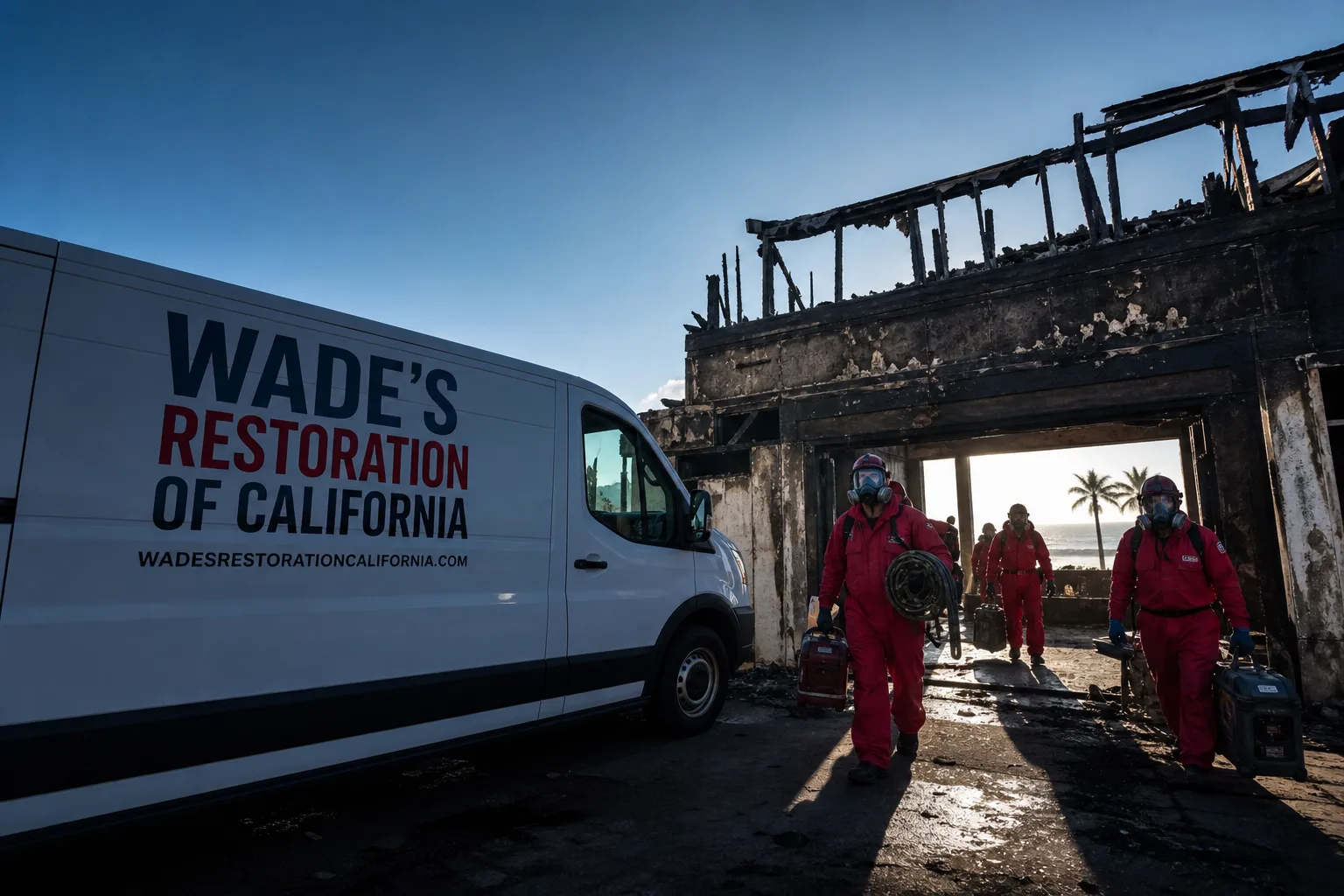
Fast, Reliable Fire & Smoke Damage Restoration Across Menlo Park
Fire damage in Menlo Park moves fast, and so do we. A typical fire and smoke restoration job here runs $2,800 to $14,000 depending on how far smoke traveled and how much suppression water soaked into framing. Wade Ferris answers his own phone at (855) 915-0646, and he can have a crew at your door in Menlo Park within the hour, often faster.
We know the 101 divide better than any restoration company working the Peninsula. Belle Haven homes east of the freeway sit on clay-heavy bay fill that holds fire-suppression water under the house for weeks. West side craftsman bungalows have knob-and-tube chases and galvanized supply lines that carry smoke into rooms that never saw flame. Those are two different jobs, and we run both of them properly.
Why Wade’s Restoration of California Is Menlo Park’s Preferred Fire & Smoke Damage Restoration Company
Wade Ferris founded this company in 2007 and put his name on the truck. He publishes his address and license number. He answers his own phone at midnight. Ask anyone on Laurel Street or in Belle Haven who they call after a fire, and you’ll hear the same thing: the guy who shows up himself.
Menlo Park homeowners keep calling us back for one reason. We hand them the moisture log. Every single day, Wade’s crew takes readings and writes them down, and at the end of the job the homeowner gets the full record. Almost nobody else in this trade does that. It means you know your subfloor is actually dry, not just “dry enough.”
We deal with your insurance adjuster directly. You won’t be the one stuck on the phone relaying what the estimator said to the adjuster and back. Wade’s crew documents everything with photos, and we put the scope in writing before any work starts. That matters in Menlo Park, where a bad drying job under a Belle Haven ranch can mean smoke odor returns in three weeks and the adjuster won’t reopen the claim.
Our Fire & Smoke Damage Restoration Services in Menlo Park
Smoke & Soot Removal
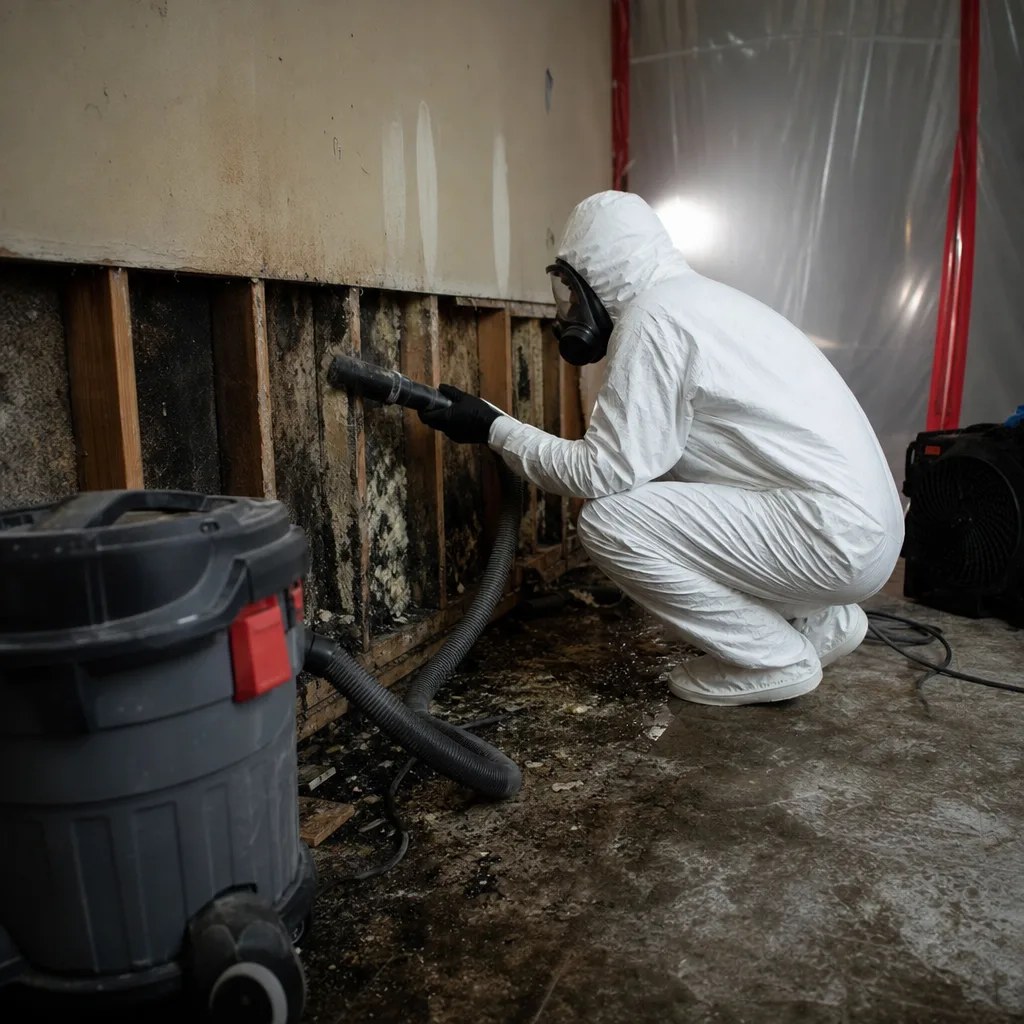
Smoke in a Menlo Park home doesn’t stay where the fire was. In the 1920s and 1940s craftsman bungalows west of 101, knob-and-tube chases and original galvanized supply lines act like ducts, pulling acidic soot into wall cavities and the crawl space. Our Fire & Smoke Damage Restoration crew opens the right cavities, not every cavity, and cleans what actually carried the smoke. Soot is acidic. Leave it on metal and it corrodes. Leave it on painted surfaces and it etches. We treat it within hours, not days.
Structural Fire Repair
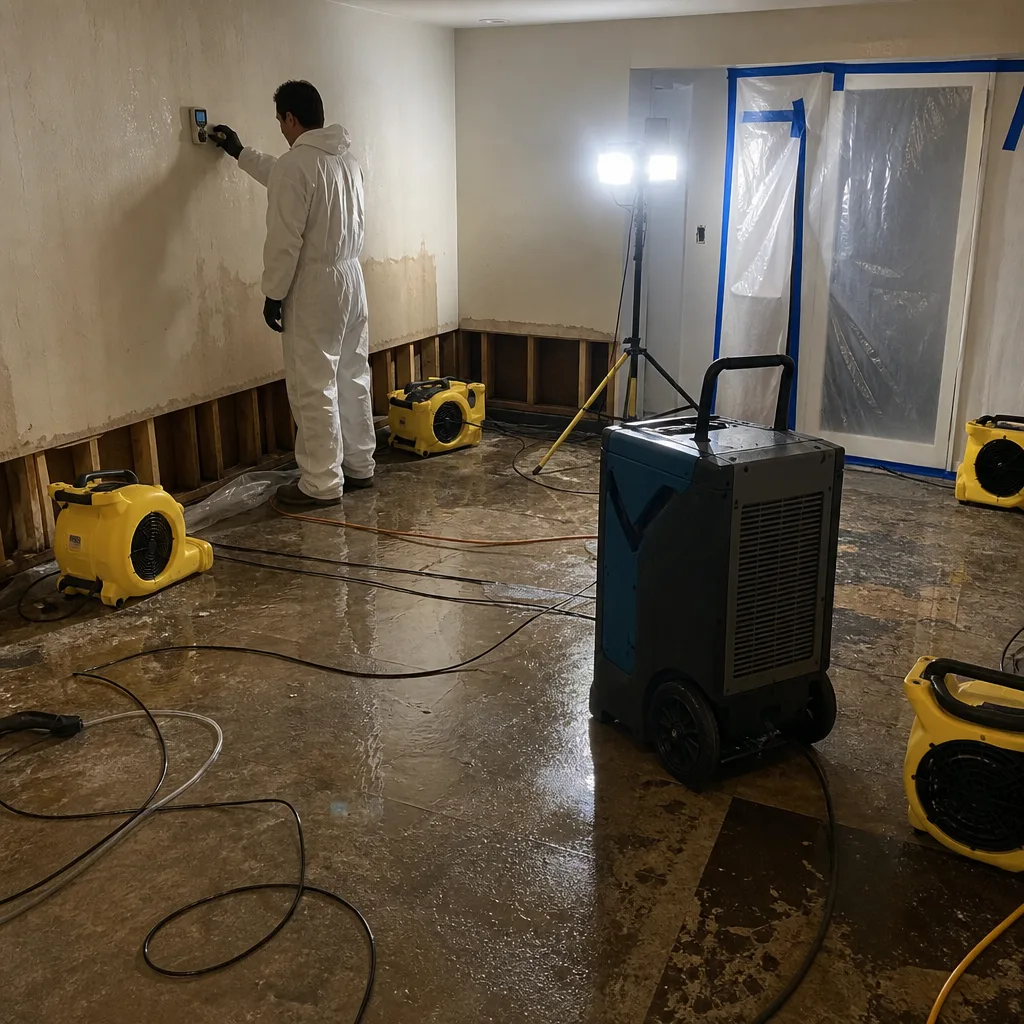
Fire-damaged framing, sheathing, and roof sections in Menlo Park need repair scoped to the age of the house. A 1950s ranch in mid-city was built one way. A 1930s craftsman near downtown was built another. We rebuild to match what was there, including the framing details that keep the wind-load rating intact for houses on the graded west side where winter gusts hit harder. Structural repair is not a same-day job. We price it in writing and schedule it like the remodel it is.
Emergency Board-Up & Tarping
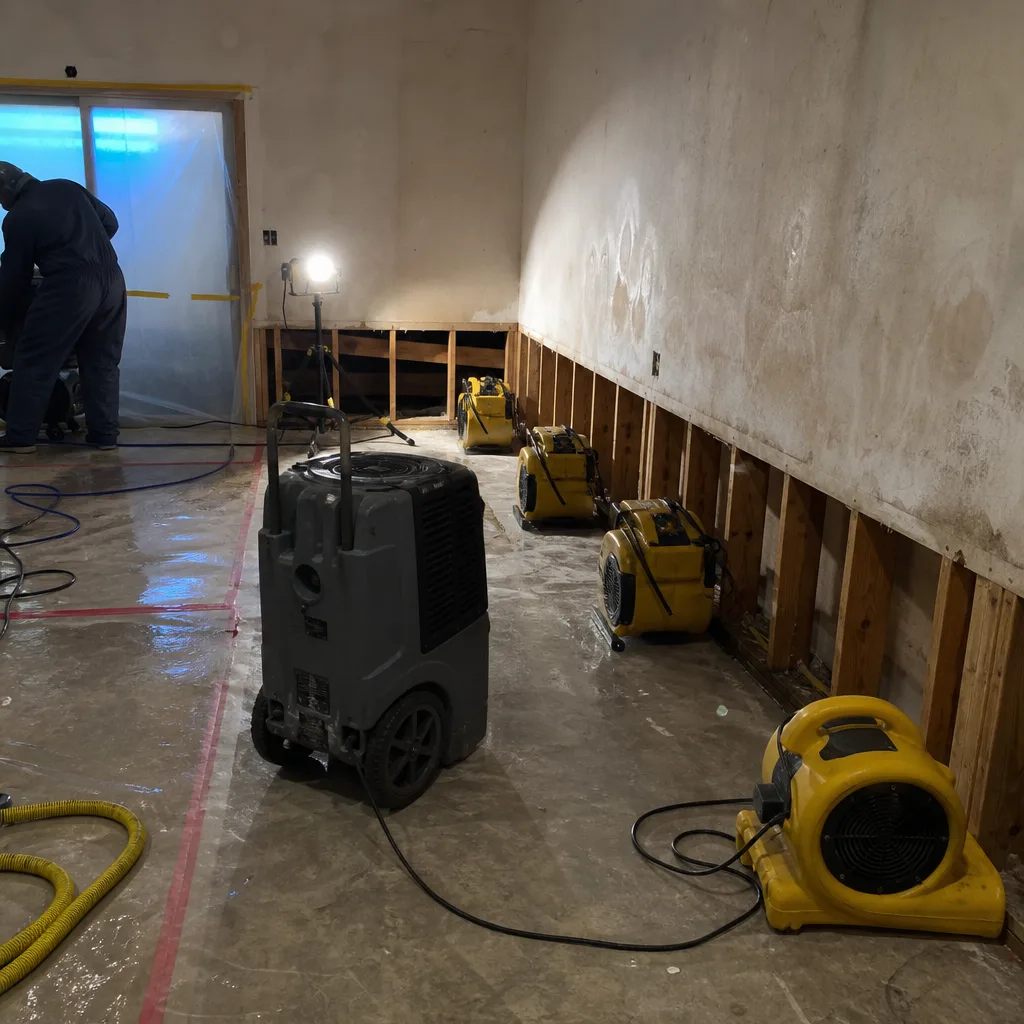
A post-fire opening can’t wait for morning in Menlo Park. Winter atmospheric-river storms push two-plus inches of rain in a few hours, and a temporary board-up that isn’t built for wind-load will blow off. We check the opening against Menlo Park’s actual wind zone, not whatever plywood the last job left on the truck. Board-up and tarping is a mitigation task, so speed matters. Wade heads out as soon as you call.
Contents Cleaning & Pack-Out
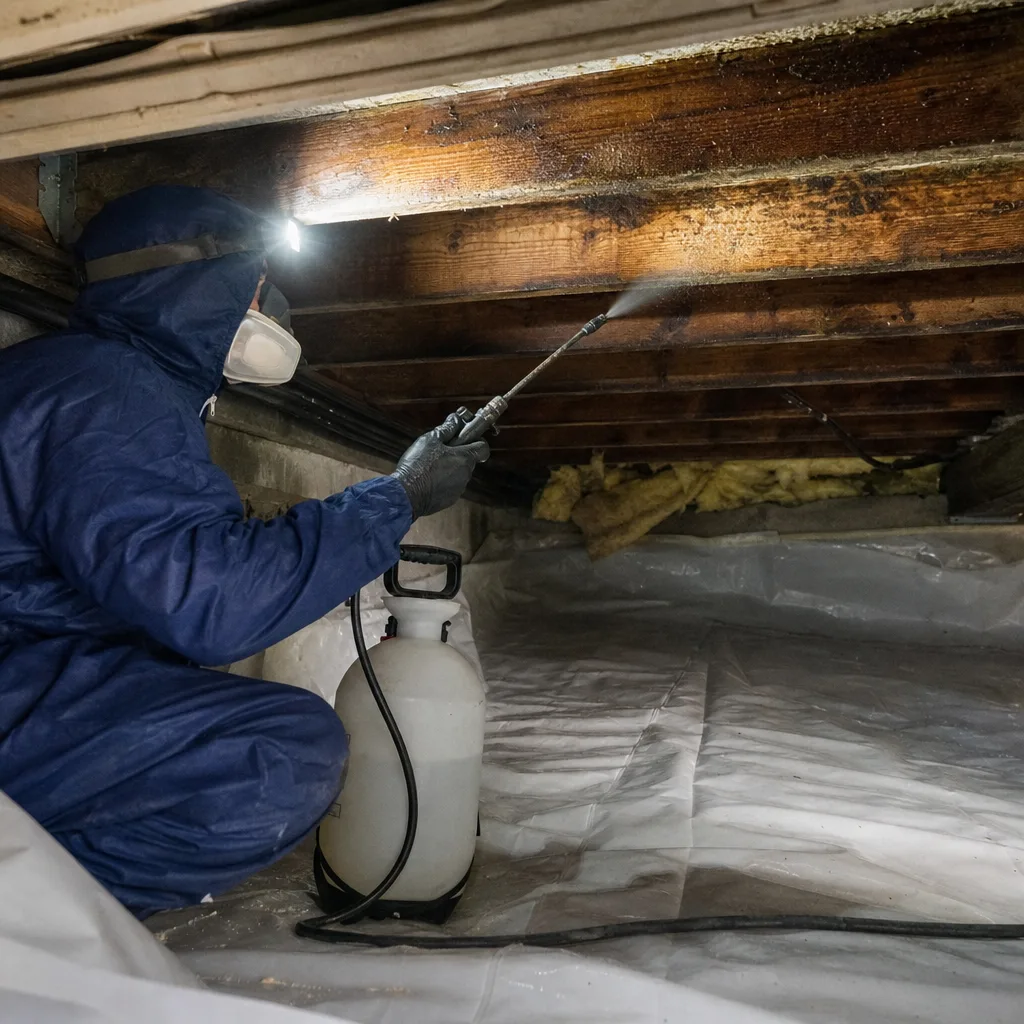
Smoke gets into clothing, books, upholstery, and everything porous. We pack out contents from Menlo Park homes and clean them at our facility, then store them until the structure is ready. Every item gets logged. You get the list. Nothing disappears into a warehouse with no record. That’s not a promise. It’s how we’ve run contents since 2007.
What happens when you call
- 1
A real person answersNo phone trees - you reach a local pro.
- 2
You get an upfront price rangeHonest numbers before anyone is dispatched.
- 3
A background-checked tech heads outLicensed & insured, dispatched right away.
- 4
You approve before work beginsNothing starts until you say go.
Trusted Brands We Service in Menlo Park
Menlo Park homeowners choose us because we use equipment that actually dries a clay-soil crawl space, not equipment that just moves air around. Wade’s crew runs Dri-Eaz LGR dehumidifiers, Phoenix axial air movers, and Injectidry panels for hardwood floors and subfloors. The company holds IICRC certification and RIA affiliation, and Wade carries IFA recognition. That’s not marketing language. It means the drying log meets California protocol standards when an adjuster asks to see it.
Common Fire & Smoke Damage Restoration Problems We See in Menlo Park Homes
- Standing water under Belle Haven homes after suppression. Fire hoses dump hundreds of gallons. On the clay-heavy bay fill east of 101, that water doesn’t soak down. It spreads horizontally under the slab and into the crawl space, carrying soot and smoke residue with it. If the crew doesn’t dry-log that water properly, mold and smoke odor come back in weeks.
- Smoke migration through old wiring chases. A kitchen fire in a 1920s craftsman west of 101 can drive smoke through knob-and-tube chases into bedrooms that never burned. We’ve seen odor complaints in rooms two floors away from the fire. Standard cleaning doesn’t fix that. You have to open the right wall cavities.
- Board-up failure in winter storms. A temporary seal that holds in July won’t survive a January atmospheric-river gust. Unlicensed or inland crews often use standard plywood without checking Menlo Park’s wind-load zone, and the opening gets exposed to rain, debris, and more damage.
- Hidden moisture behind original materials. Menlo Park’s older homes still have original galvanized supply lines and lath-and-plaster walls. Fire-suppression water trapped behind those surfaces stays wet for weeks in our summer fog climate. Materials dry slower here than in the South Bay, which compresses the mold window and makes daily moisture readings non-negotiable.
Pricing for Fire & Smoke Damage Restoration in Menlo Park, CA
You should know what fire and smoke restoration actually costs in Menlo Park before you call anyone. Here are real ranges from jobs we’ve done in 94025 and 94026:
- Smoke and soot cleaning only: $2,800 to $6,500 for a single-room fire with light spread
- Full smoke and soot removal, including wall cavity access: $6,000 to $12,000 for a craftsman home where smoke traveled through chases
- Structural fire repair: $9,000 to $30,000+ depending on framing damage and roof section replacement
- Contents pack-out and cleaning: $2,500 to $8,000 depending on volume
- Emergency board-up and tarping: $450 to $1,200 for most Menlo Park openings
What moves the number is how far smoke traveled, how much suppression water soaked in, and whether the house is a Belle Haven ranch on clay soil or a west-side craftsman with old wiring chases. We give free estimates, and Wade will honor the written scope. Call (855) 915-0646 and he’ll talk you through exactly what your job should cost.
We Also Serve Cities Near Menlo Park
Our Fire & Smoke Damage Restoration in Menlo Park work extends to the surrounding Peninsula. We regularly serve homes in Woodside, Redwood City, Atherton, and Stanford with the same crew, the same equipment, and the same daily moisture logs Wade’s customers have come to expect.
Serving Menlo Park, CA - Our Local Coverage Area
We’re based in the Menlo Park area and know this community well. Use the map below to see our service coverage - if you’re nearby, we can almost certainly help.
FAQs - Fire & Smoke Damage Restoration in Menlo Park
Menlo Park enforces California Building Code wind-load requirements, and the west side of 101 sits in a higher exposure zone than the bay-adjacent flats. A board-up needs to be anchored to survive winter gusts that regularly top 40 mph. We check the opening against the current wind-load map before we cut the first sheet of plywood, and we anchor it accordingly. Call (855) 915-0646 and we’ll board it up right the first time.
Because Belle Haven sits on clay-heavy bay fill with a water table only a few feet down. The clay sheds water horizontally instead of absorbing it, so suppression water from a fire pools under the slab and in the crawl space, carrying soot and smoke residue far beyond the burn area. It requires a specific drying protocol under IICRC standards, and you want a crew that has dried that soil before. That’s us.
Yes, and it does regularly. The original knob-and-tube chases and galvanized supply lines in those pre-war bungalows act as air pathways. Smoke from a kitchen fire travels through the wall cavities and can leave odor in upstairs bedrooms and closets. The fix means opening the right cavities, cleaning what carried the smoke, and sealing the surfaces. We learned this after a kitchen fire on Laurel Street where the fire was in the back of the house and the odor complaint was in the front bedroom two rooms away.
Treating the drying like a standard water job and not accounting for Menlo Park’s clay soil and fog-humidity. They don’t take daily readings, they don’t log moisture under the garage slab, and they pull equipment too early. The homeowner gets smoke odor back in three weeks and an adjuster who won’t reopen the claim. Wade hands you the full moisture log at the end of every job so that failure mode never happens on his watch.
Menlo Park requires permits for structural repairs, and a homeowner pulling their own permit assumes full liability for code compliance and wind-load ratings. You can do it, but the risk is real: incorrect framing connections or an under-anchored board-up fail in the next winter storm and you own the damage. We recommend a licensed restoration contractor, and we’ll provide a written scope before any structural work begins so you know exactly what’s permitted and what’s not. Call (855) 915-0646 for a free walkthrough.
Written by Wade Ferris, Owner at Wade’s Restoration of California, serving Menlo Park since 2007.