
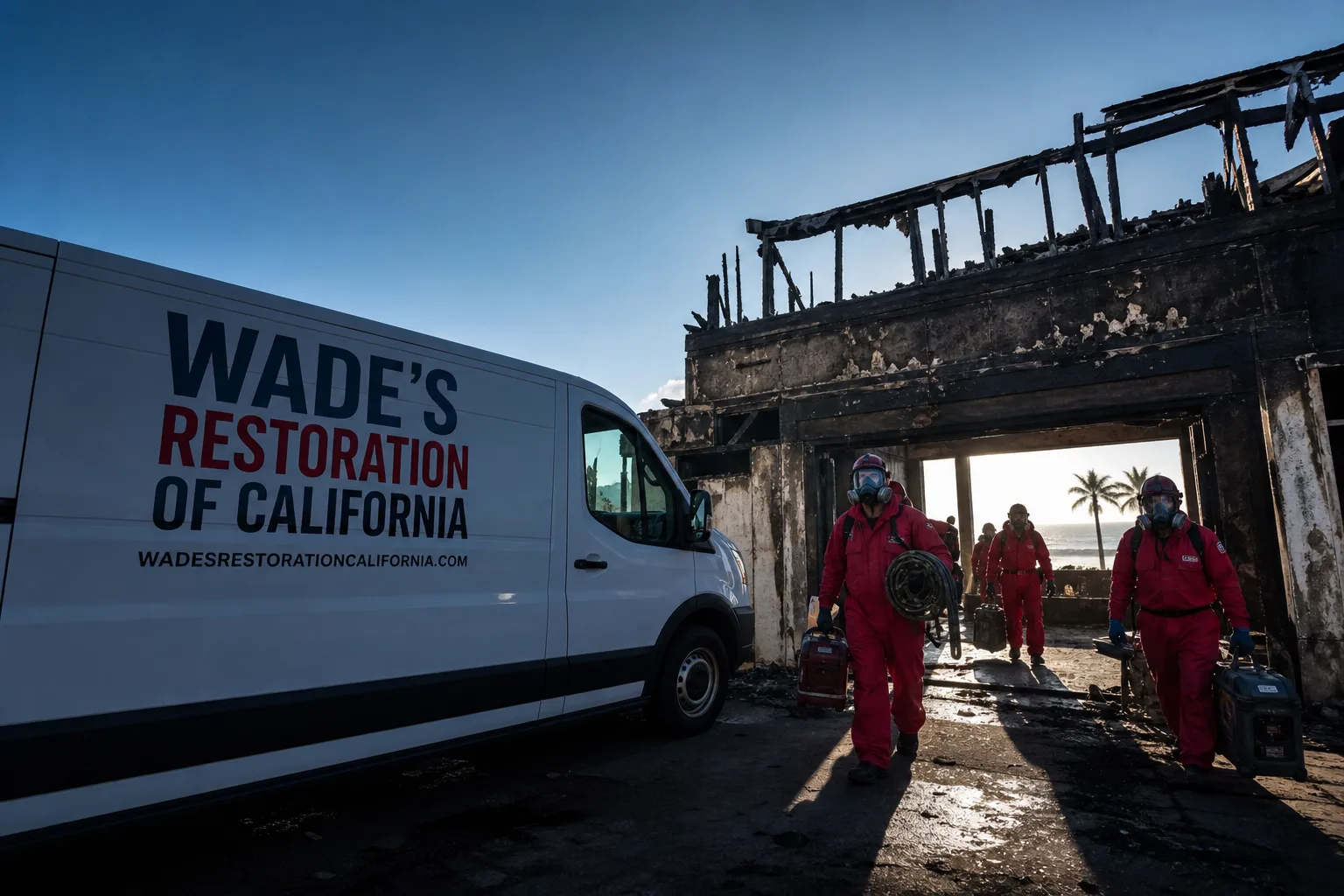
Fast, Reliable Water Damage Restoration Across Mill Valley
Water damage in Mill Valley moves fast. A ruptured supply line can saturate a post-and-pier crawl space in under an hour, and the fog that rolls through Blithedale Canyon means wet materials stay wet unless they’re dried with commercial equipment. We respond to Mill Valley calls within 60 minutes, day or night. Wade Ferris answers his own phone at (855) 915-0646, and he’s the one who shows up. No call center, no runaround, just a local crew that knows these hills and these houses.
This page covers what Mill Valley homeowners actually need to know: how our Water Damage Restoration process works on legacy redwood homes, what it costs in this market, and why the canyon’s moisture profile changes how drying gets done.
Why Wade’s Restoration of California Is Mill Valley’s Preferred Water Damage Restoration Company
Wade Ferris founded this company in 2007 and still runs every job like it’s his own house. Ask anyone on your street who’s had water damage. The name comes up. That’s not an accident. We’re not a franchise crew that rotates through Marin County with a different face every visit. Wade publishes his name, his address, and his license number. You’ll run into him at the hardware store on Miller Avenue after the job’s done. That’s the oldest accountability mechanism there is.
Our crews have spent years working on the exact homes Mill Valley is built from: 1920s craftsman bungalows near the downtown flats, redwood-clad hillside homes off Summit and Throckmorton, mid-century builds that climb toward Mt. Tam. We know what happens to old-growth redwood framing when it stays wet. We know which crawl spaces hold fog moisture even in August. That knowledge changes how we dry your house, and it’s why we hand you a daily moisture log at the end of every job. Almost nobody in this trade does that.
We answer calls live, 24/7. Wade answers his own phone. When a pipe lets go at 2 a.m. in Mill Valley, you don’t want a voicemail. You want extraction running inside the hour. That’s what we do.
Our Water Damage Restoration Services in Mill Valley
Emergency Water Extraction
When water is actively pooling in a Mill Valley home, every hour it sits means more wicking into redwood subfloor and plaster walls. Our crews show up with truck-mounted and portable extraction units, pull the standing water fast, and start mapping how far the moisture has traveled. On older homes near the downtown flats, that often means cutting access into the crawl space to check joist ends and sill plates before they rot.
Structural Drying & Dehumidification
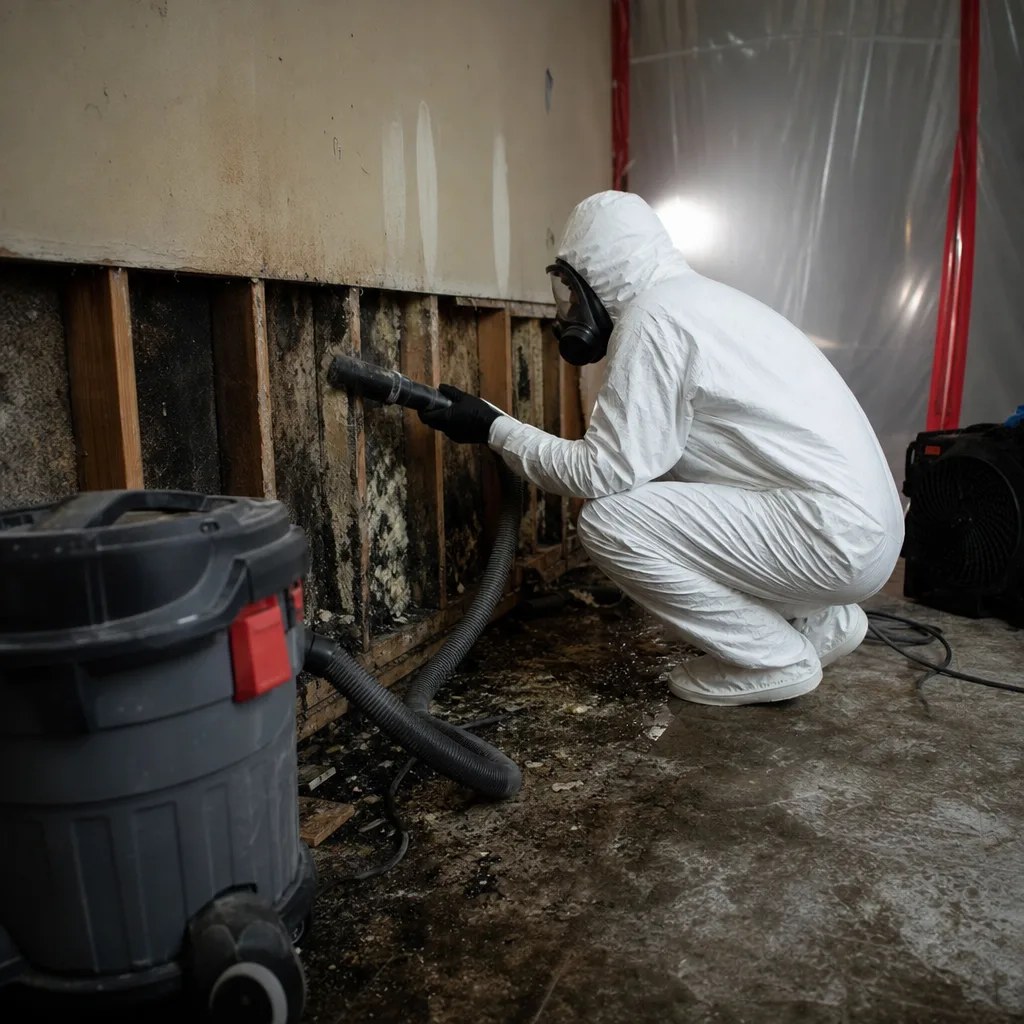
This is where Mill Valley’s fog belt makes things harder. Humid ambient air slows evaporation, so we run Dri-Eaz desiccant and low-grain refrigerant dehumidifiers that pull moisture out regardless of outside conditions. Wade takes moisture readings every single day and writes down the numbers. You get the full log at the end. In a canyon where relative humidity sits high year-round, “looks dry” is not a drying standard. We dry to verified targets and document them.
Flood Cleanup
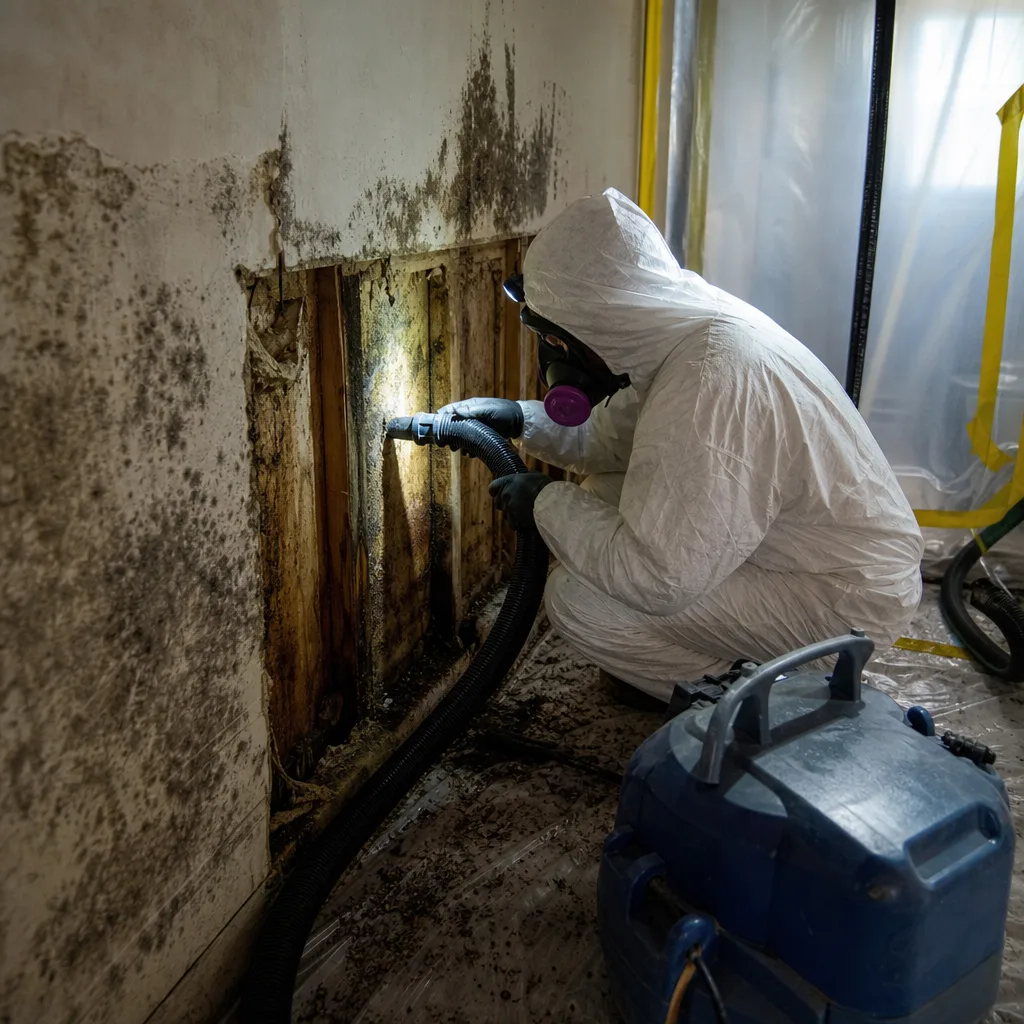
Flooding in Mill Valley rarely comes with clean water. Storms surging down from Mt. Tam, creek and drainage overflow, or a backed-up line near Richardson Bay all bring silt, organics, and biological contamination. We remove the damaged materials, treat affected surfaces, and dry the structure before mold has a chance to take hold in shaded crawl spaces. In these older homes, the crawl space floor is often bare earth, which means we address ground moisture at the same time, not just the floodwater.
Burst Pipe Restoration
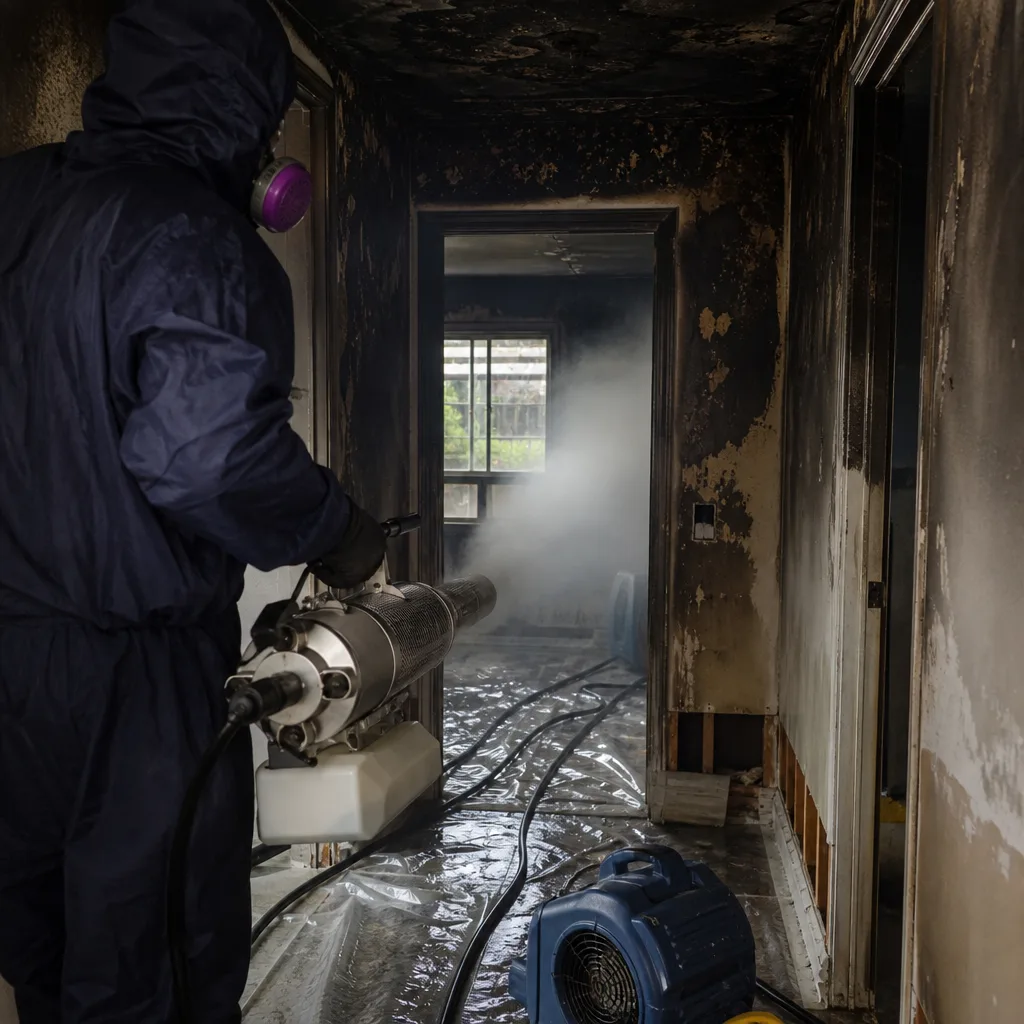
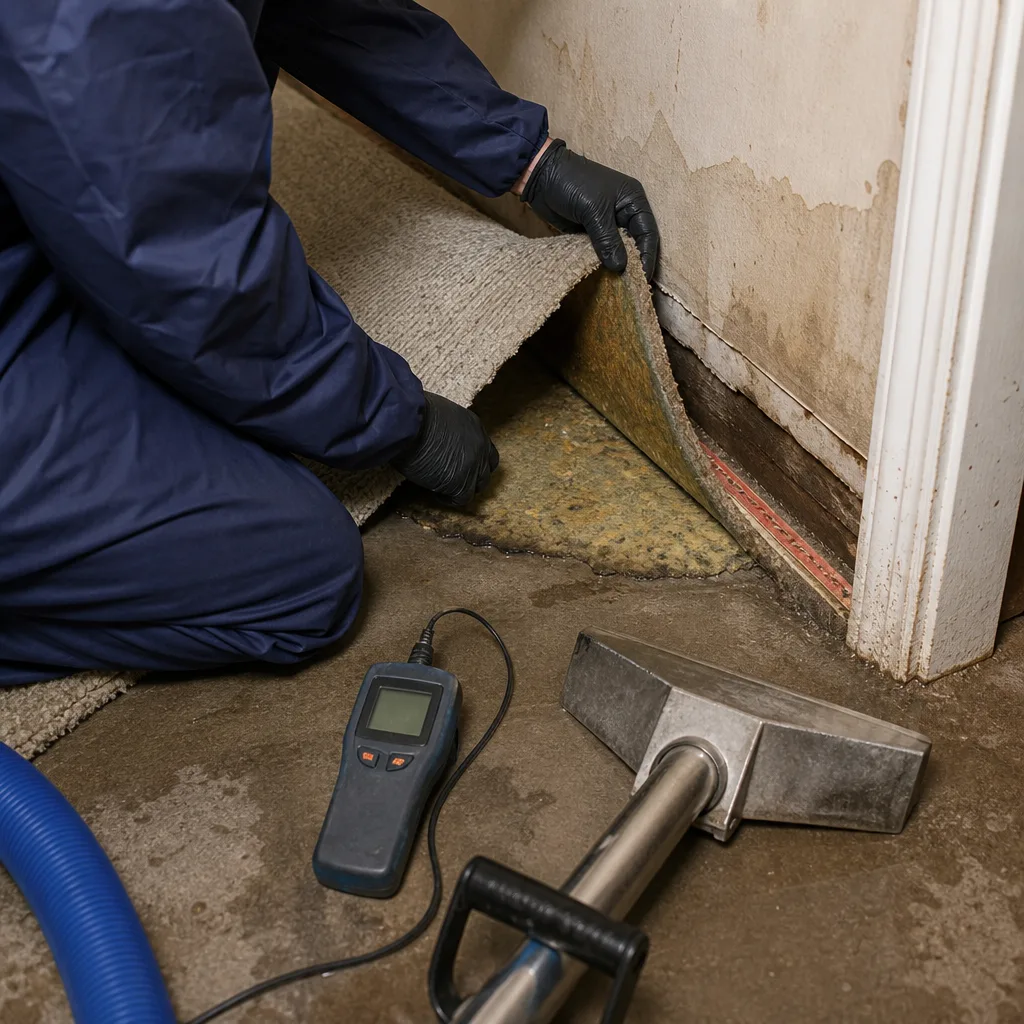
A burst pipe inside a 1930s craftsman in Mill Valley is rarely a simple extraction job. Water follows the path of least resistance through balloon-framed walls and laps off on original flooring and lath-and-plaster. We chase it with thermal imaging and moisture meters, remove only what can’t be saved, and dry what can. If the pipe burst while you’re out of town and the water sat for days, that’s a different conversation, and we’ll give you a straight answer about what’s restorable and what isn’t.
Basement Water Removal
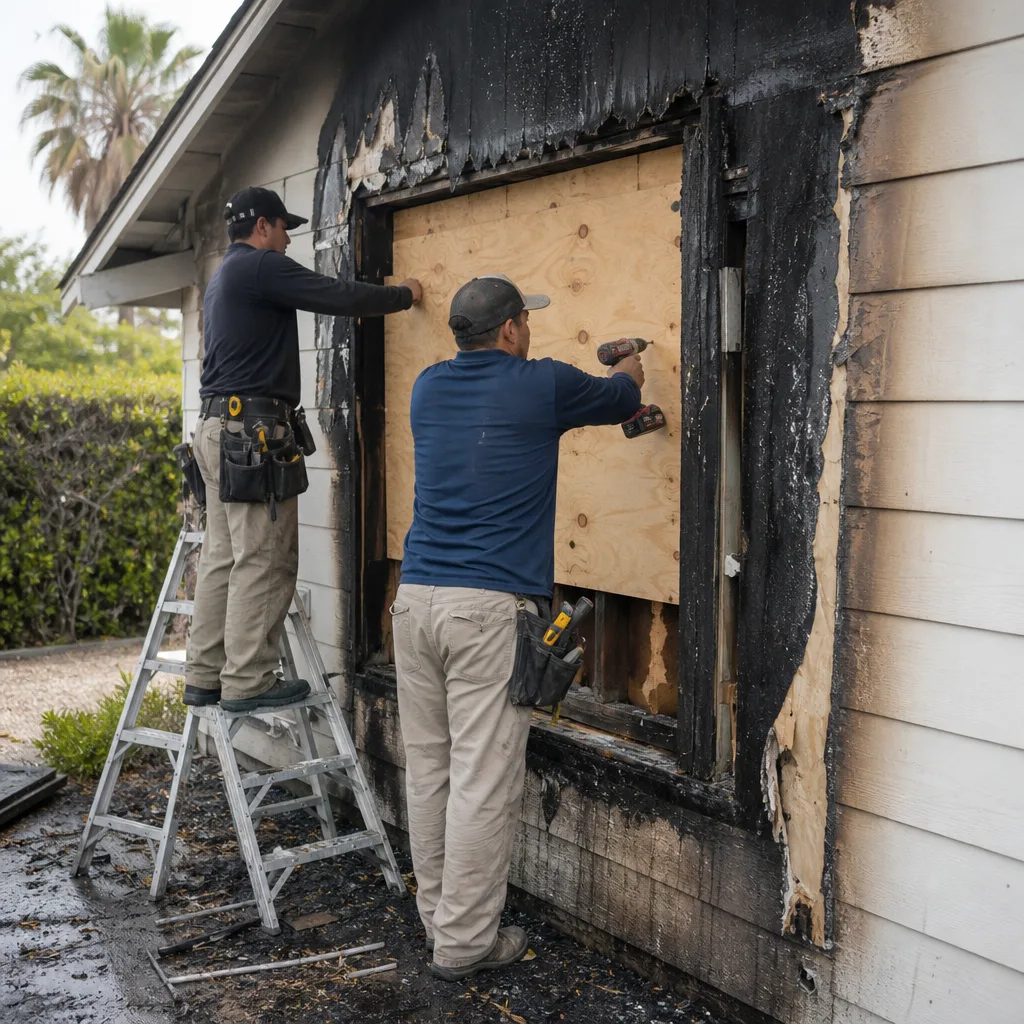
Not every Mill Valley home has a true basement, but where they exist, usually in the older inventory near Tamalpais Valley, they’re below grade and built without modern waterproofing. Water finds its way in through foundation cracks, window wells, and hydrostatic pressure. We pump it out, remove wet finishes, and dry the space to spec. Then we tell you honestly what’s needed to keep it from happening again: drainage corrections, grading, or dehumidification. No scare tactics. Just straight talk.
Ceiling & Roof Leak Water Damage
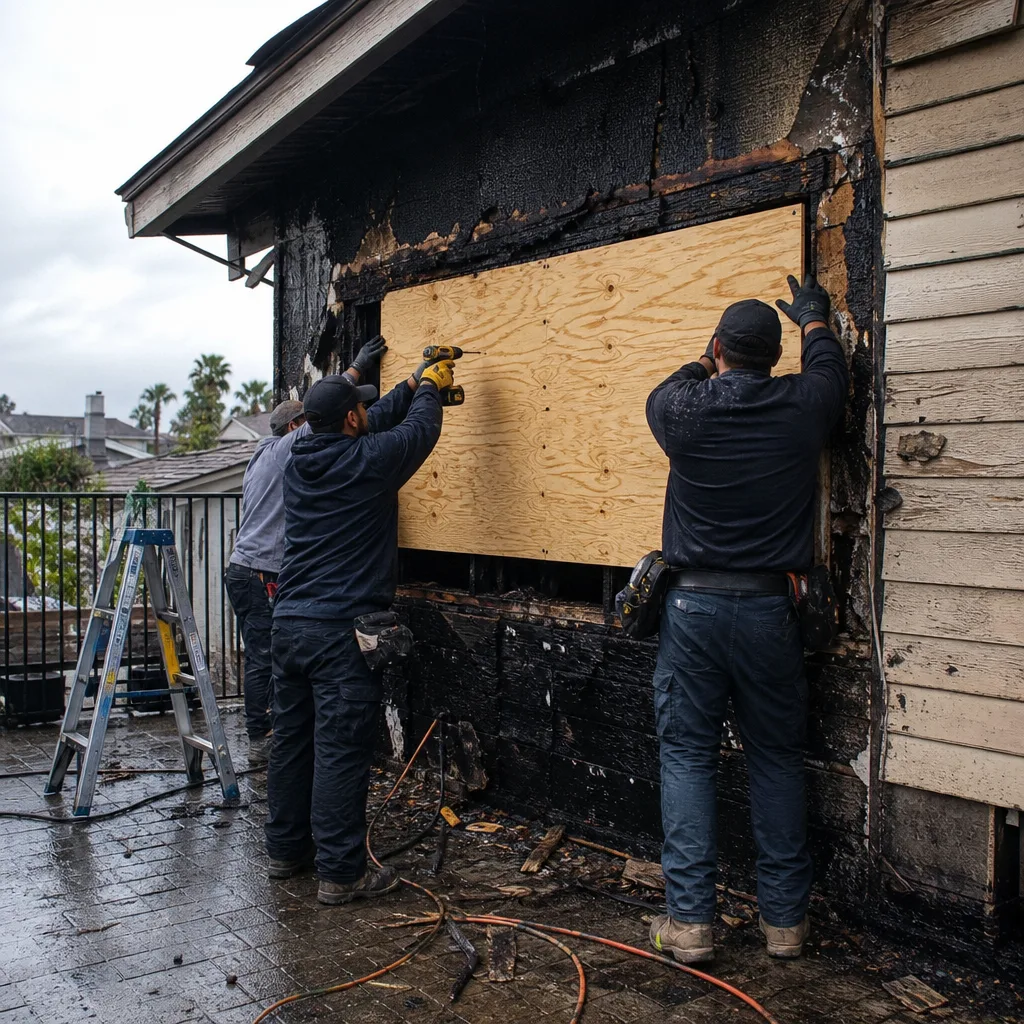
Mill Valley’s wet winters and heavy redwood canopy mean roof leaks don’t stay small for long. Water that breaches the roof finds its way into insulation, plaster, and framing. We stop the active leak source, open the wet ceiling and wall cavities, and dry the structure. On homes with original lath-and-plaster, we’re careful about containment and dust control, because that’s your family’s house, not a demo site.
What happens when you call
- 1
A real person answersNo phone trees - you reach a local pro.
- 2
You get an upfront price rangeHonest numbers before anyone is dispatched.
- 3
A background-checked tech heads outLicensed & insured, dispatched right away.
- 4
You approve before work beginsNothing starts until you say go.
Trusted Brands We Service in Mill Valley
We run professional-grade equipment on every Mill Valley job because residential-grade gear can’t get the job done in this climate. Dri-Eaz desiccant dehumidifiers handle the high ambient humidity of the fog belt. XPOWER air movers get airflow across surfaces in tight crawl spaces under old homes. Injectidry systems dry wall cavities and under hardwood without tearing everything apart. Our crews are IICRC-certified, and the work is backed by RIA and IFA standards. We carry the parts and materials to match what we remove, which matters when you’re restoring a 1930s home and don’t want modern mismatches.
Common Water Damage Restoration Problems We See in Mill Valley Homes
- Legacy redwood subfloors with pre-existing fog-driven mold. Mill Valley’s marine fog pushes into crawl spaces and under houses year-round. By the time a pipe bursts or a water heater fails, the subfloor has often been quietly growing mold for years. The water event isn’t the start of the problem; it’s the thing that makes you find it.
- Hillside access that standard trucks can’t handle. Narrow switchback roads climbing toward Blithedale Canyon and Mt. Tam don’t fit trailer-mounted equipment. We hand-carry dehumidifiers, air movers, and demo materials 50 to 200 feet uphill, which flatland restoration companies routinely underestimate.
- Trapped condensation from modern material swaps. When original redwood siding or sash-weight windows get replaced with modern materials that don’t match the home’s moisture profile, condensation gets trapped in wall cavities. We find rot behind otherwise-new windows on a regular basis in Mill Valley.
- Water damage layering onto unaddressed crawl space moisture. Homes here often have bare-earth crawl spaces under shaded canopies. If the crawl space was already damp before a water loss, the new water makes the structural drying harder, slower, and more expensive. We address the baseline moisture, not just the acute event.
Pricing for Water Damage Restoration in Mill Valley, CA
Here’s what you can realistically expect in Mill Valley’s market. Emergency water extraction typically runs $1,200 to $3,800 depending on the square footage and the access situation. Structural drying and dehumidification adds another $1,500 to $4,500, with canyon homes on the higher end because of the hand-carry logistics and the extended drying times the fog imposes. Burst pipe restoration, including dry-out and basic repairs, lands between $2,500 and $7,000. Ceiling and roof leak damage usually costs $1,800 to $5,200 after the leak source is addressed. Basement water removal runs $2,000 to $6,000 when finishes need to be removed and the space dried. We offer free estimates, and Wade will walk you through the line items before any work starts. Call (855) 915-0646 for a straight quote, no pressure.
We Also Serve Cities Near Mill Valley
We work throughout southern Marin County, including Mill Valley, Tamalpais Valley, Tamalpais-Homestead Valley, Corte Madera, and Larkspur. If you’re in one of those communities and you’ve got water where it shouldn’t be, call us. The same crew that knows Blithedale Canyon knows your street too.
Serving Mill Valley, CA - Our Local Coverage Area
We’re based in the Mill Valley area and know this community well. Use the map below to see our service coverage - if you’re nearby, we can almost certainly help.
FAQs - Water Damage Restoration in Mill Valley
Mill Valley’s canyon geometry traps marine fog from the Golden Gate, which keeps ambient humidity high and slows natural evaporation. That means drying almost always takes longer here than in Corte Madera or Larkspur, and it requires desiccant dehumidifiers rather than standard refrigerant units. Expect structural drying in Mill Valley to run 4 to 7 days on average, with hillside homes shaded by redwoods sometimes extending to 8 or 9 days. Call (855) 915-0646 and we’ll give you an honest timeline for your specific house.
Usually not with the big box trucks. On Blithedale Canyon’s switchbacks and the steeper roads climbing toward Mt. Tam, there’s no room for trailer-mounted desiccant units. Our crew hand-carries Dri-Eaz dehumidifiers, XPOWER air movers, and demo materials 50 to 200 feet uphill as needed. It’s slower and harder work, but we plan for it because we do it all the time. Flatland companies often don’t, and their delays let water wick deeper into old-growth redwood framing.
Yes, in most older Mill Valley homes the crawl space already has elevated moisture from trapped fog and shaded ground. That means mold, wood rot, and subfloor decay are often present as a background condition before any acute water event happens. When water damage does occur, it layers onto that existing moisture. We address both: the acute loss and the chronic fog-driven condition underneath it. That’s not something every restoration company checks for, but it’s standard for us in Mill Valley.
Don’t replace what can be dried, and don’t dry what’s already failed. Original redwood subfloor that’s solid but wet can often be dried in place with an Injectidry system and dehumidification. Boards that have already been consumed by years of fog-driven mold need to come out, and the framing below needs to be dried and treated before new material goes in. On a 1920s craftsman in the Mill Valley flats, matching materials matters: old-growth redwood has a moisture tolerance that modern plywood doesn’t, so the drying targets are different. We handle both the salvage and the retrofit planning.
By treating the crawl space like the first floor. After any water damage restoration in Mill Valley, we recommend vapor barrier placement or replacement, crawl space dehumidification, and improving ventilation where the redwood canopy blocks airflow. Every water, fire, and mold restoration job carries our 90-Day Done Right Promise in writing. If the moisture comes back because we missed something, Wade comes back and makes it right. No charge. That’s the whole point of the promise.
Contact Wade’s Restoration of California in Mill Valley
If you’ve got water where it shouldn’t be, or you suspect your crawl space has been quietly collecting fog moisture for years, call Wade at (855) 915-0646. He answers his own phone. He’ll give you a straight answer about what needs to happen and what it costs. Free estimate. No trip charge inside Marin County. And if you’re a senior or a veteran, there’s a 10% discount off the top, always.
We’re dispatched from the San Francisco Bay Area office and serve Mill Valley locally. When you call, you get Wade. Here is his cell: (855) 915-0646.
Written by Wade Ferris, Owner at Wade’s Restoration of California, serving Mill Valley since 2007.