
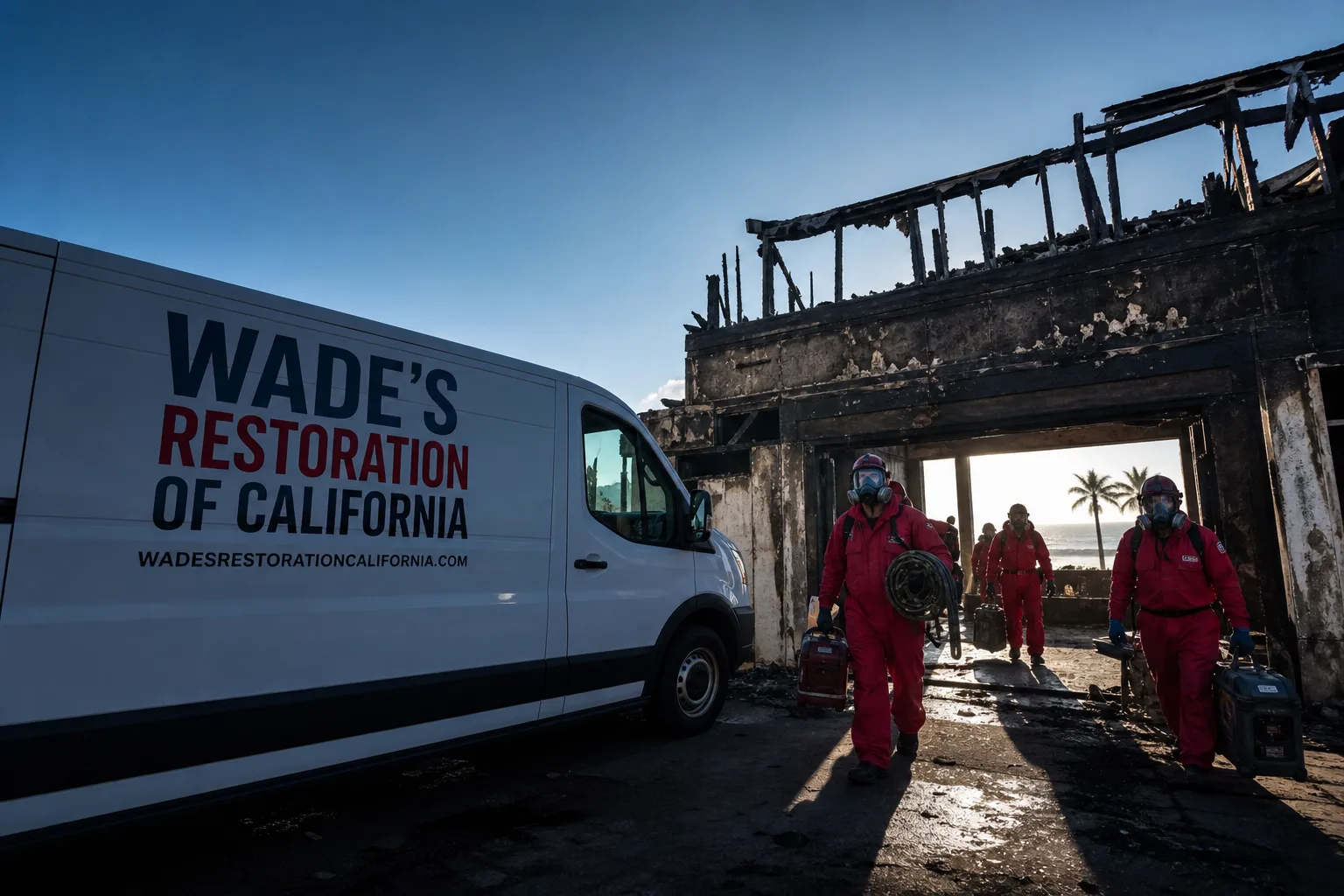
Fast, Reliable Water Damage Restoration Across Lynwood
Water damage in Lynwood moves fast, and so do we. A burst supply line or slab leak in a 1940s bungalow off Long Beach Boulevard will saturate wall cavities and flooring within hours, and mold follows in as little as 48 hours in our inland summer heat. Wade’s Restoration of California has been answering these calls since 2007, and we can have extraction equipment running in Lynwood inside the hour in most cases. Call (855) 915-0646 and Wade Ferris himself picks up. No call center, no voicemail, no runaround.
What separates Lynwood from Calabasas or Redondo Beach isn’t just geography. It’s the houses. Most of Lynwood’s residential streets are lined with mid-century stucco bungalows built between 1945 and 1965, and those homes hide a problem that changes every water damage job: asbestos floor tiles, lead-based paint, and unpermitted additions that make moisture mapping unpredictable. We know what to look for before we place the first drying fan, because we’ve been through these houses hundreds of times. That local knowledge is the difference between drying a room in three days and tearing open a wall three weeks later.
For a Water Damage Restoration team that knows exactly what a 1950s Lynwood slab foundation does when groundwater rises, call us now. The first hour is free to talk.
Why Wade’s Restoration of California Is Lynwood’s Preferred Water Damage Restoration Company
We’re not a franchise that parachutes in from another county. Wade Ferris founded this company in 2007, and he publishes his name, address, and license number because he wants you to be able to find him if something isn’t right. Ask anyone on your street and they’ll likely tell you about a local outfit where the owner answers his own phone. That’s us. In Lynwood, that kind of accountability matters, because half the houses we enter have already had one bad contractor experience.
Our crews know the streets out here. We know that homes near Plaza Mexico sit on the same clay-heavy soil as homes near Lynwood High, and that both will hold groundwater differently than the compacted fill along the I-105 corridor. That’s not something you learn from a training manual. It’s something you learn by spending a decade here. When we arrive in Lynwood, we’re not studying a map. We already know where the cast-iron drain stacks run and how the stucco from this era behaves when it gets wet.
Every single water job we take on in Lynwood includes daily moisture readings. We log them, we hand you the complete log at the end of the job, and we review it with your adjuster if you want us to. That’s our standard. Not an add-on. Wade will meet your insurance adjuster on site and deal with them directly, because you shouldn’t have to spend your recovery week playing telephone between two parties who only talk in insurance code. We’ve done this for 29 years in these neighborhoods, and we’ve kept the same promises the whole time: a live answer, a straight quote, and a 90-Day Done Right Promise in writing on every job.
And yes, we service all of Lynwood. From the 90262 zip code’s northern edge to the southern blocks near the county line. If water is moving, so are we.
Our Water Damage Restoration Services in Lynwood
Lynwood’s housing stock demands more than a generic drying crew. Here are the services our local customers call on most, and what they actually look like inside a 1950s stucco bungalow.
Emergency Water Extraction
When a supply line lets go in a Lynwood crawlspace or a water heater splits in a garage behind Plaza Mexico, the first two hours decide whether you’re drying sheetrock or replacing it. We bring truck-mounted extraction units and portable extractors into Lynwood homes the same hour, every hour of the day. Standing water pulled out fast is the difference between a three-day drying job and a two-week demolition job, especially in homes with unpermitted additions that hide water in wall cavities nobody sketched on a permit.
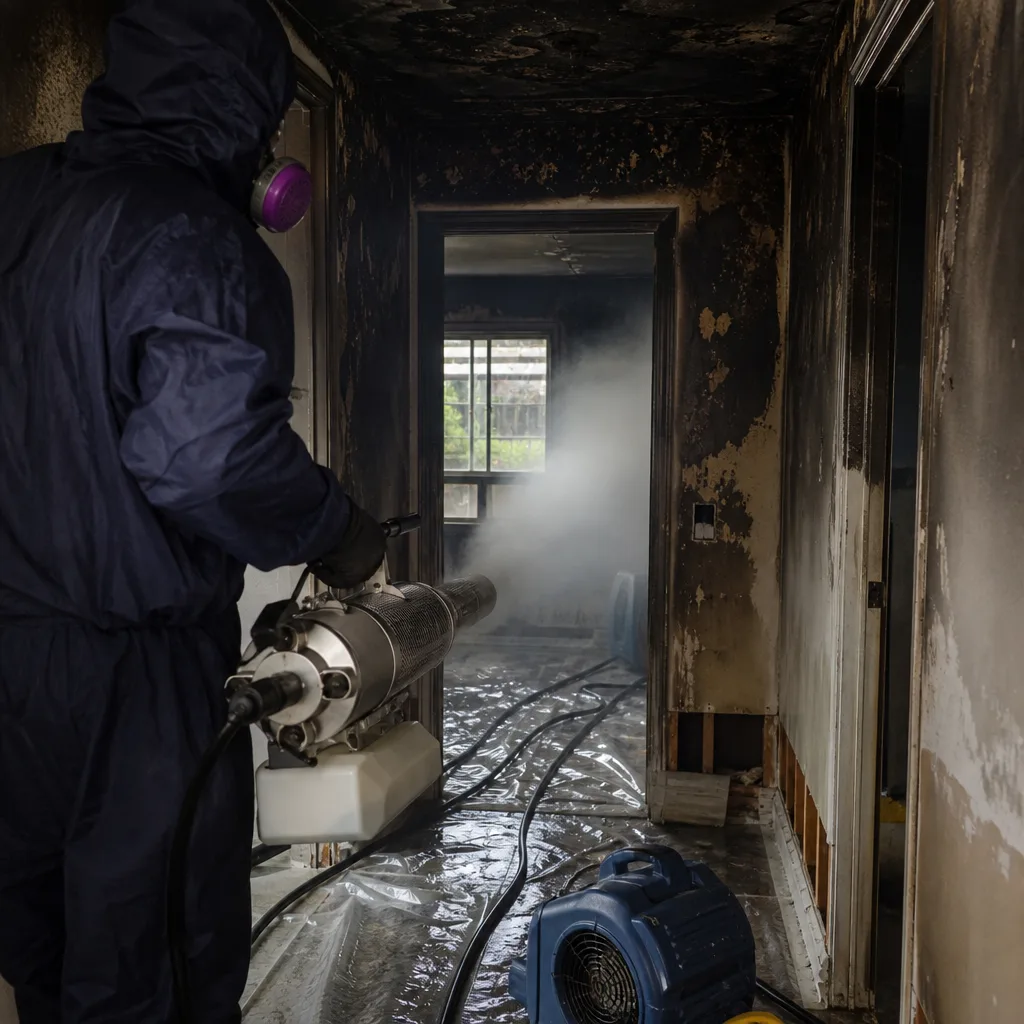
Structural Drying & Dehumidification
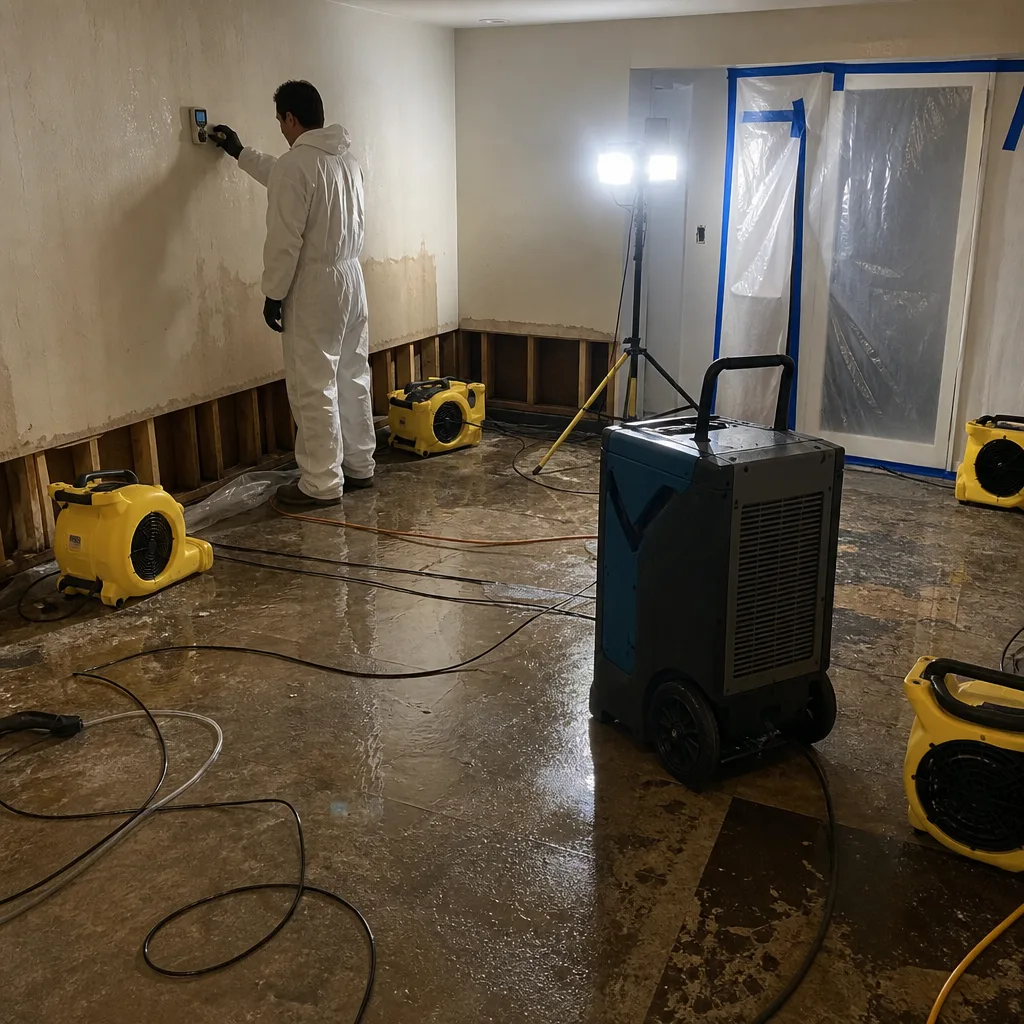
This is where Lynwood’s older homes fight back. The plaster and lath walls common to houses built before 1965 hold moisture differently than modern drywall, and still receive wood framing behind them does not release water evenly if the original vapor barrier is missing, which it almost always is. We use Dri-Eaz LGR dehumidifiers, Phoenix axial air movers, and Injectidry injection-drying panels to pull water from wall cavities and subfloor spaces without gutting the entire room. We also check for hidden conditions that a national chain’s tech might never think to probe: unpermitted rear additions with no vapor barrier, wicking moisture upward for years before the pipe even burst.
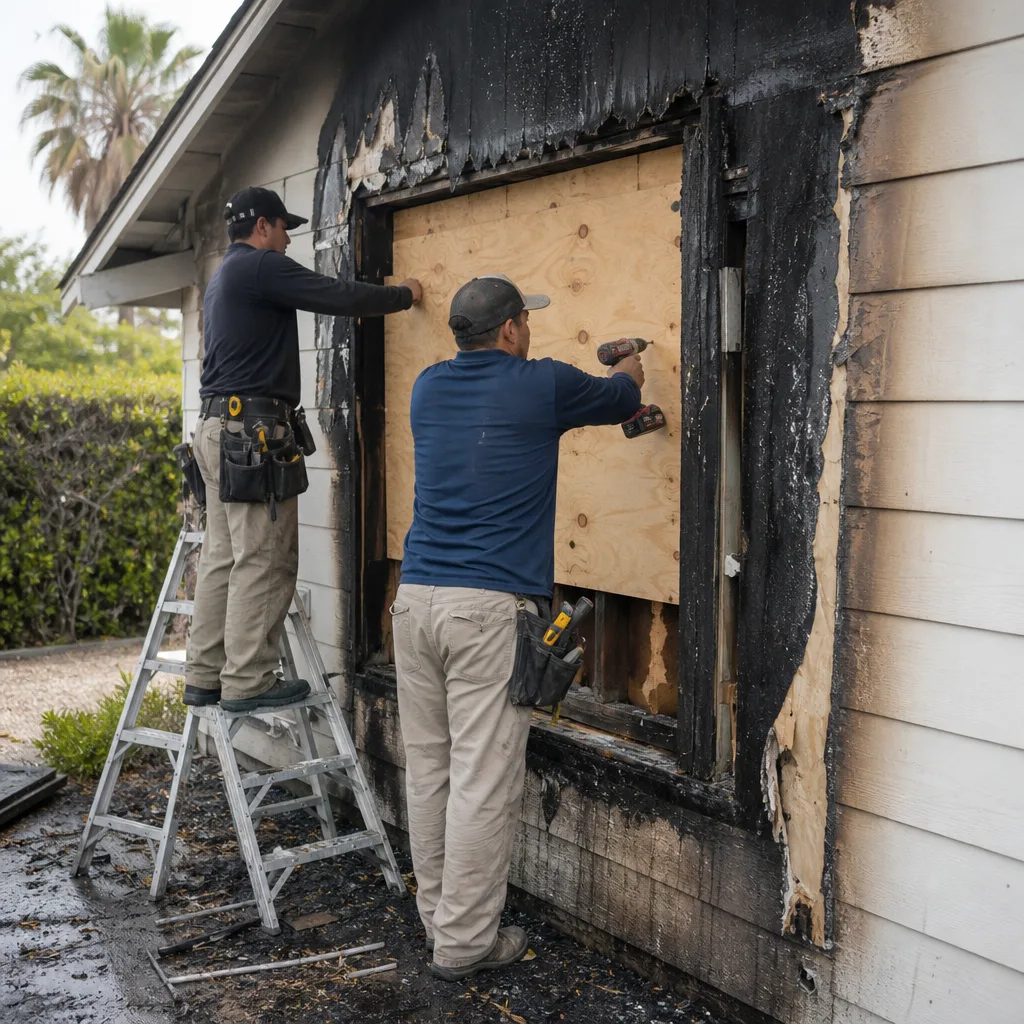
Flood Cleanup
When atmospheric river storms park over the South LA basin, Lynwood’s flat terrain and clay-dominant soils slow drainage dramatically. Groundwater rises against slab foundations faster here than in better-drained neighborhoods, and floodwater brings hydrocarbons and biological contaminants that a standard mop-and-fan approach won’t address. We handle contaminated water extraction, antimicrobial treatment, and structural drying with full containment when necessary. Our crews document everything in photos and moisture logs, because your flood claim will go smoother when the adjuster can see exactly what we found on day one.
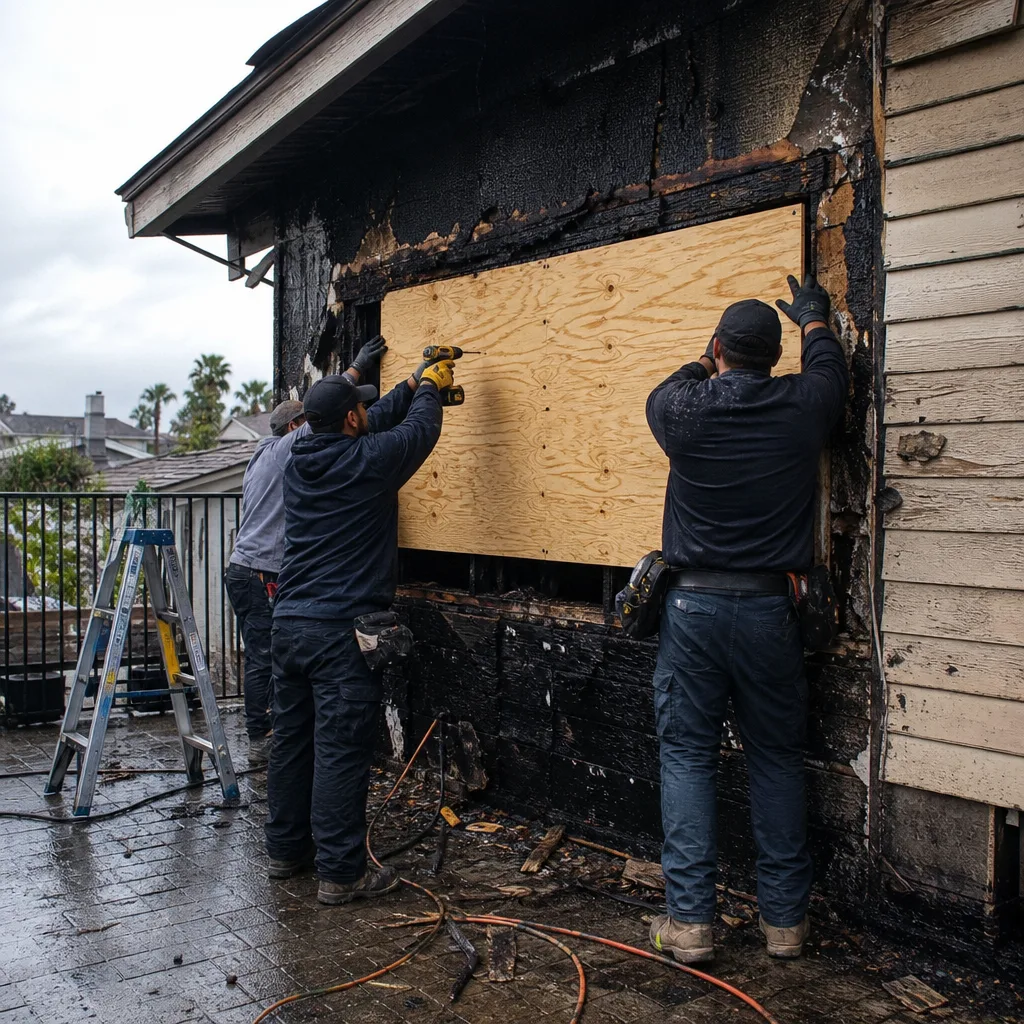
Burst Pipe Restoration
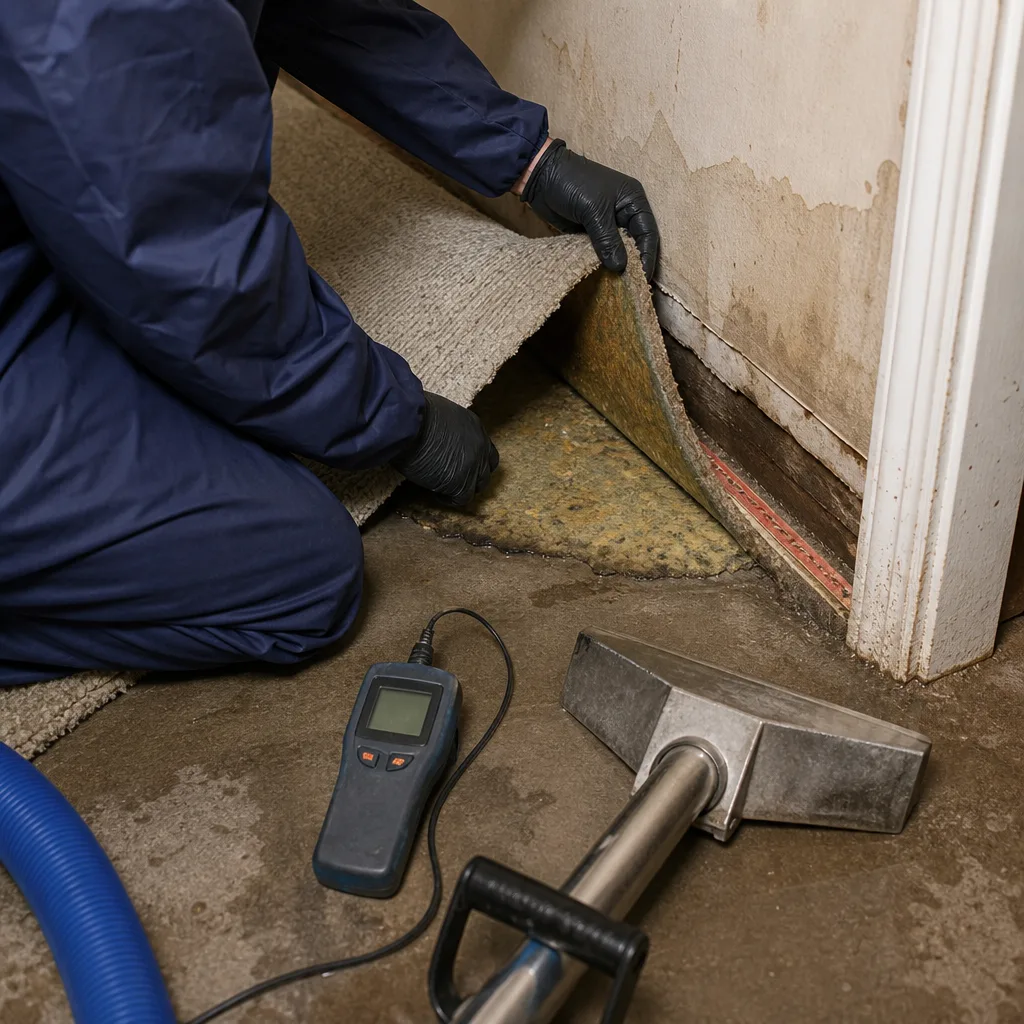
Lynwood’s original galvanized steel supply lines were good for about fifty years. They’re now seventy to eighty years old, and they fail at the worst possible moments. When a galvanized line bursts in a crawlspace or wall cavity, the water doesn’t just ruin the visible area. It travels along the bottom plates of stud walls and under flooring, sometimes for a week before anyone notices the musty smell. We locate the source, cut and cap the failed section, map the migration path with FLIR thermal imaging, and dry every affected cavity. Then we help you decide: repair the section or replace the run entirely. The repair is cheaper today; the replacement is cheaper over the next decade. We’ll quote both, in writing, before any work starts.
Ceiling & Roof Leak Water Damage
Lynwood’s post-war bungalows often have low-slope roofs, and the original asphalt shingle roofs from the 1950s and 1960s have been replaced several times over, sometimes poorly. A roof leak usually shows up as a stain on the ceiling first, which means the water has already soaked through the plaster or drywall above. We dry ceiling cavities from above and below, remove compromised plaster or drywall, and check the surrounding framing for hidden rot. In homes with original plaster ceilings, we test for lead-based paint before any cutting happens, because California regulations are non-negotiable and we will not put your family at risk.
What happens when you call
- 1
A real person answersNo phone trees - you reach a local pro.
- 2
You get an upfront price rangeHonest numbers before anyone is dispatched.
- 3
A background-checked tech heads outLicensed & insured, dispatched right away.
- 4
You approve before work beginsNothing starts until you say go.
Trusted Brands We Service in Lynwood
Our drying equipment isn’t whatever was on sale at the supply house. We run Dri-Eaz LGR dehumidifiers, Phoenix axial air movers, and Injectidry injection-drying systems on every Lynwood job, because these are the machines that actually pull water from lath-and-plaster walls and slab subfloors. Our technicians hold IICRC certifications and the company maintains RIA affiliation, which means the people standing in your flooded living room have trained on the exact equipment we’re rolling through your front door. If you’ve ever seen a national crew show up with residential dehumidifiers from a big-box store and call it “commercial drying,” you already know the difference. We bring the professional-grade units every single time, and we know how to place them so the air actually moves through Lynwood’s older wall cavities instead of just circulating around them.
Common Water Damage Restoration Problems We See in Lynwood Homes
- Asbestos and lead testing requirements slowing down the drying timeline. Homes built between 1945 and 1965 in Lynwood almost always contain asbestos floor tiles, duct insulation, and lead-based paint. California law requires an assessment before we cut into or disturb these materials. That means a “simple” extraction job often includes a testing stop that adds a day or two and a few hundred dollars that the adjuster didn’t plan for. We know exactly which local labs and certified assessors can clear these homes fast, because we work with them constantly.
- Unpermitted additions wicking ground moisture for years before the actual leak. A 1948 bungalow with a garage conversion built in the 1980s and a rear unit added in the 1990s is not a standard building envelope. These additions were built without vapor barriers, against original stucco walls, with unknown insulation types. When water finds them, it moves in ways no textbook diagram predicts. We’ve seen a one-day pipe break turn into an 1,100-square-foot drying footprint because the slab edge had been wicking groundwater since the day the unpermitted room was framed.
- Mold blooms in 48 to 72 hours during Lynwood’s inland heat. Our summers are hot and still. A small supply-line leak behind a kitchen cabinet on Fernwood Avenue will bloom into a full mold colony within three days. What could have been a $1,200 extraction and drying job turns into a $6,000 to $9,000 containment and remediation project. The single most expensive mistake a Lynwood homeowner can make is waiting to call.
- Cracked cast-iron drain stacks from expanding clay soils. Lynwood’s clay-dominant soils absorb water and swell dramatically. After a burst pipe or extended leak soaks the ground under the slab, that expansion puts pressure on the original cast-iron drain lines. It isn’t uncommon for a water damage job to become a sewer backup job when the drain stack cracks. We handle both, and that’s one of the reasons adjusters in this area prefer working with a single crew that knows these older systems.
Pricing for Water Damage Restoration in Lynwood, CA
Water damage pricing in Lynwood is determined by square footage, contamination level, the age of the house, and whether hazardous-material assessment triggers. We don’t play games with phone quotes. Here are the actual ranges we see in this market:
- Emergency water extraction: $450 to $1,100 for a typical single-room or hallway event. Larger flood events run higher.
- Structural drying and dehumidification: $1,000 to $2,200 for a standard 3-4 day drying cycle in a 1940s-1960s home with plaster walls and wood frame. Add 20-40% for unpermitted additions or complex wall cavities.
- Burst pipe restoration (repair and repair only): $850 to $1,800 to cut and cap a failed galvanized section and dry the affected area. Full supply-line replacement is quoted separately, based on the length of the run.
- Flood cleanup and decontamination: $2,500 to $7,000 depending on contamination level, square footage, and whether contaminated materials require removal.
- Ceiling and roof leak water damage: $600 to $1,500 for a contained ceiling cavity drying and repair, with lead-paint and asbestos protocols adding time and cost if testing is triggered.
We don’t charge a trip fee inside our own county. We offer a free second opinion on any written estimate you’ve received from another contractor. And we give a permanent 10% discount to seniors and veterans, because that’s just what we do. Call (855) 915-0646 for an exact quote. Wade will give it to you straight before anyone steps foot in your house.
We Also Serve Cities Near Lynwood
While this page is all about Lynwood, our crews are also out in South Gate, East Rancho Dominguez, Willowbrook, and Paramount every week. If you’re just over the Lynwood border and have water where it shouldn’t be, call us first. We know those neighborhoods too, and the same daily moisture logs and direct adjuster communication apply everywhere we go.
Serving Lynwood, CA - Our Local Coverage Area
We’re based in the Lynwood area and know this community well. Use the map below to see our service coverage - if you’re nearby, we can almost certainly help.
FAQs - Water Damage Restoration in Lynwood
If we are only extracting standing water and placing drying equipment without cutting into walls, floors, or ceilings, testing is typically not required before we start. The moment we need to cut drywall, remove floor tiles, disturb duct insulation, or take down a plaster ceiling, California law requires an asbestos and lead paint assessment first. In your 1950s Lynwood bungalow, the floor tiles and much of the ductwork insulation are likely asbestos-containing. We coordinate with local certified assessors who can sample and clear the area quickly, but it does add time and cost to the job. Call (855) 915-0646 and we’ll tell you honestly whether your specific situation triggers testing before we even arrive.
Because the initial visible damage is almost never the full story in homes this age. Our FLIR thermal imaging regularly reveals moisture that has migrated behind original plaster walls, under unpermitted additions, and along uninsulated stud bays that the first walkthrough didn’t show. The nightly moisture logs we hand you document that every square foot we claim is actually wet, which is why adjusters trust our numbers and why the scope grows from 400 to 1,100 square feet on a regular basis in Lynwood’s housing stock. It’s not scope creep. It’s the house telling us the truth once the drywall is open.
Most post-war Lynwood bungalows sit on slab foundations, but the slab itself is actually what complicates drying. We use Injectidry injection-drying panels that pull moisture from beneath floor coverings, and we drill small-diameter probe holes in hidden locations to check subslab moisture. In many cases, we can dry the slab edge and the materials above it without excavating the entire floor. The exception is when a cracked cast-iron drain line is the source, which happens more often here than in newer cities. That repair does require opening a section of slab. But if it’s just groundwater from the clay soil wicking up through a missing vapor barrier, we can usually dry the structure without a full demo.
In Lynwood’s inland climate, mold can begin colonizing damp plaster and the wood lath behind it within 48 to 72 hours, faster in the summer when the attic heat accelerates it. Plaster ceilings are actually more forgiving than modern drywall because plaster is mineral-based and less of a food source, but the wooden lath strips behind it are not. We get drying started before that 48-hour window whenever possible. If you’ve had a slow roof leak that’s been staining the ceiling for weeks, assume mold is already present and call us before cutting anything open. Call (855) 915-0646 and we’ll assess it the same day.
Calling a national franchise that quotes one number on the phone and a much higher number once their crew is inside the house, then waiting days for that crew to actually arrive while the water keeps moving. Every day of delay in a 1950s Lynwood home means more moisture wicking into unpermitted additions, more risk to the original plaster walls, and more likelihood of a full mold containment job instead of a simple drying cycle. The second biggest mistake is letting someone cut into walls without checking for asbestos and lead first. That’s a health risk and a serious regulatory violation. Call Wade at (855) 915-0646 and he’ll give you a straight quote and a straight timeline before anyone touches a wall.
Written by Wade Ferris, Owner at Wade’s Restoration of California, serving Lynwood since 2007.