
Fast, Reliable Water Damage Restoration Across Hanford
Water damage restoration in Hanford typically costs between $1,800 and $5,400 for a standard Category 1 or 2 loss, and $4,000 to $11,000 or more when canal back-seep or fertilizer runoff pushes it into Category 3 contamination. That number climbs fast if water sits more than 48 hours. We get extraction running inside the hour for most Hanford calls, because Wade answers his own phone and heads out with a Dri-Eaz pump while most companies are still routing you through an answering service. Call (855) 915-0646 and you’ll talk to Wade or someone on his crew, not a dispatcher three states away.
Why Wade’s Restoration of California Is Hanford’s Preferred Water Damage Restoration Company
Wade Ferris started this company in 2007, and his name is still on the truck. That matters in Hanford, where homeowners near the historic Courthouse Square and out past the 93230 and 93232 ZIP codes want a face they’ll see again at the hardware store, not a national franchise that subcontracted the job to whoever bid lowest. Our crews serve Hanford locally, dispatched from the Central Valley office, and Wade’s cell number is right there on the contract. If something isn’t right 45 days later, you call the same guy who did the work. Not a 1-800 line.
Ask anyone on your street. Hanford is a place where reputation travels block by block, and we’ve spent 29 years in this trade earning ours one documented moisture reading at a time. Every job gets a daily moisture log, handed to you at the end. Almost nobody in this industry does that. Wade deals with your insurance adjuster directly, so you’re never stuck relaying information between two sides. And our 90-Day Done Right Promise is in writing on every water damage job: if it’s not done right, we make it right.
Our Water Damage Restoration Services in Hanford
The work we do across Hanford is shaped by what this city actually throws at homes. Tulare Lake basin geography, adobe clay, tule fog, and canal back-seep mean the standard national playbook doesn’t hold up here. Here’s what we handle most, and how Hanford specifically changes the scope. Our full Water Damage Restoration process applies to every job below.
Emergency Water Extraction
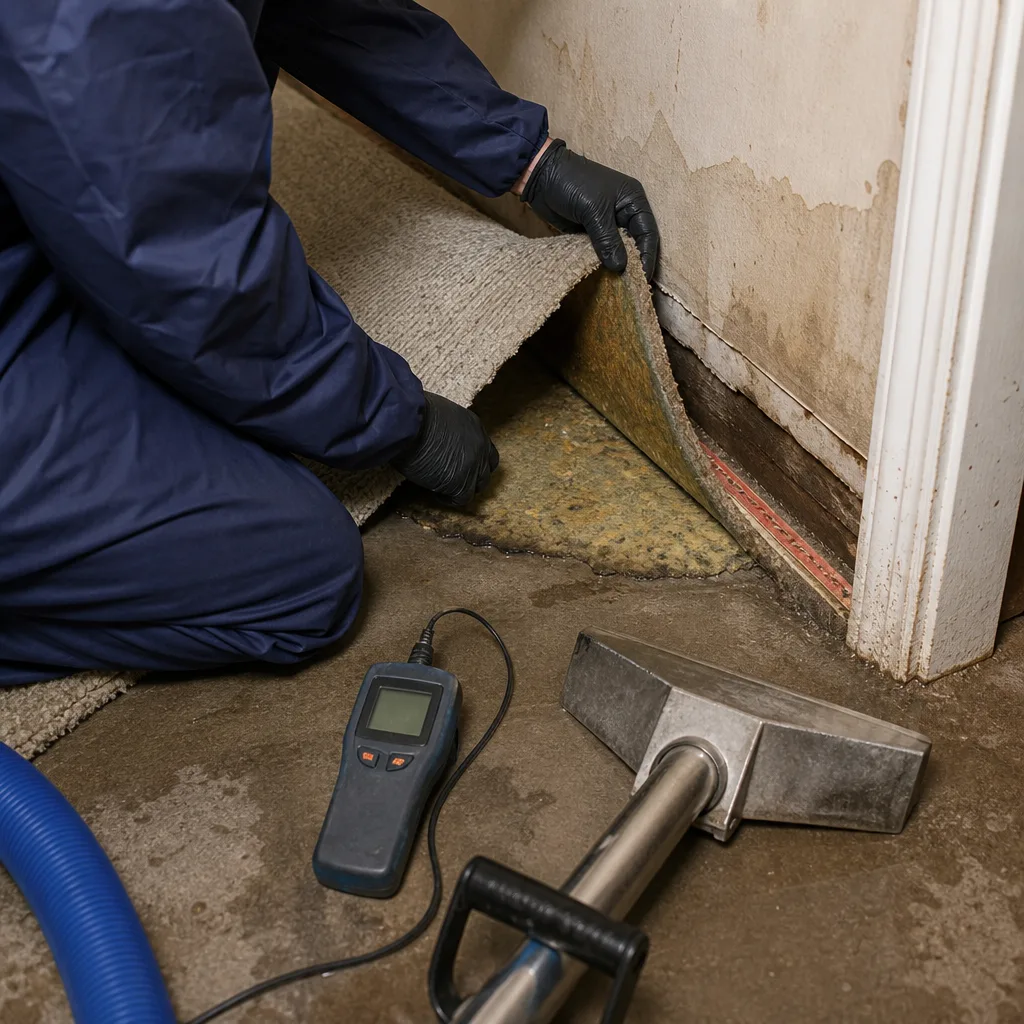
When a supply line bursts on a 1920s Craftsman near the Courthouse Square, or a water heater floods a post-war ranch near Hidden Valley Park, the first 24 hours decide whether you’re looking at a $2,000 dry-out or a $9,000 remediation. We run truck-mounted and portable extraction units from Dri-Eaz and XPOWER, and Wade can have a crew moving inside the hour for most Hanford calls. The flat terrain and dense adobe clay here means water doesn’t drain away on its own. It sits. It seeps into slab cracks. It finds every low spot in a crawl space.
Structural Drying & Dehumidification
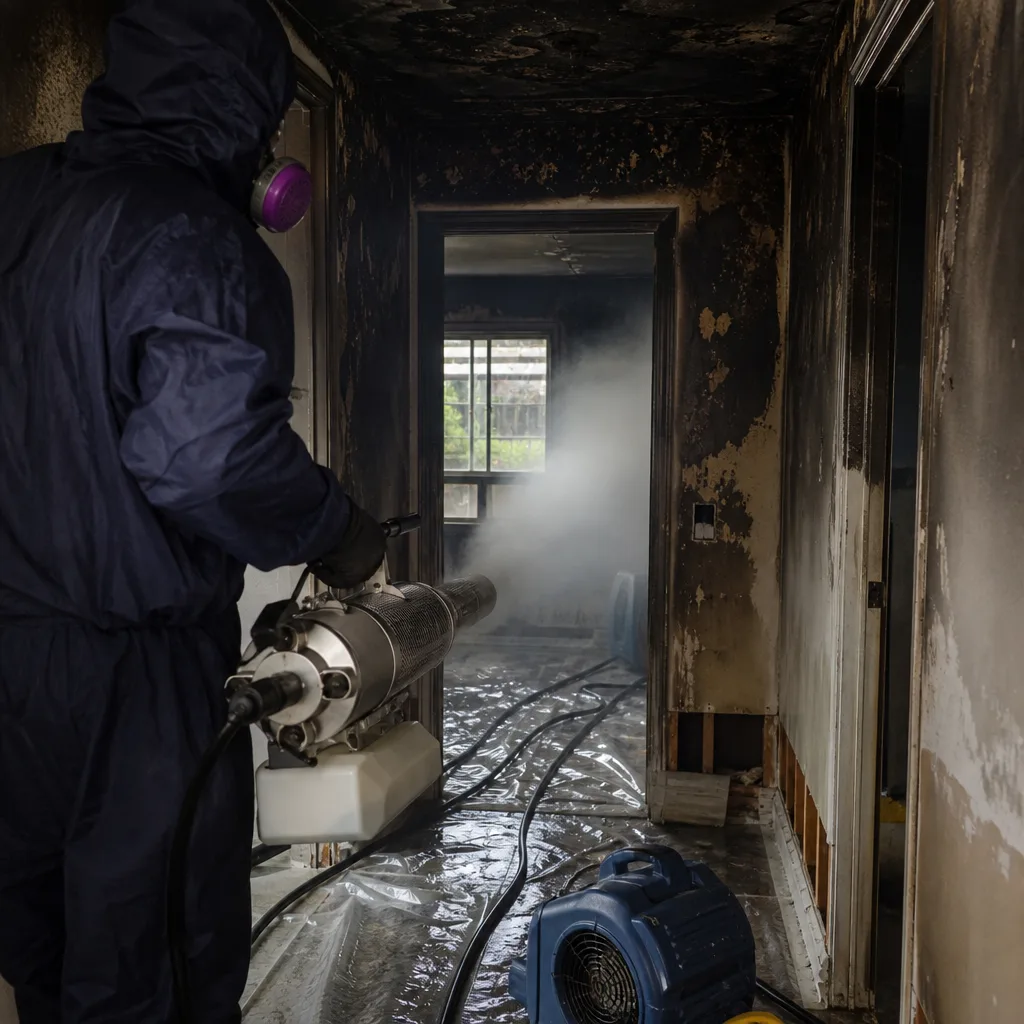
Hanford’s tule fog season, roughly November through February, keeps ambient humidity so high that structural drying timelines stretch far beyond what a drier climate would allow. We account for that from the first day, running Phoenix desiccant dehumidifiers and Injectidry floor mats longer and with more frequent moisture readings than a standard job in, say, Fresno would need. A national franchise that applies a one-size-fits-all drying formula will pull equipment too early here, and you’ll pay for it in mold six weeks later.
Flood Cleanup
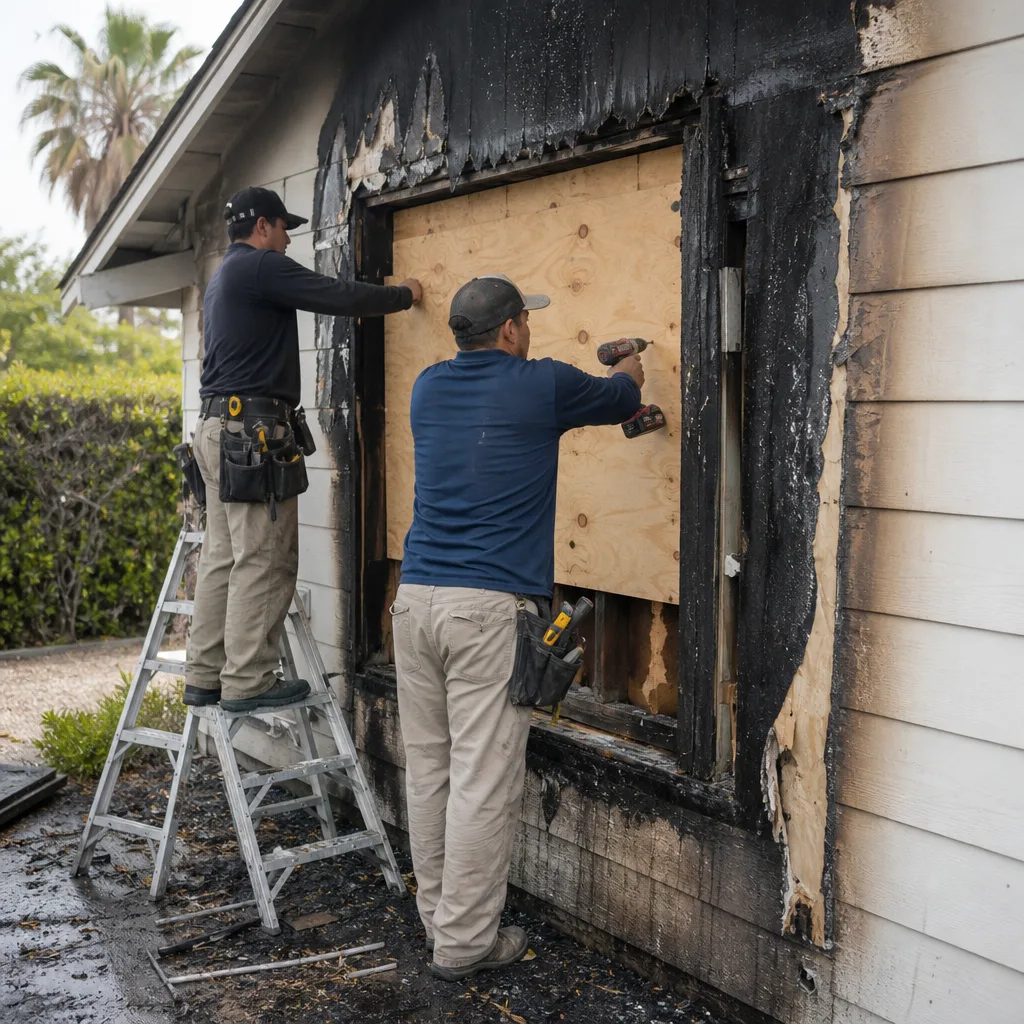
This is where Hanford is genuinely different. The city sits in the historic Tulare Lake basin, and when heavy rain hits, the dense clay soil has nowhere to send the water. The Tulare Lake basin re-emerged in 2023 and inundated parts of Kings County, and homes in Hanford saw surface flooding that overwhelmed residential construction. Floodwater here carries agricultural silt and sometimes fertilizer residue from the Kings River irrigation laterals and district canals that web around town. That’s a contamination profile most restoration companies never test for. We do.
Burst Pipe Restoration
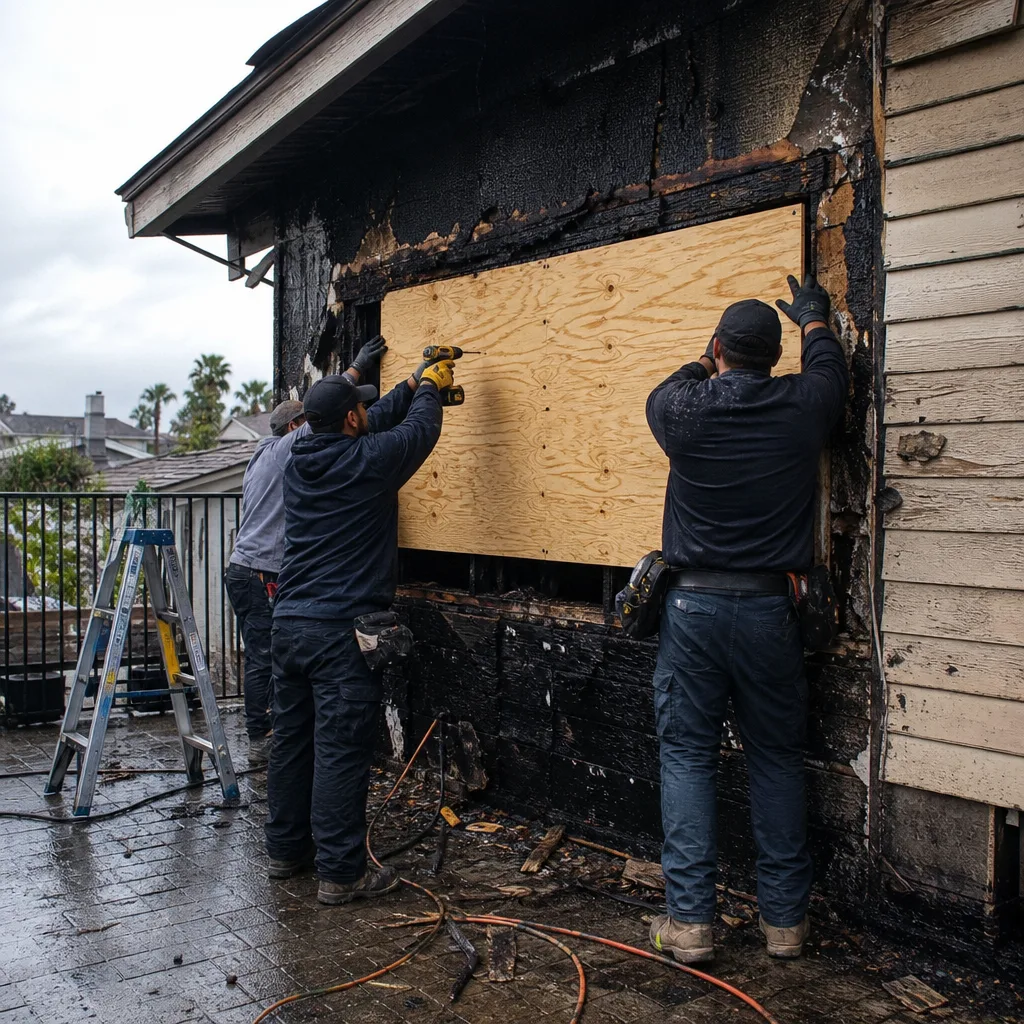
Hanford’s older housing stock, especially the Victorian and Craftsman homes near the Courthouse Square, often still runs galvanized plumbing that was installed when Taft was president. Corrosion fails, pipes burst, and the water finds the same low spots the adobe clay directs it to. We handle the full repair scope: extraction, drying, drywall, flooring, and the reconstruction that follows. One call brings Wade back for every phase.
What happens when you call
- 1
A real person answersNo phone trees - you reach a local pro.
- 2
You get an upfront price rangeHonest numbers before anyone is dispatched.
- 3
A background-checked tech heads outLicensed & insured, dispatched right away.
- 4
You approve before work beginsNothing starts until you say go.
Trusted Brands We Service in Hanford
We run Dri-Eaz extraction and drying equipment and Phoenix desiccant dehumidifiers because they’re the best made, and because Hanford’s fog-heavy winters demand equipment that holds up over long drying schedules. Our crews carry IICRC certification and RIA affiliation, and we stock the consumables needed to keep a Hanford job moving without waiting on a parts truck from out of county. That means for burst pipes, flood cleanup, and structural drying, you’re not paying downtime while a national outfit waits for a shipment.
Common Water Damage Restoration Problems We See in Hanford Homes
- Canal back-seep mistaken for clean water. Irrigation laterals and district canals around Hanford can overflow or back-seep into crawl spaces during high-runoff years. The water carries agricultural sediment and fertilizer residue. Treating that as a simple freshwater loss skips the antimicrobial treatment and vapor barrier replacement it actually requires, and that under-remediation shows up later as persistent odor and mold.
- Drying schedules that ignore tule fog. Weeks of fog from November through February hold humidity above 60% for days on end. Restoration companies that dry by a formula written for dry inland climates pull equipment too soon, and hidden moisture in adobe-clay-soaked crawl spaces turns into mold inside a month.
- Silt baked into slab cracks. Post-flood runoff through Hanford’s flat, low-lying neighborhoods carries fine agricultural silt. If extraction doesn’t happen within 24 to 48 hours, summer heat bakes that silt into slab cracks and crawl space surfaces, and remediation becomes genuinely hard, heavy work that costs far more than a same-day response would have.
- Older stock with no vapor barriers. The late 19th- and early 20th-century homes around the historic Courthouse Square often predate modern moisture control. Substandard or missing vapor barriers mean water intrusion from a single event wicks into floor joists and sill plates fast, and the repair scope expands into structural territory quickly.
Pricing for Water Damage Restoration in Hanford, CA
Here are honest ranges for what Hanford homeowners actually pay. Emergency water extraction for a single room runs $800 to $1,600. Full structural drying with desiccant dehumidifiers and Injectidry mats for a typical single-story home runs $2,500 to $4,800. Flood cleanup involving canal back-seep or Category 3 contamination runs $4,000 to $9,500, because antimicrobial treatment, vapor barrier replacement, and silt removal are labor-heavy. Burst pipe restoration including extraction, dry-out, and drywall repair runs $3,000 to $7,000. We carry belt-and-suspenders credentials: IICRC-certified, RIA-affiliated, IFA-recognized. Estimates are free, and our senior and veteran discount is 10% always. If anyone quoted you a different number, bring us the written estimate and we’ll give you a free second opinion. No trip charge inside our county.
We Also Serve Cities Near Hanford
We run the same local, owner-accountable service model in the towns around Hanford: Kingsburg, Lemoore, Selma, and Dinuba. Same live-answer phone, same 90-Day Done Right Promise, same Wade on the other end of the line. If you’re just outside the city line, call and we’ll tell you straight whether we’re the right fit for the job.
Serving Hanford, CA - Our Local Coverage Area
We’re based in the Hanford area and know this community well. Use the map below to see our service coverage - if you’re nearby, we can almost certainly help.
FAQs - Water Damage Restoration in Hanford
Hanford’s expansive adobe clay swells and cracks with moisture changes, which means water that enters a slab foundation or crawl space spreads differently than it would on sandy soil, and the contract must account for additional drying time and more aggressive moisture monitoring. Our crews take daily moisture readings because of this exact condition, and we hand you the full log at the end of the job. If your home has existing slab cracks from decades of clay heave, water restoration can turn into a bigger structural conversation, and we’ll tell you that honestly before you spend a dollar. Call (855) 915-0646 for a straight answer on your foundation’s condition.
Kings River irrigation laterals and district canals carry agricultural runoff that includes fertilizer residue and sediment, which makes that water Category 2 at minimum and Category 3 when nitrate or bacterial testing confirms contamination, and that requires antimicrobial treatment and vapor barrier replacement rather than a simple dry-out. Treating canal back-seep as clean water is the most common under-remediation we see in Hanford, and it’s why we test instead of assuming. The 90-Day Done Right Promise covers the full scope we recommended, in writing.
Yes, tule fog keeps ambient humidity elevated for weeks during late fall and winter, which significantly slows evaporative drying and demands longer equipment run times and a different dehumidification strategy than homes in drier climates need. We run Phoenix desiccant dehumidifiers specifically because they perform in high-humidity conditions, and we schedule more frequent moisture readings during fog season. A company that dries by a generic formula will under-dry your framing, and you’ll smell the result by spring. Call us at (855) 915-0646 if you’re mid-dry-out and something feels off.
Homes near the city’s agricultural fringe and along the path of district canal laterals, plus the older Victorian and Craftsman blocks around the historic Courthouse Square, face the highest combined risk because canal back-seep and aging plumbing converge there. Post-WWII ranch homes and slab-on-grade tract subdivisions on the city’s edges also see slab-crack water intrusion from expansive clay, but the canal proximity is the variable that pushes losses into Category 3 fast. If your street is within a few blocks of a lateral, you’re in the higher-risk zone and should act quickly after any flooding event.
Within 24 to 48 hours, and ideally the same day you notice standing water, because Hanford’s fine agricultural silt bakes into slab cracks and crawl space surfaces once it dries and hardens, turning a straightforward extraction into an expensive remediation. Tule fog makes that timeline tighter by keeping everything damp for weeks. The field vignette that sticks with us: a February call near the historic Courthouse Square after a week of fog and heavy rain, a 1920s Craftsman with standing water in the crawl space that had back-seeped from an adjacent irrigation lateral. We extracted with Dri-Eaz pumps, ran Injectidry floor mats and Phoenix desiccants for structural drying, and only after testing showed elevated nitrates did we upgrade the loss to Category 3 and perform full antimicrobial treatment and vapor barrier replacement. That’s the difference between a company that tests and one that assumes. Call (855) 915-0646 the moment you see water.
Written by Wade Ferris, Owner at Wade’s Restoration of California, serving Hanford since 2007.