
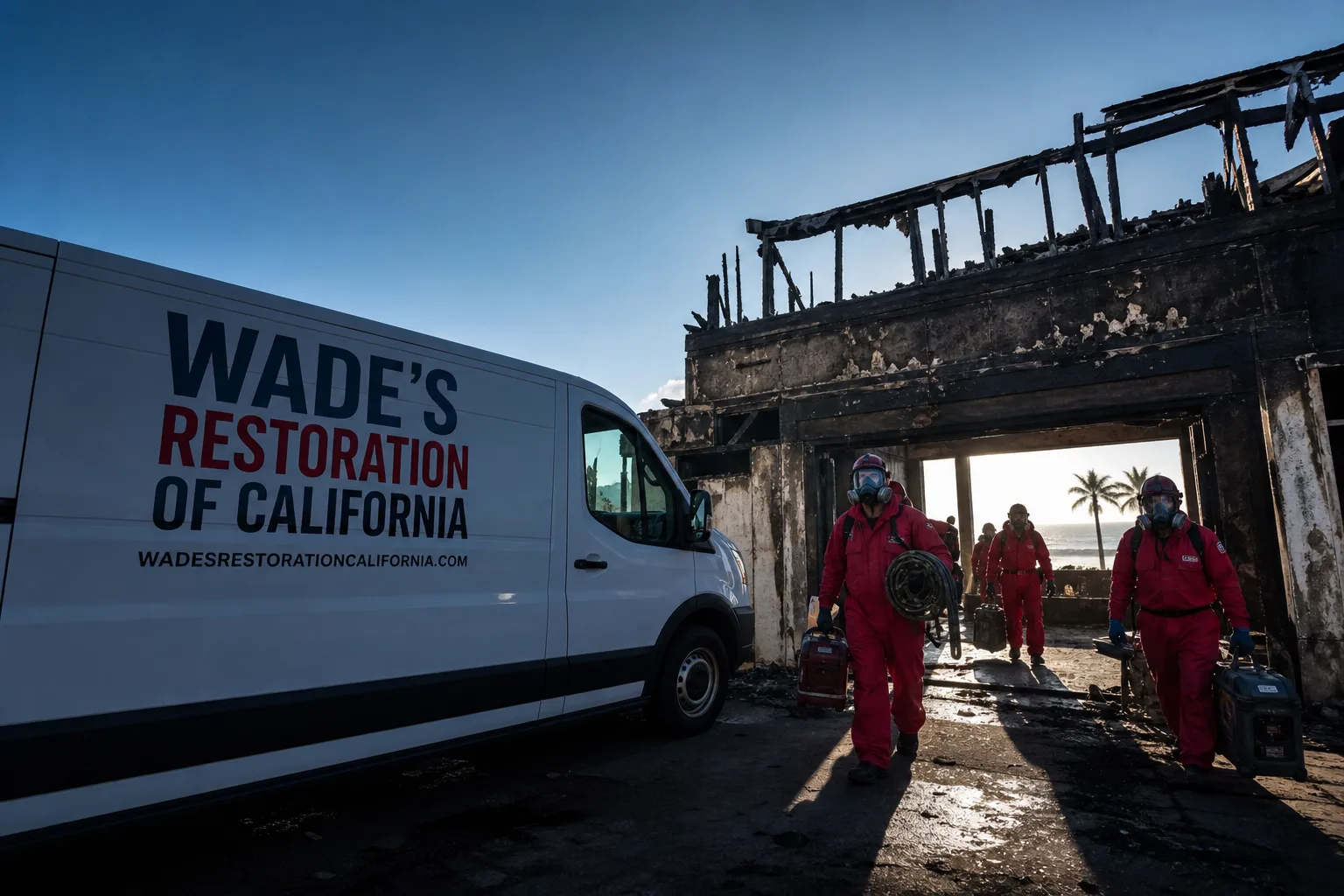
Fast, Reliable Storm & Disaster Restoration Across Pleasanton
Storm damage in Pleasanton doesn’t wait for business hours, and neither do we. When an atmospheric river pushes through the Altamont Pass and sends water over the banks of the Arroyo Mocho, you need someone who knows exactly which streets flood first and which stucco tract homes hide moisture inside their walls. Wade Ferris answers his own phone at (855) 915-0646, 24 hours a day. He can have extraction equipment running in your Pleasanton home inside the hour. That’s not a promise from a call center. That’s how a local business that’s been doing this since 2007 operates.
We’re not a franchise. We’re not a national chain with a rotating crew of strangers. Wade’s Restoration of California is owner-operated, and Wade’s name is on the truck, the contract, and the work. If you live in Pleasanton, you’ll see him at the hardware store on a Saturday. That’s the oldest accountability system there is, and it still works.
Why Wade’s Restoration of California Is Pleasanton’s Preferred Storm & Disaster Restoration Company
Pleasanton homeowners have been calling us since 2007, and the reason is simple: we show up, we document everything, and we don’t play games with pricing. Crews serving Pleasanton are dispatched from our San Francisco Bay Area office, which means we’re local, not a satellite branch of some out-of-state outfit.
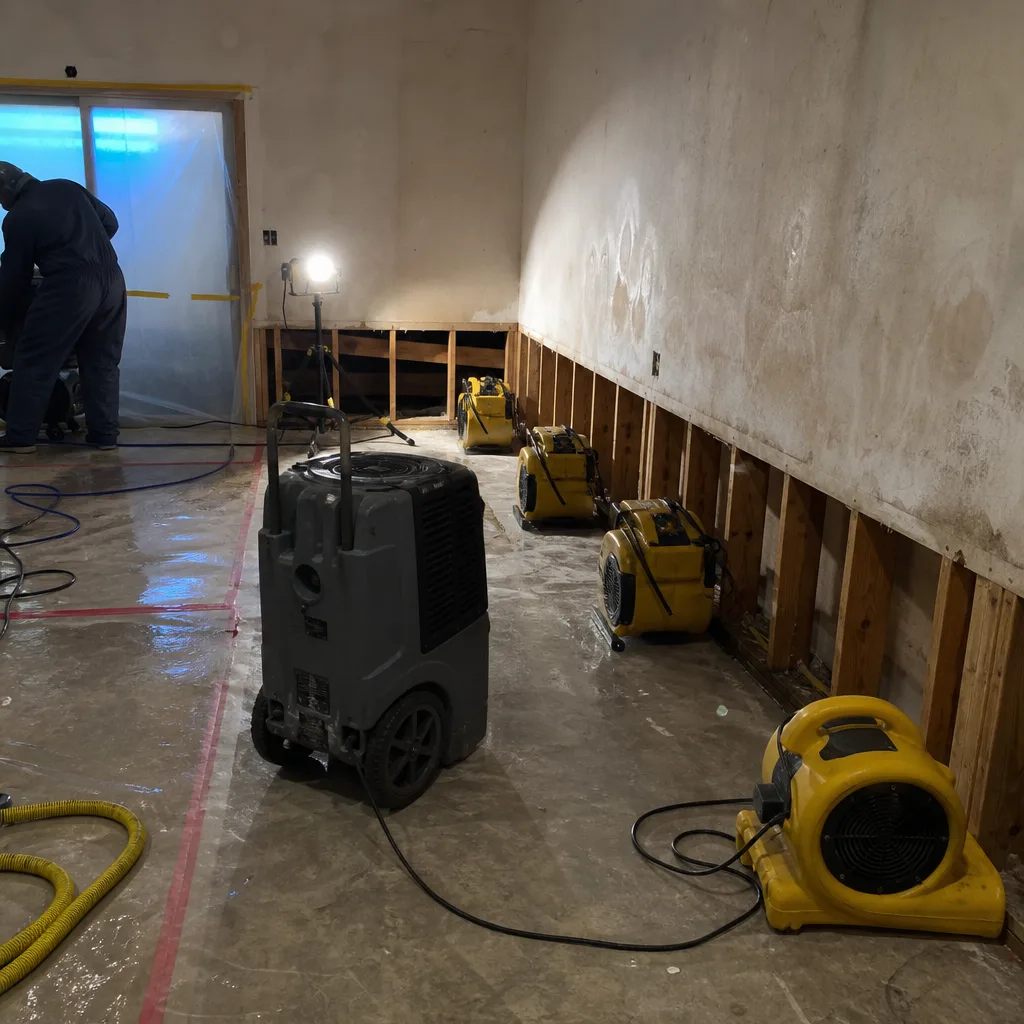
Wade and his team hold IICRC certification and maintain RIA affiliation. The equipment you’ll see in your home comes from Dri-Eaz and Phoenix, brands serious restoration professionals trust. Ask anyone on your street who’s dealt with a flood claim. They’ll tell you the same thing: the company that hands you a written scope before starting work is the one you want. We do that on every job.
Our Storm & Disaster Restoration team has spent years learning Pleasanton’s specific trouble spots: the FEMA-mapped flood zones along the arroyos, the 1980s and 1990s stucco tract homes whose original waterproofing is now failing, and the clay-heavy soils that hold water against foundations long after a storm clears. That local knowledge isn’t something you can get from a dispatcher in another state.
Wade also hands every homeowner a daily moisture log. Not a summary. The full log, every reading, every day, until the job is done. Almost nobody in this trade does that. If you want to verify the drying is working, the numbers are right there on your kitchen counter.
Our Storm & Disaster Restoration Services in Pleasanton
Storm damage in Pleasanton takes several forms, and each one needs a different response. Here’s what we handle most often in the 94566 and 94588 ZIP codes:
Flood Damage Restoration
Pleasanton’s inland valley location means atmospheric river storms funnel through the Altamont Pass and dump concentrated rainfall onto the city. The Arroyo Mocho and Arroyo Valle creek corridors both run through residential neighborhoods, and when those creeks overtop, basements and slab foundations in the surrounding tract homes take the hit. Flood restoration in Pleasanton typically runs $3,500 to $12,000 depending on how much water entered the structure and how long it sat. We extract, we dry, and we document every step with moisture readings so your insurance adjuster sees exactly what we saw.
Storm Damage Cleanup
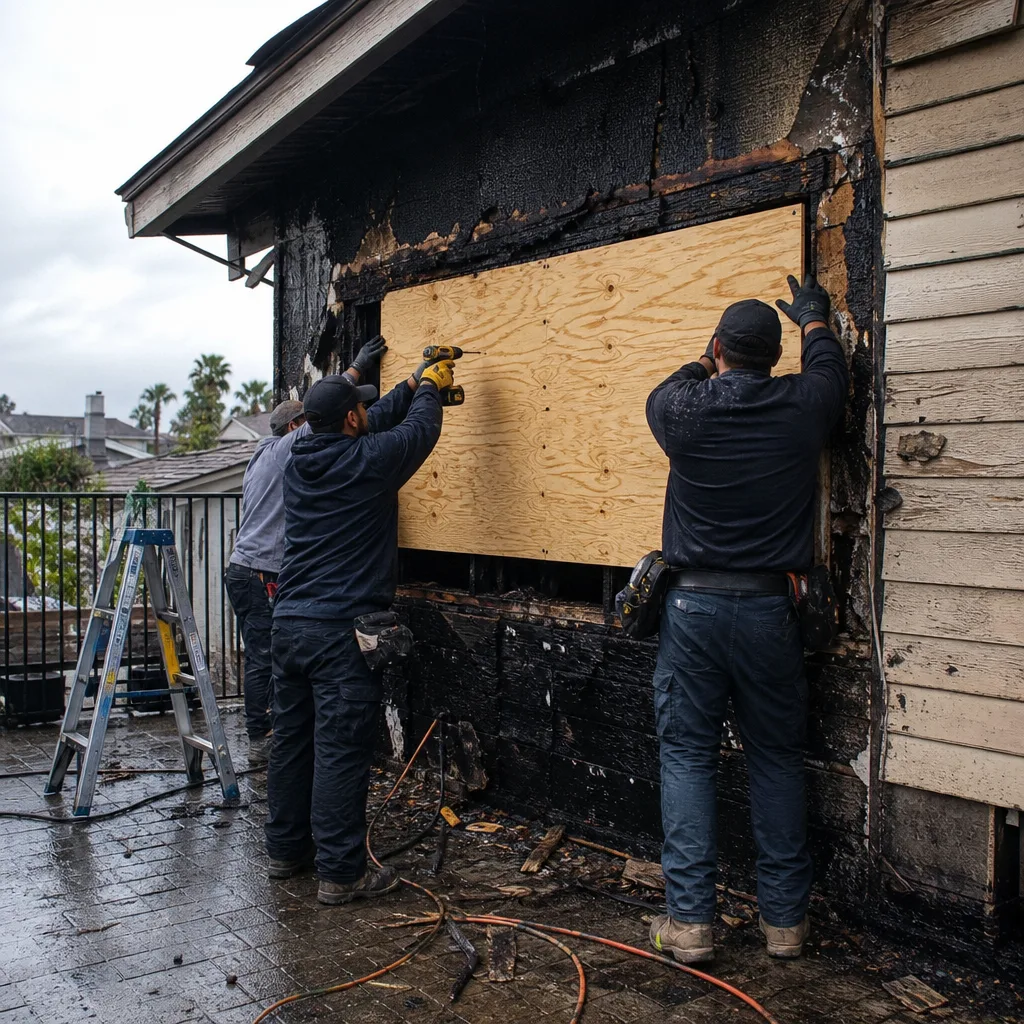
After a storm passes through Pleasanton, homeowners deal with downed branches, wind-driven debris, and saturated landscaping that channels water toward the house. Our crew removes debris, clears storm drains near your foundation, and checks for water intrusion around windows and door thresholds. Cleanup in Pleasanton typically runs $800 to $2,500 for a standard residential property, though a major tree-down situation can go higher.
Emergency Board-Up
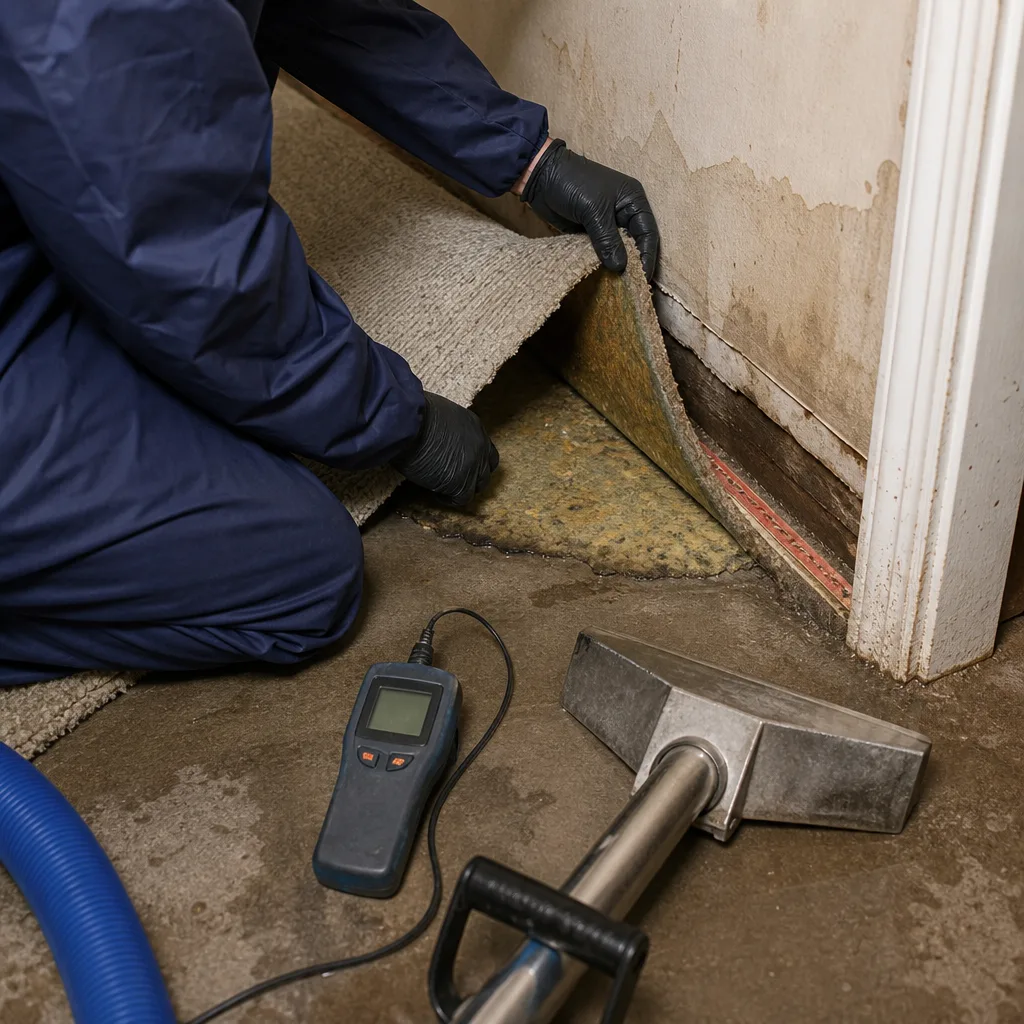
Wind damage in Pleasanton can rip shingles, shatter windows, or compromise a door frame. Leaving those openings exposed invites more water, animals, and vandals. Same-day board-up is something we prioritize, especially in the Birdland neighborhood and along Valley Avenue where mature trees overhang homes. Board-up service in Pleasanton typically runs $300 to $900 for standard window or door openings.
Roof Tarping
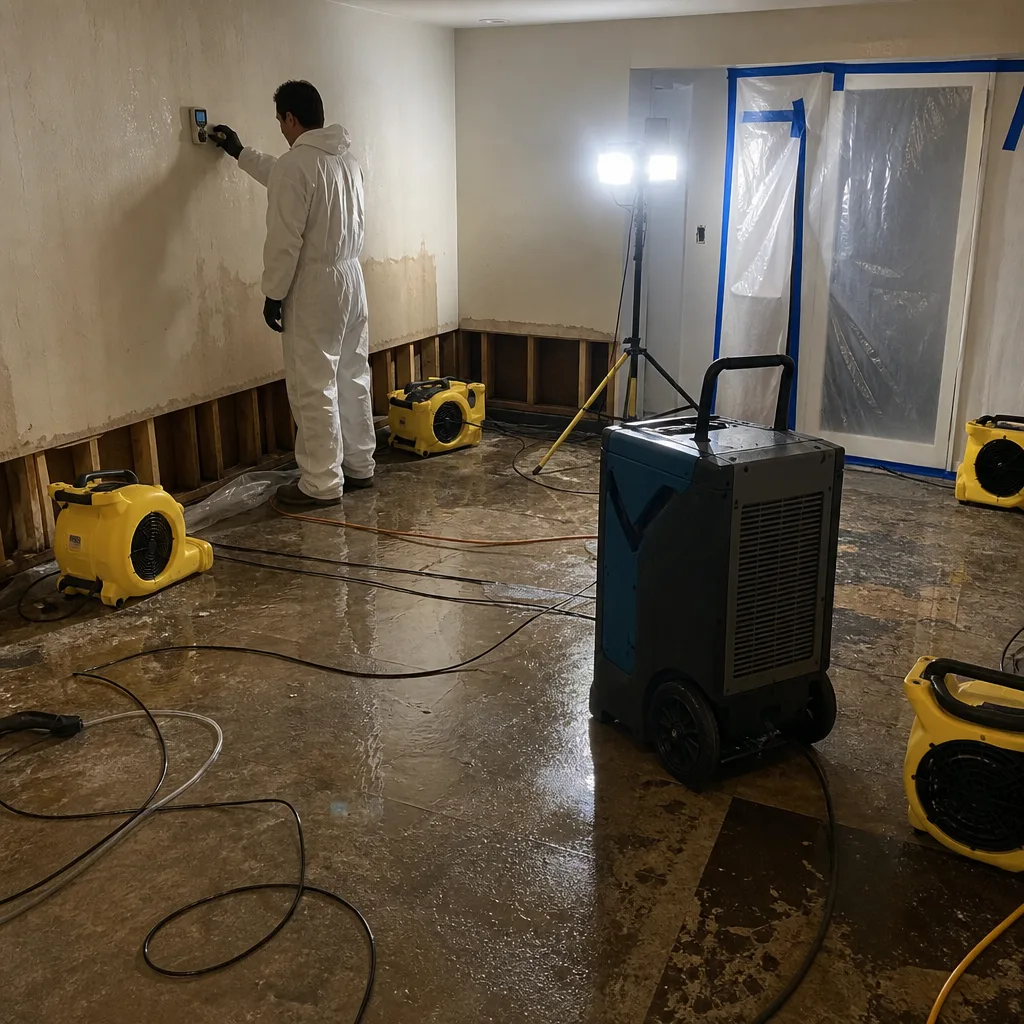
A compromised roof is a race against the next storm. Pleasanton’s stucco homes can hide a surprising amount of water intrusion behind the walls before a ceiling stain ever appears. We tarp damaged roof sections quickly, using fasteners that won’t add more holes to your decking. Roof tarping in Pleasanton typically runs $450 to $1,200 depending on roof pitch and the size of the damaged area.
What happens when you call
- 1
A real person answersNo phone trees - you reach a local pro.
- 2
You get an upfront price rangeHonest numbers before anyone is dispatched.
- 3
A background-checked tech heads outLicensed & insured, dispatched right away.
- 4
You approve before work beginsNothing starts until you say go.
Trusted Brands We Service in Pleasanton
Our storm restoration work in Pleasanton relies on equipment from Dri-Eaz and Phoenix, two brands we’ve run for years without hesitation. Dri-Eaz dehumidifiers and air movers pull moisture from wall cavities and slab foundations efficiently. Phoenix drying systems handle the longer dry times Pleasanton’s clay-heavy soils demand. We keep our equipment maintained and calibrated, and we stock common parts locally so a failed sensor or clogged filter doesn’t slow your restoration down. If you see a tech show up with off-brand equipment, ask questions. The good stuff matters when your walls are wet.
Common Storm & Disaster Restoration Problems We See in Pleasanton Homes
- Hidden wall-cavity moisture in stucco tract homes. Pleasanton’s 1980s and 1990s stucco-over-wood-frame homes are hitting the age where original weep screeds and flashing fail. Water gets behind the stucco and sits there. Without moisture mapping along arroyo-adjacent streets like those in the Birdland neighborhood, that hidden mold goes untreated until it’s a much larger problem.
- Premature drying timelines imported from coastal cities. Dublin and San Ramon drain faster than Pleasanton does. Our valley’s clay soils hold water tight, and drying cycles here take longer. A company using coastal Bay Area equipment runtimes will pull air movers too early and leave secondary damage behind.
- Insurance disputes on repeat-loss properties. Homes along the Arroyo Mocho corridor that sit near the 100-year flood boundary often have prior flood claims and prior repairs. If pre-existing stucco micro-cracks and earlier drying records aren’t documented before new work starts, the adjuster has room to argue. We document everything up front.
- Older downtown homes with balloon-frame construction. Downtown Pleasanton’s pre-1940s Victorian and Craftsman houses have open wall cavities that wick water upward. Structural drying in those homes requires different equipment placement and longer monitoring than a slab-on-grade tract home. And some of those older homes have lead paint, which changes the scope of wall repairs after water intrusion.
Pricing for Storm & Disaster Restoration in Pleasanton, CA
Here are honest numbers for Pleasanton’s market. Emergency board-up runs $300 to $900 for standard openings. Roof tarping runs $450 to $1,200. Storm cleanup runs $800 to $2,500 for a typical residential property. Full flood restoration with extraction, drying, and sanitization runs $3,500 to $12,000, sometimes higher if the water sat for days or multiple rooms were affected. What changes the number: how much water, how long it sat, whether walls need to be opened, and whether mold has already started. Wade gives you a written scope before any work starts, so the price on paper is the price. Call (855) 915-0646 for a free estimate. The estimate is free, and there’s no trip charge inside our own county.
We Also Serve Cities Near Pleasanton
Our Storm & Disaster Restoration in Pleasanton work regularly takes us to neighboring communities, and we treat them the same way: fast response and written scopes. We serve Dublin, San Ramon, Livermore, and Hayward with the same crews and the same equipment. If you’re in one of those cities and dealing with storm damage, call the same number: (855) 915-0646.
Serving Pleasanton, CA - Our Local Coverage Area
We’re based in the Pleasanton area and know this community well. Use the map below to see our service coverage - if you’re nearby, we can almost certainly help.
FAQs - Storm & Disaster Restoration in Pleasanton
Pleasanton sits in the Amador Valley, and atmospheric river storms funnel moisture through the Altamont Pass directly into the Arroyo Mocho and Arroyo Valle creek corridors. Portions of Pleasanton’s residential neighborhoods fall within FEMA-mapped flood zones, which is a meaningfully higher flood risk than neighboring Dublin or San Ramon experience from the same storm system. If you live near either arroyo, treat flood risk as real, not theoretical, during any heavy rain event.
Pleasanton’s dominant housing stock was built between 1980 and 2000 using stucco-over-wood-frame construction. Those homes are now 30 to 40 years old, which is exactly the age range when original waterproofing membranes, weep screeds, and window pan flashing start to fail. The materials worked fine for their expected lifespan. They’ve now exceeded it. Add Pleasanton’s summer heat cycles, where temperatures regularly pass 95°F and cause aggressive stucco expansion and contraction, and you get micro-cracks that open before the rainy season arrives.
Homes in Birdland sit along the Arroyo Mocho corridor, and many are repeat-loss properties: they’ve flooded before, been remediated before, and sit just inside or just outside the 100-year flood boundary. For those homes, documentation of pre-existing conditions and prior drying records is critical. If that documentation isn’t done before new work starts, insurance disputes become likely and expensive. Wade’s team photographs, logs, and maps everything before touching a wall. Call (855) 915-0646 to get that process started the right way.
Clay soils near the Arroyo Mocho and Arroyo Valle saturate quickly and drain slowly. That means moisture stays against your foundation and slab for weeks after a storm event, not days. Structural drying timelines based on coastal Bay Area conditions will be too short. We run longer cycles, check moisture levels daily, and hand you the full log so you can see the numbers yourself. Pulling equipment too early is how you get secondary damage, and we don’t do that.
Yes. Downtown Pleasanton has a pocket of pre-1940s Victorian and Craftsman-era homes, and they behave differently than a 1990s tract home when water gets inside. Balloon-frame construction means wall cavities run open from foundation to attic, so water wicks upward fast. Those homes may also have lead paint, which triggers specific abatement requirements during wall repairs. Different equipment placement, different drying times, different scope. Wade’s team has worked on enough of those older Pleasanton homes to know what they need. Call (855) 915-0646 and describe the home. Wade will tell you straight what’s involved.
If you’re dealing with storm damage in Pleasanton right now, call (855) 915-0646. Wade Ferris answers his own phone. He’ll tell you what he can do, what it’ll cost, and how fast he can get there. No voicemail, no answering service, no runaround.
Written by Wade Ferris, Owner at Wade’s Restoration of California, serving Pleasanton and surrounding communities since 2007.