
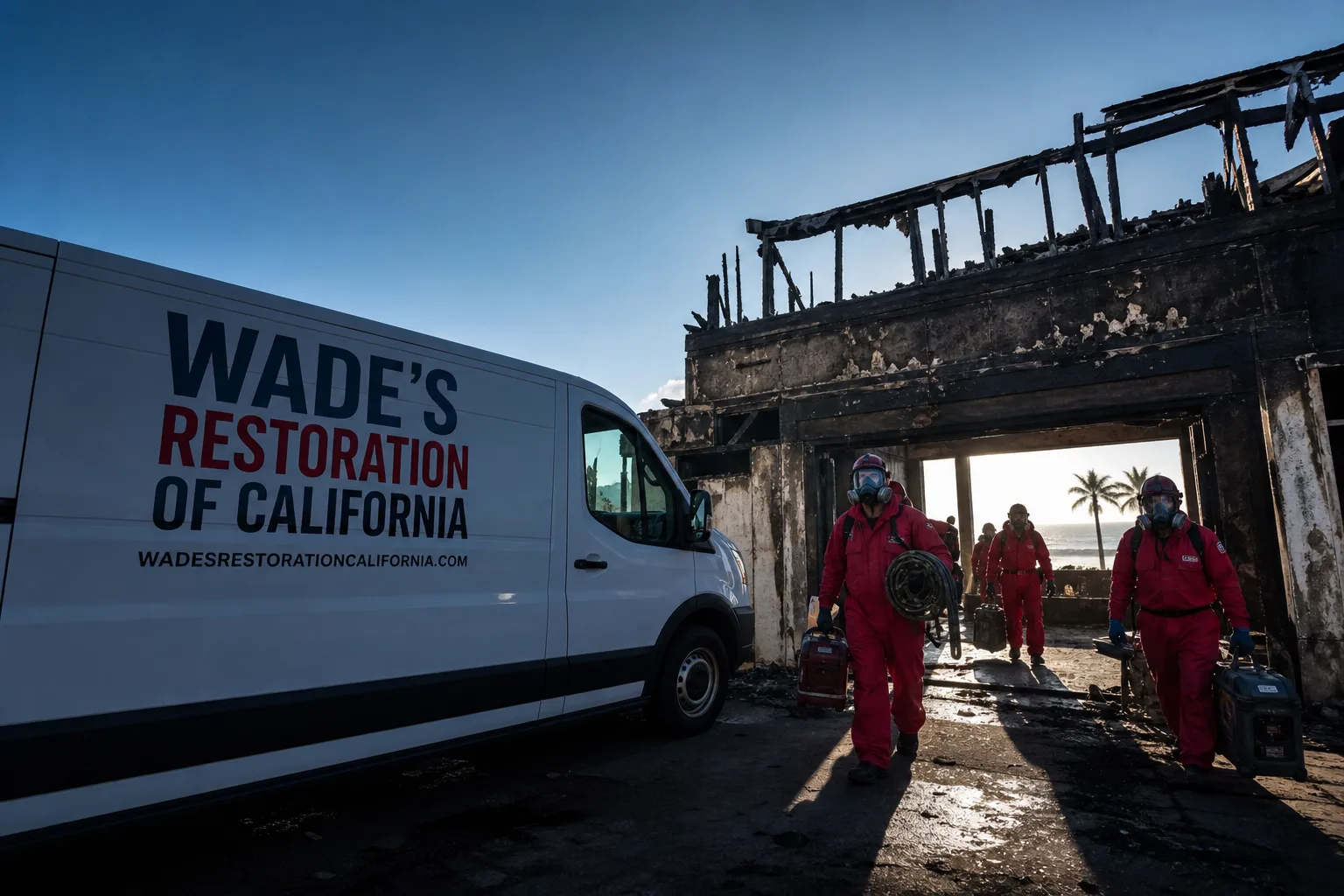
Fast, Reliable Storm & Disaster Restoration Across Newark
Storm and disaster restoration in Newark means dealing with water that doesn’t leave. The city sits on former tidal wetlands and bay fill, with the Don Edwards San Francisco Bay National Wildlife Refuge wrapping around three sides, so when winter storms push through, the flat terrain has nowhere to send the water. Groundwater rises up through slab foundations and lingers for weeks. We’ve been handling that reality for years, and we answer the phone at (855) 915-0646 when it’s your basement going under at two in the morning.
Our Storm & Disaster Restoration team knows Newark’s 94560 zip code block by block. When a tree goes through a roof off Cedar Boulevard or floodwater backs up on Thornton Avenue, we’re not pulling up a map. We already know the streets, the housing stock, and the drainage trouble spots.
Why Wade’s Restoration of California Is Newark’s Preferred Storm & Disaster Restoration Company
Wade Ferris started this company in 2007 and put his own name on the truck. That’s the whole story. When you call, you get a live person, day or night, and there’s a good chance it’s Wade himself. He answers his own phone. If your kitchen is flooding, he’s not going to route you through a call center in another state.
The 90-Day Done Right Promise says it in writing: if the work isn’t done right, we make it right. That’s not a slogan. It’s stamped on every water, fire, and mold restoration contract, and one call brings Wade back. In Newark, where a storm job can involve groundwater wicking through a 1960s slab foundation for weeks after the rain stops, that promise matters. A national chain will hand you a textbook drying plan and disappear. Wade hands you daily moisture readings and the full log when the job closes.
Wade deals with the insurance adjuster directly. You shouldn’t be the one relaying information between two sides at 9 p.m. after a storm. He’s IICRC-certified and RIA-affiliated, and he documents everything with photo evidence. If you’ve been burned by an outfit that quoted one number on the phone and another at the door, you’ll notice the difference here.
Calls from Newark get a response inside the hour for true emergencies. We’re coordinated from our San Francisco Bay Area office, but the crews work locally. No trip charge inside our own county, and seniors and veterans always get 10% off. Always.
Our Storm & Disaster Restoration Services in Newark
Flood Damage Restoration
Flood damage in Newark is rarely just surface water. Because the city sits on bay mud with a high water table, water pushes up through the slab itself. A typical flood damage restoration in Newark runs $2,800-$6,500 depending on square footage and how long the water sat, but the real cost driver is what’s happening under the floor. We test the slab perimeter before closing any water job here. If groundwater is wicking through settlement cracks in a 1950s or ’60s pour, no amount of interior drying will hold.
Storm Damage Cleanup
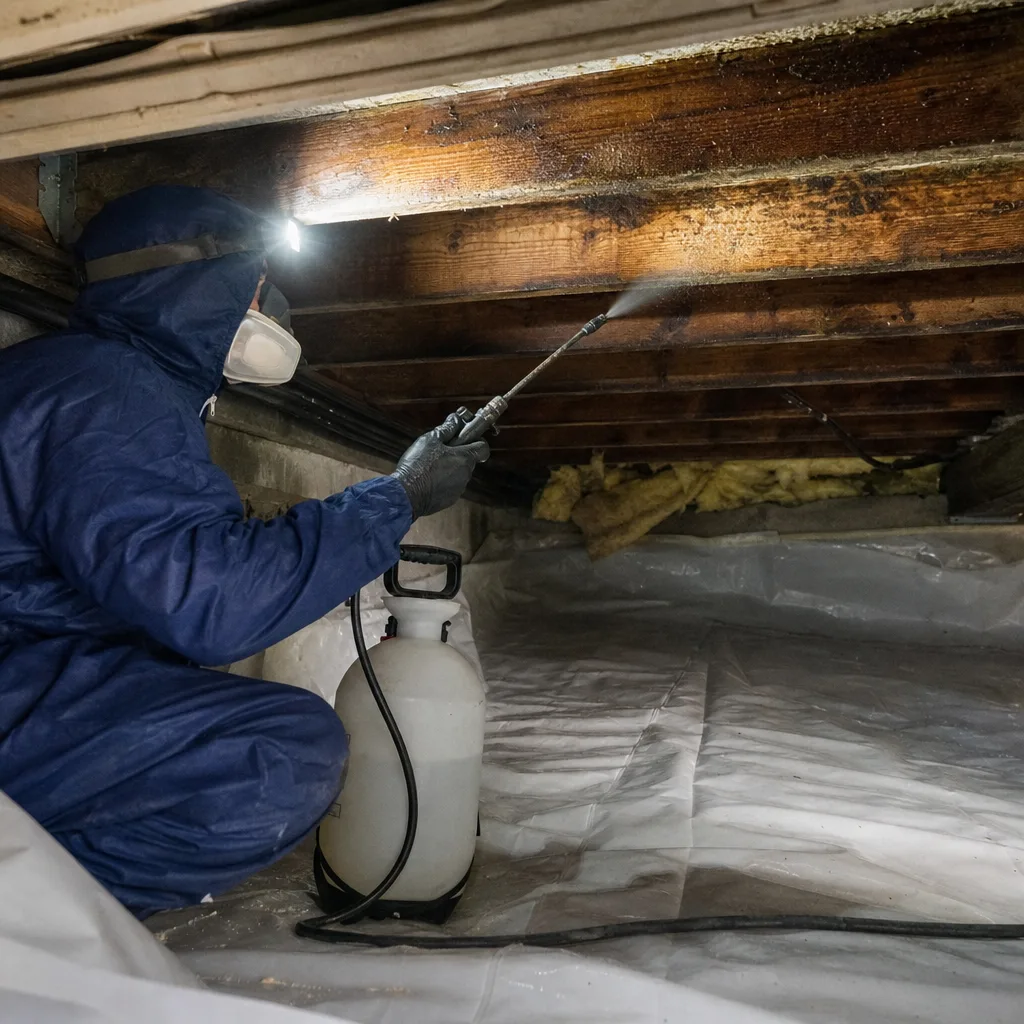
After a winter atmospheric river event, Newark’s flat grid means debris collects where it falls. Fallen branches, roof material, saturated drywall, ruined insulation. Storm cleanup in Newark typically runs $1,200-$4,800 depending on the scope. We remove, haul, dry, and document everything for your adjuster. Salt-laden bay air means we also check for corrosion on exposed fasteners and flashing while we’re working.
Emergency Board-Up
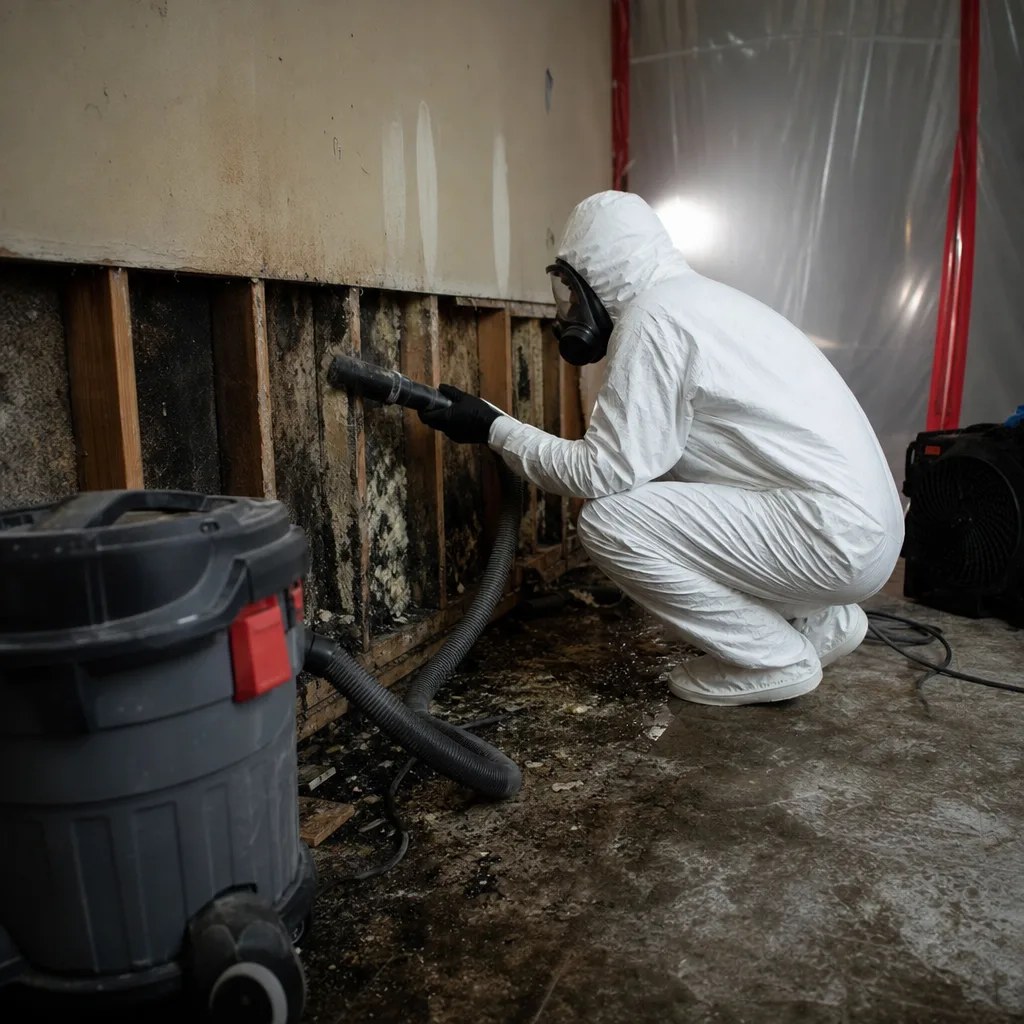
If a window blows out or a branch punctures a wall near the wildlife refuge boundary, you need it covered before the next tide or rain band rolls through. Emergency board-up in Newark runs $450-$1,200 for a standard opening. We use professional-grade materials and get there fast, because in this city, an exposed opening means marine moisture infiltrating for days, not hours. Don’t wait for an adjuster to call back before you board up.
Roof Tarping
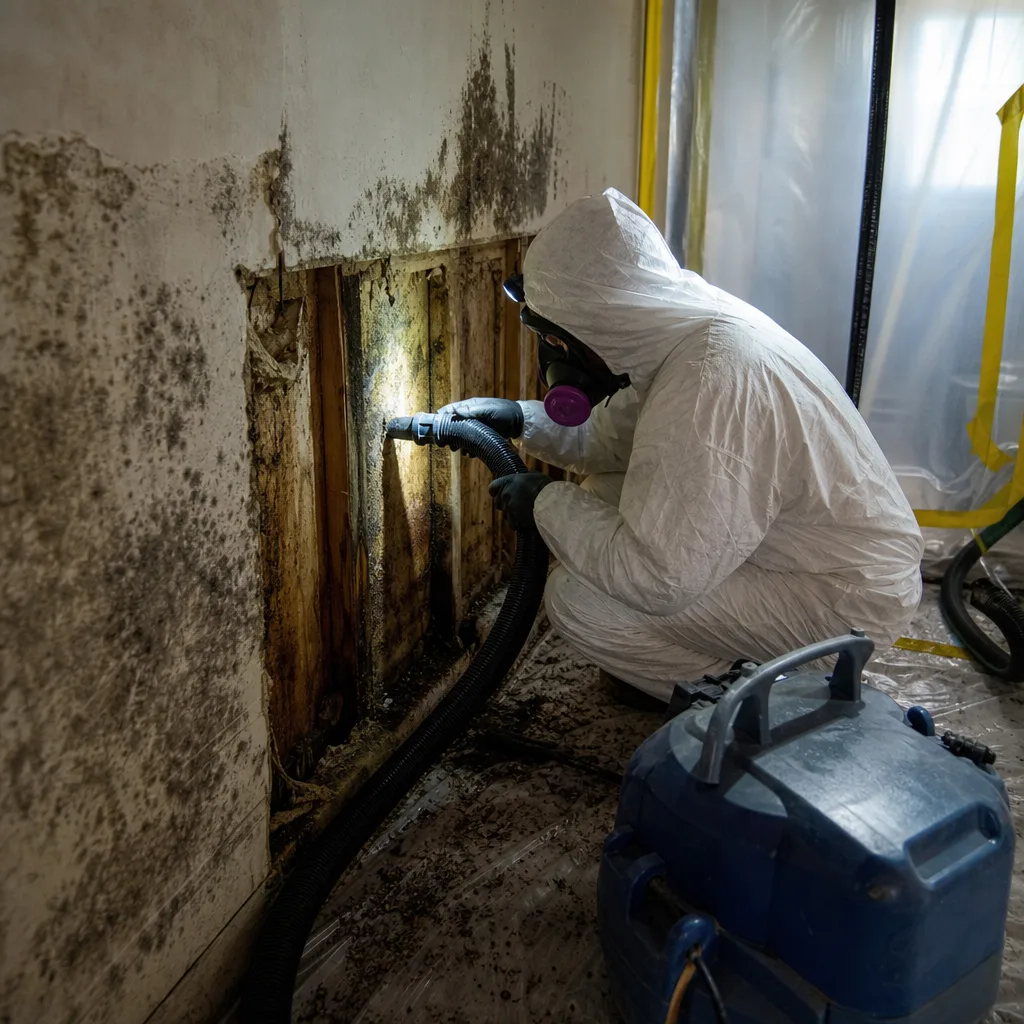
A storm-damaged roof in Newark needs tarping immediately. The city’s persistent winter fog keeps damp materials wet for months, which extends mold risk dramatically. Roof tarping in Newark typically runs $600-$1,800 depending on roof pitch and damaged area. We tarp, secure, and document before the next rain. Then we talk about whether the roof needs repair or replacement.
What happens when you call
- 1
A real person answersNo phone trees - you reach a local pro.
- 2
You get an upfront price rangeHonest numbers before anyone is dispatched.
- 3
A background-checked tech heads outLicensed & insured, dispatched right away.
- 4
You approve before work beginsNothing starts until you say go.
Trusted Brands We Service in Newark
We standardize on equipment that holds up in Newark’s damp, salt-air environment. Dri-Eaz and Phoenix dehumidifiers, Injectidry drying systems, XPOWER air movers, B-Air filtration. Our crews are IICRC-certified and RIA-affiliated, and we stock parts locally so a Newark repair doesn’t stall waiting on a shipment. If your HVAC unit has been eating bay air for twenty years, we’ll check the condenser and fasteners while we’re on site. Corrosion there is often worse than the storm damage itself.
Common Storm & Disaster Restoration Problems We See in Newark Homes
- Groundwater wicking through slab foundations. Newark’s 1950s-70s tract homes sit on compressible bay mud, and the high water table never fully recedes. We regularly find moisture at slab perimeters weeks after a rain event ends. If we don’t address it, the dry-out fails and mold follows.
- Mold amplification from persistent winter fog. Storms here aren’t the only moisture source. The marine layer keeps walls and framing damp for months, which means a storm water loss in Newark carries a longer mold window than the same event in Fremont’s foothills. We plan drying with that in mind.
- Settlement cracks as hidden water pathways. Differential settling under those old slabs opens cracks that channel water into the structure. On a 1960s slab-on-grade home near the slough fingers off Mowry Avenue, our crew found moisture readings still elevated three weeks after a king-tide surge. The cracks in the original pour were doing the damage, not the rain itself.
- Corroded electrical panels from salt air. Bay air corrodes copper, aluminum, and steel faster than people expect. After flood exposure, we inspect the panel, breakers, and wiring. Many original 1960s panels in Newark should be replaced, not dried and prayed over.
Pricing for Storm & Disaster Restoration in Newark, CA
Here are real numbers for Newark’s market, not vague ranges from a national chart.
- Storm damage cleanup: $1,200-$4,800
- Flood damage restoration (extraction, drying, slab testing): $2,800-$6,500
- Emergency board-up: $450-$1,200 per opening
- Roof tarping: $600-$1,800
- Foundation perimeter injection and drainage correction: $3,000-$9,000 (when groundwater intrusion is confirmed)
What moves the number is how long water sat, whether groundwater intrusion is active, and how much of the original 1960s material needs to come out. The estimate is free. We also offer a free second opinion on any written estimate, and we’ll knock $40 off any repair over $200. Call (855) 915-0646 and Wade will give you a straight answer.
We Also Serve Cities Near Newark
If you’re in Union City, Fremont, East Palo Alto, or Fairview, we serve those communities too. The same owner-operator model, the same 90-Day Done Right Promise, and the same live-person phone answer. Storm & Disaster Restoration in Newark is what we do best, but the bay’s water problems don’t stop at the city line.
Serving Newark, CA - Our Local Coverage Area
We’re based in the Newark area and know this community well. Use the map below to see our service coverage - if you’re nearby, we can almost certainly help.
FAQs - Storm & Disaster Restoration in Newark
Groundwater pushes up through the slab and keeps the structure wet long after surface water is gone. On bay mud, the shallow water table means standard drying timelines don’t hold. We test the slab perimeter before closing any job in Newark and often need slab injection or perimeter drainage correction before interior drying will take. Call (855) 915-0646 if your floor is still damp a week after a storm.
Look for hairline cracks running diagonally from door or window corners, gaps between baseboards and the floor, or doors that stick seasonally. Those are typical signs of differential settling on Newark’s bay fill. During a flood, those same cracks become water channels. We inspect for them on every flood job because they’re the difference between a dry-out that works and one that fails.
Marine fog and damp bay air keep materials wet for months. Fremont hillside homes drain and dry with wind and sun. Newark sits low, flat, and wrapped by the bay, so walls and framing stay moist far longer. That extends the mold window from days to weeks. We plan dehumidification beyond visible saturation, not just to it.
Yes, and quickly. Properties along the western and southern edges of Newark, near the slough fingers off the refuge boundary, catch more wind and moisture than the central grid. An open window or wall penetration there means days of marine fog and salt air getting inside. Board-up costs $450-$1,200 and we can be there within the hour. Call (855) 915-0646.
After flood exposure, especially in a Newark home where salt air has been corroding the panel for sixty years, replacement is usually the safer call. Corroded breakers and bus bars fail when you need them most. A repair might get you through winter, but if the panel shows rust or pitting, replacement now is cheaper than a fire later. We’ll give you an honest assessment and a written scope before any work starts.
Written by Wade Ferris, Owner at Wade’s Restoration of California, serving Newark since 2007.