
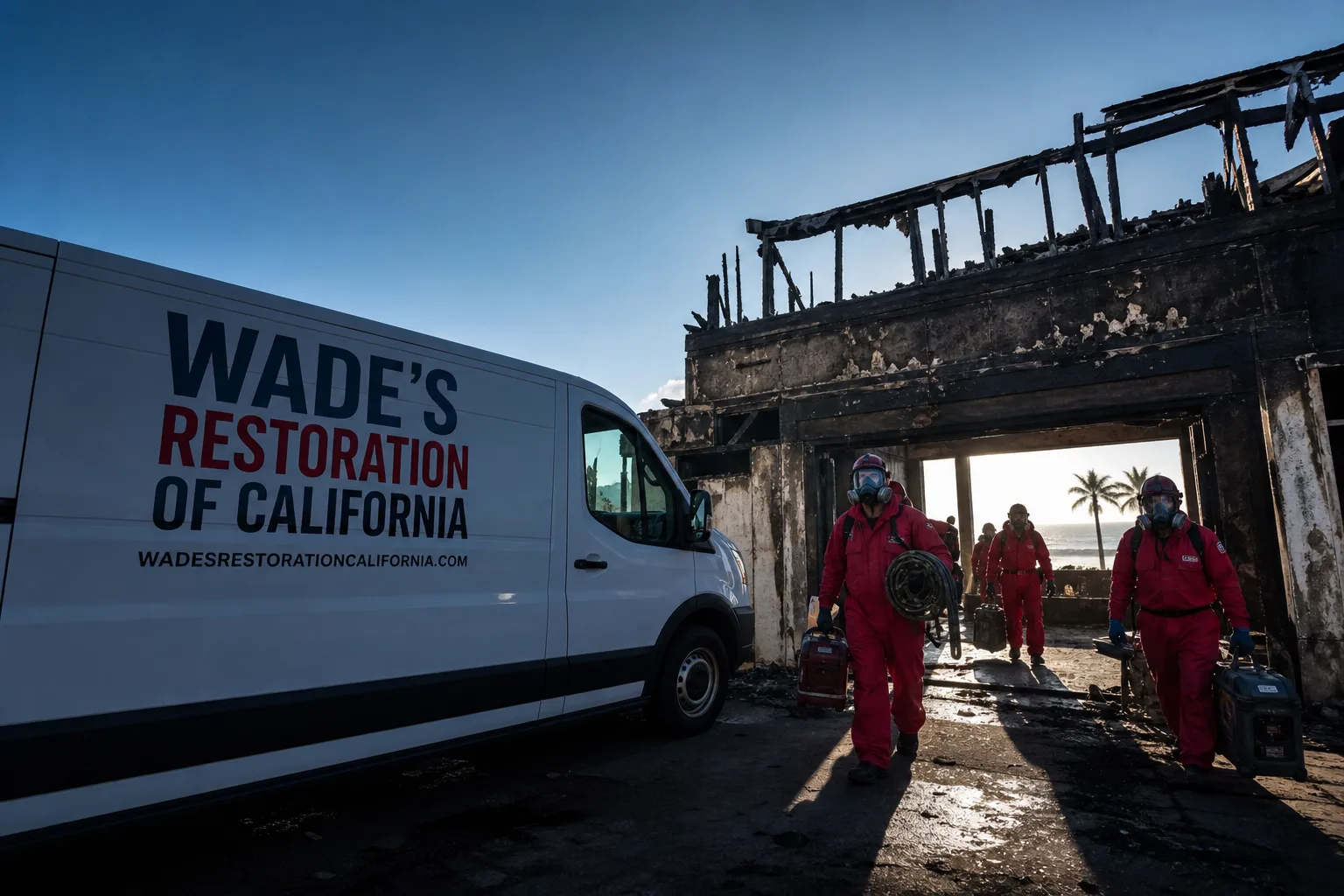
Fast, Reliable Storm & Disaster Restoration Across Live Oak
Storm and flood damage in Live Oak moves fast, and so do we. When a levee breaks along the Feather River or a winter storm drops more water than the Sutter Basin can hold, you need someone who knows this town’s flood patterns, its older homes, and what it takes to dry them out properly. Wade Ferris founded Storm & Disaster Restoration services on one simple idea: answer the phone, show up fast, and do the drying right the first time. If water is rising or a tree just came through your roof, call (855) 915-0646 and you’ll get a live person, often Wade himself.
Why Wade’s Restoration of California Is Live Oak’s Preferred Storm & Disaster Restoration Company
We know Live Oak the way only people who work here every week can. Every home in the 95953 ZIP sits inside a FEMA-designated flood zone, protected by levees that have been tested more than once in high-water years. That changes how we approach storm restoration. We’re not coming from somewhere two hours away trying to figure out your streets. We know Pennington Road, we know the older neighborhoods west of Highway 99, and we know the newer pockets near the high school. When a storm hits, we’re already familiar with the soil, the water table, and the way these homes hold moisture.
Homeowners in Live Oak call us because we’ve earned their trust the old-fashioned way. We publish our name and address. Wade answers his own phone. Our crews are background-checked and uniformed, running professional-grade Dri-Eaz and Phoenix drying equipment. We hand you a daily moisture log so you can see exactly what’s happening under your floors. And every storm job carries our 90-Day Done Right Promise in writing. If it’s not done right, Wade makes it right. No argument, no fine print.
Response time matters when water is spreading through a 1960s pier-and-beam house. We can have extraction equipment running in Live Oak within the hour, and our emergency board-up teams stabilize broken windows and torn roofs the same day. When the Feather River goes over its banks, we don’t wait for the phone to stop ringing. We stage equipment nearby so the first homes get attention before the water even finishes receding.
Our Storm & Disaster Restoration Services in Live Oak
Storm damage in Live Oak rarely looks like the neat pictures on a brochure. It’s a downed tree through a carport on Larkin Road, a flooded crawl space on Pennington Road, half a roof torn off on a farmhouse off Live Oak Boulevard. Here’s what we handle most often.
Flood Damage Restoration
This is the big one for Live Oak. When levee-stress flooding hits, water comes up through pier-and-beam foundations and soaks original hardwood subfloors, lath-and-plaster walls, and whatever was stored under the house. We extract standing water, remove saturated insulation and damaged vapor barriers, and set up drying systems scaled to your home’s actual construction. Standard three-to-five-day drying estimates don’t apply to a 1950s Live Oak house sitting on ground that’s been saturated by rice-field irrigation all winter. We dry until the moisture meter says the wood is stable, not until the calendar says we’re done.
Emergency Board-Up
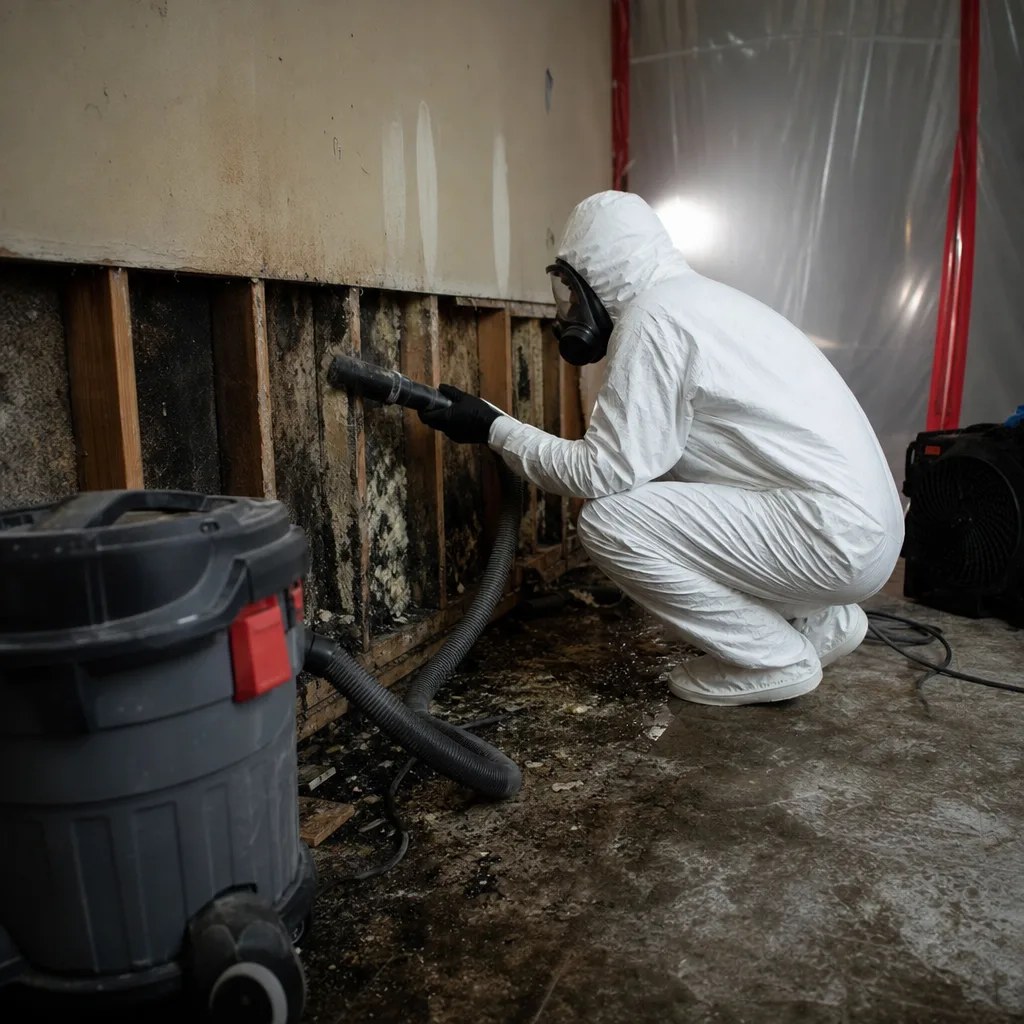
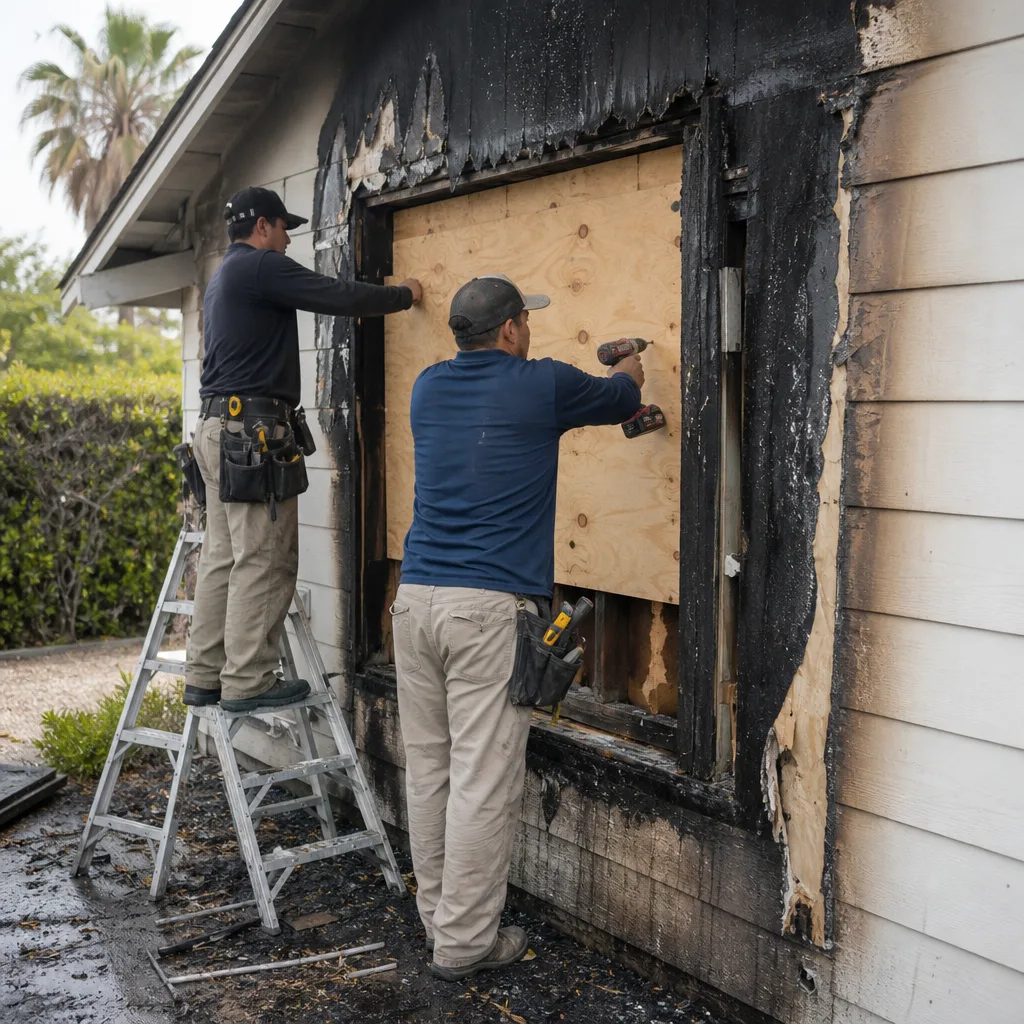
A broken window or a hole in the wall after a windstorm is an open invitation to raccoons, rain, and looters. We board up openings the same day you call, using materials sized for Live Oak’s older window frames and door openings. Securing the home quickly also matters for insurance: the sooner the damage is documented and stabilized, the cleaner your claim goes through. Our team takes photos before, during, and after board-up so your adjuster sees exactly what happened.
Debris Removal
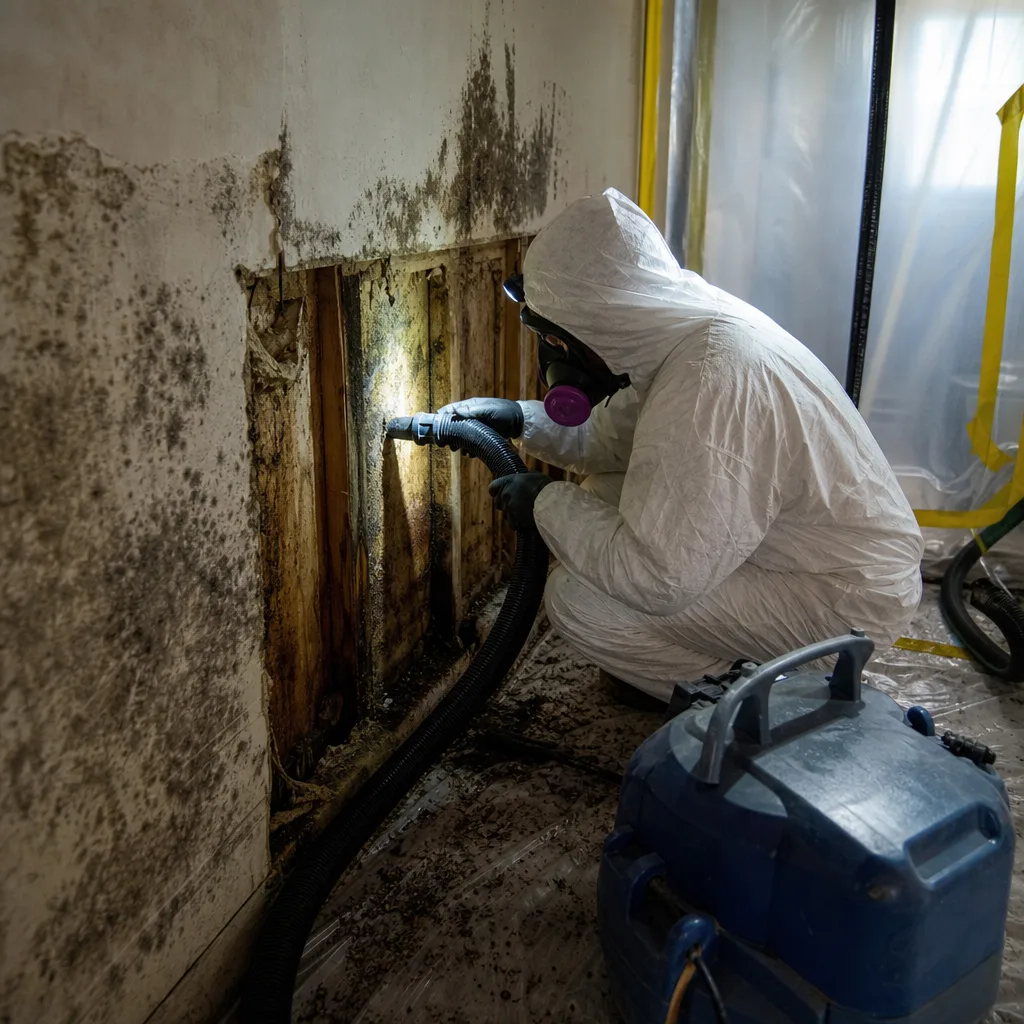
After a storm, Live Oak homeowners deal with downed limbs, roof tiles, insulation, drywall that swelled and peeled, and sometimes a neighbor’s shed that landed in the yard. We remove storm debris safely and dispose of it properly, including waterlogged carpet, ruined drywall, and materials that can’t be salvaged. The rice fields and orchards around town mean there’s always somewhere for storm trash to hide, and we don’t leave it for you to haul to the dump.
Roof Tarping
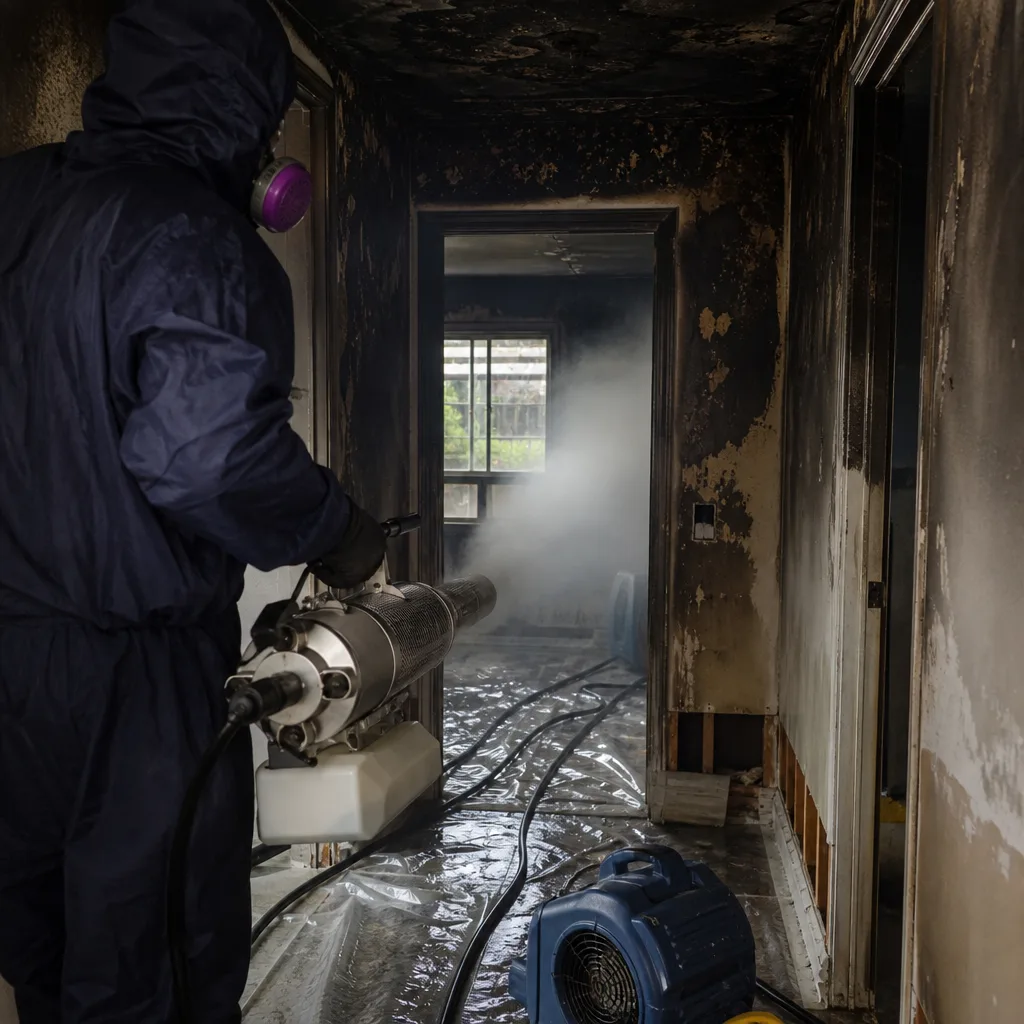
When wind peels shingles or a branch punctures the roof, water gets in fast. We install heavy-duty tarps anchored to prevent lift in Sacramento Valley winds, buying you time to plan repairs without letting more water into the attic and walls. On older Live Oak homes with shake roofs or original composition shingles, we take care to anchor tarps without causing more damage, because we know you’re probably dealing with 60-year-old framing up there.
What happens when you call
- 1
A real person answersNo phone trees - you reach a local pro.
- 2
You get an upfront price rangeHonest numbers before anyone is dispatched.
- 3
A background-checked tech heads outLicensed & insured, dispatched right away.
- 4
You approve before work beginsNothing starts until you say go.
Trusted Brands We Service in Live Oak
Our drying equipment comes from Dri-Eaz and Phoenix, the two names restoration professionals trust when a house truly needs to be dried, not just vacuumed. We run Injectidry systems for hard-to-reach cavities in those vented pier-and-beam crawl spaces common around Live Oak, and we stock the replacement parts, filters, and accessories to keep equipment running on long drying jobs. When we arrive in Live Oak, we bring what we need. No waiting on a parts truck from Sacramento while your subfloor keeps soaking.
Common Storm & Disaster Restoration Problems We See in Live Oak Homes
- Crawl spaces that never dry out. The rice fields surrounding Live Oak are flooded October through February for waterfowl habitat, which keeps the local water table abnormally high all winter. Even without a direct flood, moisture wicks up through the soil and into vented pier-and-beam crawl spaces, wetting floor joists and subfloors from below.
- Hidden mold that blooms in June. A home that wasn’t fully dried after a winter storm may look fine in March. By June, when Live Oak hits triple digits, dormant mold spores in subfloor assemblies and wall cavities find the heat and humidity they need to explode. We’ve seen homes need full mold remediation by early summer because a previous contractor stopped drying too soon.
- Lath-and-plaster walls that hold water for weeks. Older Live Oak homes built in the 1950s and 1960s often have original plaster walls over wood lath. When flood water wicks up from the baseboard, that assembly holds moisture far longer than modern drywall, which means drying timelines stretch and hidden damage behind the plaster goes unnoticed without moisture readings.
- Overwhelmed drying capacity during levee events. When a levee break floods dozens of Live Oak homes at once, most restoration companies simply can’t get to everyone. Those without enough equipment to run multiple drying jobs simultaneously leave some houses half-dried, which is worse than not drying them at all. We stage extra equipment before storms because we know what this town can face.
Pricing for Storm & Disaster Restoration in Live Oak, CA
Storm restoration pricing in Live Oak depends on what actually happened and how far the water reached. Here are realistic ranges based on jobs we’ve done in town:
- Emergency board-up: $200-$600 per opening, depending on size and material needed.
- Roof tarping: $350-$900 for a typical single-story Live Oak home, more for steep pitches or large damage areas.
- Flood water extraction and drying: $1,800-$5,500 for crawl space and first-floor flooding in a post-WWII pier-and-beam house, depending on square footage and how long water sat.
- Debris removal: $300-$1,200 for typical storm debris, more if structural materials need cutting and hauling.
- Full flood restoration including subfloor drying, vapor barrier replacement, and mold prevention: $5,000-$15,000+ for a 1950s-era home where water reached the living space.
Every job starts with a free assessment. We’ll walk your property, take moisture readings, and give you a written scope of work before anything starts. No charge for the trip inside our county, and we offer free second opinions on any written estimate from another company. Call (855) 915-0646 for an exact quote on your situation.
We Also Serve Cities Near Live Oak
Live Oak is home base for a lot of our work, but we regularly head up Highway 99 to Gridley, over to South Yuba City and Tierra Buena, and down toward Marysville. If you live in one of these nearby towns and you’re dealing with storm or flood damage, the same crew that dries Live Oak homes properly is the crew you want on your street. One call reaches us, wherever the storm hit.
Serving Live Oak, CA - Our Local Coverage Area
We’re based in the Live Oak area and know this community well. Use the map below to see our service coverage - if you’re nearby, we can almost certainly help.
FAQs - Storm & Disaster Restoration in Live Oak
The rice fields around Live Oak are deliberately flooded from October through February for waterfowl habitat, which keeps the agricultural water table high for five straight months. When a winter storm adds more water, your crawl space sits on ground that’s already saturated, so moisture moves upward into your floor joists and subfloor even if flood water never touches your foundation. This is why we check under-floor moisture on every Live Oak storm job, not just the visible damage. If your crawl space feels damp this winter, call (855) 915-0646 and we’ll take readings before it becomes a bigger problem.
Live Oak’s post-WWII homes sit close to grade on vented pier-and-beam foundations, with original hardwood subfloors, lath-and-plaster walls, and older vapor barriers that absorb and hold water far longer than modern materials. Combined with the high winter water table from rice-field irrigation, these homes routinely need 10 to 14 days of active drying where the industry standard says 3 to 5. Contractors who follow the standard timeline leave moisture behind that turns into mold by summer. We dry until the moisture meter proves the wood is stable.
Call (855) 915-0646 first so we can start extraction while the water is still receding. Then shut off electricity if water reached outlets or panels, photograph everything before moving anything, and call your insurance company. Don’t enter standing water that could be contaminated with sewage or agricultural runoff. Don’t try to dry the house yourself with household fans. The faster professional drying equipment starts running under your home, the less subfloor and wall material you’ll have to replace. We’ll deal with your adjuster directly.
Summer in Live Oak regularly exceeds 100°F, and that heat accelerates mold growth in any structure that wasn’t fully dried after winter floods. Mold spores that sat dormant in damp crawl spaces and wall cavities during cool months suddenly have the warmth they need to colonize, often within two to four weeks of consistently warm weather. By the time you smell must or see staining in June, the mold has usually been growing since late May. Getting your home truly dry during the wet season is the only real prevention.
The short answer is yes. All of the 95953 ZIP sits within a FEMA-designated flood zone protected by aging Sutter Basin levees, and FEMA flood maps are based on probability, not personal history. Streets that haven’t flooded in living memory have flooded in high-water years, and standard homeowners insurance does not cover flood damage. Like most home insurance questions, this one deserves a conversation with your agent, but don’t assume your street’s history protects you. Levees fail, and when they do, entire neighborhoods need help at once.
If you’re dealing with storm damage, standing water, a leaking roof, or the aftermath of a flood in Live Oak, call (855) 915-0646 right now. Wade or a member of his team will answer, listen to what happened, and get equipment moving your direction. The first assessment is free, and you’ll know the scope before any work starts. That’s how it should work.
Written by Wade Ferris, Owner at Wade’s Restoration of California, serving Live Oak and the surrounding Sutter Basin communities.