
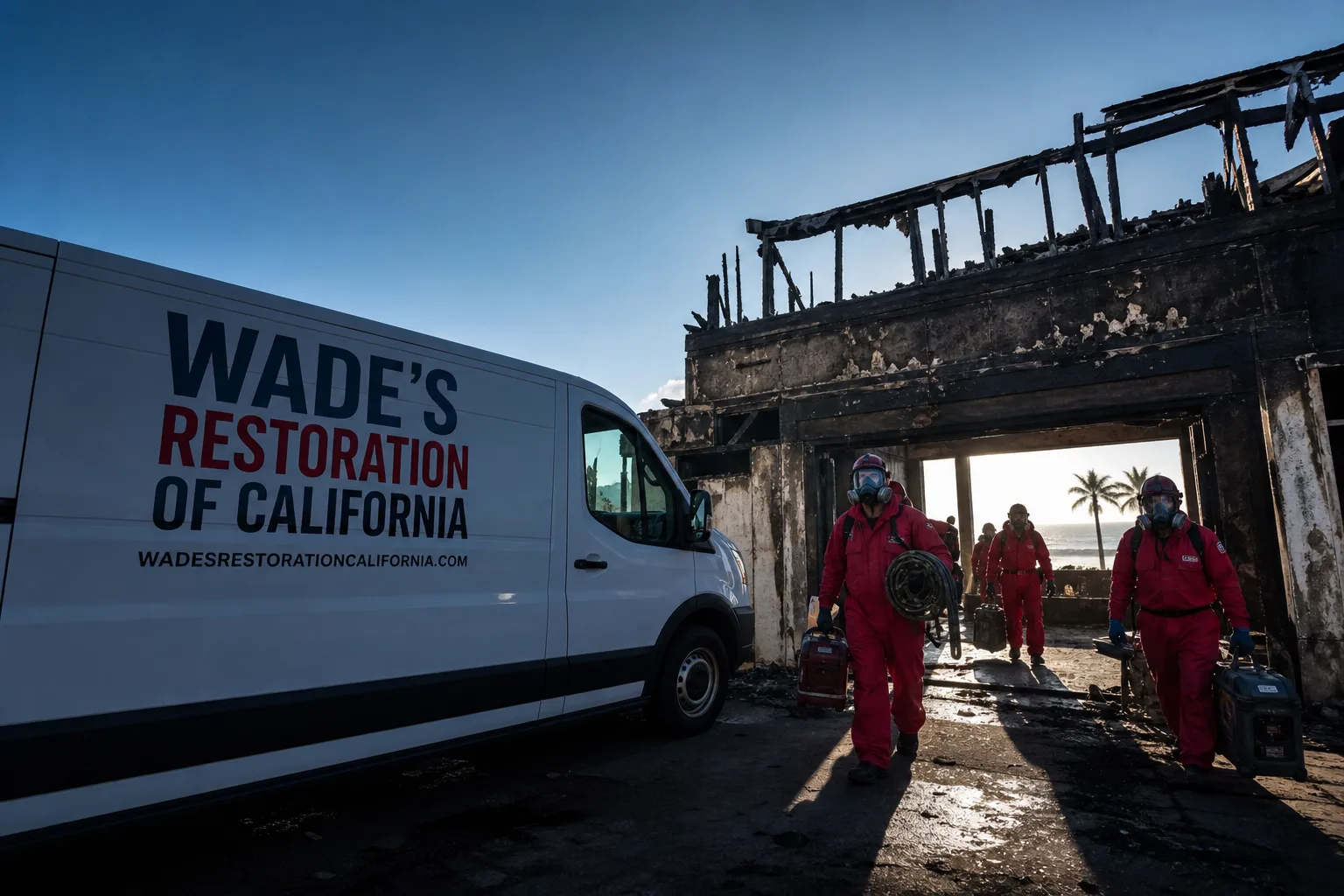
Fast, Reliable Sewage Cleanup Across Tamalpais Valley
A sewage backup in Tamalpais Valley needs attention within hours, not days. In this canyon, the marine fog that settles every evening keeps crawl spaces damp well past sunrise. That means a sewage spill under your house turns into a mold problem within 48 hours, sometimes faster. Our Sewage Cleanup team heads out from the San Francisco Bay Area office and responds to Tamalpais Valley homes the same day you call. Wade Ferris answers his own phone at (855) 915-0646, and he will be there himself, not a crew you’ve never met.
Why Tamalpais Valley Homeowners Call Wade’s Restoration
Wade’s Restoration of California has been in this trade since 2007, and the families we work for in Tamalpais Valley tend to call because a neighbor told them to. Not because of a billboard. Ask anyone on your street. The valley is a small place. You see the same faces at the hardware store on Shoreline Highway and at the Saturday market in Mill Valley. Wade Ferris knows that. His name is on the truck. His published address is on the work order. He is going to run into you again, and that is the oldest accountability mechanism there is.
We do things most restoration companies skip. Wade takes moisture readings every single day while your crawl space dries, and he hands you the full log when the job is done. Not a summary. The actual readings. If your insurance adjuster has questions, Wade talks to them directly, so you are never stuck relaying information between two sides. And every sewage cleanup job is covered by the 90-Day Done Right Promise in writing. If it is not done right, we make it right. One call brings Wade back.
Our Sewage Cleanup Services in Tamalpais Valley
Different properties in Tamalpais Valley fail in different ways. A ranch home off Tennessee Valley Road has different plumbing than a split-level built into the hillside above Shoreline Highway. Here is what we handle most weeks.
Sewage Backup Cleanup
When a waste line backs up into a Tamalpais Valley home, the clock starts immediately. We extract the standing water, remove contaminated flooring and drywall, and treat the affected area with hospital-grade disinfectants. The goal is to stop the water before it soaks into the subfloor and begins feeding mold in the fog-dampened cavity below. If the backup reached a crawl space, that gets treated too. Not just the visible floor.
Toilet Overflow Cleanup
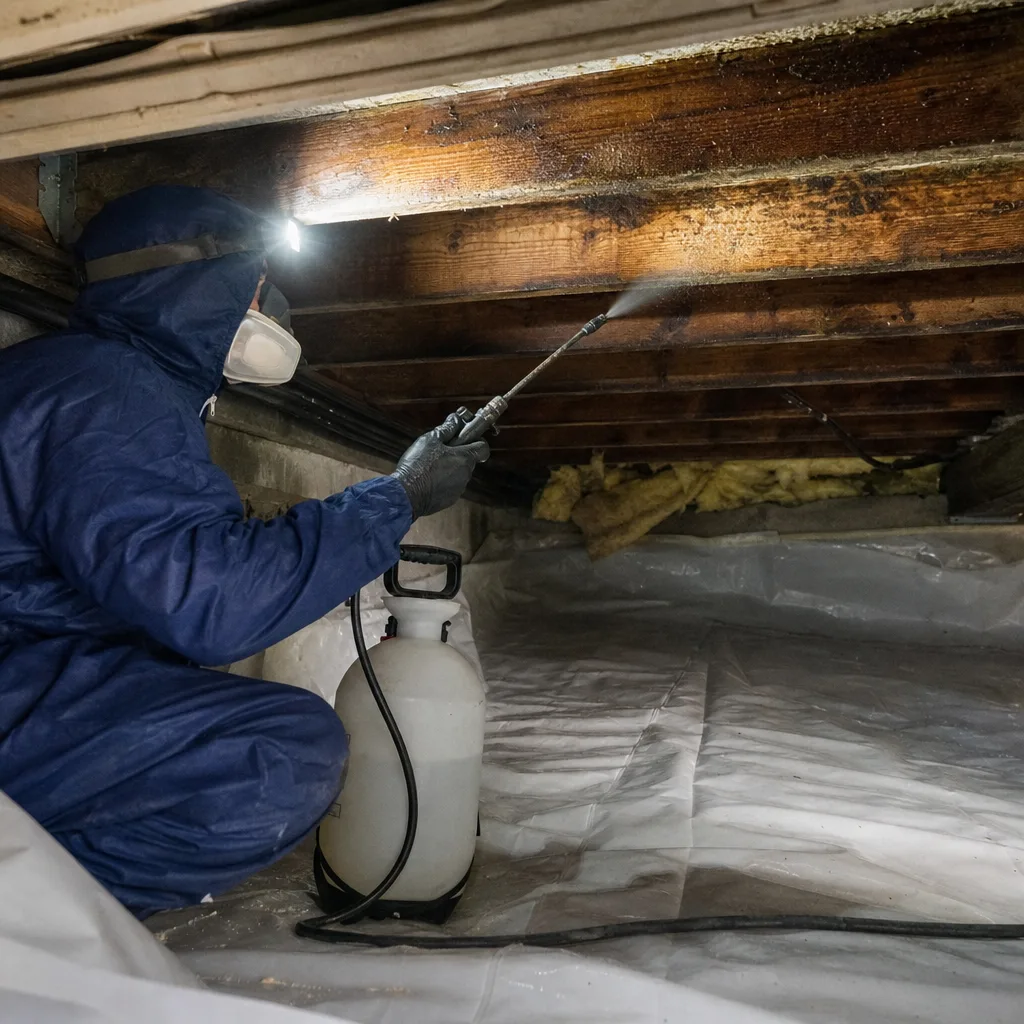
Toilet overflows in Tamalpais Valley’s 1950s and 1960s homes often seep through the bathroom floor and into an unventilated crawl space. What starts as a contained mess becomes a subfloor contamination issue within hours. We lift the affected flooring, extract from the cavity below, remove soaked insulation, and dry the entire envelope. Then we sanitize. The house has to pass a clearance test before we call it done.
Septic Failure Cleanup
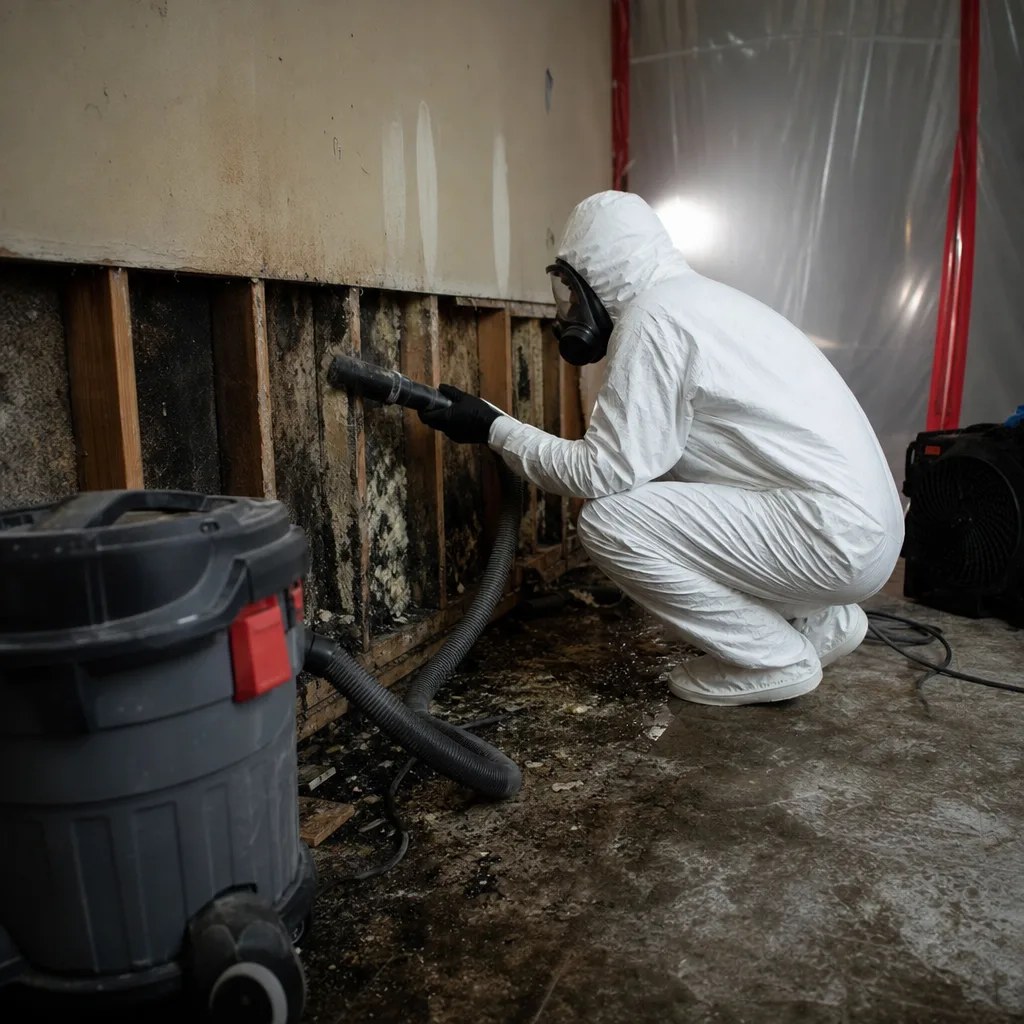
Tamalpais Valley has a mix of sewer-connected and septic properties, particularly along the wildland edges near the GGNRA boundary. When a septic system fails, the black water doesn’t just back up into the house. It saturates the soil around the foundation, and the persistent valley humidity keeps that soil wet for weeks. We remove the contaminated water, excavate affected soil where necessary, and dry the foundation perimeter using professional-grade air movers and dehumidifiers. If mold has already started in a nearby crawl space, we handle that too.
Black Water Extraction
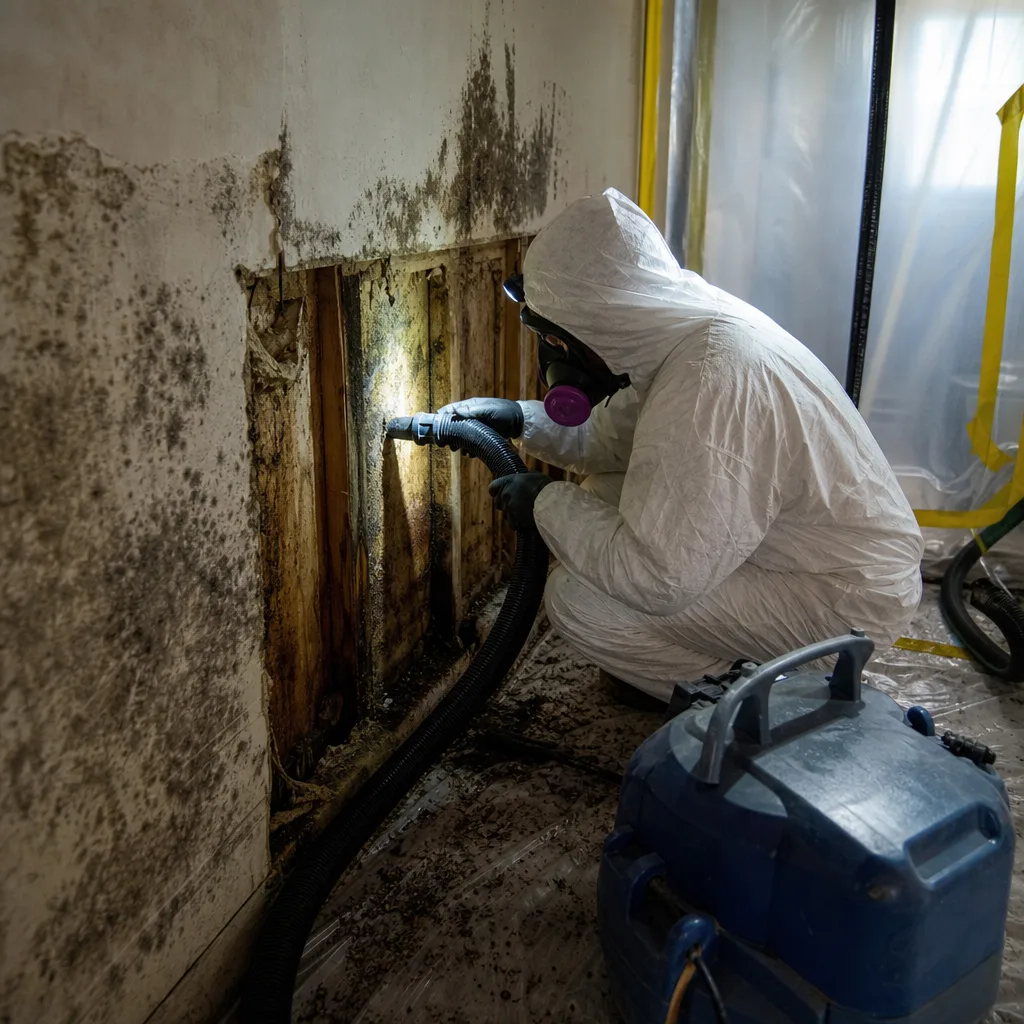
Black water is the most dangerous category of water damage: sewage, toilet backflow, and floodwater containing human waste. You cannot mop this up and call it clean. Our crews use IICRC-compliant extraction protocols, remove all porous materials that touched the water, sanitize hard surfaces, and monitor the cavity with daily moisture readings until it proves dry. In Tamalpais Valley, we also watch for fog-driven re-humidification in the days after extraction. A crawl space that dries to 14% moisture content during the afternoon can creep back to 20% overnight if fog rolls in and the vents are open.
What happens when you call
- 1
A real person answersNo phone trees - you reach a local pro.
- 2
You get an upfront price rangeHonest numbers before anyone is dispatched.
- 3
A background-checked tech heads outLicensed & insured, dispatched right away.
- 4
You approve before work beginsNothing starts until you say go.
Trusted Equipment, Honest Work
We run Dri-Eaz drying equipment, Injectidry injection drying systems for tight wall cavities, and professional-grade air scrubbers on every sewage job in Tamalpais Valley. The brands matter because the conditions here are unforgiving. Cheap rental equipment does not get enough airflow under a 1960s Tamalpais Valley split-level to dry the joists before mold takes hold. Our technicians are IICRC-certified and the company is RIA-affiliated and IFA-recognized. The credentials back the work, but the work speaks for itself. We stock parts and treatment supplies for the exact housing stock you find in this valley, so we do not lose a day waiting on a shipment.
Common Sewage Cleanup Problems We See in Tamalpais Valley Homes
- Fog-condensed moisture in legacy crawl spaces. When sewage soaks into fiberglass insulation under a 1960s ranch home, the daily marine layer keeps that insulation damp. Mold often develops behind the insulation before we even start the extraction. We inspect the full cavity, not just the obvious wet spot.
- Original cast-iron waste lines corroding under hillside pressure. Homes built in the 1950s through the 1970s throughout Tamalpais Valley were plumbed with cast-iron waste lines. Under sloped lots, soil pressure plus decades of fog-driven moisture corrodes those pipes from the outside. Homeowners mistake repeated backups for one-time clogs. When we see the same house twice in a year, we talk about the pipe, not the clog.
- Ash and soot in floor drains near GGNRA land. Properties bordering the Golden Gate National Recreation Area have almost no defensible space on the wildland side. After a Mt. Tamalpais watershed fire, wind-blown ash and soot settle into floor drains and cleanouts. When a sewage backup follows, that ash mixes with the backflow into a toxic sludge. Standard sanitizers do not cut it. We use the heavy-duty disinfection protocol on those jobs.
- Unventilated crawl spaces that never fully dry. Many Tamalpais Valley homes have crawl spaces with inadequate or entirely absent ventilation. That was the building norm in the 1960s, and it means one sewage spill can create months of elevated humidity. We often install temporary ventilation and continuous dehumidification during the drying phase, and we document everything for your insurance adjuster.
Pricing for Sewage Cleanup in Tamalpais Valley, CA
You deserve straight numbers, not a vague promise. A straightforward toilet overflow cleanup in Tamalpais Valley with extraction and sanitization typically runs $1,200 to $2,800, depending on square footage and how far the water traveled. A sewage backup that reaches a crawl space usually lands between $3,500 and $8,000, because we have to remove contaminated insulation, treat the subfloor, and dry the full cavity with commercial equipment. Septic failure jobs involving soil excavation can run $8,000 to $15,000 or more, depending on the extent of the contaminated soil and whether a retaining wall or foundation is involved. Colonie of black water into multiple rooms plus crawl space contamination? Figure $6,000 to $12,000. Every job starts with a written scope agreed before work begins. No price surprises after the fact. Call (855) 915-0646 for a free estimate, and take a look at our standing offers: no trip charge inside our own county, free second opinion on any written estimate, and a permanent 10% discount for seniors and veterans.
We Also Serve Cities Near Tamalpais Valley
If you are in Tamalpais Valley, you already know we respond here daily. But we also help homeowners in Tamalpais-Homestead Valley, Mill Valley, Corte Madera, and Larkspur. Same owner. Same 90-Day Done Right Promise. Same phone number.
Serving Tamalpais Valley, CA - Our Local Coverage Area
We’re based in the Tamalpais Valley area and know this community well. Use the map below to see our service coverage - if you’re nearby, we can almost certainly help.
FAQs - Sewage Cleanup in Tamalpais Valley
In Tamalpais Valley, mold can begin forming within 48 hours of a sewage backup in a crawl space, and sometimes faster. The daily marine fog that pools on the valley floor keeps relative humidity inside unventilated crawl spaces above 60% for most of the year. That means the mold clock starts the moment black water touches wood or insulation. In flatland Bay Area communities with drier air, the same spill might sit for three or four days before mold develops. Here, we treat every sewage backup that reaches a crawl space as an active mold-risk event from hour one. Call (855) 915-0646 and we will be out the same day.
Yes, and it matters more than most people realize. Homes along the GGNRA boundary in Tamalpais Valley collect wind-blown ash, soot, and charred debris in exterior drains, floor drains, and cleanouts during a Mt. Tamalpais watershed fire. When a sewage backup follows, that ash mixes with the backflow into a toxic, heavy sludge that standard sanitizers cannot fully neutralize. We use a stronger disinfection protocol and often replace contaminated drain traps entirely. If you live on the wildland edge, tell us about any recent fire activity when you call. It changes how we approach the job.
Yes. We do not do the pipe replacement ourselves on every job, but we coordinate with licensed plumbers we know and trust in Marin County, and we handle the restoration side: extraction, demolition, drying, sanitizing, and reconstruction. Cast-iron waste lines from the 1960s under Tamalpais Valley’s sloped lots are often corroded from decades of soil pressure and fog-driven moisture. If we see the same backup at your house twice in a year, we will tell you what we think the real problem is. No overselling. Just straight talk, and a written scope before any work starts.
Gray water is wastewater from sinks, showers, and laundry that does not contain human waste. Black water contains feces, urine, or bloodborne pathogens. In a septic backup in Tamalpais Valley, you are almost always dealing with black water. That means the cleanup protocol is different: full PPE, extraction with commercial-grade equipment, removal of all porous materials that touched the water, hospital-grade disinfection, and clearance testing before the space is returned to use. Calling it gray water when it is black water is how families end up with hidden mold in a fog-dampened crawl space.
The smell usually comes from one of three places: contaminated soil that was not fully excavated, soaked insulation that was missed, or a standing water trap that has dried out and is letting sewer gas into the crawl space. In Tamalpais Valley, a fourth cause is common: fog-condensed moisture carrying odor molecules out of partially dried wood. We address this by taking daily moisture readings, venting the crawl space during the day, running a dehumidifier when needed, and re-treating the soil around the affected area. We do not leave until the moisture log shows the cavity at a level where odor-causing mold cannot return. If a smell comes back within 90 days, that is exactly what the Done Right Promise is for. Call Wade. He will be there.
Written by Wade Ferris, Owner at Wade’s Restoration of California, serving Tamalpais Valley and Marin County since 2007.