
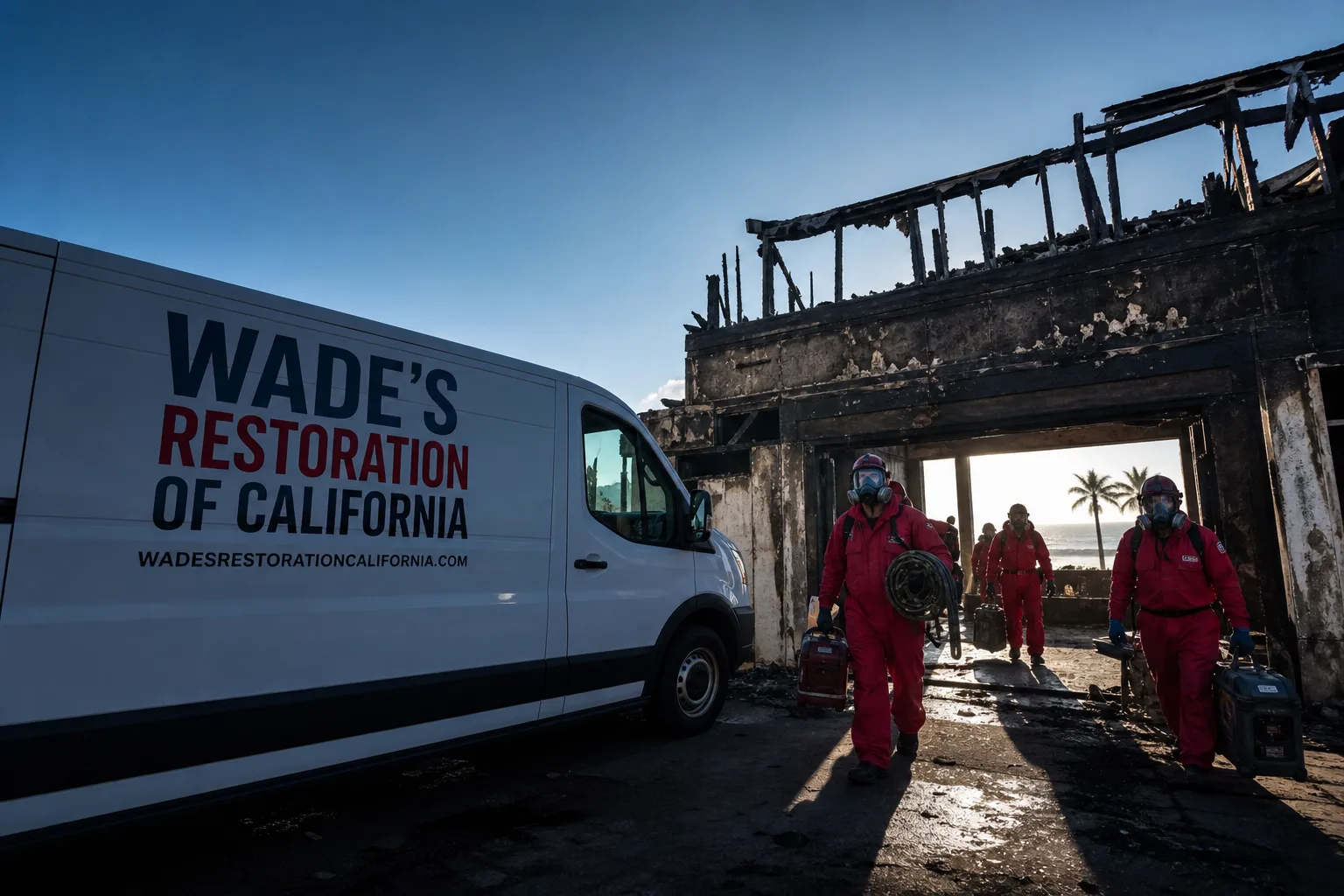
Fast, Reliable Reconstruction & Cleanup Across Chinatown
Reconstruction and cleanup in Chinatown, CA after water, fire, or storm damage means dealing with buildings that are older than most contractors have ever worked on. Most of the tenements here went up between 1910 and 1930, right after the 1906 quake rebuilt the neighborhood. That means true dimensional lumber, plaster-on-lath walls, balloon-frame cavities, and doorways that were never square to begin with. We know this because we pull permits here, we open walls here, and we’ve learned exactly where century-old water lines fail and where water hides once they do. If you need Reconstruction & Cleanup in Chinatown, call Wade’s Restoration of California at (855) 915-0646. Wade Ferris answers his own phone, and he’ll tell you what’s actually involved before anyone touches a wall.
Why Wade’s Restoration of California Is Chinatown’s Preferred Reconstruction & Cleanup Company
Wade Ferris founded this company in 2007, and he still runs it like a neighbor, not a franchise. That’s the whole point. When you call for reconstruction in Chinatown, you talk to Wade. He is the one who shows up, pulls the moisture readings, and walks the building with you before a single stud comes out. He publishes his name, his address, and his license number because he’s going to run into you again on Stockton Street, and he wants to be able to look you in the eye.
People in Chinatown hire us for a reason that has nothing to do with marketing. We understand buildings like the three-story walk-ups off Grant Avenue where a third-floor supply line can flood a dumpling shop on the ground floor forty minutes later. That’s not a hypothetical. We’ve mapped it with thermal imaging more times than we can count. We also deal directly with insurance adjusters, so you’re never the one stuck explaining to a claims desk why the demolition estimate tripled once we found water two floors below the original leak. We photograph everything, we log moisture levels every day, and when the job’s done you get the full log. Nobody else in this trade hands over that kind of paperwork.
Every water, fire, and mold job comes with Wade’s 90-Day Done Right Promise in writing. If it’s not right, he makes it right. That’s not a slogan. It’s in the contract.
Our Reconstruction & Cleanup Services in Chinatown
Chinatown’s housing stock doesn’t tolerate generic reconstruction. Here’s what we actually do inside buildings like yours.
Full-Service Reconstruction
A full rebuild in a Chinatown tenement rarely means clean modern framing. It means matching new work to old-growth redwood trim, cutting custom shims so a 1918 wall still reads flush, and convincing an inspector that your 2x4s are actually 2x4s because you ripped them down by hand. We handle the entire sequence: demolition, structural repair, permit closeout, and finish work that doesn’t look like a patch. When we rebuilt a four-story brick tenement on Waverly Place after a supply line split, we opened three floors of plaster-on-lath, traced water through un-firestopped balloon-frame bays, and reinstalled the ground-floor shop’s double doors with new wind-rated hinges before the weekend dim sum rush. That’s the kind of schedule this neighborhood runs on.
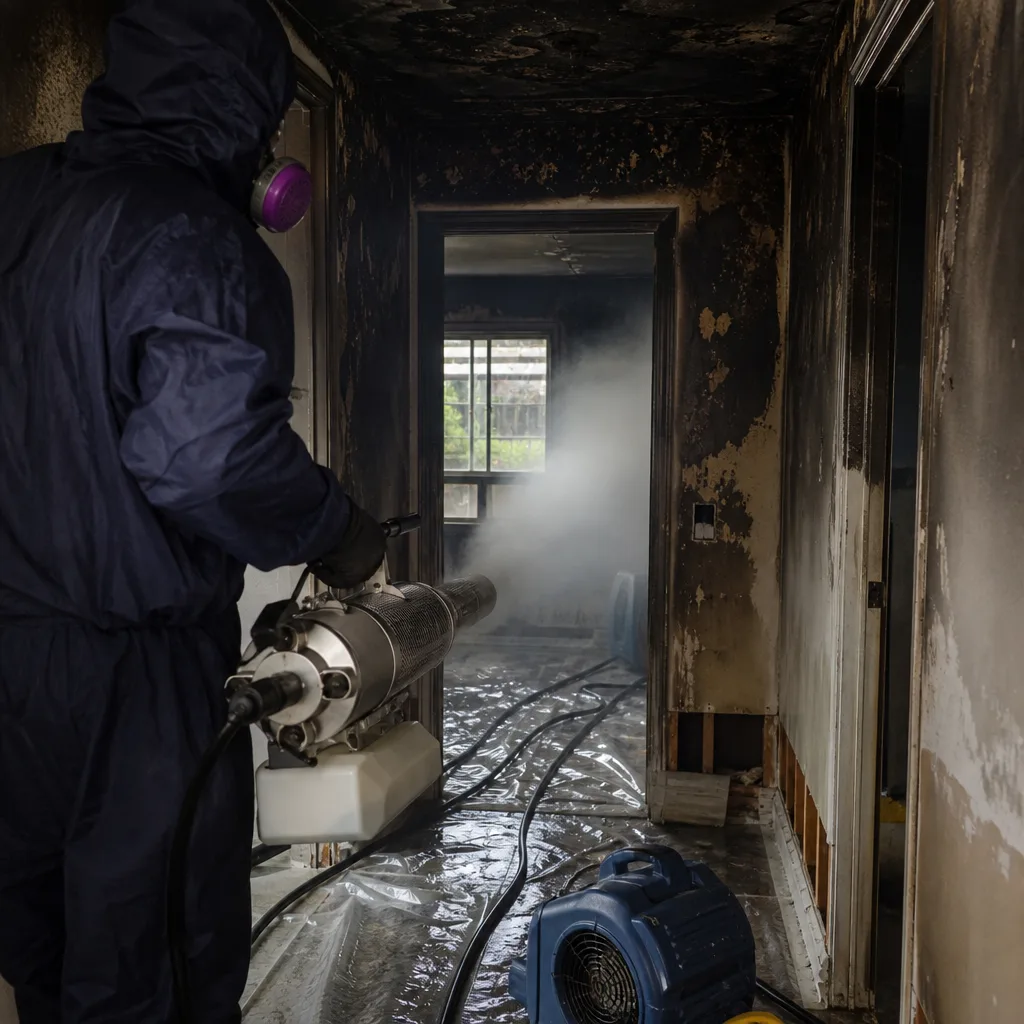
Drywall & Flooring Repair
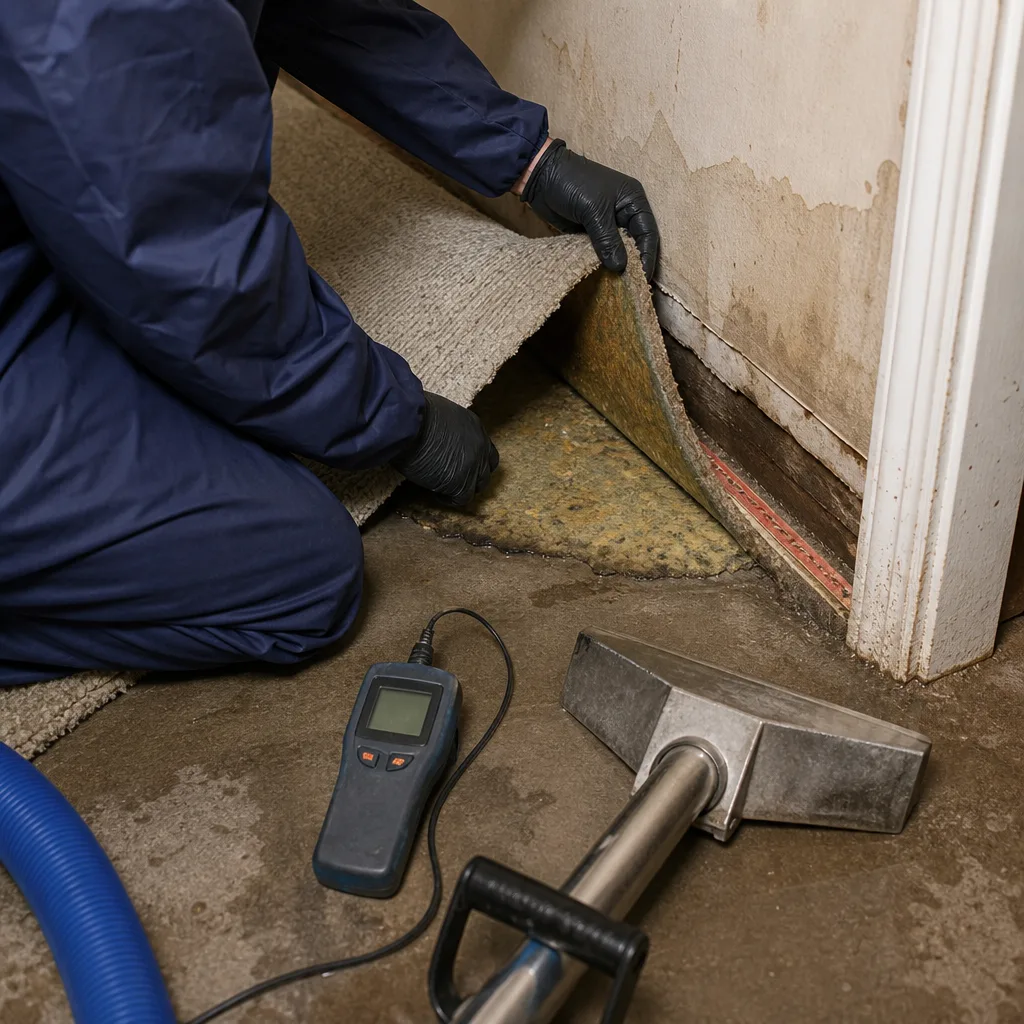
Chinatown’s walls are frequently plaster-on-lath, not drywall, which means a cosmetic patch won’t hold. We cut back to sound material, match the plaster depth, and rebuild the wall so the repair doesn’t telegraph through the first time the fog sits on the building for a week. Flooring in these buildings is often old-growth fir or pine laid directly over joists with no subfloor, so water from a burst pipe wicks through and warps boards two rooms away. We dry the assembly first, then replace only what’s truly gone. You’d be surprised how much old flooring can be saved if you get the moisture out fast enough.
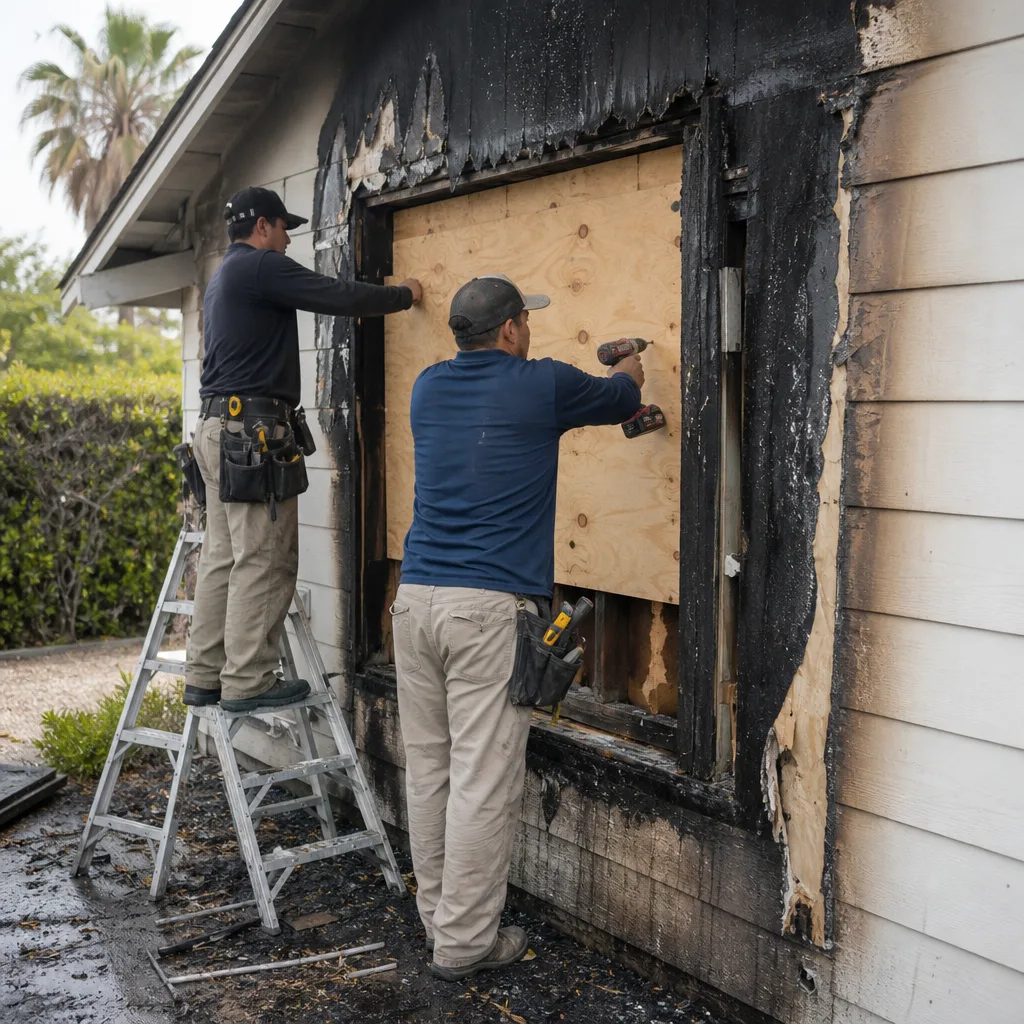
Contents Restoration & Pack-Out
When a unit in Chinatown floods, the tenants’ belongings are often packed tighter than the building itself. Generational households, small businesses run out of back rooms, storage tucked into every cavity. We pack out, inventory, clean, and store contents at climate-controlled facilities, then bring everything back when the unit’s ready. For storefronts on Stockton or Grant, we coordinate after-hours pack-outs so you don’t lose a full day of business. We also photograph every item for the insurance file before it leaves the room. Adjusters love us for that, and it protects your claim.
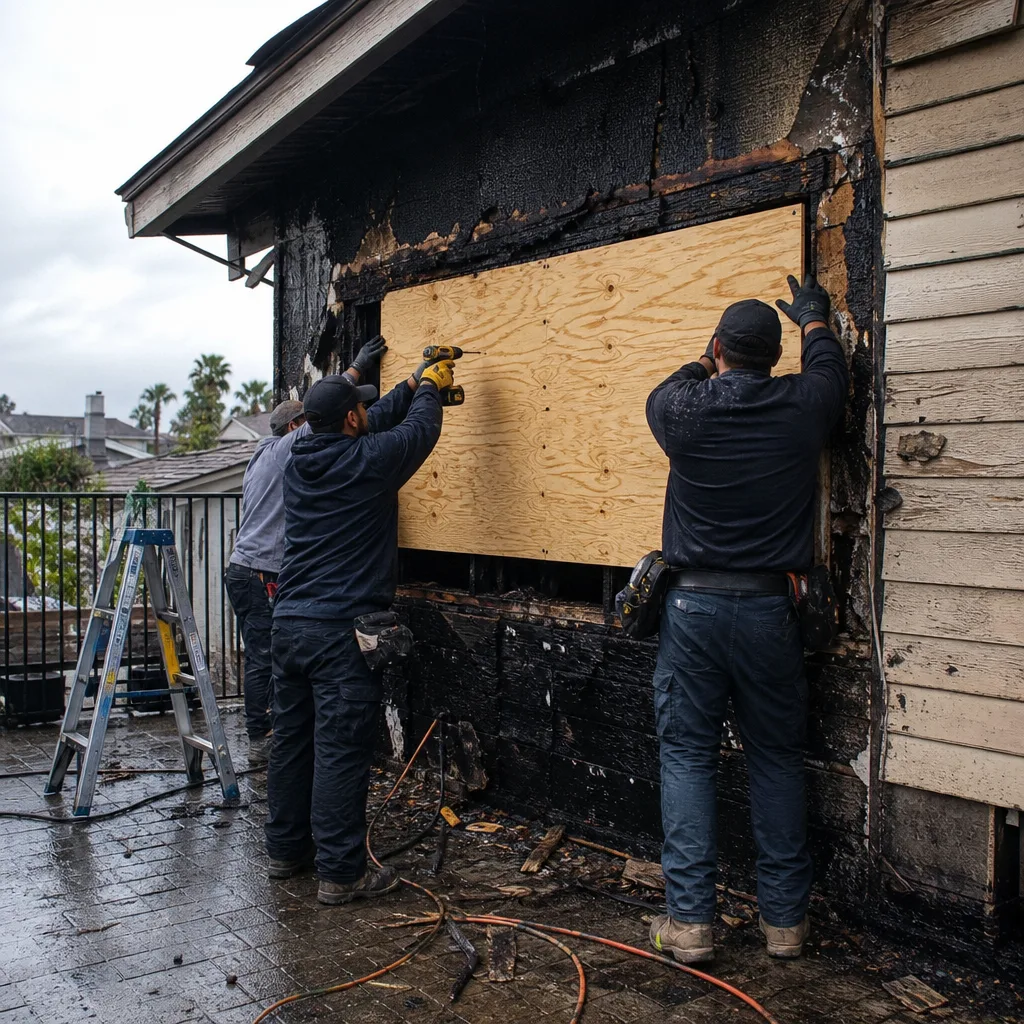
Carpet & Upholstery Cleaning
Post-construction dust in a Chinatown tenement doesn’t settle the way it does in a modern house. The buildings breathe through gaps that have been there since the Coolidge administration, which means fine particulate ends up in upholstery, drapes, and carpet fibers days after the crew’s gone. We run professional-grade HEPA extraction and hot-water cleaning on carpets and furniture, so the unit is actually livable when we hand it back. Not just swept clean. Livable.
What happens when you call
- 1
A real person answersNo phone trees - you reach a local pro.
- 2
You get an upfront price rangeHonest numbers before anyone is dispatched.
- 3
A background-checked tech heads outLicensed & insured, dispatched right away.
- 4
You approve before work beginsNothing starts until you say go.
Trusted Brands We Service in Chinatown
We work on all major equipment and materials brands in the restoration trade because Chinatown’s mixed-use buildings demand it. That includes drying and extraction gear from Dri-Eaz, which we run and maintain ourselves, and our crews hold IICRC and RIA credentials for the work we do. If your building has specific hardware from a European hinge manufacturer on a 1920s storefront, we’ll match it. We don’t stock parts for every brand at every moment, but we know where to get them in the Bay Area fast, and we’re not going to install a generic substitute that your landlord or the historic review board will flag.
Common Reconstruction & Cleanup Problems We See in Chinatown Homes
- True dimensional lumber that isn’t. A 2×4 in a 1910s tenement is actually 2 inches by 4 inches, rough-sawn. Modern lumber is 1.5 by 3.5. We rip down stock on every rebuild, or the inspector flags every wall and you eat a stop-work order. We’ve seen it happen to other crews. It’s the first thing we check.
- Water traveling through balloon-frame bays. These buildings have continuous wall cavities from foundation to roof. A third-floor leak surfaces in the first-floor commercial space, and the actual moisture boundary might span three floors. Thermal imaging is the only way to map it. We bring that camera on every water-related reconstruction job in Chinatown.
- Storefront doors that were never square. The narrow, out-of-square tenement openings on Stockton Street don’t accept off-the-shelf pre-hung units. We’ve seen post-storm door replacements leave gaps that let wind-driven rain soak already-damaged plaster. We cut and shim doors to the actual opening, not the spec sheet.
- Shared panels and active businesses. Cutting power to a shared panel without notifying every tenant can spoil a herbal shop’s refrigerated inventory and create a liability claim. We coordinate with every active business in the building before we touch anything electrical. It’s basic, but crews who don’t know Chinatown skip it.
Pricing for Reconstruction & Cleanup in Chinatown, CA
You want real numbers, and you should. Here’s what we typically see in Chinatown.
Drywall and plaster repair after a contained leak in a single unit runs $2,800 to $6,500, depending on whether it’s plaster-on-lath or standard drywall and how many rooms are involved. Full flooring replacement of old-growth fir in a typical one-bedroom unit runs $4,000 to $9,000, though spot repair after fast drying can land under $2,000. A complete rebuild of a flooded tenement unit, including framing, electrical, and finish work, runs $18,000 to $45,000 depending on square footage and how much original material can be saved. Storefront door replacement with wind-rated hardware runs $3,500 to $8,500 per opening, more if the jamb is rotted and needs full rebuild.
What changes the price faster than anything is whether water was caught in the first 24 hours. The marine layer in Chinatown keeps interior humidity high year-round, and plaster-on-lath assemblies can hit mold-growth thresholds within a day or two. That’s why we tell people to call immediately, not after the weekend. Estimates are free, and if you’re a senior or veteran, there’s a permanent 10% discount. No trip charge inside the county. Call (855) 915-0646.
We Also Serve Cities Near Chinatown
While this page focuses on Chinatown, CA, our crews work throughout the surrounding Bay Area communities. We regularly handle reconstruction and cleanup in San Francisco, Mission District, Noe Valley, and Visitacion Valley. If you’re just outside the neighborhood and wondering whether we cover your block, call and ask. Wade will tell you straight.
Serving Chinatown, CA - Our Local Coverage Area
We’re based in the Chinatown area and know this community well. Use the map below to see our service coverage - if you’re nearby, we can almost certainly help.
FAQs - Reconstruction & Cleanup in Chinatown
Yes. Any structural change to a storefront opening on a building this age requires a permit, and in Chinatown the review is stricter because of the building’s age and historic character. If you swap a door without pulling the permit, the inspector can flag it later and you’ll be redoing the work. We pull the permit for you as part of the job, and we’ll make sure the door meets current wind-rating requirements before the inspector ever sees it. That’s part of why you hire someone who’s done this in Chinatown before. Call (855) 915-0646 and we’ll walk you through the timeline.
Within 24 to 48 hours in most cases. The marine layer keeps interior humidity elevated in these buildings, and the plaster-on-lath walls hold moisture like a sponge. Add the shared cavities between units, and you’ve got a mold factory in two days. That means the response window is shorter here than in, say, an inland suburb. If you’ve had a leak, don’t wait to see if it dries. Call (855) 915-0646 and we’ll take moisture readings that afternoon.
The new door fails within months. The jamb is what holds the door and seals the opening. If it’s rotted, water keeps coming in, the door sags, and the wind-driven rain that got you in the first place comes right back. We’ve seen people pay $3,000 for a new wind-rated door and then pay us $6,000 a year later to rebuild the whole opening because the rot spread. Do it once. Do it right. We’ll show you the rot before we quote anything.
Yes, and we do it regularly. Old-growth redwood has a grain and color that modern lumber doesn’t replicate off the shelf. We source reclaimed redwood from local salvage yards and mill it to match the original dimensions, which are often true dimensional, not modern nominal. The trim we install won’t look like a patch job. It won’t catch the eye at all. That’s the goal.
We coordinate with every occupied unit before we do anything that affects shared systems. That means notifying tenants before we cut power to a shared panel, scheduling noisy work for hours that don’t destroy anyone’s business, and keeping clear access paths open at all times. We’ve done jobs where a herbal shop, a dumpling shop, and three residential units all had to stay functional while we rebuilt the middle floor. It’s slower, but doing it right means nobody loses inventory and nobody files a claim against you. Call (855) 915-0646 and we’ll tell you exactly how we’d sequence a job in your building.
Contact Wade’s Restoration of California
If you need reconstruction or cleanup in Chinatown, CA, don’t let the damage sit another day. Call (855) 915-0646 and Wade Ferris will answer. He’ll talk through what you’re looking at, give you a straight answer on what it takes to fix it, and get someone out to your building. Free estimates, no trip charge inside the county, and a written scope before any work starts. That’s how it should work every time.
Written by Wade Ferris, Owner at Wade’s Restoration of California, serving Chinatown and surrounding Bay Area communities since 2007.