
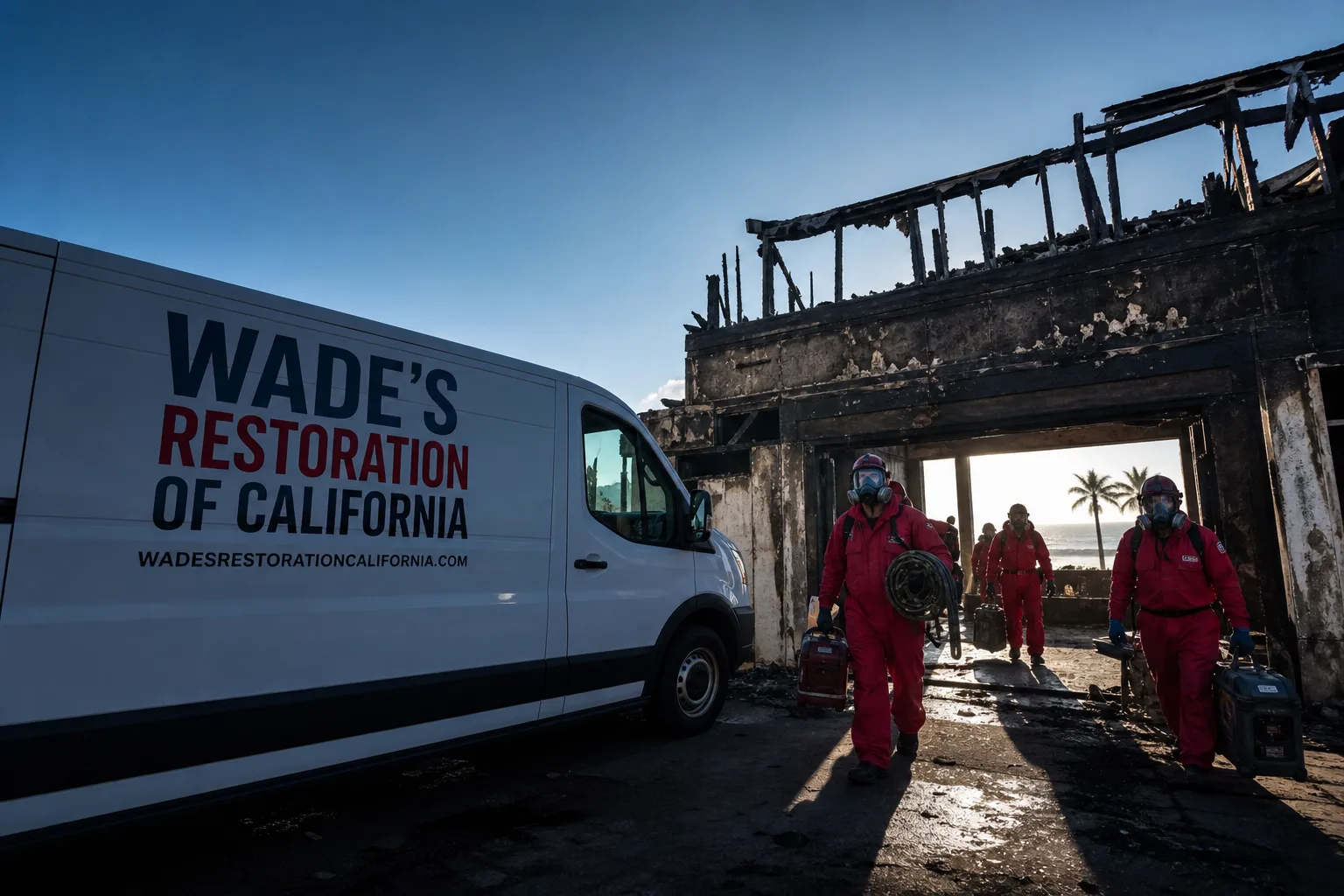
Fast, Reliable Reconstruction & Cleanup Across Albany
When a 1930s bungalow near Albany Village takes on water, the clock starts before the water stops running. Reconstruction and cleanup in Albany isn’t just about pulling drywall and setting fans. It’s about knowing which walls are original lathe-and-plaster, which subfloors are old-growth fir, and which crawl spaces have been quietly holding bay fog for ninety years. Wade’s Restoration has worked on more pre-WWII homes in Albany than we can count, and we’ll be at your door fast. Call (855) 915-0646 and Wade himself may answer.
Why Wade’s Restoration of California Is Albany’s Preferred Reconstruction & Cleanup Company
Wade Ferris founded this company in 2007 and never turned it into a franchise. There’s one name on the truck, one published address, one person who answers the phone at midnight. Albany homeowners call us because the neighbor two doors down already did. When a pier-and-beam bungalow on Kains Avenue had a supply line let go behind the kitchen wall, our crew was there in under an hour. We didn’t send a call center. We sent a team that knew the house probably had original fir under that linoleum before they lifted it.
Ask anyone on your street. Albany is small, just barely over a square mile, and word gets around. When we do Reconstruction & Cleanup on a 1938 cottage off Solano Avenue, the neighbors watch. They see our background-checked uniformed crew, our Dri-Eaz equipment, our daily moisture logs. Wade hands the homeowner that full log at the end of every water and mold job. Almost nobody else in this trade does that, and in Albany, where housing stock is old enough that every opening of a wall reveals surprises, that documentation matters more than any warranty brochure.
Our Reconstruction & Cleanup Services in Albany
Full-Service Reconstruction
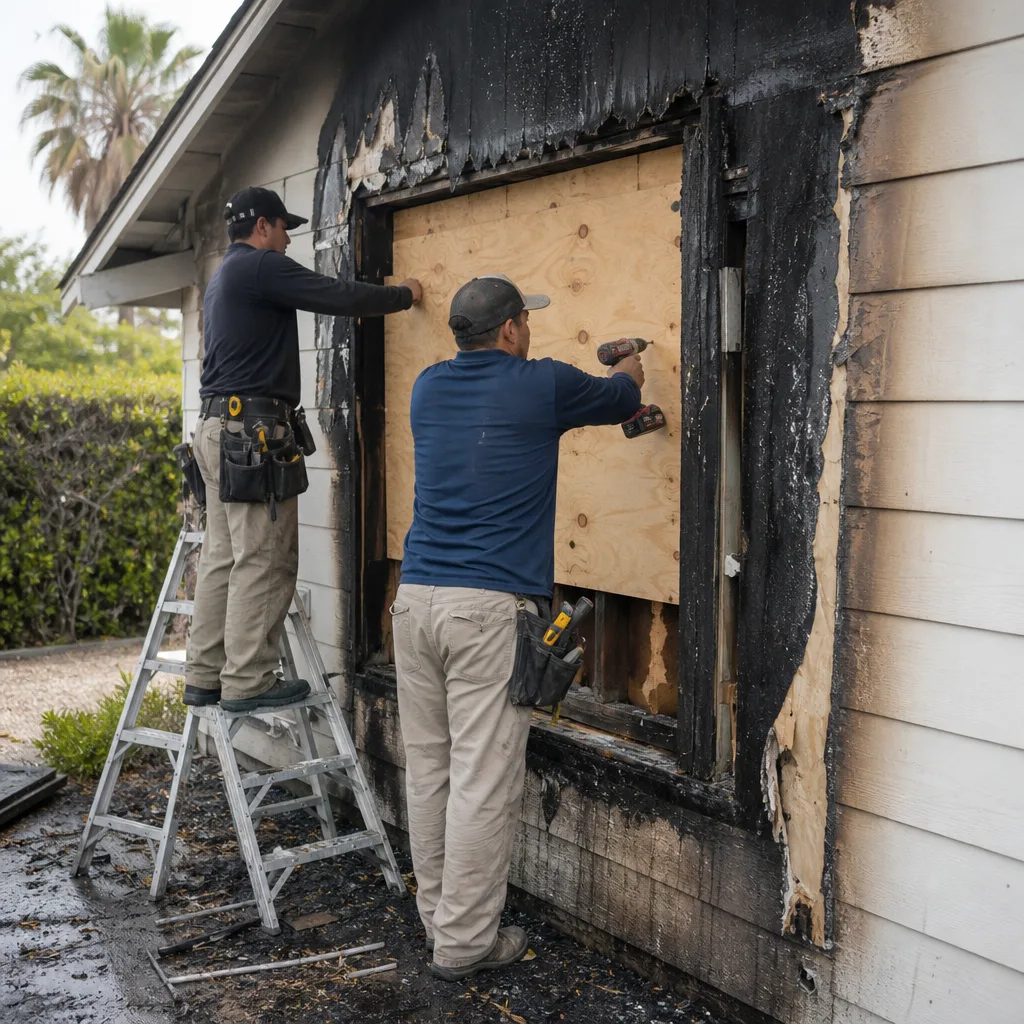
Albany’s 1920s and 1930s homes don’t come apart like a 2005 track build. Original redwood framing, fir subfloors, and lathe-and-plaster walls demand slower, lower-temperature drying and careful surgical demolition. We reconstruct only what’s necessary, then match finishes to what was there. This isn’t lipstick on a flooded house. It’s real restoration work on homes that have lasted ninety years and can last ninety more if someone pays attention to how they were built.
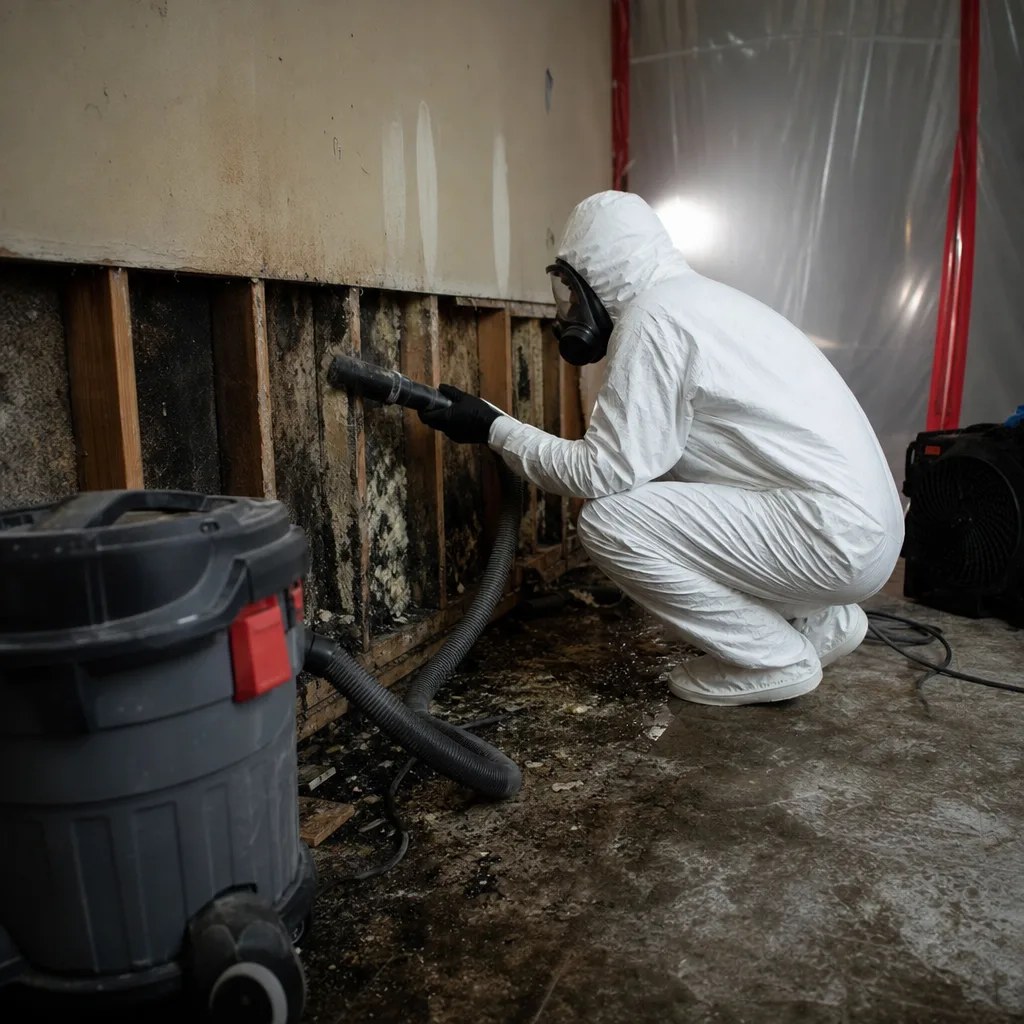
Drywall & Flooring Repair
In Albany’s raised bungalows, water doesn’t usually come through the roof. It comes up from below, through damp crawl spaces and cracked foundations along the Hayward Fault. That moisture wicks into walls and swells old fir subfloors. Our drywall and flooring repair starts with finding where the water actually came from, because patching the visible damage without fixing the source is how you get a callback in six months. On a 1931 house we recently worked on near Albany Middle School, the flooring had been replaced three times by three different contractors. The crawl space still had no vapor barrier. We fixed the floor, added the barrier, and the problem stayed fixed.
Contents Restoration & Pack-Out
When a bungalow on a damp pier-and-beam foundation floods, the damage isn’t just the walls. It’s the photo albums in the hall closet, the wool rug from the grandmother, the solid wood dresser that’s been absorbing moisture from the floor for a week. We pack out contents, document everything with photographs, restore what can be saved, and store what can’t go back immediately. Your adjuster gets a complete, itemized record. You get your things back in the condition they left, or as close as physics allows.
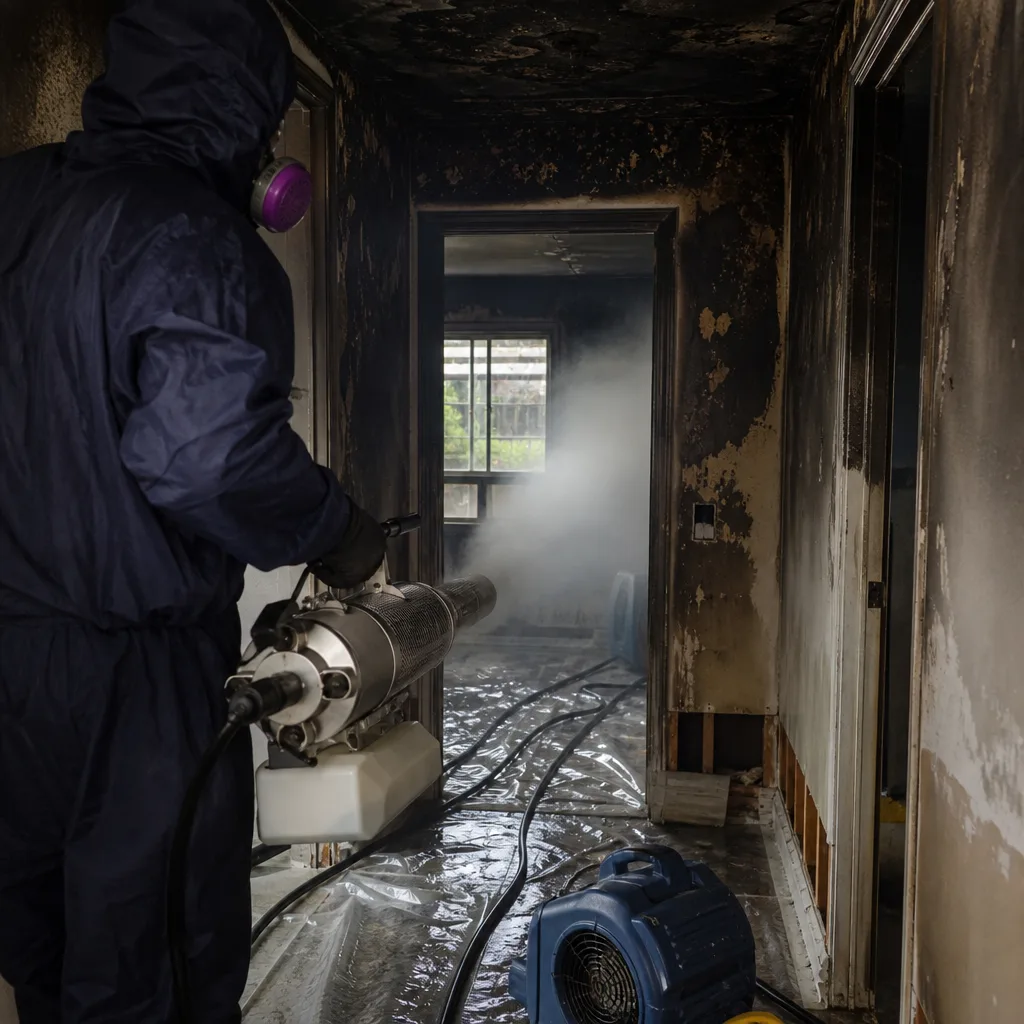
Carpet & Upholstery Cleaning
Albany’s marine layer means that even homes without a leak can develop that musty smell in carpets and upholstery, especially in flatland parcels near the bay. Our professional-grade cleaning pulls out embedded moisture and the mold spores riding along with it. We use Phoenix and Dri-Eaz equipment calibrated for older homes so we don’t soak your 1935 fir subfloor while we’re cleaning the carpet on top of it.
What happens when you call
- 1
A real person answersNo phone trees - you reach a local pro.
- 2
You get an upfront price rangeHonest numbers before anyone is dispatched.
- 3
A background-checked tech heads outLicensed & insured, dispatched right away.
- 4
You approve before work beginsNothing starts until you say go.
Trusted Brands We Service in Albany
We work on all makes and models of restored and reconstructed homes, and we bring equipment from brands that hold up to Albany’s specific conditions. Dri-Eaz dehumidifiers handle the chronic bay humidity without overheating tight spaces. Phoenix axial fans move air efficiently through the low crawl spaces under Albany’s raised foundations. Wade’s team is IICRC-certified, RIA-affiliated, and IFA-recognized, and because we work Albany regularly, we keep parts and materials on hand that generic restoration outfits would have to order from a distributor. That means less waiting when your kitchen wall is open and the marine layer is rolling in again.
Common Reconstruction & Cleanup Problems We See in Albany Homes
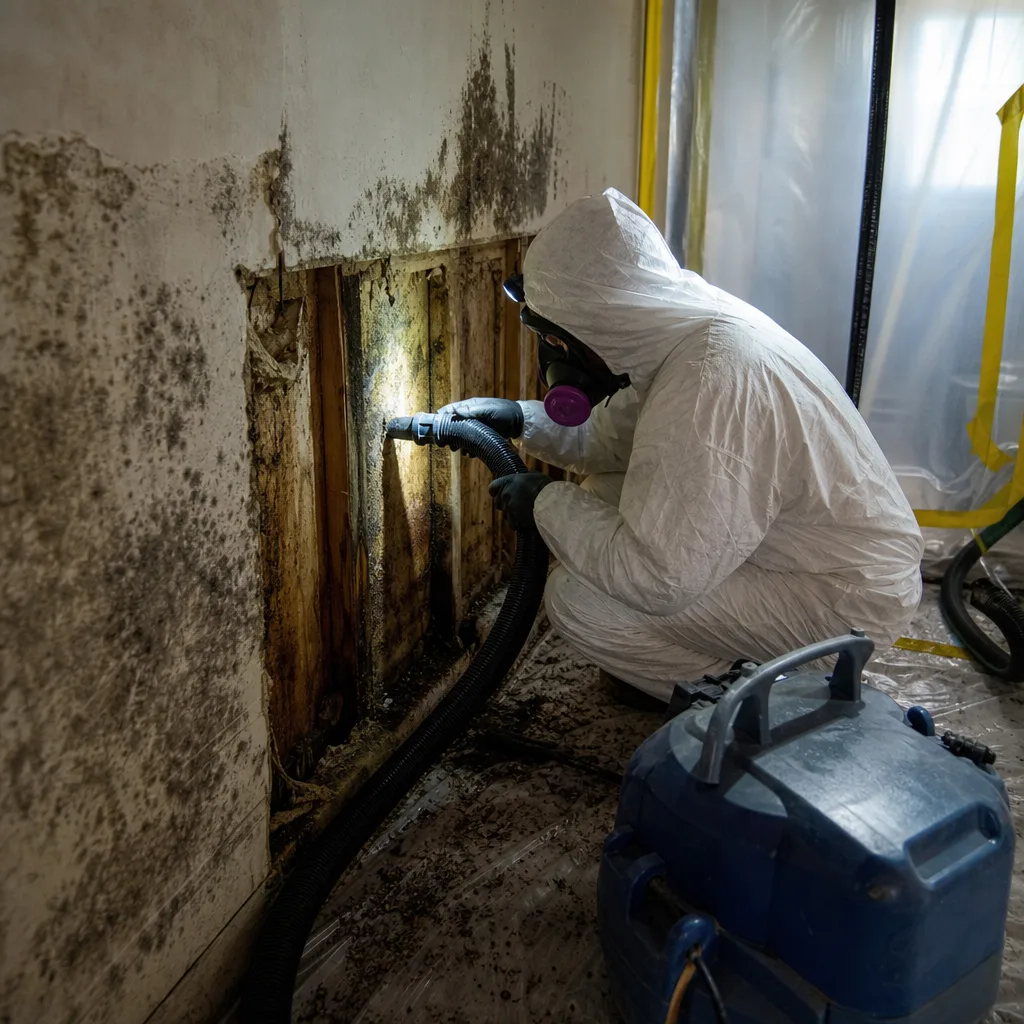
- Mold blooms under raised foundations without vapor barriers. The 1930s pier-and-beam designs common in Albany let bay air pool under the house year-round. That air is never dry, and original subfloor insulation soaks it up. By the time we’re called, the mold is often established enough to require full containment and HEPA vacuuming before any reconstruction can begin.
- Water wicked up through lathe-and-plaster walls. Plaster holds water like a sponge. A small leak behind an original kitchen wall on a house near the Albany Bulb can saturate the lime plaster and ride upward into untouched wall cavities. The paint looks fine. The inside doesn’t. We find this on almost every older Albany home we open up.
- Seismic cracks funneling stormwater into wall cavities. Albany sits close to the Hayward Fault. Even small quakes open hairline cracks in 90-year-old foundations, and when atmospheric rivers hit in winter, rainwater finds those cracks and gets inside. Original fir subfloors dry slowly, and if they dry too slowly, secondary mold sets in.
- Old galvanized supply lines failing behind original walls. Homes built before 1950 in Albany still have galvanized plumbing in a lot of cases. Those pipes corrode from the inside over decades, and when they finally let go, they let go behind a lathe-and-plaster wall where the damage is hidden until it’s extensive. Wade sees this constantly.
Pricing for Reconstruction & Cleanup in Albany, CA
Reconstruction and cleanup pricing in Albany reflects the age of the housing stock and the specific conditions of a fog-belt bungalow. Here’s what you can expect for typical jobs in the 94706 zip code. A single-room drywall and flooring repair after a supply line leak typically runs $2,800 to $5,600, including demolition, drying, and finish work. Full crawl space mold remediation with containment and HEPA vacuuming on a standard 1,200-square-foot Albany bungalow ranges from $4,500 to $9,000. Contents pack-out and restoration for a flooded home generally falls between $2,000 and $6,000 depending on volume and material types. Carpet and upholstery cleaning starts around $250 and goes up with square footage and water extraction needs. These are real ranges based on actual Albany jobs. Call (855) 915-0646 for a detailed written scope before any work starts. Estimates are free, and if you already have a written estimate from someone else, Wade will give you a free second opinion. No charge for that.
We Also Serve Cities Near Albany
Wade’s Restoration serves all of Albany and the surrounding communities, including El Cerrito, Kensington, Berkeley, and Emeryville. If you live just over the city line, call us. You’ll get the same owner-operated service that Albany homeowners get, the same written 90-Day Done Right Promise, and the same live person answering the phone at 2 a.m.
Serving Albany, CA - Our Local Coverage Area
We’re based in the Albany area and know this community well. Use the map below to see our service coverage - if you’re nearby, we can almost certainly help.
FAQs - Reconstruction & Cleanup in Albany
Lathe-and-plaster walls in Albany dry significantly slower than modern drywall because plaster is dense and porous, and the bay air never gets dry enough to pull moisture out passively. We use low-grain refrigerant dehumidification, specifically Dri-Eaz LGR units, to push moisture out of the plaster structure without forcing heat, because heat can crack 90-year-old plaster and loosen the keys that hold it to the lathe. Expect drying to take 3 to 5 days longer than it would in an inland city, and know that cutting corners on drying time is how secondary mold gets started. Call (855) 915-0646 for an exact drying plan and a free estimate.
Old-growth fir subfloors usually can be saved if we get to them before swelling and delamination set in, which usually means within 48 to 72 hours of the leak. Fir from the 1930s is dense and tight-grained, and it responds well to controlled low-temperature drying. The bigger risk is mold, because fir that stays damp for more than a few days will grow it readily. We test moisture content with daily readings, and if the fir is below 12% at the end of drying and structurally sound, it stays. If it’s soft or delaminated, we replace only the damaged sections and match the new fir to the old rather than tear out the whole floor.
Marine air pools under Albany’s pier-and-beam foundations and keeps the crawl space surfaces perpetually damp, especially in the flatland parcels west of San Pablo Avenue. These 1930s foundations were built without vapor barriers, and most have never been retrofitted. The result is that subfloor insulation and the underside of the fir subfloor itself absorb that dampness year-round, and mold blooms without any plumbing failure at all. We see this constantly on homes near the bay, and the fix requires HEPA vacuuming, containment during removal, and installation of a vapor barrier before reconstruction begins.
You should remove only the damaged plaster keys and any soaked lathe, then dry the surrounding wall cavity with controlled dehumidification and patch with a lime-based plaster mix. Removing the entire wall is almost never necessary and destroys historic finishes that can’t be replaced. On a 1930s bungalow near Albany Village, our crew removed only the damaged section behind a failed supply line, dried the original redwood framing to 8% moisture content, and patched with lime plaster to match the original texture. The wall now looks untouched. Call (855) 915-0646 and Wade will walk you through the scope before any work begins.
Yes. Earthquake-related water damage in Albany usually comes from cracked foundations or fractured supply lines, and you have to address the structural crack or the pipe replacement before any cosmetic reconstruction. We inspect the foundation first, repair or stabilize what’s needed, then reconstruct the interior to match the original. Homes built in the 1920s and 1930s near the fault often have older galvanized pipes that fail during seismic events, and we regularly replace those with PEX while walls are open. It’s the smart time to do it, and it avoids opening the wall twice. Call (855) 915-0646 for a written scope before any work starts.
Call Wade’s Restoration for Reconstruction & Cleanup in Albany
When your Albany home needs reconstruction and cleanup, you don’t want a national chain with a rotating crew and a call center in another state. You want the person whose name is on the truck, whose address is published, and who will run into you at the hardware store on Saturday. That’s Wade Ferris. He’s been at this since 2007, he answers his own phone, and every job comes with a 90-Day Done Right Promise in writing. If it’s not done right, he makes it right. One call brings Wade back. Call (855) 915-0646 for a free estimate, a free second opinion on any written estimate, or just to talk through what you’re seeing. To wade is what you do through a flooded basement at two in the morning, and it happens to be his name. Here is his cell.
Written by Wade Ferris, Owner at Wade’s Restoration of California, serving Albany and the surrounding Bay Area since 2007.