
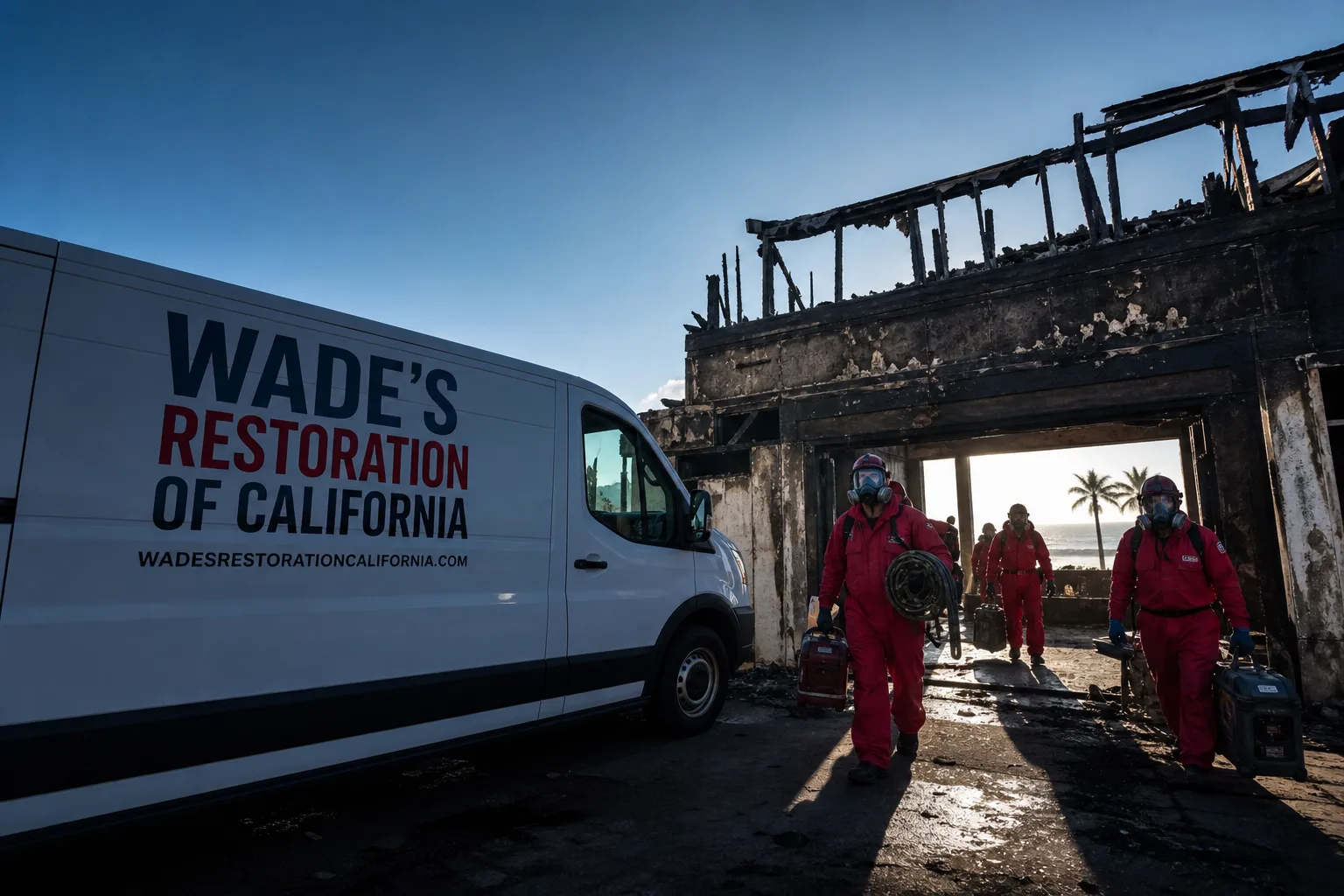
Fast, Reliable Mold Remediation Across Woodland
Mold remediation in Woodland typically runs $1,800-$6,500 depending on how far the growth has spread and whether it’s in a crawl space, behind lath-and-plaster, or in a modern 95776 tract home. Most jobs in Woodland can be assessed same-day and started within 24-48 hours. If you’ve spotted black staining on a wall, caught a musty smell near the baseboards, or had a pipe let go last winter and never quite dried out, call (855) 915-0646 and Wade will head out himself.
Woodland isn’t like the newer suburbs to the east. The older west-side blocks off College and Cross Street, the Victorians with original plaster walls, the dirt crawl spaces under pre-war hardwood floors: that’s the Woodland mold actually hides in. We’ve been in those crawl spaces. We know what Yolo clay does to a subfloor in February. When you call, you get someone who already knows your house’s age, your soil, and why the mold keeps coming back even after someone “cleaned” it.
Why Wade’s Restoration of California Is Woodland’s Preferred Mold Remediation Company
Wade Ferris founded this company in 2007 and his name is on the truck. His address is published. When he quotes a mold job in Woodland, he’s going to run into you again at the Nugget on Main Street or the farmers market on Court Street. That’s not marketing fluff; it’s the oldest accountability system there is.
Woodland homeowners have called us after a national outfit quoted one price over the phone and another at the door. That doesn’t happen here. Wade writes the scope before work starts, you agree to it, and the 90-Day Done Right Promise is stamped right on the contract. If it’s not done right, he makes it right. One call brings Wade back.
We answer the phone. Day or night. Not a call center, not a voicemail queue. Wade carries his cell and often picks up on the second ring. That matters when you’ve got a water heater that failed inside a 1910 Craftsman’s interior wall and mold is already blooming by the time you notice the baseboard staining.
Our crews serve Woodland daily from our Sacramento dispatch office. When you call about mold in a crawl space off Lincoln Avenue or a water stain creeping across a ceiling in Spring Lake, Wade heads out from Sacramento and is inside Woodland within the hour. We’re certified through IICRC and RIA, our technicians are background-checked and uniformed, and we run Dri-Eaz drying equipment on nearly every Woodland job.
Our Mold Remediation Services in Woodland
Mold Inspection & Testing
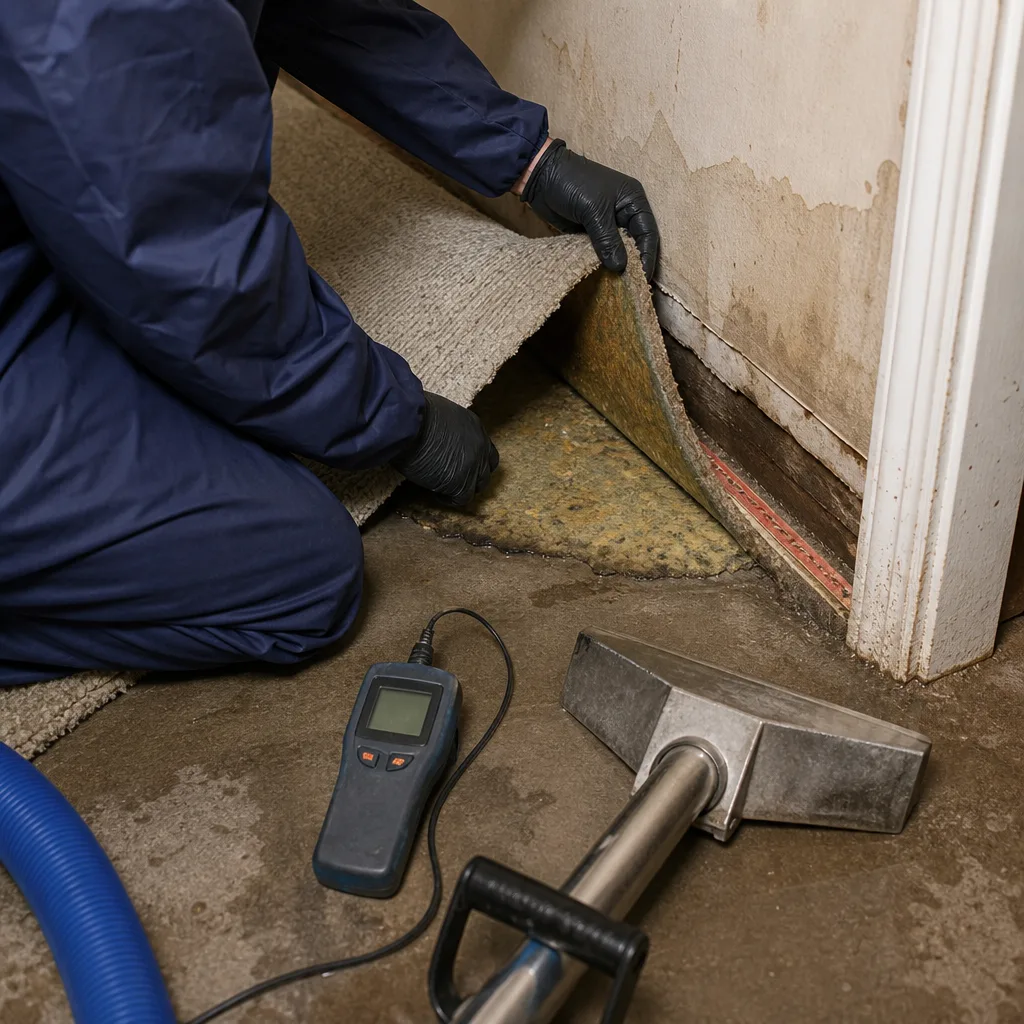
Before we remove anything, we find out what you’re actually dealing with. A mold inspection in Woodland typically runs $250-$500 and includes moisture mapping, visual assessment, and air or surface sampling when it’s called for. In older Woodland homes, we pay special attention to baseboards and plaster keys, because mold behind lath-and-plaster doesn’t always show itself on the surface until it’s spread well beyond the original water source.
Mold Removal
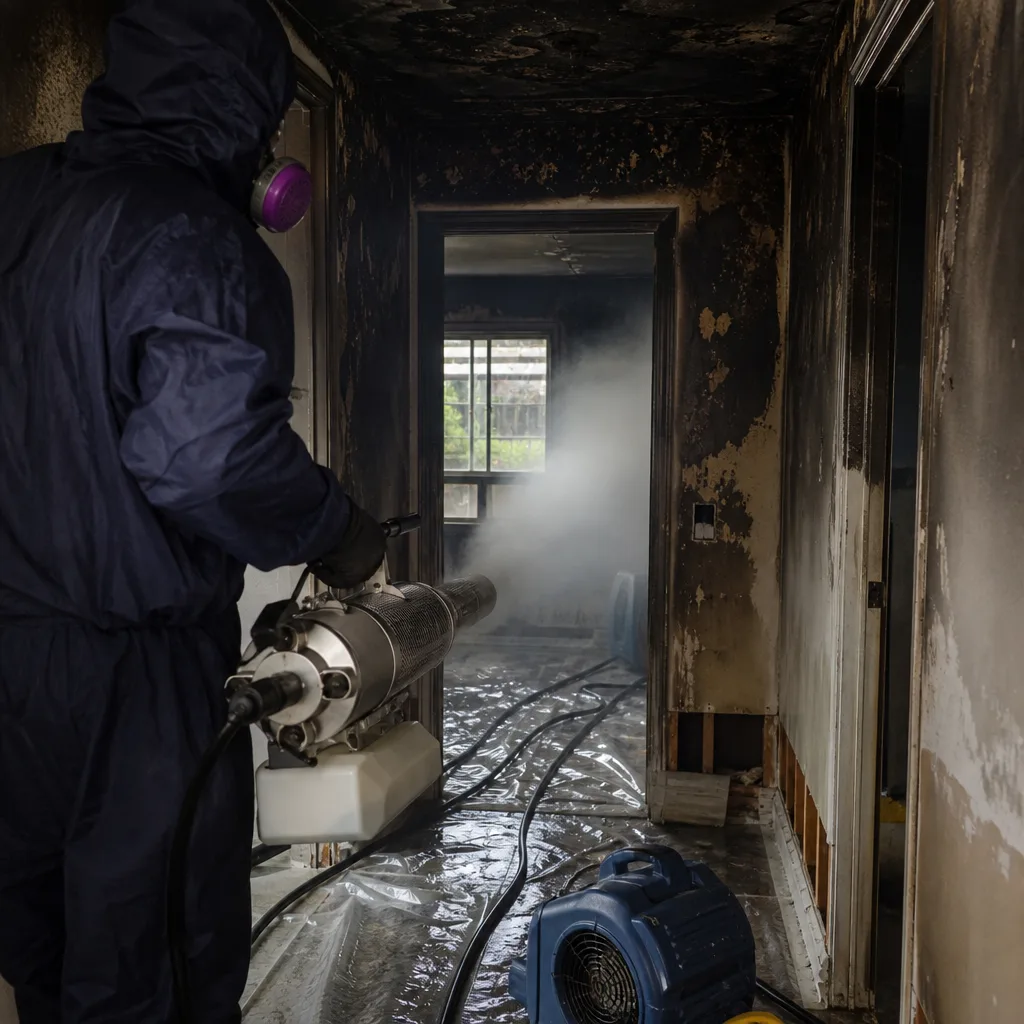
Mold removal in Woodland runs $1,200-$4,000 for most contained areas, more if it’s spread across multiple rooms or into structural framing. The work involves physical removal of contaminated material, not just spraying something on the surface. In Woodland’s pre-WWII homes, that often means taking out sections of original plaster that can’t be saved once mold has worked into the keys behind it.
Black Mold Remediation
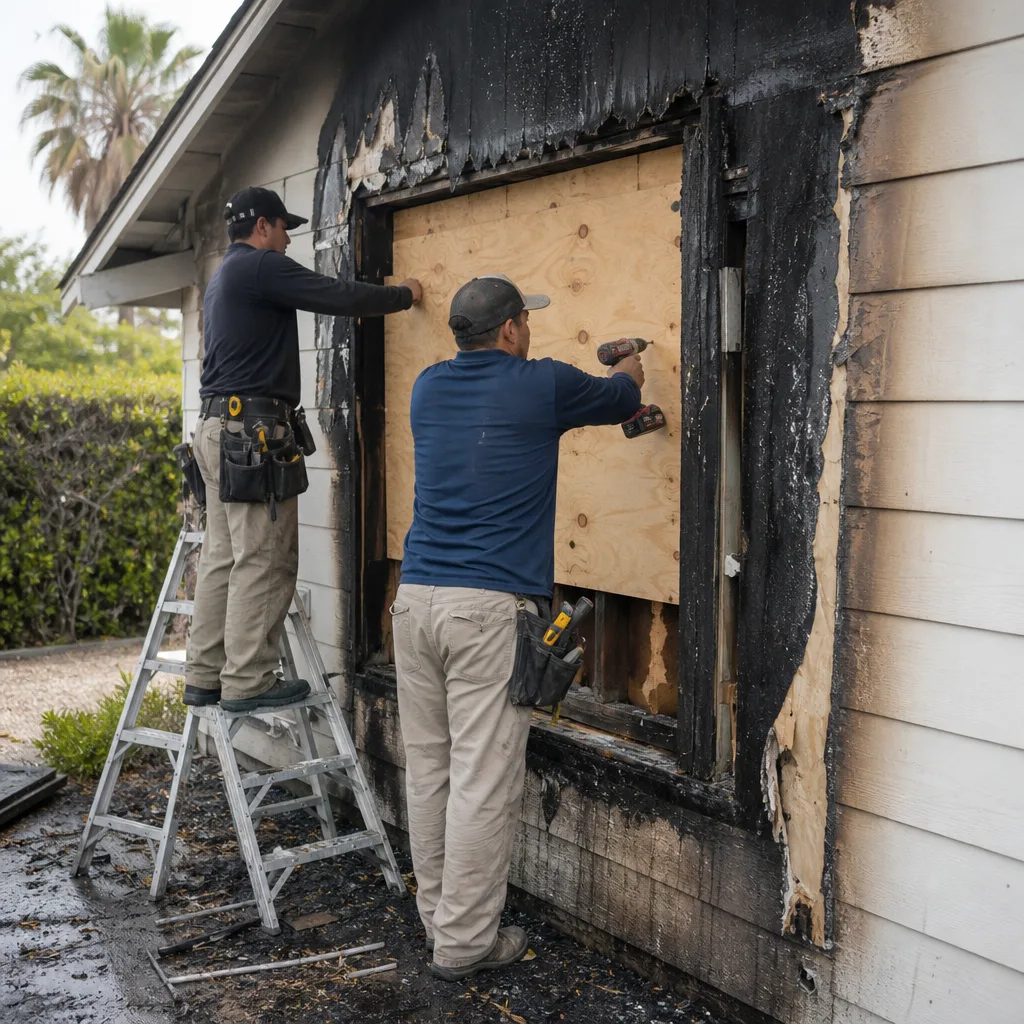
Black mold (Stachybotrys) shows up most often in Woodland’s unvented dirt crawl spaces and behind walls that got wet during a winter rain event and never fully dried. Black mold remediation in Woodland typically runs $2,500-$6,500 depending on the square footage involved. We contain the area, remove the contaminated material, treat the framing and remaining surfaces, and then address the moisture source, because if you skip that step in a Yolo clay crawl space, the mold is back before the next tule fog rolls in.
Air Quality Restoration
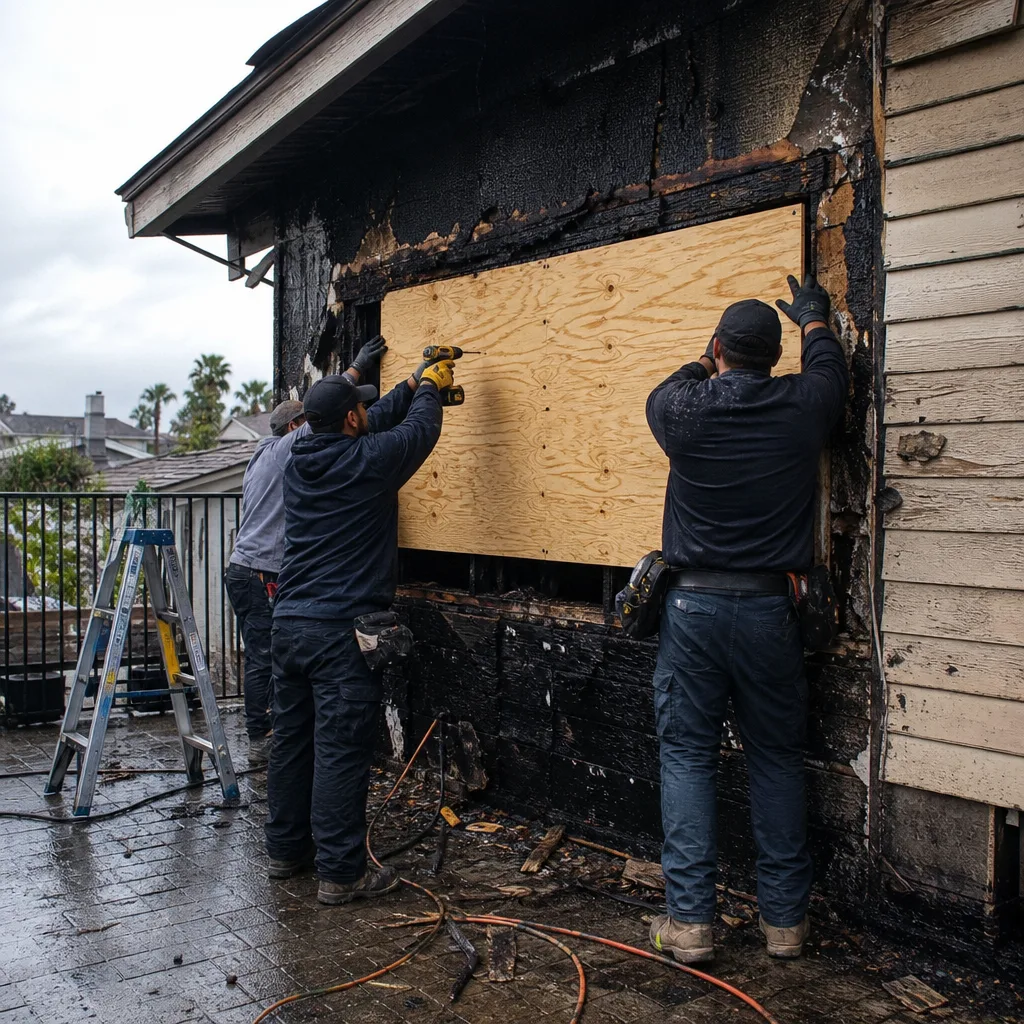
After the source is removed, the air in your home still carries spores. Air quality restoration in Woodland runs $400-$1,200 and includes HEPA air scrubbing, duct assessment when HVAC is involved, and a final clearance check. In older Woodland homes with original single-pane windows and minimal ventilation, this step is what keeps the musty smell from lingering after remediation is done.
What happens when you call
- 1
A real person answersNo phone trees - you reach a local pro.
- 2
You get an upfront price rangeHonest numbers before anyone is dispatched.
- 3
A background-checked tech heads outLicensed & insured, dispatched right away.
- 4
You approve before work beginsNothing starts until you say go.
Common Mold Remediation Problems We See in Woodland Homes
- Yolo clay moisture wicking through crawl space floors. Woodland’s expansive clay soils hold ground moisture like a sponge after winter rains. That moisture pushes up through the subfloor in homes with unvented dirt crawl spaces, and mold regrows even after the visible problem was “fixed.” We seal and treat the crawl space, not just the room above it.
- Lath-and-plaster walls hiding mold for months. In the late-1800s and early-1900s homes around College and Lincoln, water travels inside plaster walls before it ever shows on the surface. By the time you see the stain, the mold colony is often two or three times larger behind the plaster. Rushing the job with a surface treatment leaves spores in the plaster keys, and they bloom again after the first fog event.
- Tight alley-loaded lots on the west side. Many of Woodland’s older homes sit on narrow lots with tight alley access. A standard remediation trailer simply can’t reach the crawl space door. We carry compact equipment and plan for the access constraints ahead of time, so the job doesn’t stall halfway through because the gear wouldn’t fit.
- Slab foundations stressed by seasonal soil movement. In the 95776 tract homes built from the 1990s onward, a pipe leak under the slab during the swelling season can force water up through hairline foundation cracks. If you don’t address the slab movement alongside the mold removal, the next wet winter reopens the crack and the problem returns.
Pricing for Mold Remediation in Woodland, CA
Here’s what you can expect to pay in Woodland, based on jobs we’ve done in the last few years:
- Mold inspection and moisture assessment: $250-$500
- Contained mold removal (single room or small crawl space section): $1,200-$2,800
- Black mold remediation including crawl space treatment: $2,500-$6,500
- Full crawl space encapsulation and moisture control: $3,000-$8,000 depending on square footage and access
- Air quality restoration with HEPA scrubbing: $400-$1,200
What moves the number is square footage, how much material has to come out, whether the crawl space needs sealing, and how hard the access is. Woodland’s older west-side homes with alley access and original plaster tend to run on the higher end because the work is more detailed. We offer a free second opinion on any written estimate, and if you’re inside Yolo County, there’s no trip charge. Call (855) 915-0646 and Wade will give you an honest range before anyone shows up.
Woodland’s Yolo Clay Problem: What It Actually Means for Mold
Woodland sits on expansive Yolo series clay soils, named for the county. These soils shrink and crack through the long dry stretch from May to October, then swell and heave when the winter rains arrive. What that means for your house: any water intrusion event, a burst pipe, a roof failure, a storm flooding event, lands on a foundation already stressed by months of seasonal soil movement. That stress opens micro-cracks in slabs and stem walls. Water finds those cracks. And where water sits in the dark, mold follows.
Restoration contractors coming from Sacramento or Davis don’t routinely deal with this because their soil profiles are different. They’ll dry out the visible water, wipe down the mold, and leave. Six months later, the mold is back in your crawl space because the Yolo clay below never stopped breathing moisture upward. We do a soil-aware structural assessment alongside the standard moisture mapping on every water loss in Woodland. It’s not an add-on we pitch; it’s the reason the job actually stays done.
In a 1910 Craftsman off College Street, our crew traced recurring black mold in the dining room to a slow leak in the original cast-iron supply line hidden behind lath-and-plaster walls. After removing the moldy plaster and treating the unvented dirt crawl space beneath the hardwood floors, we installed a Dri-Eaz dehumidifier and sealed the crawl space to keep Yolo clay moisture from wicking back up. That was three winters ago. The mold hasn’t returned, and the homeowner has our moisture log to prove why it won’t.
Why Woodland’s Older Homes Need a Different Approach
Woodland’s historic core is dense with late-1800s to early-1900s Victorian and Craftsman homes. Original lath-and-plaster walls. Single-pane windows. Aging galvanized or cast-iron supply lines. None of those things dry the way modern drywall does. Plaster holds moisture against the framing for weeks after the visible water is gone. Cast-iron pipes rust from the inside out and leak slowly behind walls for months before you see any sign of trouble. And the original hardwood floors in those pre-WWII homes sit directly over unvented dirt crawl spaces, with the Yolo clay below pushing humidity up through the subfloor after every wet winter.
Standard drying timelines that work in a 95776 tract home don’t apply west of the highway. We routinely run drying equipment longer in Woodland’s older neighborhoods than industry averages suggest, because the plaster and the dirt crawl space and the clay all hold moisture that a moisture meter will keep finding days after the visible water is gone. If a contractor rushes that dry-out, the mold comes back within weeks. We don’t rush it.
Trusted Brands We Use in Woodland
Wade’s crew runs professional-grade equipment from Dri-Eaz and other names the industry actually respects, not the rental counter stuff a handyman hauls in. Our IICRC and RIA certified technicians show up in uniform, background-checked, and they carry what the job needs for Woodland’s older housing stock: compact dehumidifiers that fit through tight alley doors, crawl space vapor barriers cut for Yolo clay conditions, and moisture meters calibrated for plaster-over-lath walls. We keep the supplies on hand, so we’re not waiting for a part to come in while the mold keeps growing.
We Also Serve Cities Near Woodland
If you’re outside Woodland proper, we also cover Davis, West Sacramento, Winters, and Sacramento. The soil is different, the houses are different, but the work is the same: find the water, remove the mold, fix the source so it doesn’t come back. See our full Mold Remediation service page for details on what we do across the region, or check what we handle in Woodland specifically.
Serving Woodland, CA - Our Local Coverage Area
We’re based in the Woodland area and know this community well. Use the map below to see our service coverage - if you’re nearby, we can almost certainly help.
FAQs - Mold Remediation in Woodland
Because the moisture source was never addressed. In Woodland, that source is almost always the Yolo clay soil under your house holding ground moisture and releasing it into an unvented dirt crawl space. You can scrub the mold off the joists and it will be back within a season unless the crawl space is sealed, vented, or mechanically dried. We treat the crawl space as part of every mold job, not as an afterthought. Call (855) 915-0646 and we’ll tell you exactly what’s going on under your house.
Yolo clay shrinks during Woodland’s dry season and swells when the winter rains come, which stresses your foundation and opens hairline cracks. If a pipe leaks during the swelling season, water can travel through those cracks into wall cavities and under flooring, and the moisture gets trapped against the slab. Mold then grows in places you can’t see. We map the moisture readings and check for slab stress points before we ever start removal. If you’ve had a leak, get a free assessment at (855) 915-0646.
Not inherently, but it’s often more extensive by the time it’s found. In a Victorian with lath-and-plaster walls, mold spreads behind the plaster keys for months before visible staining appears. In a newer drywall home, the growth tends to be more localized and detected sooner. The risk depends on the species and your own sensitivity, not the age of the house. What we can say is that older Woodland homes require more careful containment and removal, because the mold is rarely where the stain is. For a quote, call (855) 915-0646.
Because the materials hold moisture longer. Plaster over lath, original hardwood over dirt crawl spaces, solid wood framing that’s been breathing Yolo clay humidity for a century: none of it dries as fast as the drywall-on-slab construction in the newer 95776 tracts. We run drying equipment longer, we take daily moisture readings, and we don’t declare the job done until the numbers say it’s done, not when the calendar says it should be. If a contractor promises a fast dry-out on a west-side Victorian, ask to see the moisture log.
Yes. Woodland’s dense winter tule fog sits for weeks at a time, keeping exterior walls, crawl spaces, and under-ventilated attics perpetually damp. In a home with poor ventilation or an unsealed dirt crawl space, that ambient moisture alone can push relative humidity high enough for mold to establish, no pipe burst or roof leak required. If you’re noticing a musty smell every winter, call (855) 915-0646. We’ll find where the moisture is coming from and fix it before the colony spreads.
Written by Wade Ferris, Owner at Wade’s Restoration of California. Wade answers his own phone, and he’ll be the one walking your crawl space in Woodland.