
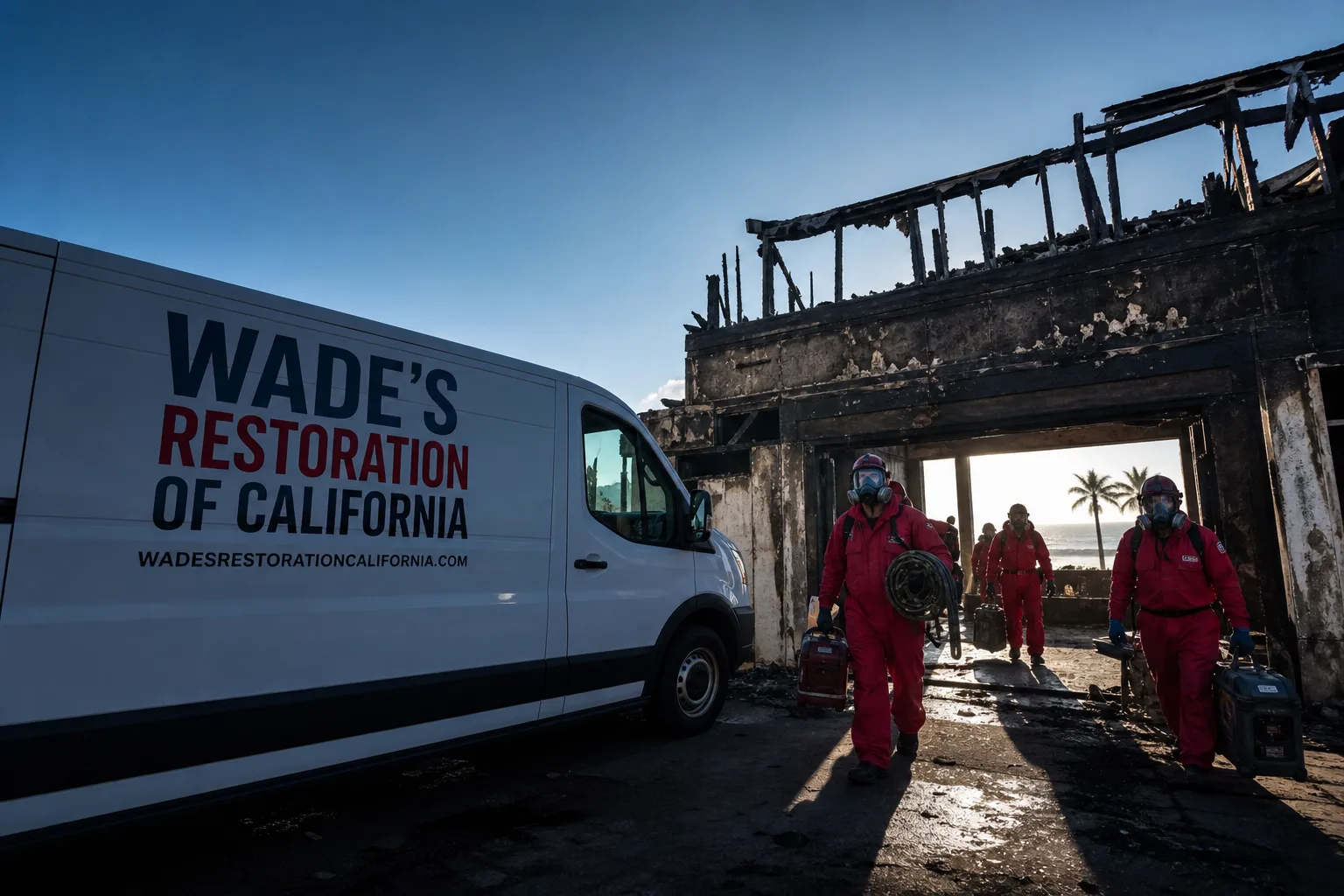
Fast, Reliable Mold Remediation Across Coronado
Mold remediation in Coronado, CA typically costs between $1,800 and $6,500 depending on how far the growth has spread and whether salt-contaminated water is involved, and we can usually have a crew on the peninsula within the hour. Wade’s Restoration has spent years pulling mold out of Coronado’s 1920s beach cottages, bay-front stilt homes, and Silver Strand condos, so we know what this salt air does to a wall cavity better than any inland outfit ever could. If you’ve spotted discoloration on a baseboard, caught a musty smell near a crawl space vent, or watched mold return after someone else “fixed” it, call Wade directly at (855) 915-0646. He answers his own phone.
Why Wade’s Restoration of California Is Coronado’s Preferred Mold Remediation Company
Wade Ferris started this company in 2007 and put his name on the door, his license number on the website, and his cell number in the hands of every Coronado homeowner he’s ever worked for. That’s not a marketing line. It’s how a peninsula full of repeat referrals gets built. When a homeowner on Ocean Boulevard or A Avenue calls at 10 p.m. because a king tide pushed bay water into the garage, Wade is the person who shows up with the moisture meter, not a call-center stranger who’s never seen salt wick through redwood framing.
Coronado’s housing stock is old by California standards. A lot of it went up between 1910 and 1940, which means original plaster, pier-and-beam foundations, and framing timbers that have been breathing salt-laden humidity for a century. Wade’s crew knows these homes. They know that a 1930s crawl space under a bay-facing street near Glorietta Bay behaves differently than a 2005 condo near the golf course. That local knowledge is the difference between mold that stays gone and mold that’s back by spring. Our Mold Remediation team treats every Coronado job as a restoration, not a wipe-down.
Our Mold Remediation Services in Coronado
Mold Inspection & Testing
A proper mold inspection in Coronado starts with understanding that the ocean is in the air here. The peninsula sits fully surrounded by saltwater, and that means the relative humidity rarely drops low enough for passive drying. Our inspections map moisture intrusion points, check for salt deposits inside wall cavities, and measure ambient humidity in crawl spaces and attics. We hand you the full moisture log at the end, every reading, no mystery numbers. In Coronado, that log almost always tells the story of salt-contaminated air and water, not just a forgotten leak.
Mold Removal
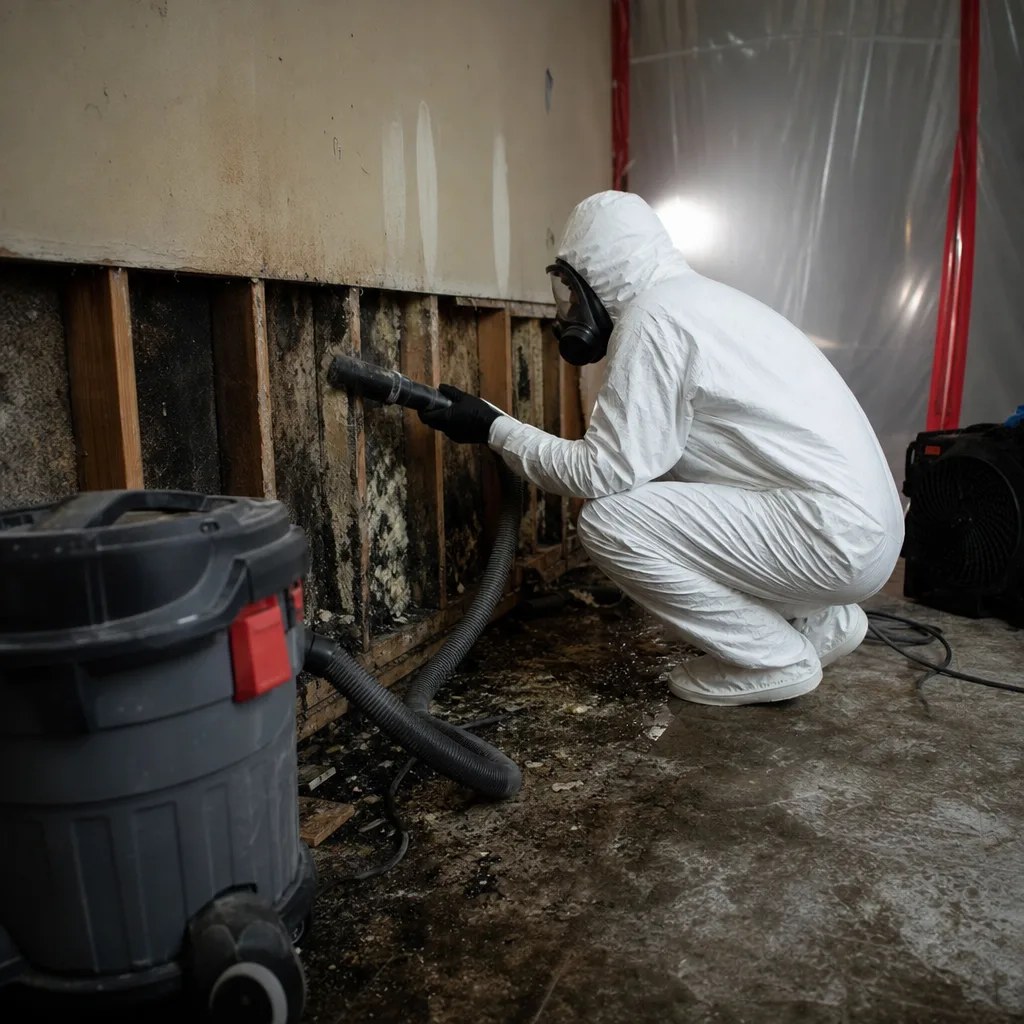
Mold removal in Coronado almost always involves tight spaces, old framing, and marine humidity. We set containment barriers, run HEPA air scrubbers, and physically remove contaminated drywall, insulation, and baseboards. What makes it different here is that we don’t stop at cutting out the visible growth. We inspect for salt crystals left behind from earlier intrusion events. Salt pulls moisture and keeps the microclimate inside a wall cavity wet long after the drywall looks dry. If we don’t address that, we’re setting you up for a callback.
Black Mold Remediation
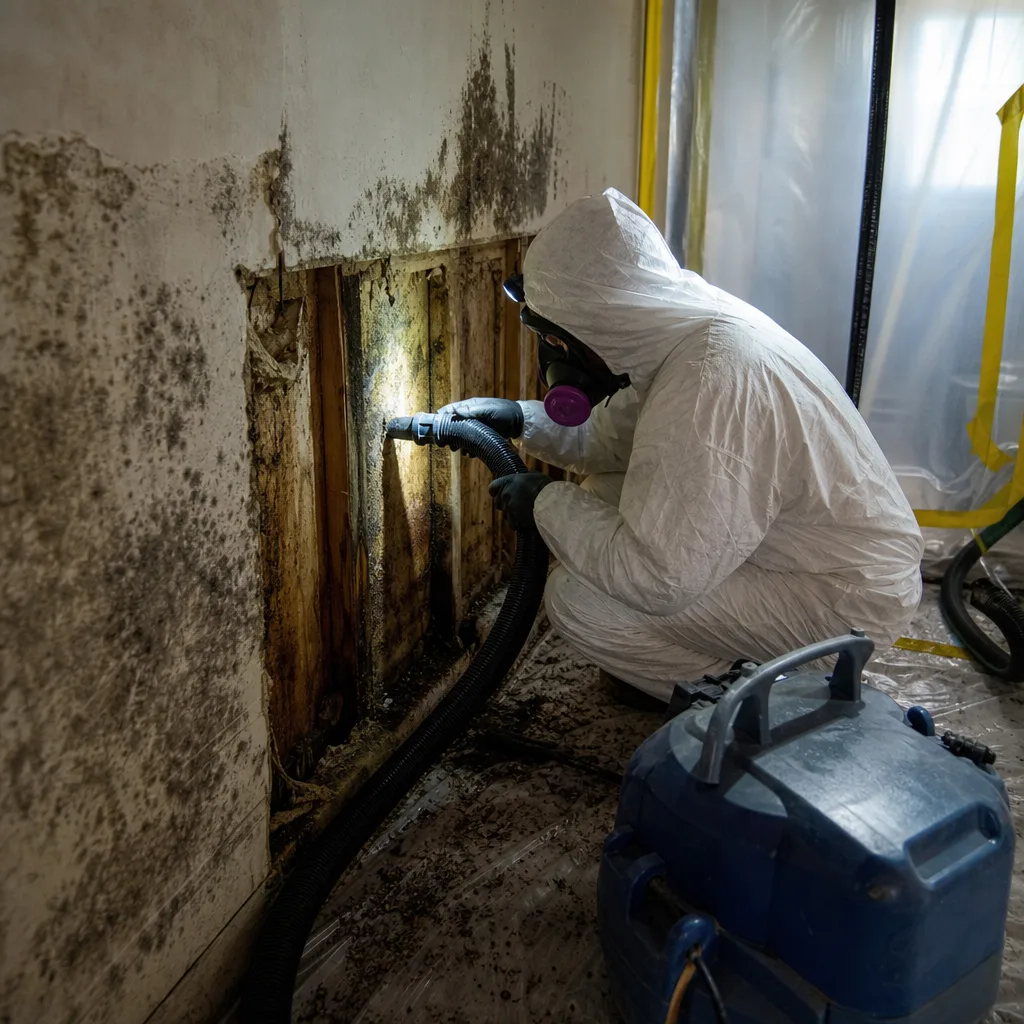
Black mold is a serious health concern, and Coronado’s combination of aging wood-framed homes and persistent marine humidity creates exactly the conditions it likes. When we find Stachybotrys in a Coronado home, the containment protocol is the same as anywhere else: full isolation, negative air pressure, HEPA filtration, and careful removal with surfaces cleaned and treated. But the root cause here is frequently saltwater intrusion from a past storm surge or king tide, not a slow plumbing leak. Removing the mold without addressing the salt contamination means it comes back.
Air Quality Restoration
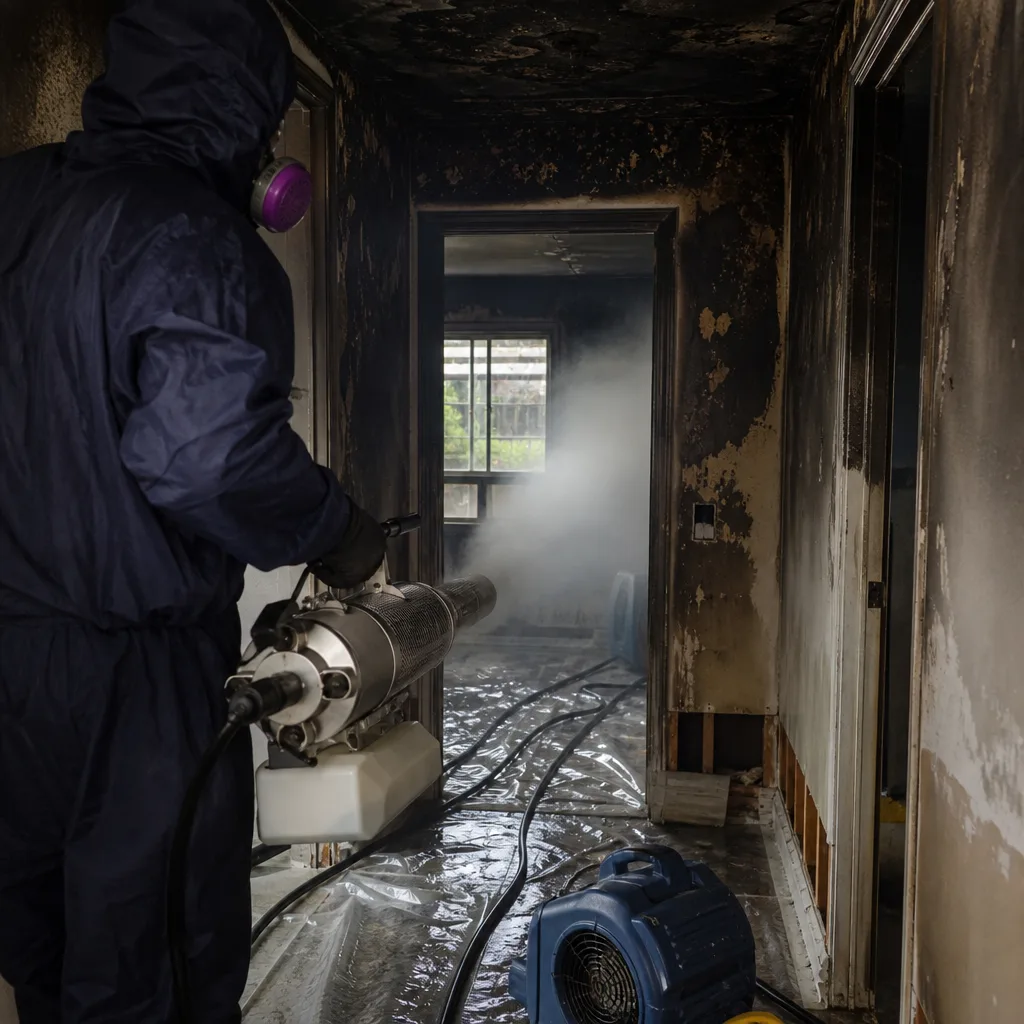
After mold remediation and salt remediation are complete, we focus on the air you’re actually breathing. That means running our professional-grade HEPA air scrubbers long enough to pull spore counts down, not just waving a fancy meter around. We use Dri-Eaz equipment because it’s built for restoration environments, not retail-grade jobs. For Coronado homeowners with allergies, asthma, or compromised immune systems, we’ll run a post-remediation verification protocol and hand you the documentation. Your adjuster will need it, and so will you.
What happens when you call
- 1
A real person answersNo phone trees - you reach a local pro.
- 2
You get an upfront price rangeHonest numbers before anyone is dispatched.
- 3
A background-checked tech heads outLicensed & insured, dispatched right away.
- 4
You approve before work beginsNothing starts until you say go.
Common Mold Remediation Problems We See in Coronado Homes
- Salt crystals re-humidifying wall cavities. After any bay-side flooding or storm surge, saline water leaves behind salt crystals inside wall cavities and subflooring. Those crystals pull moisture from the air and keep the enclosed space damp, feeding mold behind fresh drywall long after the visible damage is gone.
- Standard galvanized fasteners rusting inside walls. The salt air that makes Coronado a beautiful place to live also corrodes metal fasteners, brackets, and structural connectors exposed whenever we open a wall or ceiling. Using interior-grade galvanized hardware in an exterior-exposed cavity is a recipe for rust in months. We use marine-grade, corrosion-resistant replacement hardware even where no one will ever see it.
- Pier-and-beam crawl spaces that re-wet after remediation. Homes built between the 1910s and 1940s sit on pier-and-beam foundations just a few feet above a high water table. Even after we dry a crawl space to standard, groundwater can wick back up through the soil and re-wet the framing. That’s why crawl space treatment in Coronado has to include moisture control, not just drying.
- Bay water mistaken for rain water. During strong Santa Ana-driven high surf or El Niño events, bay water, not rain, pushes into crawl spaces and garages on bay-facing streets. Because that water is saline, it triggers a full Category 3 contamination protocol under IICRC standards. Homeowners and adjusters unfamiliar with Coronado’s flood exposure often underestimate this, and the result is mold that keeps coming back.
Pricing for Mold Remediation in Coronado, CA
Mold remediation pricing in Coronado reflects the cost of doing this work correctly on a saltwater peninsula. Here’s what homeowners typically see based on the scope, and these are real ranges from our last two years of work across 92118 and 92178:
| Scope of Work | Typical Range, Coronado |
|---|---|
| Mold inspection with moisture mapping and written report | $300 - $550 |
| Mold removal, single room, up to 100 sq ft | $1,800 - $3,200 |
| Crawl space treatment with salt remediation, no full encapsulation | $2,800 - $5,500 |
| Whole-home mold remediation with Category 3 saltwater protocol | $4,500 - $6,800+ |
These include containment, HEPA air scrubbing, removal, treatment, and drying. Salt remediation is priced separately because it changes the labor and the equipment required. Wade’s standing offers apply in Coronado: $40 off any repair over $200, a free second opinion on any written estimate, and no trip charge anywhere in the county. Veterans and seniors always get 10% off. Call (855) 915-0646 and Wade will give you a straight answer on the phone.
Trusted Brands We Service in Coronado
Wade’s Restoration is IICRC-certified and affiliated with the RIA and IFA, and we run equipment that matches those credentials. Our desiccant and LGR dehumidifiers come from Dri-Eaz and Phoenix, our air movers from XPOWER, and our injection drying systems from Injectidry. For Coronado’s older homes with plaster walls and dense redwood framing, the difference between consumer-grade fans and proper restoration equipment is the difference between dry in three days and wet for three weeks. We don’t stock parts at a retail counter in Coronado, but we keep our trucks loaded with what these homes need, which means we’re not driving back across the bridge mid-job.
We Also Serve Cities Near Coronado
While this page is for Coronado, Wade’s Restoration regularly serves homeowners in National City, San Diego, Imperial Beach, and Bonita. If you’re in one of those communities and have mold, water, or fire damage, the same phone number reaches the same person.
On a bay-facing street off First Street near Glorietta Bay, our crew responded to a crawl space flooded by a king tide that left a thin, brackish film across the joists. Because the water was saline, we treated it as Category 3 under IICRC standards: we removed saturated fiberglass batts, flushed the framing with a detergent solution, then set Dri-Eaz LGR 7000XLi dehumidifiers and XPOWER axial fans until the redwood subfloor reached the dry standard. Mopping salt off the concrete foundation before re-insulating was the difference between a clean closeout and a callback.
Serving Coronado, CA - Our Local Coverage Area
We’re based in the Coronado area and know this community well. Use the map below to see our service coverage - if you’re nearby, we can almost certainly help.
FAQs - Mold Remediation in Coronado
Yes. Bay water is salt-contaminated water, and under IICRC standards, any saltwater intrusion is classified as Category 3, regardless of how minor the visible damage looks. That means the crawl space framing, any saturated insulation, and the concrete foundation itself must be treated, flushed, dried, and salt-remediated before mold treatment begins. Skipping this step is the single most common reason mold returns in Coronado homes. Call us at (855) 915-0646 and we’ll walk you through what your specific crawl space needs.
It comes down to two things: the home’s construction and the air around it. A 1930s Coronado home has original plaster walls and redwood framing that have absorbed marine humidity for nearly a century, and the near-sea-level location means the air never gets dry enough for passive drying to work. Newer inland homes dry faster because they’re built with modern materials, have less thermal bridging, and sit in air that actually drops below 50% relative humidity. Coronado’s salt-laden air rarely does. That’s why our drying timelines here run longer and why we rely on desiccant and LGR dehumidifiers rather than box fans in a window.
We don’t just dry the cavity and close it up. The process involves opening the affected wall section, removing contaminated insulation and drywall, then flushing the framing with a detergent solution to dissolve and remove salt residue from the wood surfaces. After that, we dry to the wood’s dry standard using professional restoration equipment, check the moisture content with a meter, and only then rebuild. If any salt remains, it will reabsorb humidity from Coronado’s air and restart the mold cycle, so this step is non-negotiable in our book. Contact us at (855) 915-0646 for an evaluation of your wall cavities.
Because the water table underneath the peninsula is exceptionally high, and without moisture control, the crawl space re-wets from below. Even after a full drying cycle, groundwater wicks up through the soil, raises the relative humidity under your house, and restarts the conditions mold needs to grow. That’s why our crawl space treatment for Coronado homes includes vapor barrier assessment, drainage evaluation, and often a dehumidifier recommendation, not just drying. Call (855) 915-0646 for an honest conversation about your crawl space, no charge for a phone assessment.
Yes. A mold inspection in Coronado has to account for the constant marine humidity, the salt content in the air, and the specific flood exposure of the peninsula’s bay-facing streets and Silver Strand. We don’t just look for visible mold. We test the microclimate inside wall cavities and crawl spaces, map the home’s moisture intrusion points, and document salt contamination when we find it. Our inspection report reflects the reality of a saltwater island, not a generic inland template. For a mold inspection specific to your Coronado home, call (855) 915-0646 today.
Written by Wade Ferris, Owner at Wade’s Restoration of California, serving Coronado since 2007.