
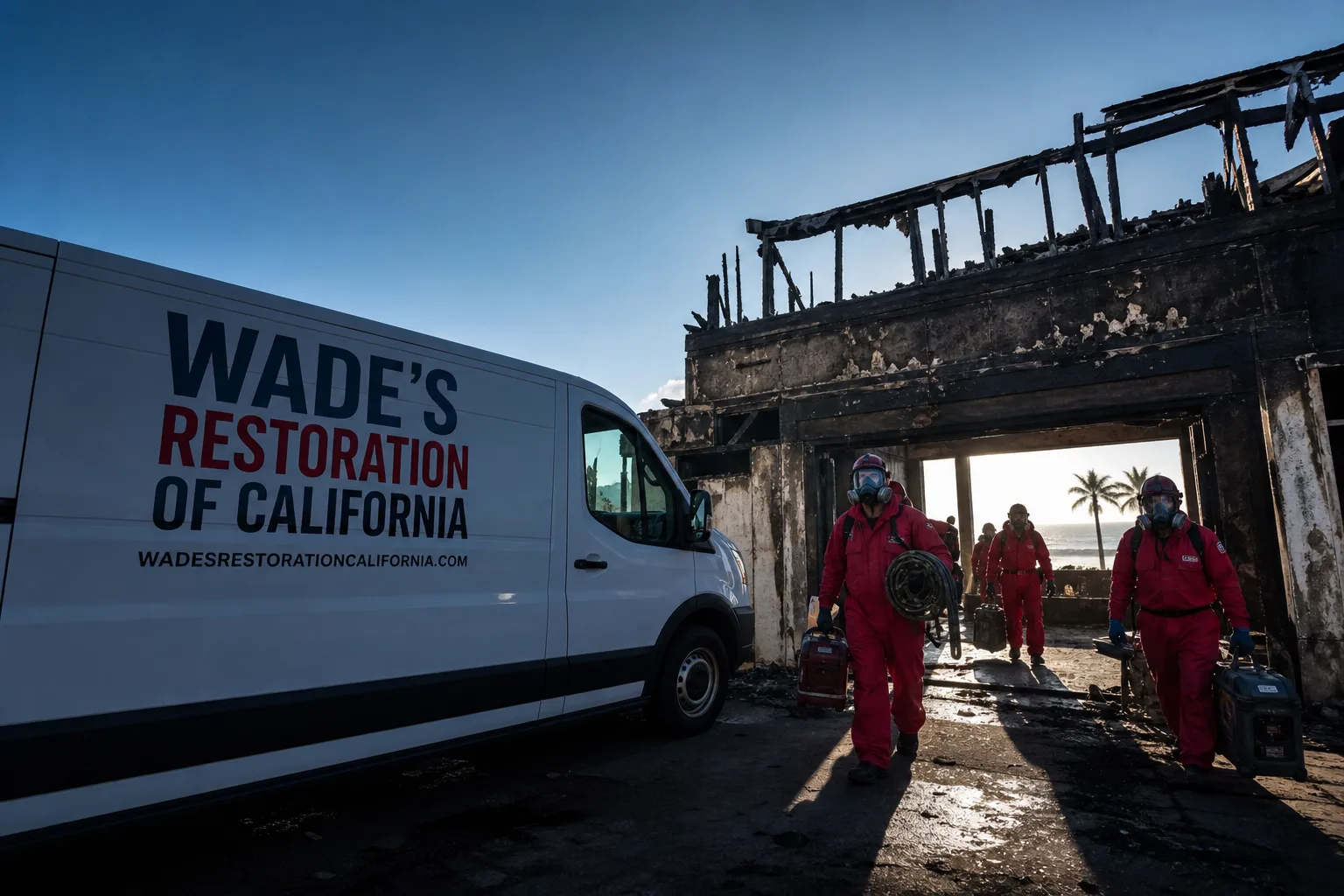
Fast, Reliable Fire & Smoke Damage Restoration Across Selma
Fire and smoke damage in Selma homes almost always comes with a second problem hiding underneath: moisture. Not from the fire hoses, but from the ground itself. Selma sits on flat, clay-heavy soil in the middle of raisin-grape country, surrounded by flood-irrigated vineyards. That water doesn’t drain away. It pools, it wicks, and it finds its way into crawl spaces and slab cracks. So when a kitchen fire fills a Selma house with soot, the cleanup has to account for what’s already damp in the framing before anyone can call the job finished. That’s the work Wade Ferris and his team do every week. If you have smoke in your house right now, call (855) 915-0646 and Wade will pick up.
Why Wade’s Restoration of California Is Selma’s Preferred Fire & Smoke Damage Restoration Company
Wade Ferris started this company in 2007 and he still answers his own phone. That matters in a town like Selma, where people don’t trust a national chain that shuffles them to a call center three states away. You want someone who knows that Rose Avenue homes built in the 1950s sit close enough to vineyard rows that irrigation water seeps sideways through the clay into the crawl. You want someone who has pulled smoke-damaged drywall off a Selma tract house and found the stud bays sweating from Tule fog humidity that never fully dried out. That’s not textbook stuff. That’s learned by doing the work here.
Wade’s crew is background-checked, uniformed, and trained to IICRC standards. The equipment on the truck is Dri-Eaz and Phoenix, the same professional-grade gear you’d expect anywhere, but the difference is who runs it. When a Selma homeowner calls at 2 a.m. after a stovetop fire, Wade heads out himself. Ask anyone on your street. Chances are someone already knows his name.
Our Fire & Smoke Damage Restoration Services in Selma
Every fire is different, but the sequence of cleanup in Selma has to follow a specific order: stabilize the structure, contain the smoke, remove the soot, then deal with the odor and the moisture. Here’s how that works with each of the services our Fire & Smoke Damage Restoration team handles.
Smoke & Soot Removal
Soot is not just ugly. It’s acidic. On Selma’s older plaster walls, common in 1940s and 50s homes, soot bonds with the lime in the plaster and etches the surface within days. Our crews use HEPA vacuums and dry chemical sponges before any wet cleaning, because water on Selma soot makes a paste that pushes deeper into porous plaster. We work room by room, sealing off the rest of the house so the soot doesn’t migrate into bedrooms that were never touched by the fire.
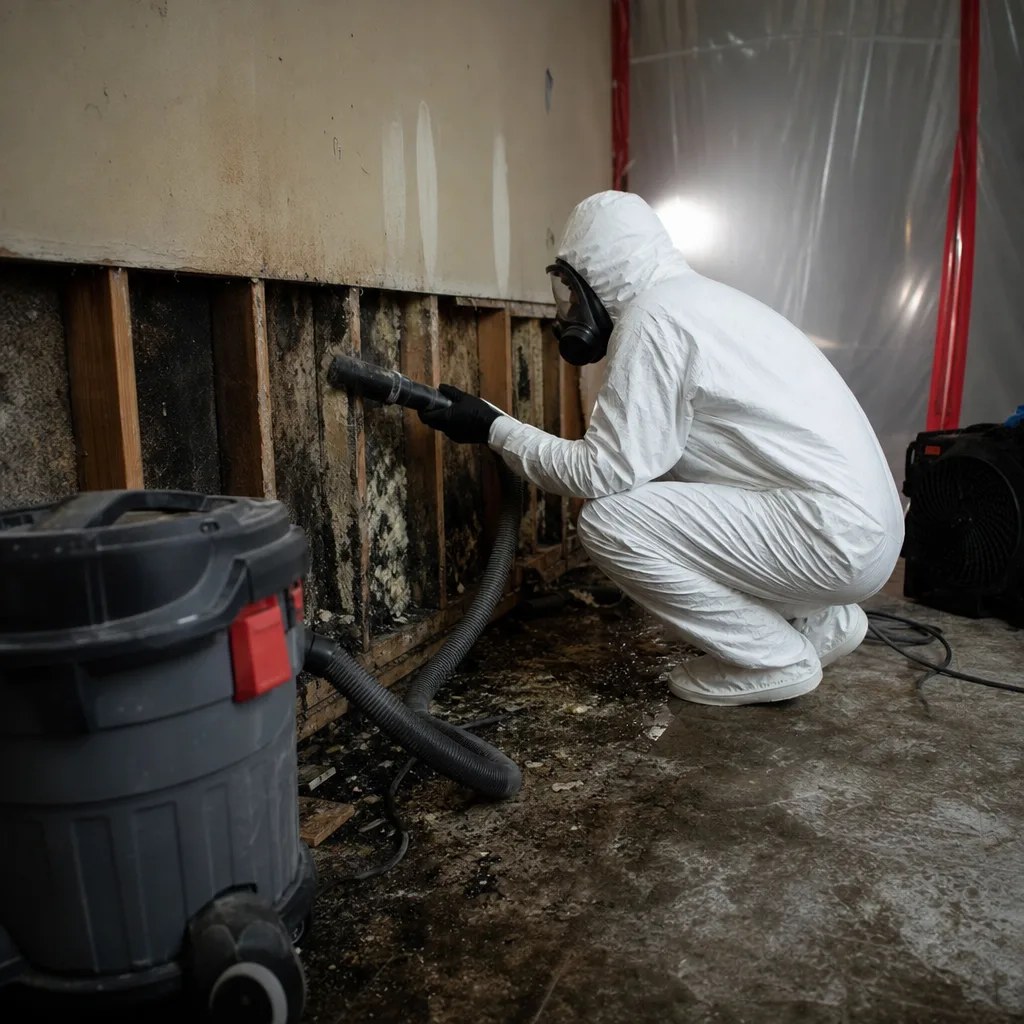
Odor Removal & Deodorization
Smoke odor in Selma homes is stubborn for a reason most companies miss. During Tule fog season, from roughly November through February, the air in wall cavities and attics stays humid for weeks. Smoke particles cling to that moisture. A standard ozone treatment will mask the smell for a few weeks, then it comes back. We use thermal fogging paired with hydroxyl generators and, just as importantly, we dry the cavities first. If the moisture isn’t removed, the odor isn’t either. On a 1960s raised-foundation home near the vineyards south of town, the crawl space is almost always part of the problem and part of the fix.
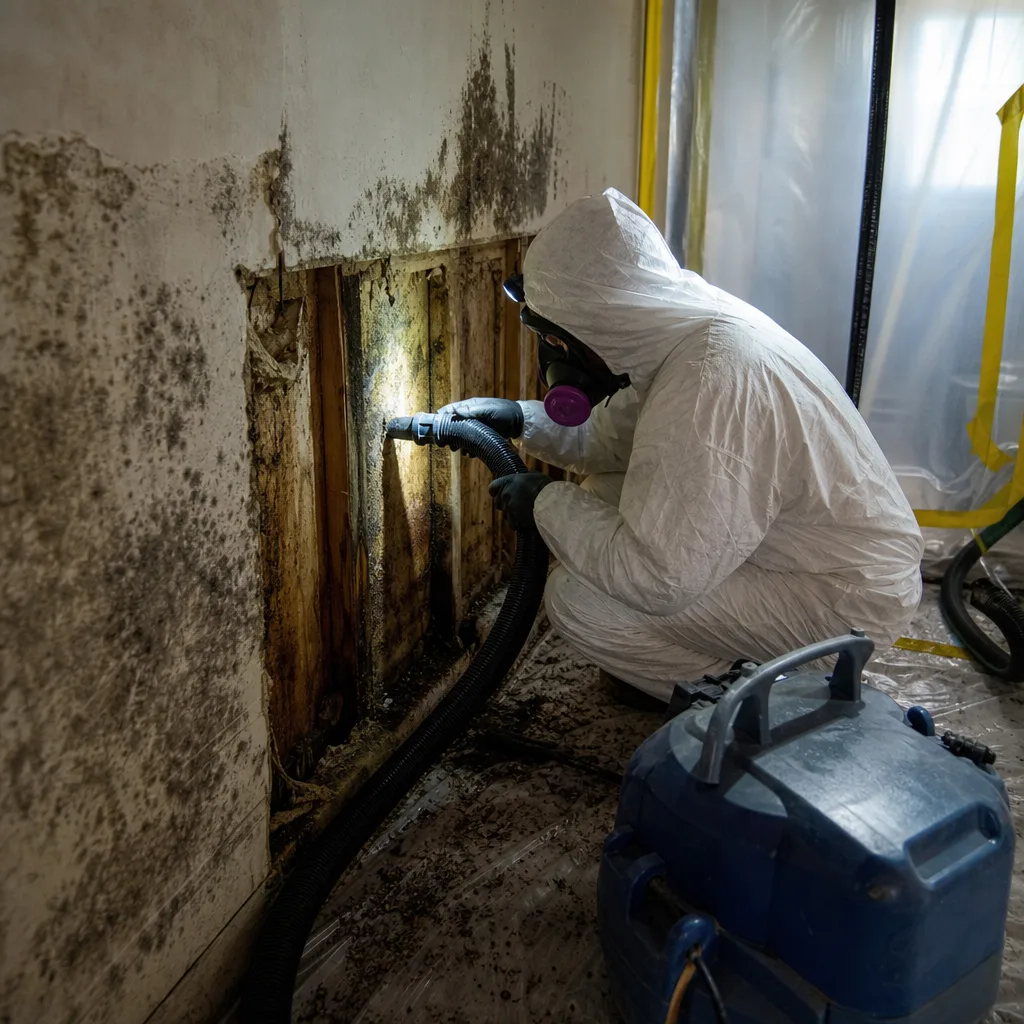
Fire Damage Cleanup
Fire cleanup in Selma means dealing with what burned and what got wet. A kitchen fire on a slab-on-grade home from the late 1980s often sends smoke and water vapor into chases and under cabinets through slab cracks that have widened over decades of clay expansion. We inspect those spaces before calling the structural side done. What looks like a surface cleanup often isn’t, especially in Selma’s older housing stock where original materials weren’t sealed against this kind of migration.
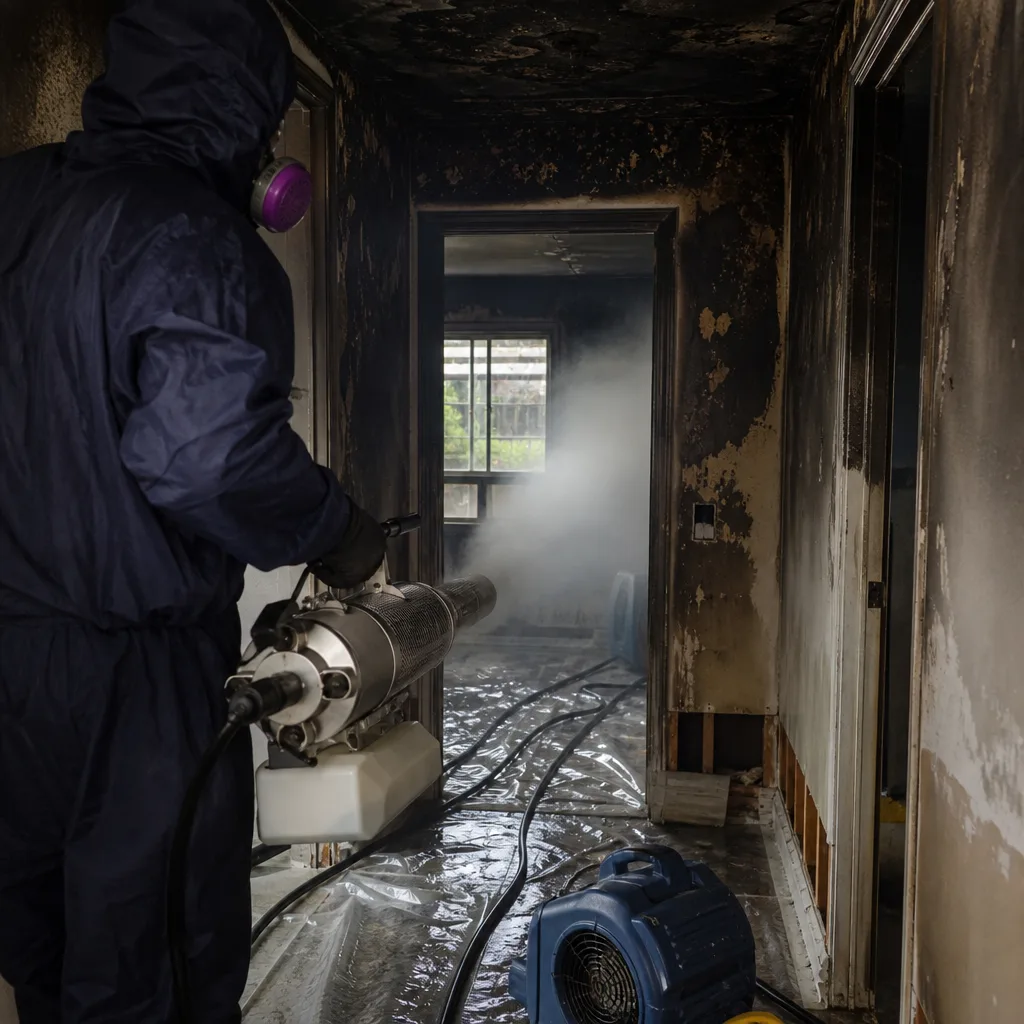
Contents Cleaning & Pack-Out
When a fire in a Selma home fills every room with soot, the furniture, clothes, and dishes are part of the loss. We pack out contents, clean what’s restorable off-site, and store it until the structure is ready. For Selma families with heirlooms, photos, and generations of raisin-farming records, we do ultrasonic cleaning for delicate items and document everything for your insurance claim. Wade deals with the adjuster directly, so you’re not the one stuck relaying information between two sides.
What happens when you call
- 1
A real person answersNo phone trees - you reach a local pro.
- 2
You get an upfront price rangeHonest numbers before anyone is dispatched.
- 3
A background-checked tech heads outLicensed & insured, dispatched right away.
- 4
You approve before work beginsNothing starts until you say go.
Trusted Brands We Service in Selma
Our techs work on all makes and models of fire and smoke damage equipment you’d find in a typical Selma home: stovetops, furnaces, water heaters, and the electrical systems that usually start the trouble. We bring Dri-Eaz LGR dehumidifiers and Phoenix axial air movers on every Selma job, because without them, a crawl space that’s been wicking irrigation moisture all summer won’t dry enough for proper smoke abatement. We know Selma homes because we work in them every week, not because we read a training manual about the Central Valley.
Common Fire & Smoke Damage Restoration Problems We See in Selma Homes
- Hidden moisture in crawl spaces under older raised foundations. Homes built in the 1950s and 60s near Selma’s vineyard edges sit on clay that absorbs irrigation water from adjacent fields. By the time a fire happens, the subfloor framing may already be damp. Soot that settles into that framing bonds with the moisture and becomes nearly impossible to remove without drying first.
- Tule fog humidity trapped in wall cavities. The San Joaquin Valley’s winter fog season keeps concealed spaces damp for weeks. Smoke particles stick to that humidity and smear when wiped, leaving a residue that standard cleaning can’t remove. Homes from the 1940s through the 70s are especially vulnerable.
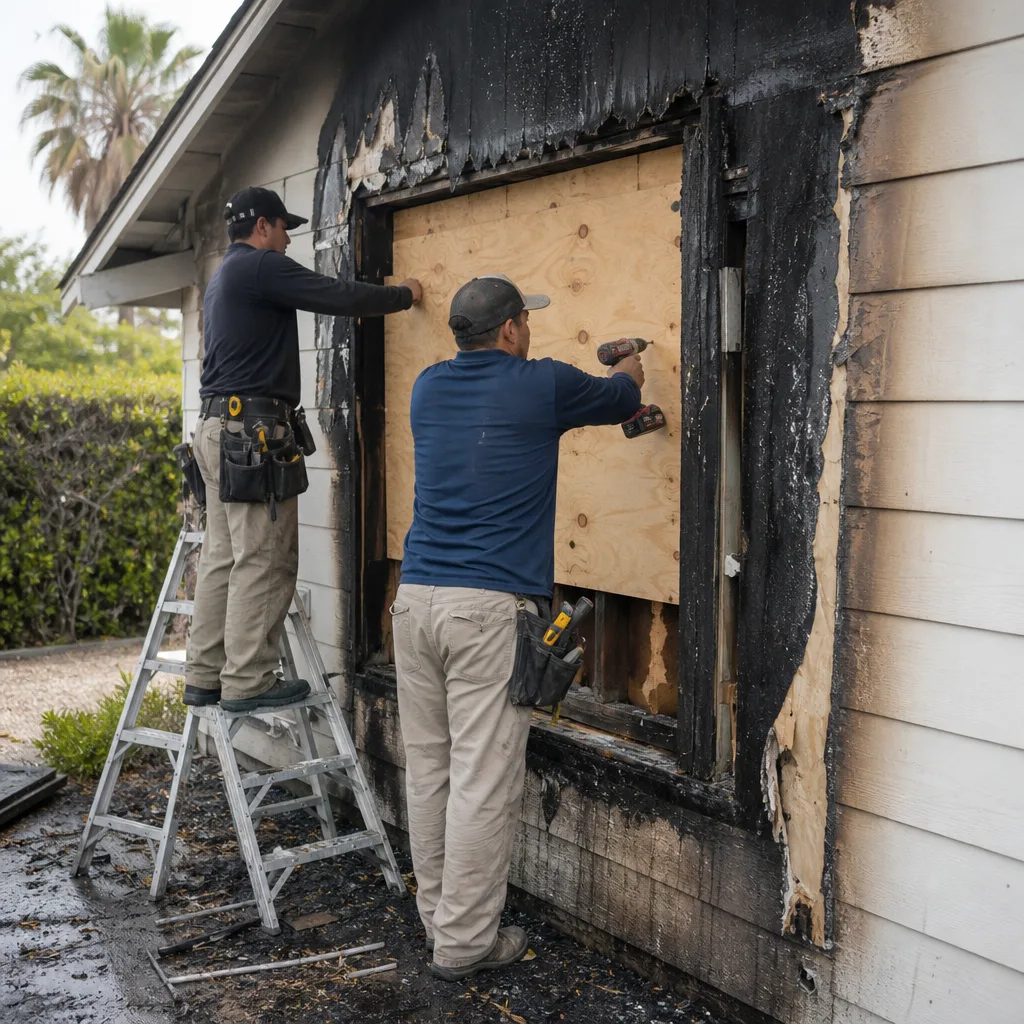
- Clay-expansion slab cracks in 1980s and 90s tract homes. Selma’s summers hit 105°F regularly, baking the clay soil until it contracts, then winter moisture swells it. Over decades, slab-on-grade homes develop hairline cracks that let smoke and water vapor travel into concealed chases. A board-up that ignores those cracks leaves a path for smoke to spread.
- Mold colonization that predates the fire. When a crawl space or wall cavity has been damp for months, mold is often already growing before the fire trucks arrive. Smoke cleanup that doesn’t address that underlying mold just seals the problem behind new paint and drywall.
Pricing for Fire & Smoke Damage Restoration in Selma, CA
Fire and smoke cleanup in Selma is priced by the scope of the damage, and the range is honest. A small kitchen fire with soot cleanup in one or two rooms and basic odor treatment typically runs $3,200 to $6,800. Whole-house smoke damage from a fire that spread through the attic or a central HVAC system runs $18,000 to $45,000 or more, especially when contents cleaning and pack-out are involved. Structural fire repair on top of that adds $75 to $130 per square foot for framing, drywall, and finish work, depending on whether the fire was in a 1950s plaster home or a 1990s drywall tract house. Every Selma job gets a written scope before work starts. No surprises. Call (855) 915-0646 for a free estimate. If you already have a written estimate from another company, bring it to Wade. He’ll give you a free second opinion and tell you if it’s fair or if they missed something.
We Also Serve Cities Near Selma
Wade’s Restoration of California serves Selma and the surrounding Central Valley communities. If you’re in Fowler, Parlier, Kingsburg, or Reedley, the same crew that works Selma homes will head your way. The drive is short, the response is fast, and the phone number is the same: (855) 915-0646.
Serving Selma, CA - Our Local Coverage Area
We’re based in the Selma area and know this community well. Use the map below to see our service coverage - if you’re nearby, we can almost certainly help.
FAQs - Fire & Smoke Damage Restoration in Selma
Smoke odor in Selma homes with crawl spaces near flood-irrigated vineyards is harder to remove because the subfloor framing is already damp when the fire happens. Soot and smoke particles bond to moist wood and plaster, embedding the odor deep into the material. Drying the crawl space with dehumidifiers and air movers must happen before odor treatment, or the smell will return within weeks. Call (855) 915-0646 and Wade will explain what you’re dealing with.
Yes. During the winter fog season, attic air in Selma homes is humid enough that soot smears and sticks instead of lifting cleanly. Standard wet-cleaning on a fog-damp attic turns soot into a paste that penetrates wood and insulation. The fix is to dry the space before cleaning, then use a dry-chem sponge and HEPA vacuum on surfaces, followed by an odor treatment matched to the humidity levels. A professional will know the difference. Call (855) 915-0646 for an assessment.
Board-up alone won’t stop smoke migration through hairline slab cracks, which are common in Selma’s 1980s and 90s tract homes. Those cracks run under interior walls and into concealed chases, giving smoke and water vapor a path from the fire room into other areas. A proper board-up includes sealing those penetration points inside the house, not just covering broken windows and doors. Call (855) 915-0646 if you suspect smoke has already spread through your slab.
Because Selma’s older raised-foundation homes near vineyards have crawl spaces that stay damp from lateral irrigation moisture moving through the clay soil. Smoke rises and spreads through wall cavities, but it also settles downward into the cool, damp air of a crawl space. That soot embeds in wet framing and becomes a source of ongoing odor. We restored a 1958 wood-framed home on Rose Avenue after a kitchen fire, where smoke had penetrated the crawl space already damp from flood-irrigated vines on the adjacent lot. Our techs used a Phoenix axial air mover and Dri-Eaz LGR dehumidifier to stabilize the subfloor before HEPA vacuuming soot from joists, then applied an antimicrobial to halt latent mold growth before structural repair. That kind of thoroughness is standard for us in Selma. Call (855) 915-0646 to get it done right.
Yes, and we treat it as part of the fire restoration, not a separate issue to ignore. In Selma’s 1940s through 70s homes, mold is often already present in damp wall cavities and crawl spaces before the fire ever happened. Leaving it there and sealing it behind new drywall or paint just creates a bigger problem later. Wade handles mold remediation and fire restoration together when needed, so you get a single scope of work and a single point of contact for your insurance adjuster. Estimates are free. Call (855) 915-0646.
Written by Wade Ferris, Owner at Wade’s Restoration of California, serving Selma and the Central Valley since 2007.