
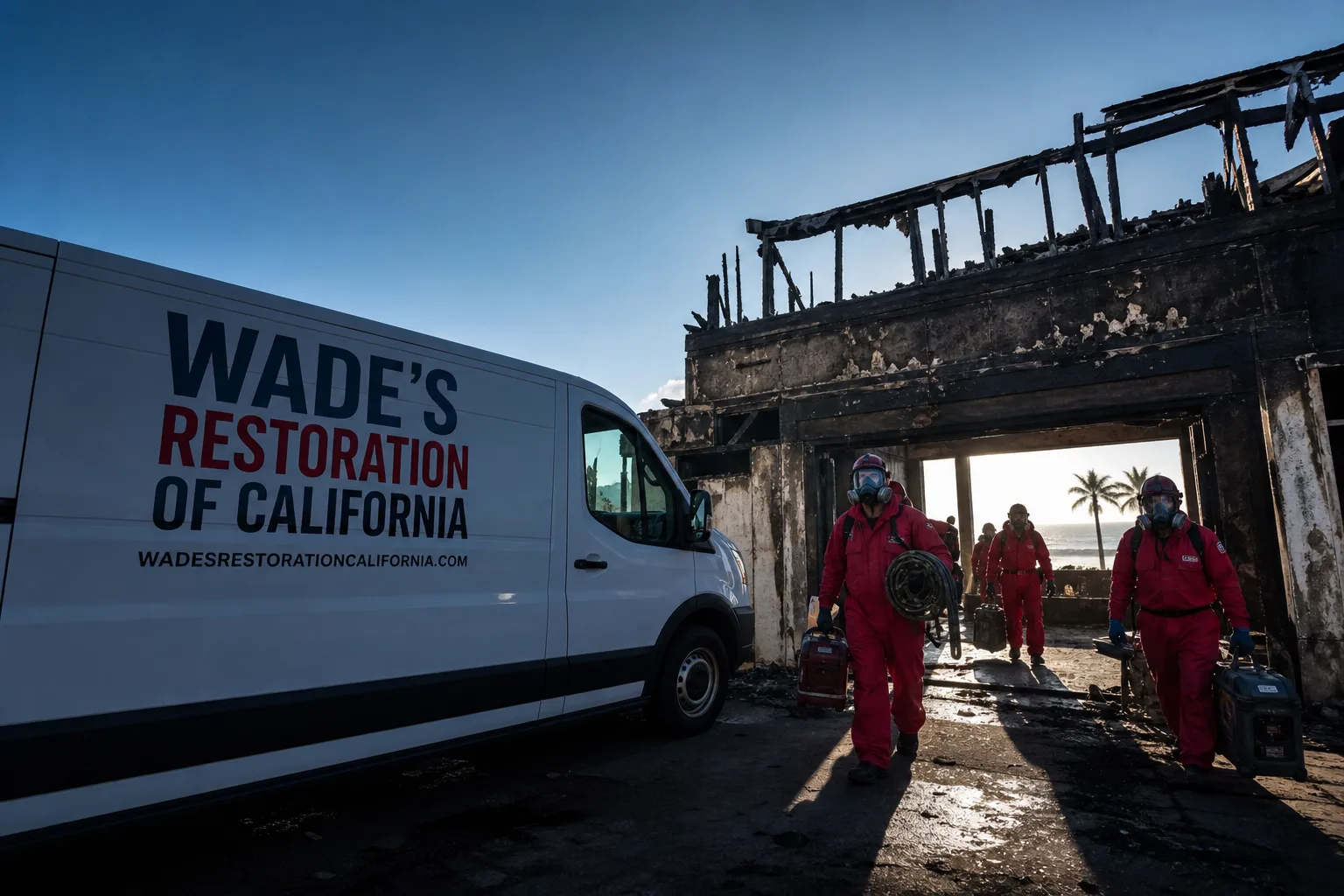
Fast, Reliable Fire & Smoke Damage Restoration Across Dinuba
Fire and smoke damage restoration in Dinuba typically costs between $2,800 and $9,500 depending on how far smoke traveled through the house, and most jobs can begin within hours of your call. If you’re standing in a soot-covered kitchen on Alta Avenue or smelling smoke residue in a bedroom on Crawford Street, the clock is already working against you. Wade Ferris and his crew serve Dinuba homes directly from the Fresno office, and Wade answers his own phone at (855) 915-0646 any time, day or night. The sooner we start pulling smoke out of your framing and soft goods, the less damage you’re left with when the insurance adjuster shows up.
Why Wade’s Restoration of California Is Dinuba’s Preferred Fire & Smoke Damage Restoration Company
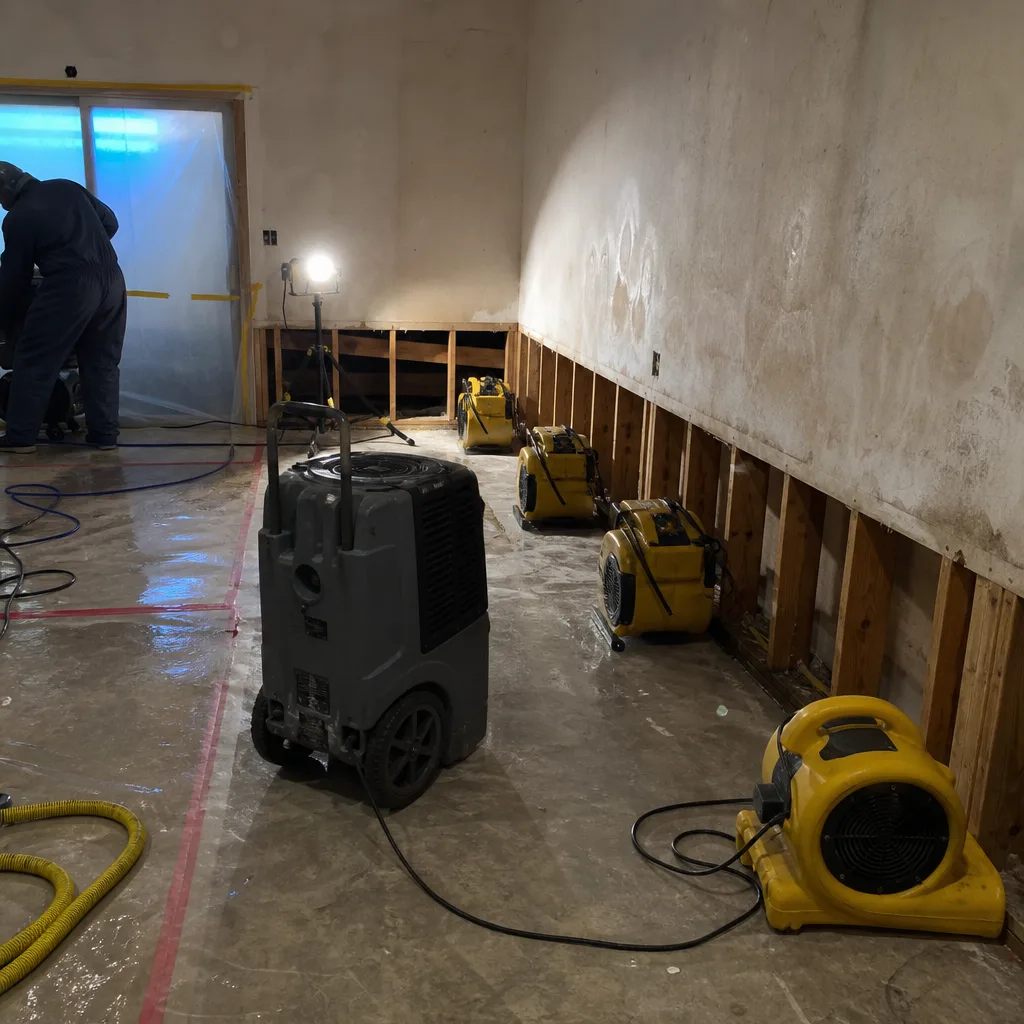
Wade’s Restoration has been cleaning up after fires in Dinuba long enough to know exactly how the tule fog changes everything. Most restoration outfits work from a generic playbook: dry it, scrub it, fog it, done. That sequence fails in Dinuba from November through February, when ground-level humidity near 100% keeps smoke odor compounds dissolved in damp wood and drywall. Wade and his team run dehumidifiers and take moisture readings every single day before odor work even starts, and you get the full moisture log at the end of the job. That’s not something most companies do anywhere, let alone in Tulare County.
Our name is on the trucks and Wade’s name is on every contract. When you call, you reach a live person, not a call center. When you ask who’s coming to your house, it’s Wade or someone from his crew who’s background-checked, uniformed, and trained to IICRC standards. We’ve worked on 1940s agricultural-worker homes near the packing sheds and 1970s ranch houses off El Monte Way, and we know the difference in how each one holds smoke. Ask anyone on your street. Wade has probably already worked a house in the neighborhood.
Our Fire & Smoke Damage Restoration Services in Dinuba
We handle every stage of fire and smoke recovery in Dinuba, from the first board-up to the final coat of paint. A quick overview of what that looks like:
Fire Damage Cleanup
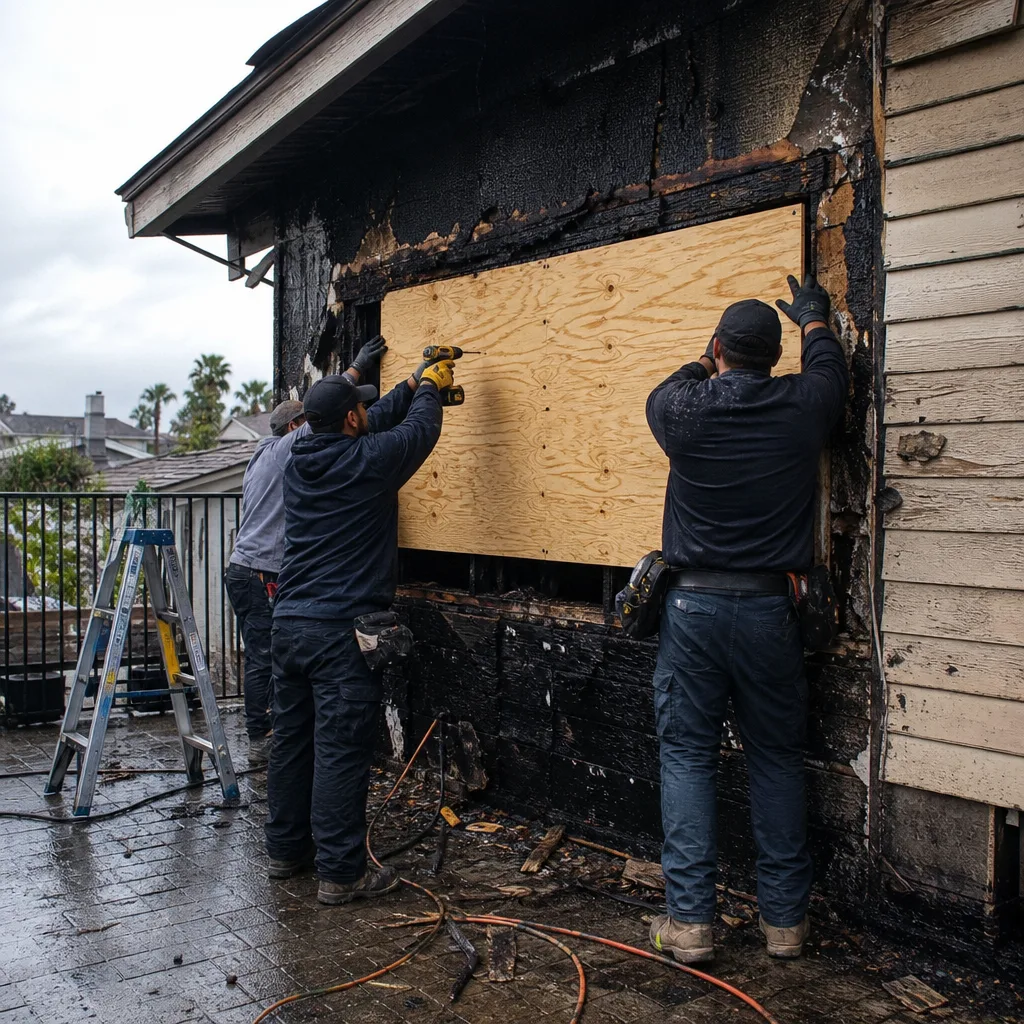
We clear away charred drywall, insulation, flooring, and framing, then dry the structure completely before anything gets rebuilt. A house on a slab in Dinuba holds water differently than a raised-foundation house, and we check every cavity before we seal it back up. If the fire happened during fog season, we don’t move on to rebuilding until moisture readings say the wood is actually dry, not just dry on the surface.
Smoke & Soot Removal
Soot is acidic and it etches glass, corrodes metal, and permanently stains paint if it sits. We clean every surface in the house, not just the room where the fire started. Smoke travels through wall cavities and ductwork, and in Dinuba’s older pier-and-beam homes it settles in crawl spaces where damp air keeps it active. Our Fire & Smoke Damage Restoration team maps smoke migration before cleaning, so we’re not just wiping the visible layer.
Odor Removal & Deodorization
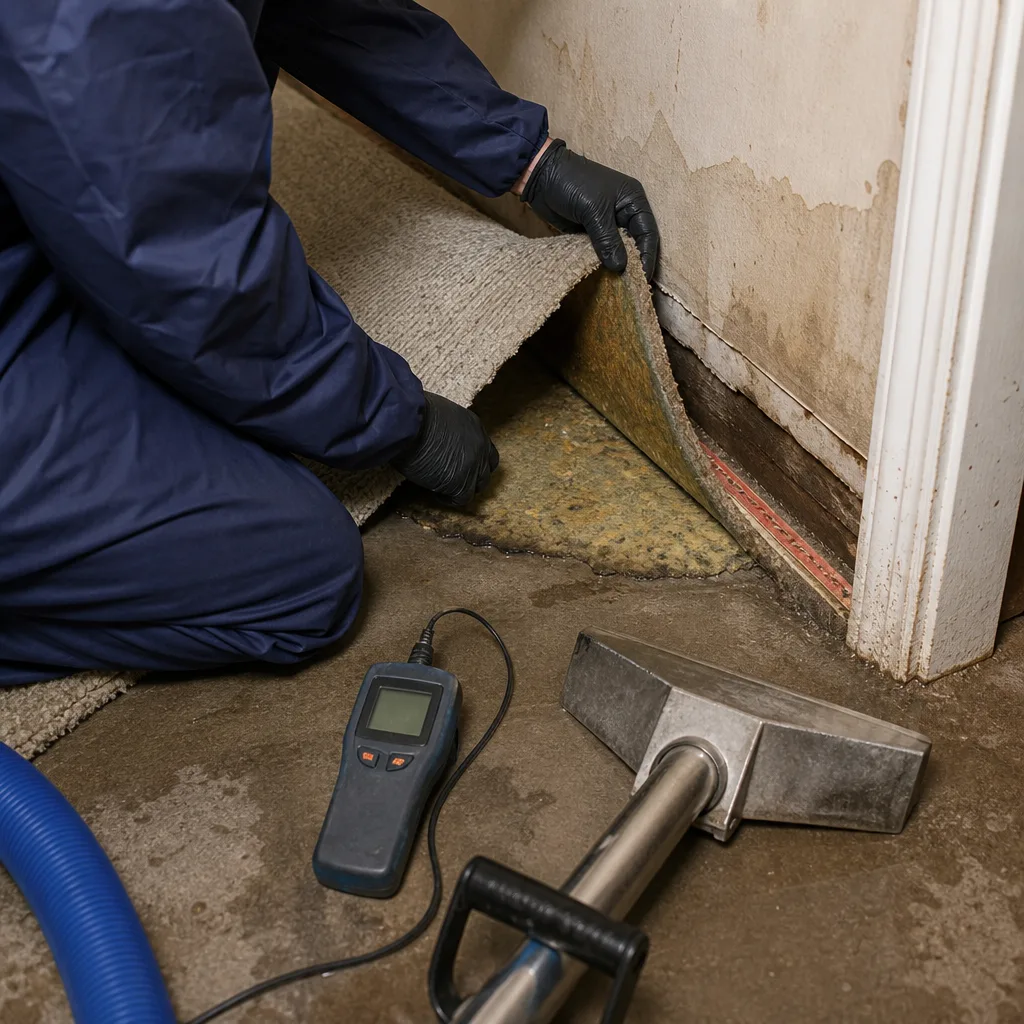
This is the part that separates a real restoration from a cover-up job. We use HEPA air scrubbers, thermal fogging, and hydroxyl generators to neutralize odor at the source, not mask it with fragrance. In Dinuba, we run a Dri-Eaz LGR dehumidifier before and during odor work because tule-fog humidity re-wets porous materials and re-releases the smell. Skipping that step is why some Dinuba homeowners still smell smoke six months after a fire.
Contents Cleaning & Pack-Out
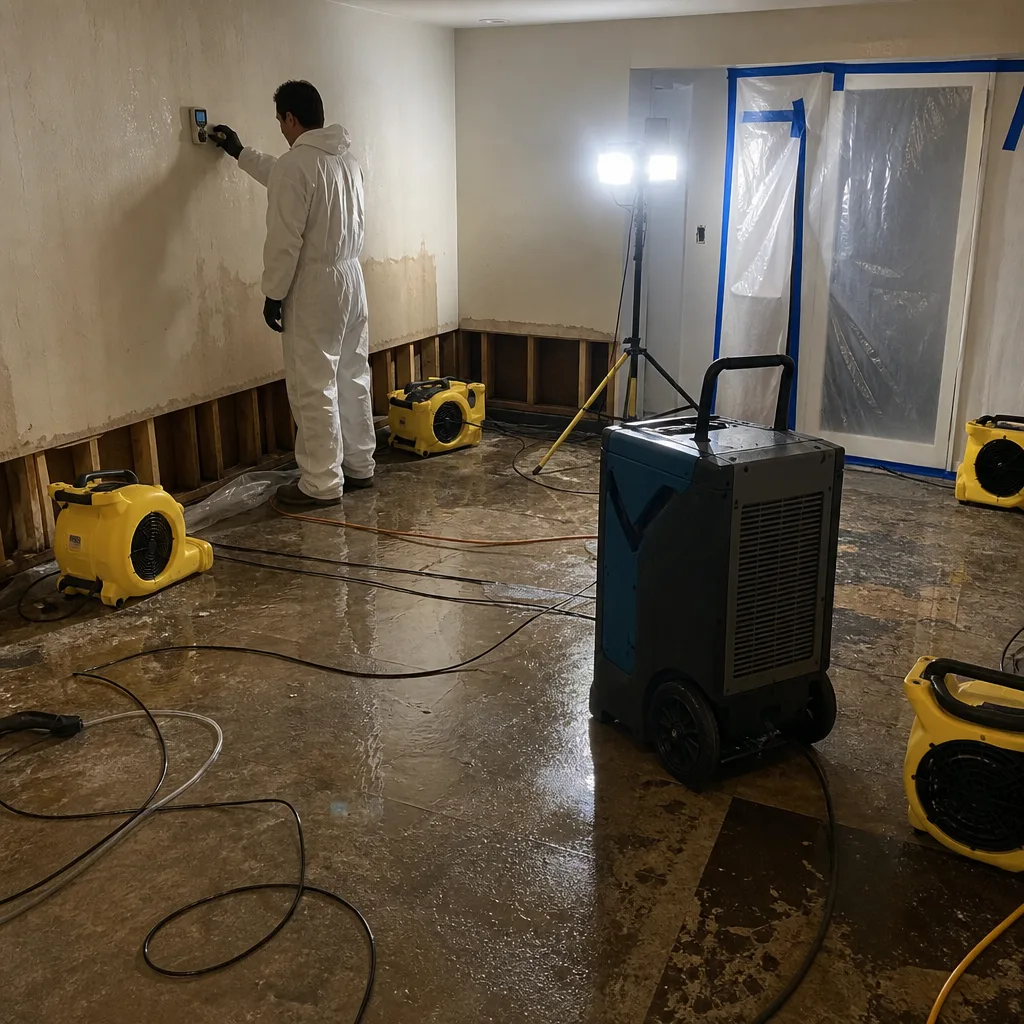
We inventory, pack, clean, and store your furniture, clothing, electronics, and paperwork. During the raisin harvest months of August and September, airborne valley dust settles on everything, and soot mixes with it into a film that’s harder to remove than either one alone. We HEPA-vacuum and ultrasonic-clean soft goods, and anything that can’t be restored is documented for your adjuster with photos and written notes.
What happens when you call
- 1
A real person answersNo phone trees - you reach a local pro.
- 2
You get an upfront price rangeHonest numbers before anyone is dispatched.
- 3
A background-checked tech heads outLicensed & insured, dispatched right away.
- 4
You approve before work beginsNothing starts until you say go.
Trusted Brands We Service in Dinuba
Whatever equipment or materials your Dinuba home needs after a fire, we’re working with brands the insurance industry respects. Our drying and air-scrubbing gear comes from Dri-Eaz, Phoenix, and XPOWER, and our crews hold IICRC, RIA, and IFA credentials. That matters when your adjuster is reviewing the scope of work. For older Dinuba homes with original trim, doors, and hardware, we also keep local sources for matching materials so the rebuild doesn’t end up looking like a patch job.
Common Fire & Smoke Damage Restoration Problems We See in Dinuba Homes
- Tule fog keeps re-wetting fire-damaged framing. From November through February, crawl spaces and attics in Dinuba hold moisture at near-100% humidity. If a restoration crew doesn’t run continuous dehumidification before sealing walls, smoke odor compounds re-release from damp wood and drywall for months.
- Original galvanized supply lines fail after fire suppression. Dinuba’s hard, mineral-laden water corrodes 1950s and 1960s galvanized pipe from the inside. When a fire-suppression water release hits those lines, the sudden pressure change can crack them. Hidden behind a wall, the resulting slow leak becomes a mold problem on top of the fire damage. We inspect every accessible supply line on any Dinuba home where water was released.
- Harvest-season demolition disturbs Valley Fever spores. The August through September raisin harvest throws alkaline valley dust onto every surface in Dinuba. Opening walls, clearing attic debris, or excavating around a foundation in that window kicks up concentrated Coccidioides spores. We treat any dust-generating work during this season as a Valley Fever exposure site and require N95 or better respiratory protection for every person on site.
- Smoke odor lingers longer in slab-on-grade homes. Raised-foundation homes at least get some air movement underneath. Dinuba’s slab-on-grade houses hold smoke residue in the concrete itself, and the only way to get it out is prolonged air-scrubbing and thermal fogging, not just a coat of primer. Homeowners who skip this step end up smelling the fire every time the AC kicks on.
Pricing for Fire & Smoke Damage Restoration in Dinuba, CA
Here are the ranges we typically see in Dinuba, based on the scope of the fire and how far the smoke traveled:
- Light smoke cleanup (one room, no structural damage, contents on site): $2,800-$4,500
- Moderate fire and smoke (kitchen fire, smoke through several rooms, some pack-out): $4,500-$7,500
- Heavy damage (structural fire, wall and attic smoke migration, full contents pack-out): $7,500-$14,000+
Suppression water, tule-fog dehumidification, and Valley Fever safety protocols all add line items but they’re what prevent the job from failing later. We’ll give you a written estimate before any work starts, not a rough number on the phone that changes when we walk in the door. And if you already have an estimate from another company, bring it in. We’ll give you a free second opinion on any written estimate, and there’s no trip charge inside Tulare County. Call (855) 915-0646 for an exact number.
We Also Serve Cities Near Dinuba
Our crews regularly run from Dinuba to Dinuba and back in a single day, and we also handle fire and smoke damage restoration for neighbors in Reedley, Cutler, Orosi, and Orange Cove. If you’re anywhere in the 93618 area or the surrounding farm communities, we’ll get to you as fast as road conditions allow.
Serving Dinuba, CA - Our Local Coverage Area
We’re based in the Dinuba area and know this community well. Use the map below to see our service coverage - if you’re nearby, we can almost certainly help.
FAQs - Fire & Smoke Damage Restoration in Dinuba
Dinuba’s tule fog season typically adds 24 to 72 hours to a fire restoration job because we run dehumidifiers on the damaged area before we even start deodorization. From November through February, ground-level humidity near 100% keeps smoke odor compounds dissolved in damp framing, drywall, and crawl-space wood. If we skip that drying step and fog the house anyway, the smell comes back. Call (855) 915-0646 and Wade will walk you through the exact sequence for your house.
Because Dinuba sits on the valley floor, and the dry alkaline soils plus the August-September raisin harvest dust contain Coccidioides spores that cause Valley Fever. Any time we open a wall, clear attic debris, or disturb settled dust after a fire in Dinuba, our crew wears N95 or better respiratory protection. It’s a protocol drilled into every tech Wade sends, and it’s one of the reasons we don’t subcontract demo work to crews trained outside the valley. Call (855) 915-0646 to ask about our safety procedures before we start your job.
Usually not. Decades of Dinuba’s hard water corrode galvanized pipe from the inside, and the sudden pressure change from fire-suppression water release is often the last straw. If the lines are accessible after the fire, a visual inspection usually shows pinhole corrosion or outright cracks. In most cases, the damaged section gets replaced with PEX or copper while the house is open, because closing the wall over a suspect galvanized line means a mold-causing leak down the road. Wade’s crew will show you photos of the pipe, explain exactly what needs to change, and put it in the written scope before any work starts.
Don’t shake them out in the house. During harvest season, soot settles on textiles, and then alkaline vineyard dust settles on top of the soot and bonds with it. Shaking or beating a rug or a stack of documents indoors just throws that mixture back into the air and into the HVAC. We pack out all affected soft goods under containment, HEPA-vacuum them, then run them through ultrasonic cleaning or freeze-drying for paperwork. If you’re waiting on us to arrive, leave everything where it is and don’t turn on the furnace or AC, which just spreads the soot. Call (855) 915-0646 and we’ll start the pack-out the same day.
Raised-foundation homes have airflow underneath, which gives smoke residue a way to off-gas over time. A slab-on-grade house holds smoke particles in the concrete itself, and when the house warms up, the slab releases those particles back into the living space. The fix is prolonged air-scrubbing with HEPA filtration and thermal fogging, not just odor-masking spray. In Dinuba, many of the 1940s to 1970s homes are slab-on-grade, which is why we see this problem so often. Call (855) 915-0646 for a free assessment and a written plan for your specific house.
Fire and Smoke Damage in Dinuba Starts With One Call
When a fire hits your home in Dinuba, you need someone who knows the houses, the fog season, the hard water, and the harvest dust. Wade Ferris has been answering his own phone for the people of the valley since 2007, and he’ll answer yours today at (855) 915-0646. Estimates are free. The sooner we’re on site, the more of your home we can save. We’re locally owned, IICRC-certified, and we back every fire restoration job with a 90-Day Done Right Promise in writing. If it’s not done right, Wade makes it right.
Written by Wade Ferris, Owner at Wade’s Restoration of California, serving Dinuba and surrounding Tulare County communities since 2007.