
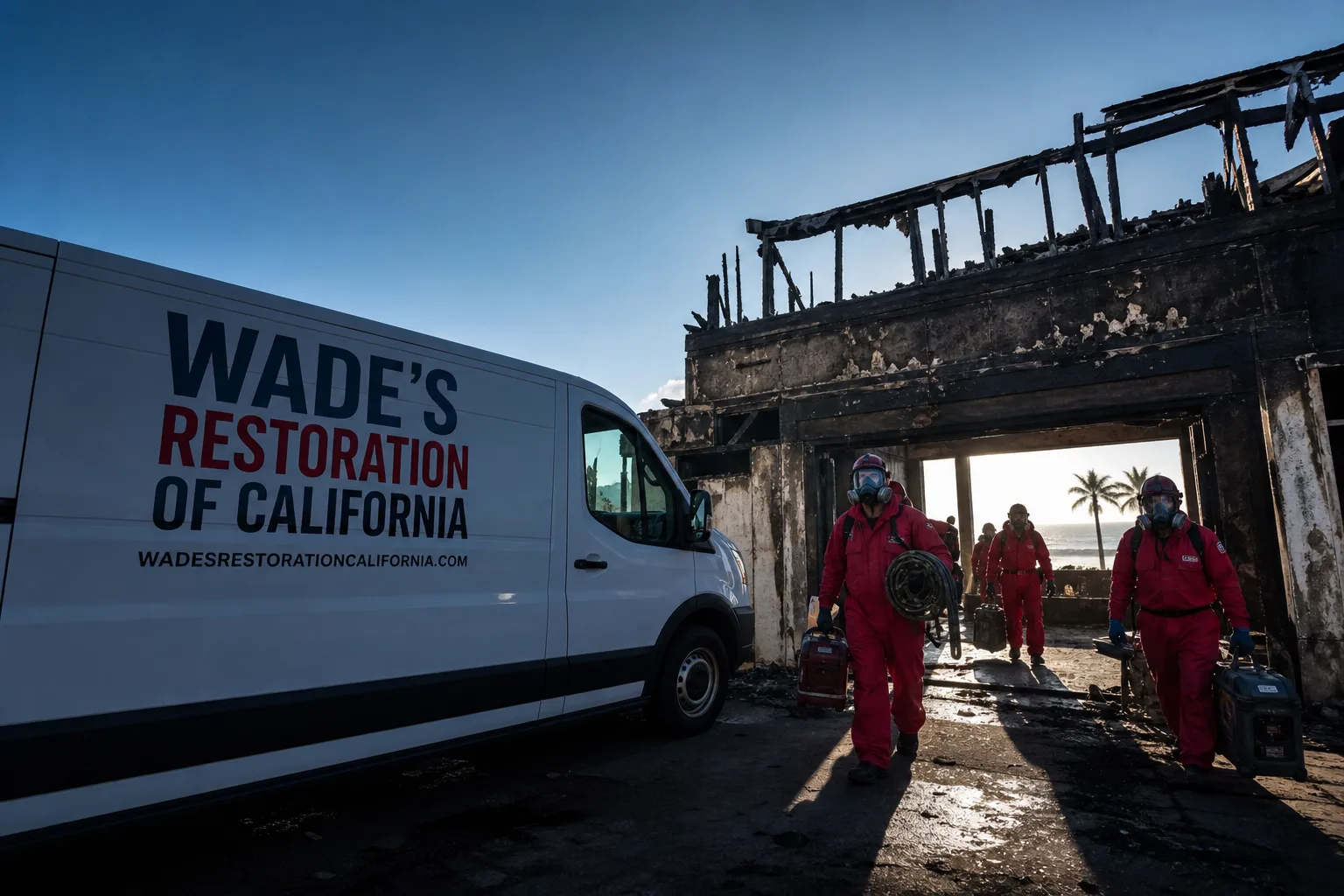
Fast, Reliable Biohazard & Crime Scene Cleanup Across Tamalpais Valley
Biohazard and crime scene cleanup in Tamalpais Valley typically runs $1,500 to $5,000 for a standard trauma scene, with more complex jobs involving structural decontamination or hoarding conditions reaching $10,000 to $25,000. We can be at your Tamalpais Valley door within the hour, because Wade Ferris answers his own phone and heads out immediately. When you call (855) 915-0646, you get Wade or someone on his crew, not a call center in another state. We know Tamalpais Valley’s fog belts, its hillside lots, and its older wood-frame homes. That knowledge changes how we clean, dry, and decontaminate a scene.
Why Wade’s Restoration of California Is Tamalpais Valley’s Preferred Biohazard & Crime Scene Cleanup Company
Wade Ferris founded this company in 2007, and he has never stopped picking up his own phone. Tamalpais Valley homeowners call and hear a real voice, often Wade himself. That matters when a family is dealing with a trauma scene, an unattended death, or a biohazard situation that an out-of-town franchise would treat like just another work order. Our crew has handled scenes in Tamalpais Valley for years, from the flats near Shoreline Highway to hillside homes near the GGNRA boundary. We understand this canyon’s weather, its housing stock, and how the two interact when a biohazard needs to be removed properly.
Every job gets a written scope before work begins. No one from our team applies a chemical or opens a wall without you knowing exactly what it costs and why it needs to happen. We also deal directly with insurance adjusters, including on trauma claims and unattended death claims, so you are never the one relaying information between two sides. And when the work wraps, you get photo documentation of every step. Ask anyone on your street. That’s the real review system out here.
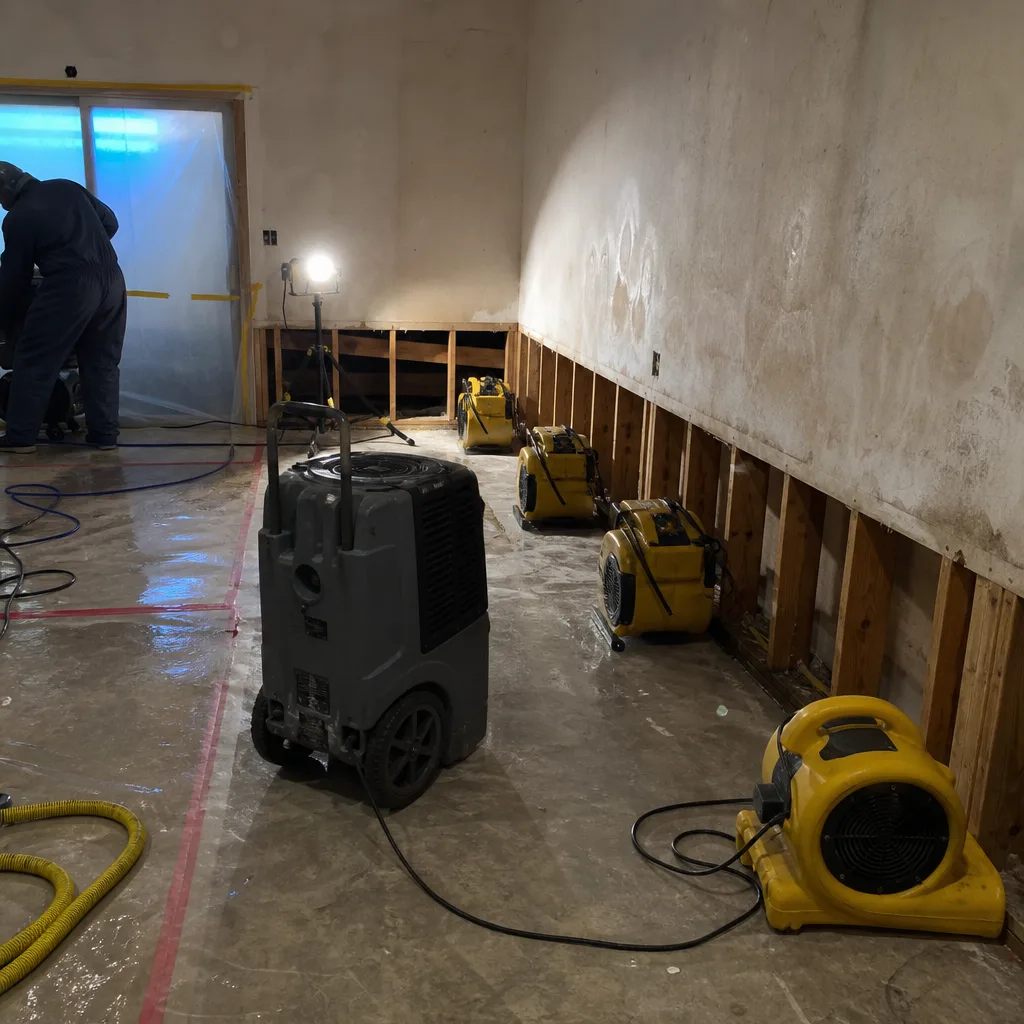
Our Biohazard & Crime Scene Cleanup work in the county is backed by IICRC-compliant protocols and RIA-affiliated methods. We use professional containment, HEPA air scrubbers, and medical-grade disinfectants. Wade’s name is on the truck, and he is going to run into you again on a Saturday. That is the oldest accountability mechanism there is.
Our Biohazard & Crime Scene Cleanup Services in Tamalpais Valley
Crime Scene Cleanup
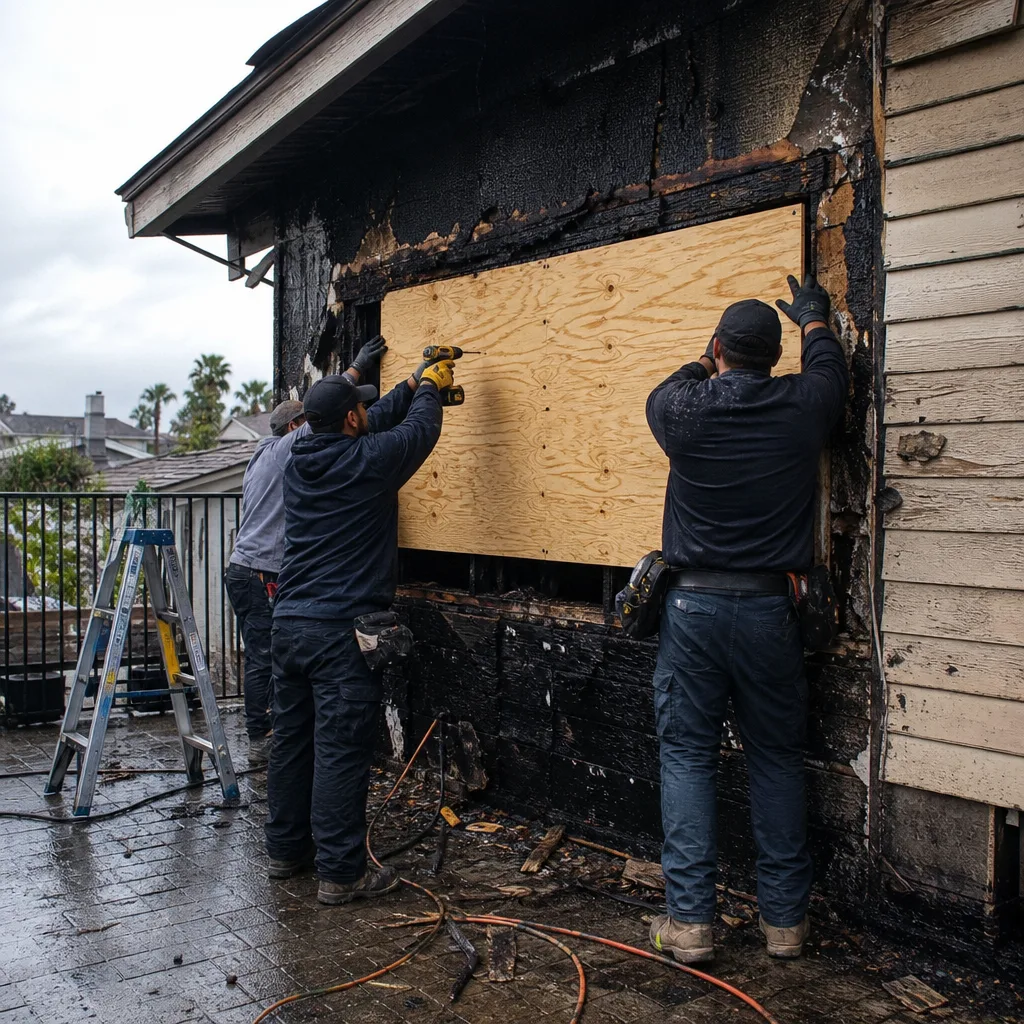
Crime scenes require more than cleaning. Blood and bodily fluids seep into porous wood, grout, and subflooring, and in Tamalpais Valley’s 1950s and 1960s ranch homes, those materials are common. We remove contaminated building materials, treat the remaining surfaces, and verify the work with post-remediation testing. If a scene involved forced entry or damaged windows, we coordinate the structural cleanup alongside the biohazard work so the home is safe and secure when we leave.
Trauma & Unattended Death Cleanup
Unattended deaths in Tamalpais Valley often involve days or weeks before discovery. Decomposition odors sink into unventilated crawl spaces, especially in split-level homes built into the hillside north of Shoreline Highway. We treat the room, the subfloor, and the crawl space, because the source of the odor is rarely where the smell is strongest. Our team also manages the disposal of biohazardous waste under California state regulations, so the family never has to handle any of it.
Hoarding Cleanup
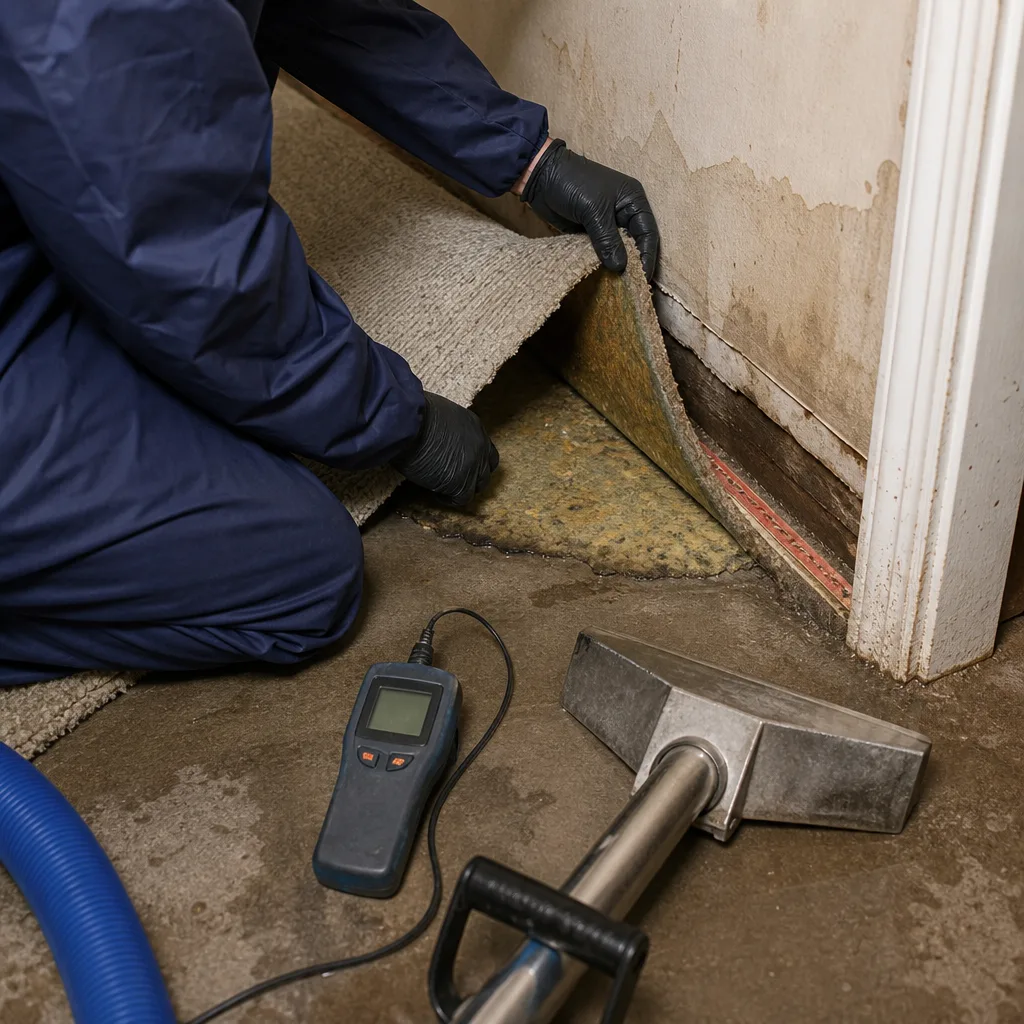
Hoarding situations in Tamalpais Valley often involve chronic moisture from the marine fog that pools in this canyon. That means biohazard cleanup and mold remediation happen together. We sort and remove contaminated materials, address the underlying moisture, and leave the structure clean and dried. Wade deals with the adjuster directly when a hoarding claim involves multiple perils, so the homeowner does not have to argue about which line item belongs where.
Blood & Bodily Fluid Cleanup
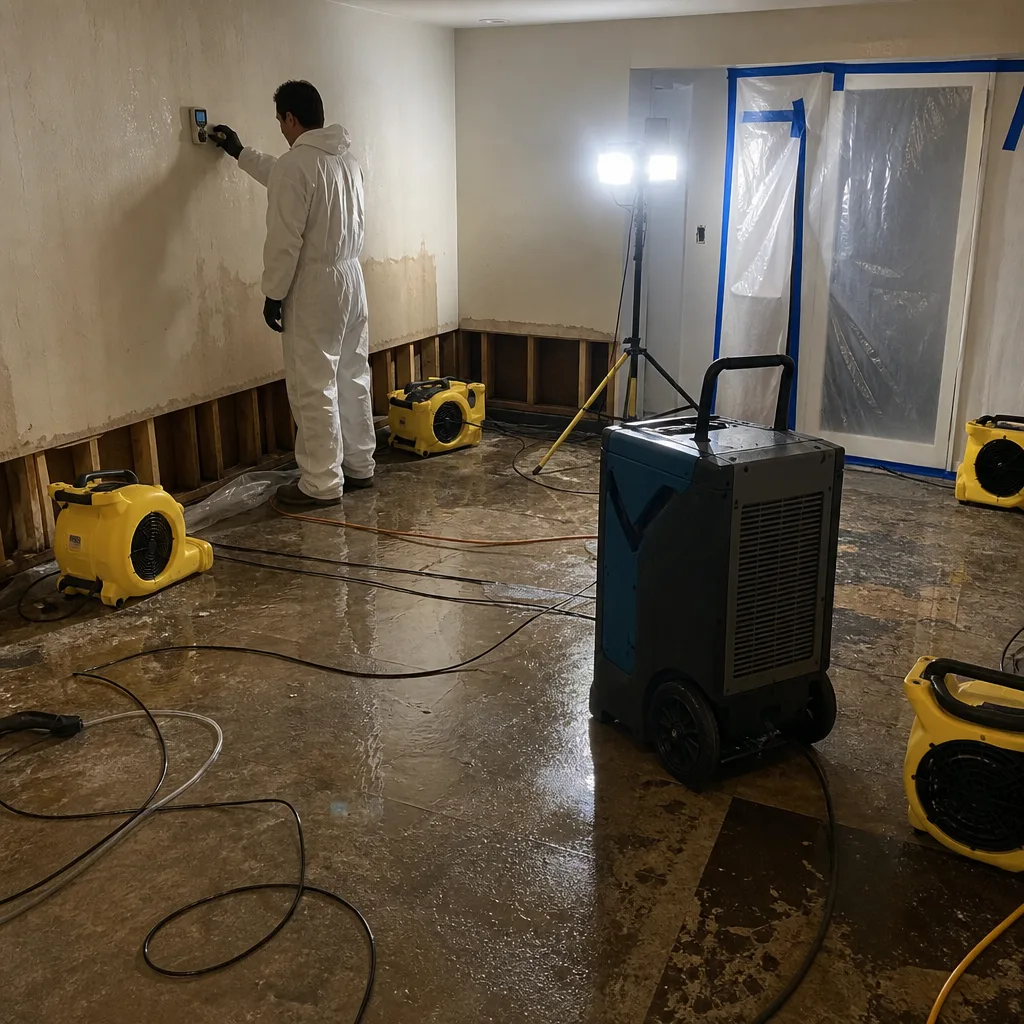
Blood spills, medical events, and biohazard accidents in Tamalpais Valley homes need fast, thorough work. Fog-driven humidity slows evaporation, which means blood that sits too long rehydrates and releases odor weeks after a surface looks clean. We remove affected materials, disinfect the area with hospital-grade agents, and run HEPA air scrubbers long enough to clear airborne particulates. Each job ends with photo documentation and a written record of exactly what we did.
What happens when you call
- 1
A real person answersNo phone trees - you reach a local pro.
- 2
You get an upfront price rangeHonest numbers before anyone is dispatched.
- 3
A background-checked tech heads outLicensed & insured, dispatched right away.
- 4
You approve before work beginsNothing starts until you say go.
Trusted Brands We Service in Tamalpais Valley
We work on Tamalpais Valley homes of every vintage, from original 1950s ranch houses to newer additions up the canyon. Wade uses professional-grade equipment including Dri-Eaz air scrubbers and HEPA vacuums on biohazard scenes, and our team holds IICRC and RIA credentials. When local supply houses or parts orders slow down, our approach is to keep the work moving with what we stock and what experience tells us works in this specific climate. For a Tamalpais Valley homeowner, that means less waiting and fewer return visits.
Common Biohazard & Crime Scene Cleanup Problems We See in Tamalpais Valley Homes
- Fog-driven rehydration of biological residue: Marine fog pushes up Tennessee Valley and Muir Beach corridors and settles in Tamalpais Valley’s bowl, keeping daytime humidity high well into summer. Blood and bodily fluids on wood floors dry slowly and can rehydrate weeks later, releasing odor a homeowner assumed was gone.
- Wildfire ash mixed with biohazard materials: Homes near the GGNRA boundary receive significant ash and soot deposition during Mt. Tamalpais watershed fires. That ash mixes with blood, fluids, or decomposition residue on porous surfaces, and standard crime scene cleanup without soot-specific HEPA extraction leaves a contaminated film behind.
- Odors trapped in poorly ventilated crawl spaces: Many Tamalpais Valley homes from the 1950s through 1970s were built on sloped lots with unventilated or barely ventilated crawl spaces. Decomposition odors from an unattended death upstairs can migrate down and become lodged in subfloor insulation and framing. Contractors who do not inspect the crawl space miss the source.
- Hillside drainage carrying contaminated material: After a crime scene or trauma event involving blood, stormwater can carry residues from an upper floor or deck into lower areas or neighboring soil. We address those drainage patterns as part of the cleanup, because in this canyon they are not a theoretical concern.
Pricing for Biohazard & Crime Scene Cleanup in Tamalpais Valley, CA
Here are the actual ranges we see for Tamalpais Valley work. A basic blood or bodily fluid cleanup in one room runs $1,500 to $3,500. A full crime scene cleanup with structural material removal typically runs $3,000 to $7,000. Trauma or unattended death cleanup involving decomposition, crawl space treatment, and odor remediation runs $5,000 to $15,000 depending on how long the scene sat and what materials absorbed the contamination. Hoarding cleanup with concurrent mold remediation runs $10,000 to $25,000 and sometimes more when structural repairs are needed. Fire-ash contamination combined with biohazard cleanup adds $1,500 to $5,000 depending on square footage and HVAC involvement.
We provide a written estimate before work starts, and estimates are free. Call (855) 915-0646 and Wade will walk through the scene with you, explain what actually needs to happen, and put the number in writing before any tools come out of the truck.
A Note on Tamalpais Valley’s Fire-Ash and Fog Dynamic
Tamalpais Valley sits inside Marin County’s Very High Fire Hazard Severity Zone, and properties along the GGNRA boundary have essentially zero defensible space on their wildland-facing sides by law. What that means for biohazard cleanup is this: after any fire in the Mt. Tamalpais watershed, homes along the boundary receive ash and soot deposition that lands on every surface, including floors, countertops, and HVAC returns. If a biohazard event happens around the same time, the ash and the biological material mix. Cleaning one without addressing the other leaves a contaminated film that later releases odor when fog raises indoor humidity. On a ranch home near the GGNRA boundary, our crew recently handled a trauma cleanup where smoke from a nearby vegetation fire had forced first responders to leave windows open, allowing ash and soot to settle over blood and bodily fluids on porous flooring. We used IICRC-compliant containment, HEPA-vacuumed ash from the trauma scene, then performed infectious disease disinfection and odor remediation specific to Marin’s marine-fog vapor pressure. The client’s HVAC was also decontaminated with Dri-Eaz air scrubbers to prevent recirculation of particulate biohazard waste. This combination of fire risk and persistent coastal moisture in the same neighborhood is largely unique to this pocket of Marin, and it changes how we sequence a cleanup here.
We Also Serve Cities Near Tamalpais Valley
Our Biohazard & Crime Scene Cleanup in Tamalpais Valley work extends to nearby communities including Tamalpais-Homestead Valley, Mill Valley, Corte Madera, and Larkspur. The same fog, fire, and hillside conditions apply across this stretch of Marin, and our crew knows the housing stock and the drainage patterns in each one.
Serving Tamalpais Valley, CA - Our Local Coverage Area
We’re based in the Tamalpais Valley area and know this community well. Use the map below to see our service coverage - if you’re nearby, we can almost certainly help.
FAQs - Biohazard & Crime Scene Cleanup in Tamalpais Valley
Yes. Fog keeps relative humidity elevated in Tamalpais Valley even during warm months, so blood and bodily fluids on porous surfaces can remain wet or tacky for far longer than they would in a drier inland community. If not fully removed and treated, residual material rehydrates later and releases odor. Our crews account for that by running extended drying and using moisture meters to verify that subfloor cavities and wall bases are actually dry before we close up.
We treat it as a combined biohazard and particulate-contamination scene. Ash and soot are HEPA-vacuumed first, then blood and bodily fluid residues are addressed with containment, removal of contaminated materials, and medical-grade disinfection. Finally, we clean ductwork and run air scrubbers so the HVAC system does not recirculate contaminated particles. This is a standard part of our work in Tamalpais Valley given the fire hazard severity zone designation.
Properties along the GGNRA boundary have legally restricted defensible space, meaning homeowners cannot remove vegetation on their wildland-facing sides the way they might elsewhere. That increases ash and soot deposition after any Mt. Tamalpais watershed fire. For biohazard cleanup, it matters because that ash lands inside the home whenever windows are open or HVAC is running during a fire event, and it mixes with whatever biological material is already present.
Because decomp fluids travel through floor systems and into the spaces below. In Tamalpais Valley’s hillside and split-level homes, the crawl space is often unventilated and holds moisture from the valley’s fog, which slows decomposition and traps odor. If we do not inspect and treat the crawl space, the smell comes back. We check post-remediation moisture readings there too. If you are dealing with this, call (855) 915-0646 and we will walk you through what the inspection covers.
Yes. In Tamalpais Valley, hoarding and chronic mold frequently coexist because the fog keeps homes damp and hoarded materials block airflow. We remove biohazardous material, then address the moisture and mold in the same project sequence. Wade deals with the insurance adjuster on both perils together so the claim reflects the full scope of the job. Call (855) 915-0646 for a free assessment, and we will give you a written scope before any work starts.
Written by Wade Ferris, Owner at Wade’s Restoration of California, serving homeowners throughout Marin County since 2007.