
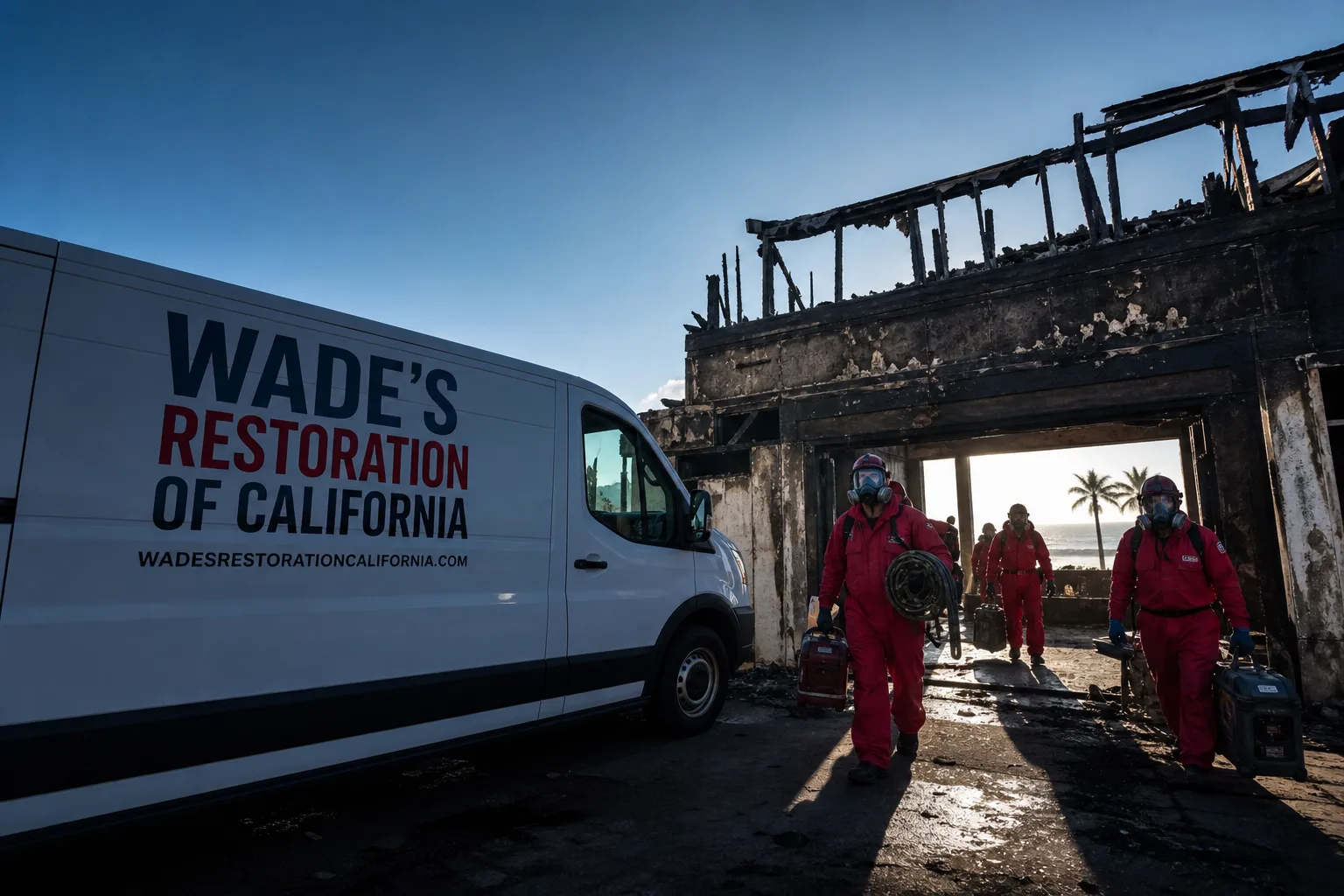
Fast, Reliable Biohazard & Crime Scene Cleanup Across Los Angeles
Biohazard and crime scene cleanup in Los Angeles typically runs $1,800-$4,500 for a standard single-room trauma scene, with hoarding remediation and multi-unit contamination events ranging from $3,000 to $15,000 or more depending on square footage and how far fluids have wicked into original plaster and subflooring. Wade’s Restoration of California serves the entire Los Angeles metro, including ZIPs 90015 through 90018, with a live person answering the phone 24/7 and crews who know the city’s legacy building stock. Call (855) 915-0646 and Wade Ferris himself will walk you through what needs to happen, no script, no runaround.
Why Wade’s Restoration of California Is Los Angeles’s Preferred Biohazard & Crime Scene Cleanup Company
Wade Ferris started this company in 2007 and never turned it into a franchise. His name is on the truck, his license number is published, and he answers his own phone. In Los Angeles, that matters more than a logo. Homeowners in 1920s Craftsman bungalows around West Adams and duplexes in Echo Park have dealt with enough out-of-town outfits that quote one price over the phone and another at the door. Wade’s crew shows up in uniform, background-checked, and the price is agreed before work starts. Not after.
Ask anyone on your street. Neighborhoods like Silver Lake and Koreatown talk. If a restoration company overcharges or under-cleans, word travels. Wade has been accountable to that for years. It’s the oldest verification system there is, and it works better than any star rating from a stranger.
When you call about a trauma scene or an unattended death in Los Angeles, Wade heads out. He’s not dispatching a call center. He knows the difference between a 1930s Spanish Colonial in Westlake with plaster-over-wood-lath walls and a 1960s stucco box in Mid-City. That local knowledge changes how the cleanup gets done, and it changes whether the contamination stays gone.
Our Biohazard & Crime Scene Cleanup Services in Los Angeles
Crime Scene Cleanup
Crime scene cleanup in Los Angeles requires more than gloves and bleach. Blood seeps into original hardwood subfloors, under baseboards, and into the lime plaster that so many pre-war Los Angeles buildings still have. Our Biohazard & Crime Scene Cleanup team cuts out affected material surgically, sanitizes the framing beneath, and verifies with ATP testing that biological matter is gone. We also handle the aftermath of break-ins and assaults in rental units where landlords need documentation for insurance.
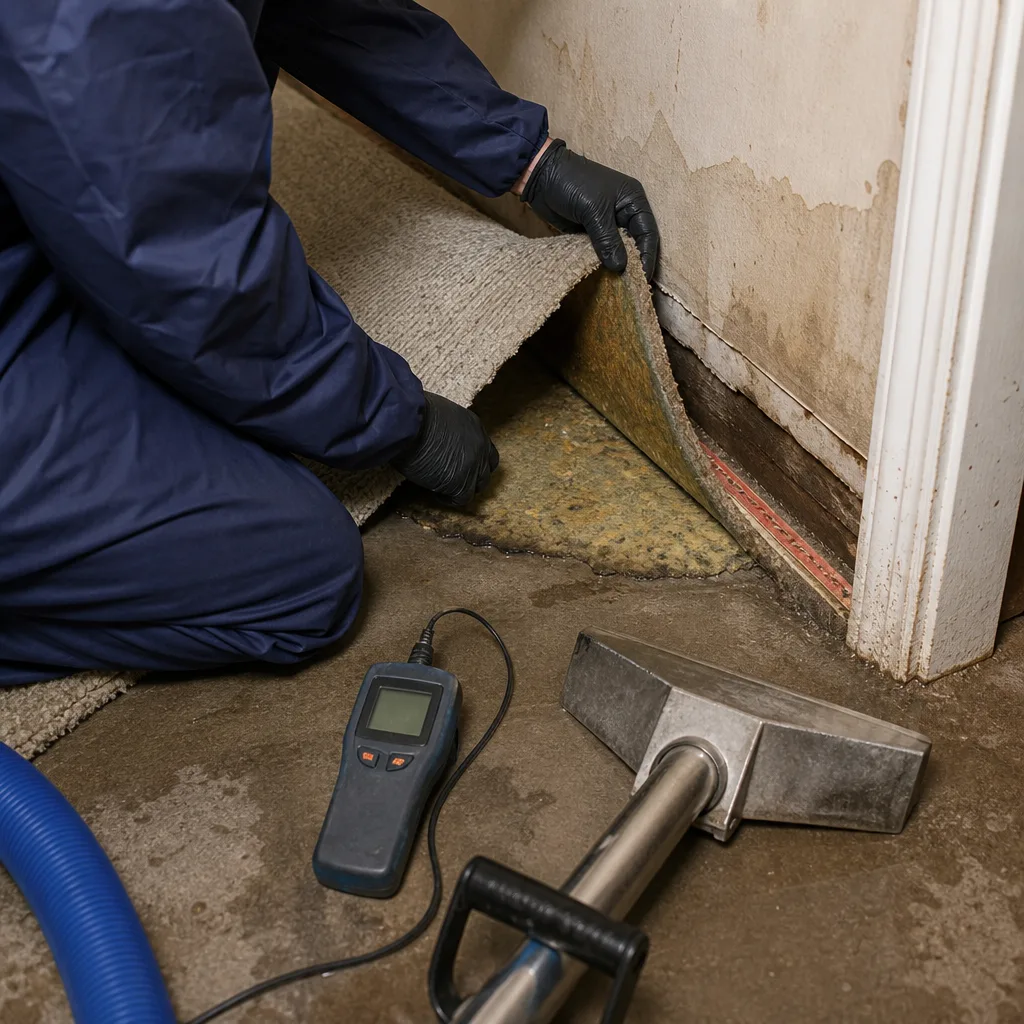
Trauma & Unattended Death Cleanup
An unattended death in a Los Angeles apartment can go days before discovery, especially in older buildings where neighbors assume the smell is a plumbing issue. Fluids decompose into flooring, drywall, and the wall cavities that Los Angeles’s aging construction leaves surprisingly open. We remediate the full path of contamination, not just the visible stain. We also coordinate directly with the coroner’s office release and law enforcement paperwork so the family doesn’t have to.
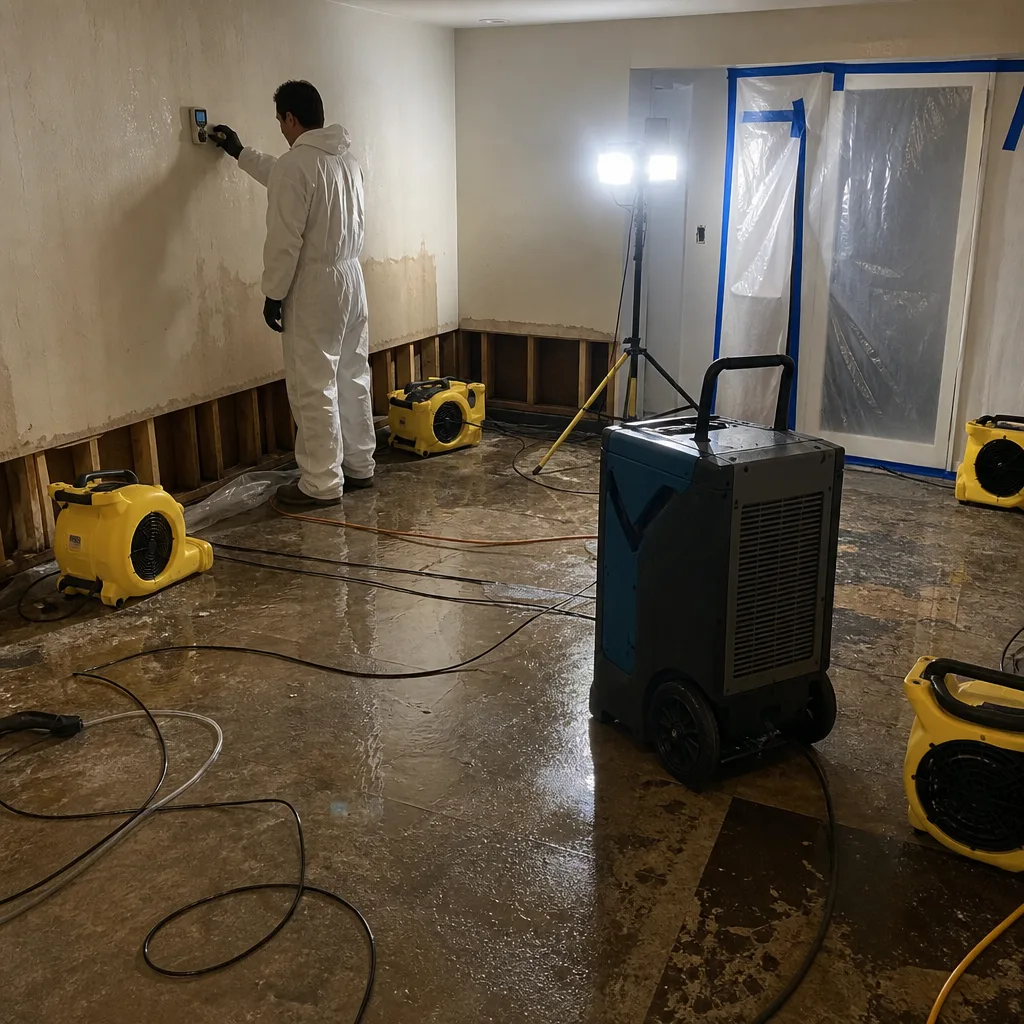
Hoarding Cleanup
Hoarding cleanup in Los Angeles is a volume problem with a biohazard core. Piles conceal rodent waste, spoiled food, and human fluids. In older Los Angeles units, hoarded material gets packed behind built-in cabinetry and into wall voids that haven’t been opened since the building went up. We clean the unit, sort salvageable belongings with the resident or family when possible, and remove contaminated material down to the studs where needed. It’s physical work, and it’s emotional. We move at the pace the resident can handle.
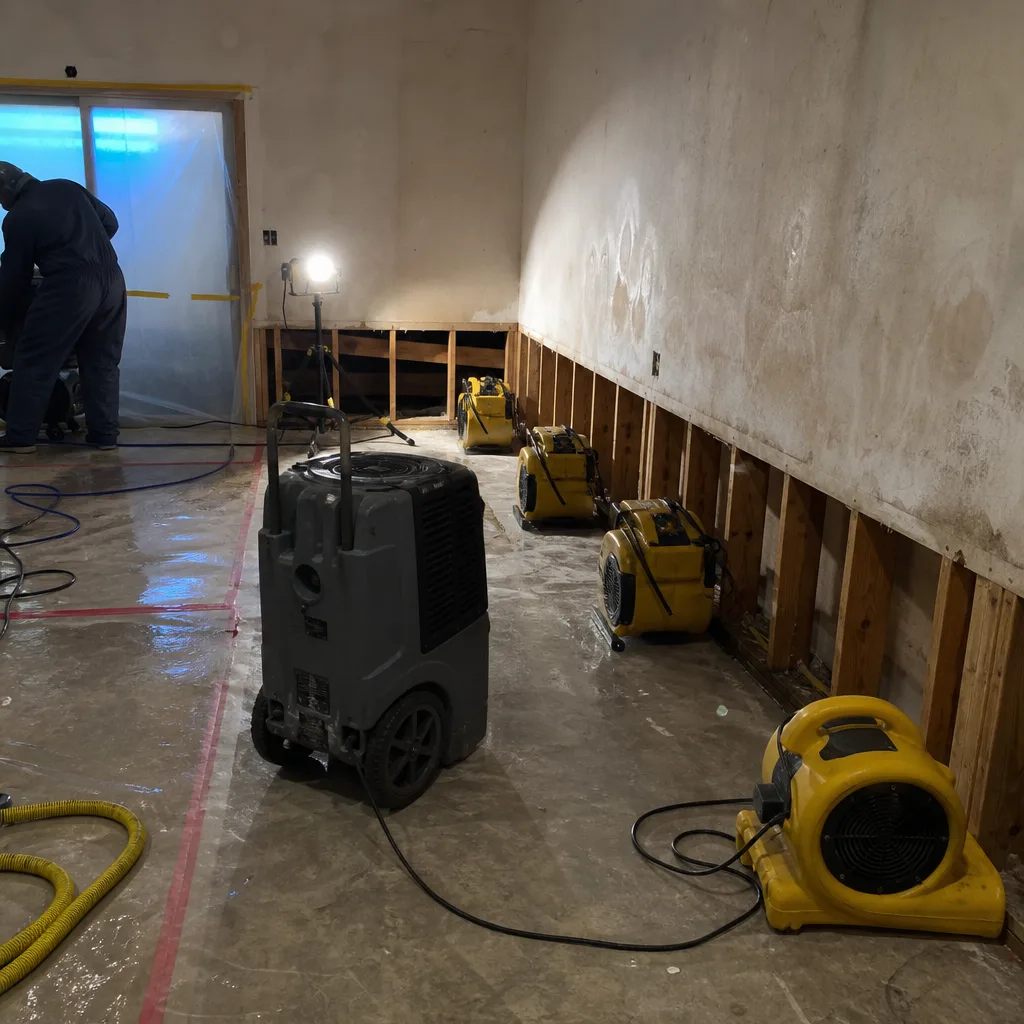
Blood & Bodily Fluid Cleanup
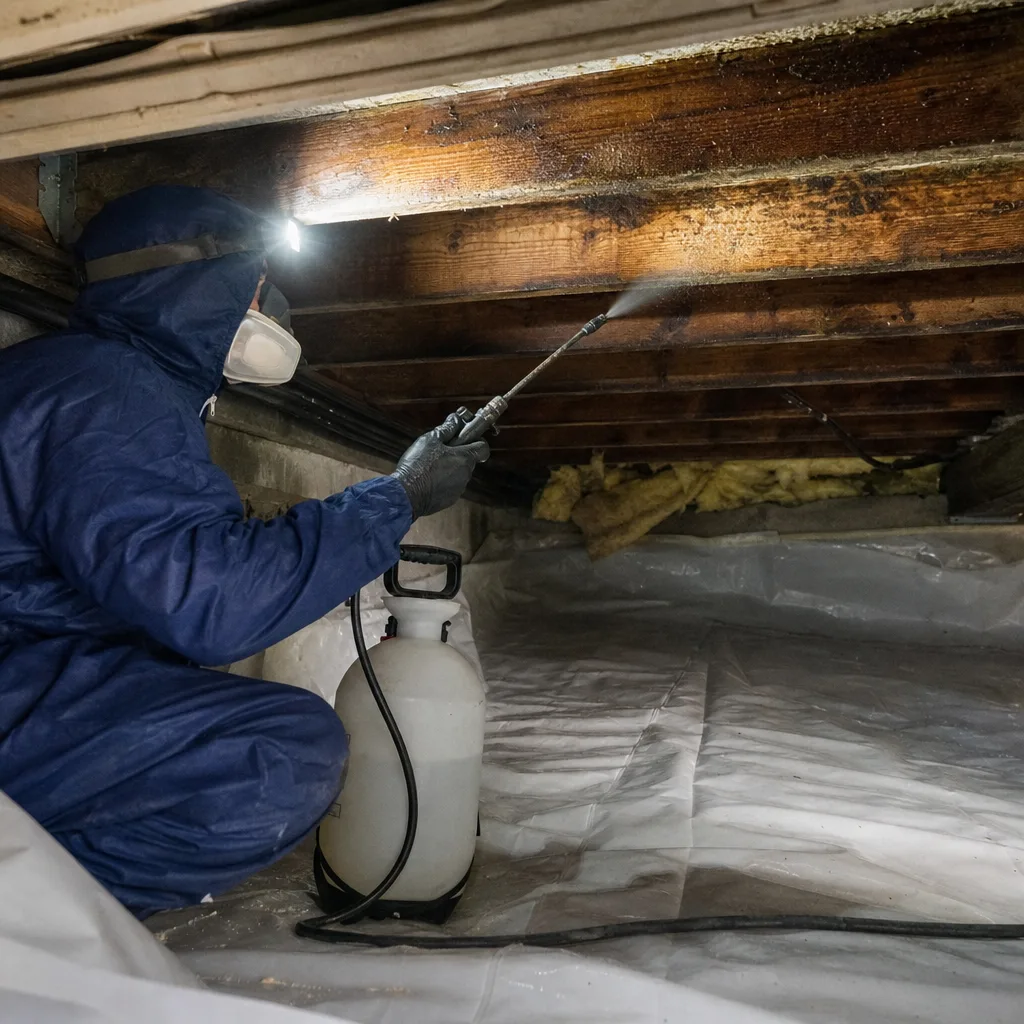
Bloodborne pathogen rules apply to any scene where blood is present, from a kitchen accident to an assault. Los Angeles property owners can’t legally just mop it up and repaint. We follow OSHA bloodborne pathogen standards, remove affected porous materials, and sanitize hard surfaces with hospital-grade disinfectants. After a scene in a 1930s Spanish Colonial duplex in the 90006 ZIP, our crew contained blood and fluids, then ran Dri-Eaz dehumidifiers and HEPA air scrubbers to dry wet lath-and-plaster walls before mold could take hold in the same cavities that had wicked the biohazard.
What happens when you call
- 1
A real person answersNo phone trees - you reach a local pro.
- 2
You get an upfront price rangeHonest numbers before anyone is dispatched.
- 3
A background-checked tech heads outLicensed & insured, dispatched right away.
- 4
You approve before work beginsNothing starts until you say go.
Trusted Brands We Service in Los Angeles
Wade’s Restoration of California maintains IICRC certification and RIA affiliation, and we run professional-grade equipment from Dri-Eaz and Phoenix on every Los Angeles job. We don’t rent budget gear. For Los Angeles property owners, that means dehumidifiers sized correctly for rooms with 10-foot ceilings and thick plaster walls, HEPA scrubbers that actually turn over the air in a 90015 loft, and drying plans that account for Santa Ana wind conditions instead of a generic chart. If your adjuster needs proof, our equipment logs show what ran, when, and for how long.
Common Biohazard & Crime Scene Cleanup Problems We See in Los Angeles Homes
- Legacy construction spreads contamination between units. In pre-war Los Angeles buildings, open wall cavities and shared plumbing chases mean a biohazard in one unit can migrate into another. We trace those paths before we start cleaning.
- Restorers treat only the visible scene. A blood spill in a 1920s Craftsman bungalow doesn’t stop at the floor. It follows gravity into floor joists and the subfloor below, and no surface wipe will reach it.
- Santa Ana winds mask moisture. Rapid surface drying after a biohazard cleanup can leave hidden dampness in stucco and plaster walls, reactivating contamination later. We use moisture meters, not timelines.
- Hoarding biohazards hide behind original built-ins. In Koreatown and Westlake apartments built in the 1920s through 1940s, fluids and pest waste accumulate behind original cabinetry and in wall voids for decades. A surface clean won’t touch it.
Pricing for Biohazard & Crime Scene Cleanup in Los Angeles, CA
| Service | Typical Los Angeles Range |
|---|---|
| Crime scene cleanup (single room) | $1,800 - $4,500 |
| Trauma / unattended death cleanup | $2,500 - $6,000+ |
| Hoarding cleanup (per unit) | $3,000 - $15,000+ |
| Infectious disease disinfection | $800 - $2,500 |
| Tear gas / chemical residue cleanup | $1,200 - $3,500 |
Los Angeles pricing runs higher than inland markets because labor, disposal fees, and the age of the building stock all add cost. A trauma scene in a 90017 pre-war apartment takes longer to remediate correctly than the same scene in a modern build, because the plaster, lath, and subfloor layers are thicker and more absorbent. Wade’s Restoration gives a written scope before work begins, offers a free second opinion on any written estimate, and extends a permanent 10% discount to seniors and veterans. Call (855) 915-0646 for a free estimate.
We Also Serve Cities Near Los Angeles
Beyond Los Angeles proper, our crews work regularly in Koreatown, Echo Park, Silver Lake, and View Park-Windsor Hills. Each neighborhood has its own building stock and its own set of contamination patterns. For a complete look at our coverage area and how we approach biohazard work across the region, visit our Biohazard & Crime Scene Cleanup in Los Angeles page.
Serving Los Angeles, CA - Our Local Coverage Area
We’re based in the Los Angeles area and know this community well. Use the map below to see our service coverage - if you’re nearby, we can almost certainly help.
FAQs - Biohazard & Crime Scene Cleanup in Los Angeles
We don’t assume. We inspect the wall cavities behind the plaster and the subfloor beneath the flooring. In a 1920s Craftsman, blood follows gravity through gaps in the flooring and wicks up into lime plaster. We remove affected material to the framing, sanitize the structure, and verify with ATP swab testing that no biological residue remains. If you’re unsure whether your scene requires that depth of work, call (855) 915-0646 and we’ll walk you through what we’d check.
We treat the unit and the shared pathways together. In Koreatown’s older apartment stock, shared vents and plumbing chases move air and moisture between units. We seal the affected unit during removal, run HEPA air scrubbers to capture airborne particulates, and inspect shared wall and vent cavities for contamination that spread beyond the hoarded unit. Then we document everything for the property owner and any affected neighbors’ insurers.
Yes. We control the water we introduce. Sanitation in an upper-floor unit doesn’t require flooding the space. We use controlled application methods, not saturation, and we place containment and moisture barriers beneath the work area when needed. In Los Angeles’s older wood-frame buildings, that matters, because an open wall cavity can carry liquid straight down. Our team has done this in Westlake and Echo Park walk-ups, and the units below stayed dry.
We start by removing the contaminated water and solids, then we apply an EPA-registered disinfectant to every affected surface. In Westlake’s flat-roof stock, the sewage often runs down interior walls into units below the clog point. We open those wall cavities, remove saturated plaster or drywall, disinfect the framing, and dry the structure before rebuilding. The disease risk doesn’t end when the water is gone. It ends when the materials that soaked it up are gone too.
Tear gas residue binds to porous surfaces, and original single-pane windows and stucco are exactly that. We use specialized alkaline cleaning agents that break down the chemical compounds, then rinse and extract them. Stucco often requires mechanical scrubbing followed by sealing to prevent re-release. For a business in 90004, we schedule this after hours so you don’t lose a day of operation. Call (855) 915-0646 and Wade will give you a straight answer about what it takes.
Written by Wade Ferris, Owner at Wade’s Restoration of California, serving Los Angeles since 2007.