
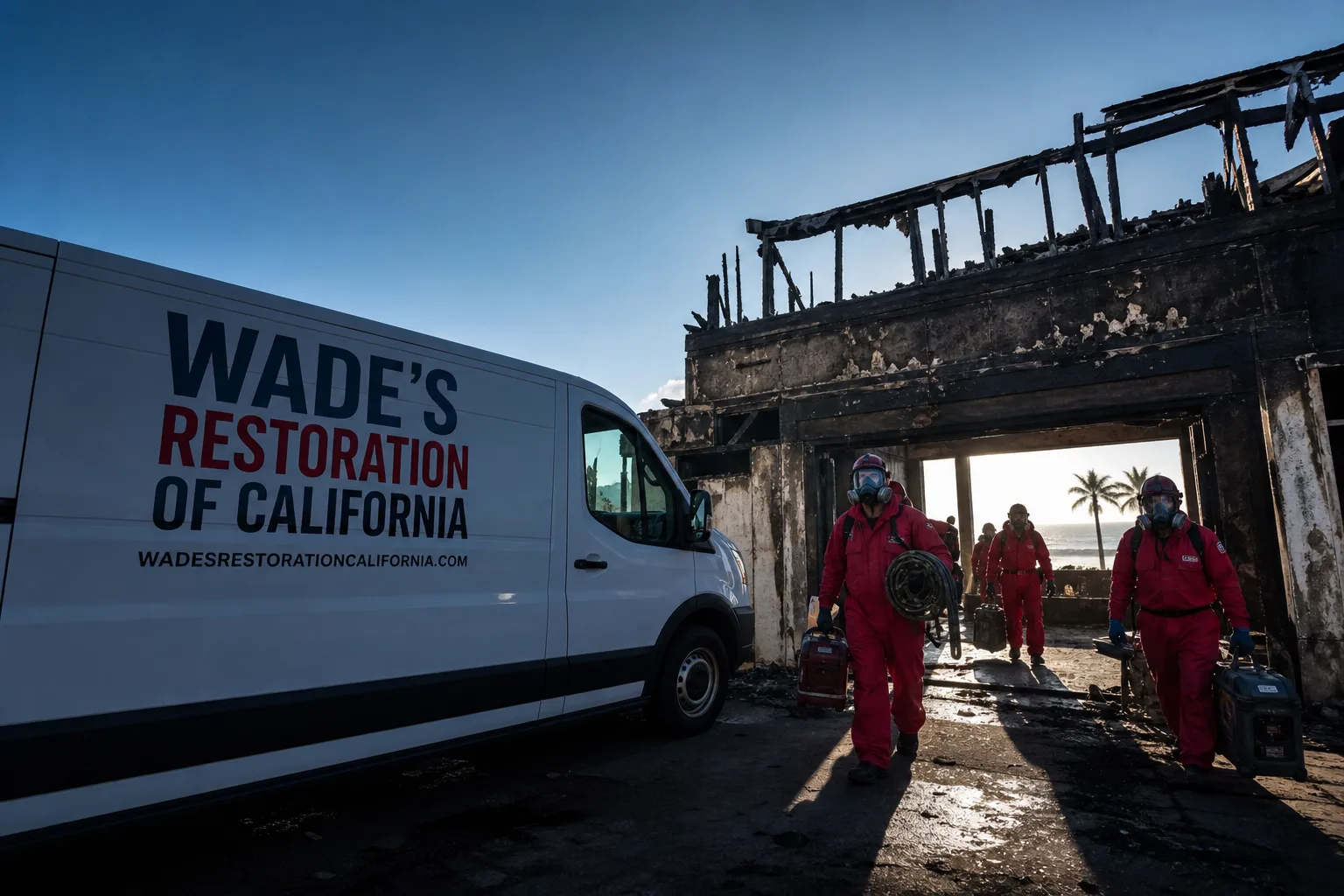
Fast, Reliable Biohazard & Crime Scene Cleanup Across Albany
Biohazard cleanup in Albany means dealing with blood, bodily fluids, and trauma scenes inside homes built before modern building codes existed. That changes everything about how the work gets done. Most Albany homes are 1920s-1940s Craftsman bungalows with lathe-and-plaster walls that absorb fluids deeply, and pier-and-beam foundations that hold marine moisture year-round. We know this because we’ve worked these houses. Wade’s Restoration answers calls 24/7, and Wade Ferris himself heads out to Albany, usually inside the hour. If you’re dealing with a situation that can’t wait, call (855) 915-0646 right now.
Nobody plans for the day they need a crime scene or trauma cleanup crew. When it arrives, you want someone who already knows Albany’s houses, the wet bay air, the way original fir subfloors behave when fluids soak through. That’s the work we do. That’s Biohazard & Crime Scene Cleanup done by people who’ve been inside Albany’s oldest bungalows and know what’s behind the walls.
Why Wade’s Restoration of California Is Albany’s Preferred Biohazard & Crime Scene Cleanup Company
Wade Ferris founded this company in 2007, put his name on the truck, published his address, and started answering his own phone. That’s still how it works. When an Albany homeowner calls at two in the morning from a flatlands bungalow near the bay, Wade picks up. Not an answering service, not a dispatch center. The owner. That matters in a city where most houses were built before your grandparents were born and every wall cavity holds surprises.
Our crews have worked Albany’s streets long enough to know that a 1930s bungalow on the west side near the bay behaves completely differently from a hillside home in El Cerrito. The marine fog sits in the crawl spaces. The lathe-and-plaster wicks moisture. The original subfloors weren’t designed to handle what a modern sealed slab would shrug off. We bring that local knowledge to every Albany job, plus IICRC certification and professional-grade Dri-Eaz equipment that actually dries old houses instead of just blowing air through them.
Albany homeowners have a specific worry: they’ve heard horror stories about cleanup crews that tear out too much, damage irreplaceable historic finishes, and leave hidden biohazard material behind. We hear that constantly. The answer is documentation. Wade’s crew takes readings every single day and hands the homeowner the full log at the end of the job. Nobody in this trade does that routinely. We do it because you should be able to verify what was done inside your walls.
Our Biohazard & Crime Scene Cleanup Services in Albany
Crime Scene Cleanup
Crime scenes in Albany homes often involve blood on original flooring materials that simply don’t respond to standard cleaning. A 1930s fir subfloor will absorb fluids in a way vinyl plank won’t. We remove the contaminated material, clean what can be salvaged, and dry the structure using equipment sized for pier-and-beam crawl spaces. The work is done discreetly, and we coordinate directly with the Albany Police Department when a scene needs release.
Trauma & Unattended Death Cleanup
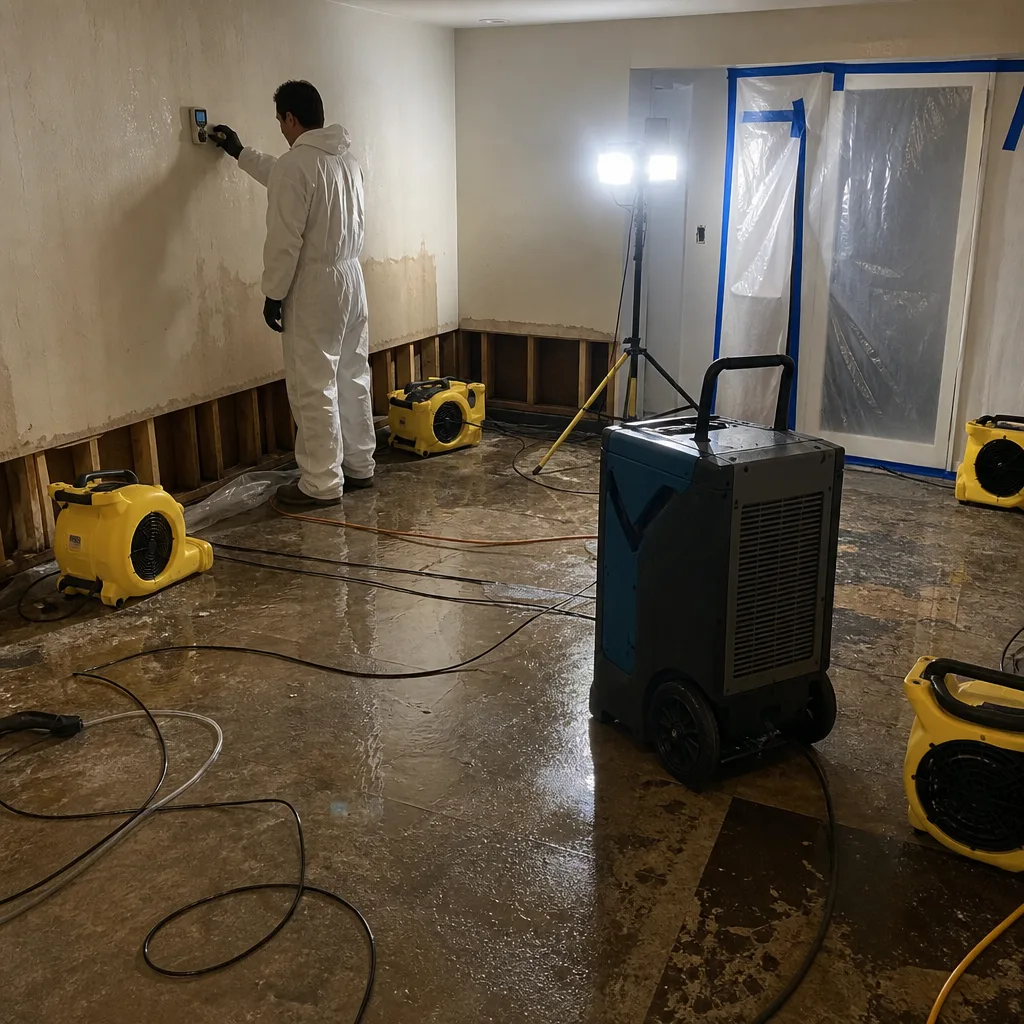
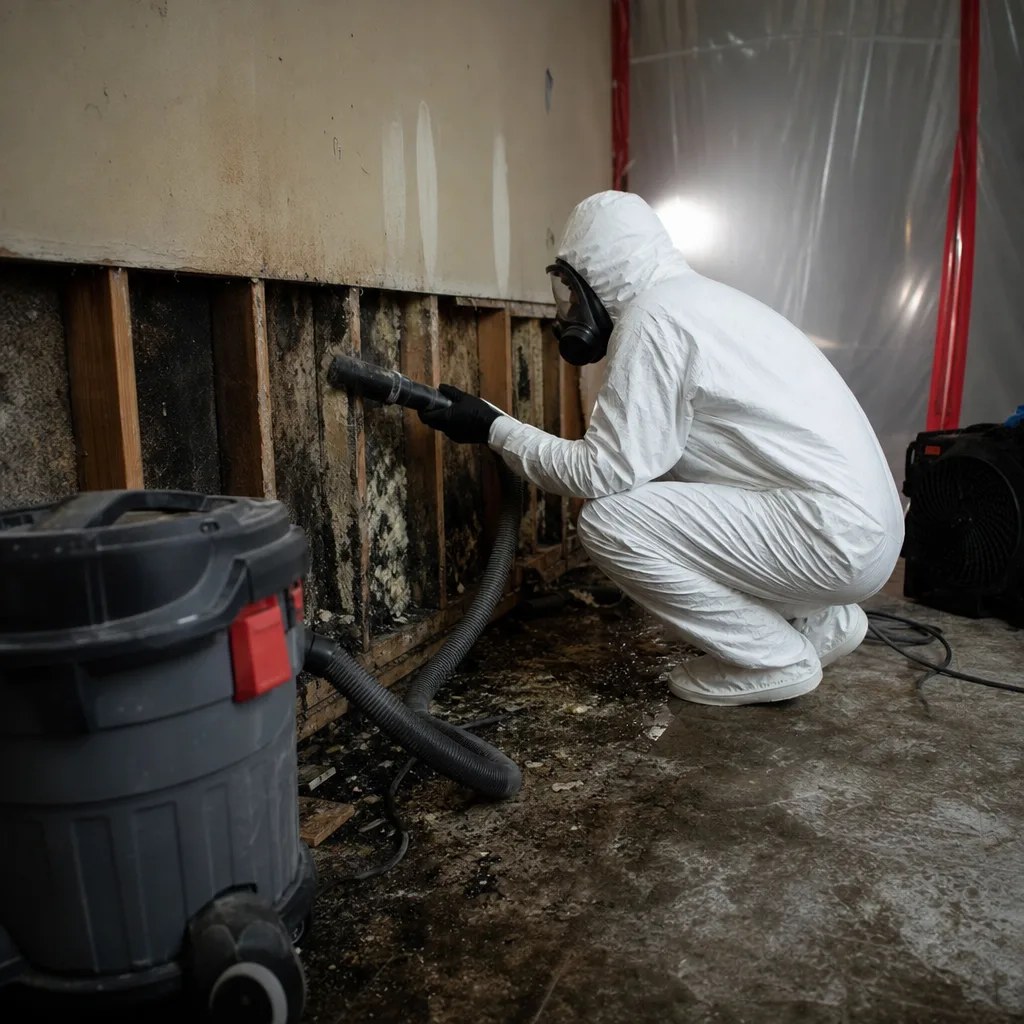
This is the hardest call any family makes, and it’s one we answer without hesitation. In Albany, time is a biological problem. Fluids from an unattended death will soak through original fir subfloor into the joists and crawl space below within hours. Then the bay humidity does what it always does: it holds that moisture and starts the mold clock. We remove the affected building materials, thoroughly disinfect, and then run low-grain refrigerant dehumidifiers long enough to actually dry the structure, not just the surface.
Hoarding Cleanup
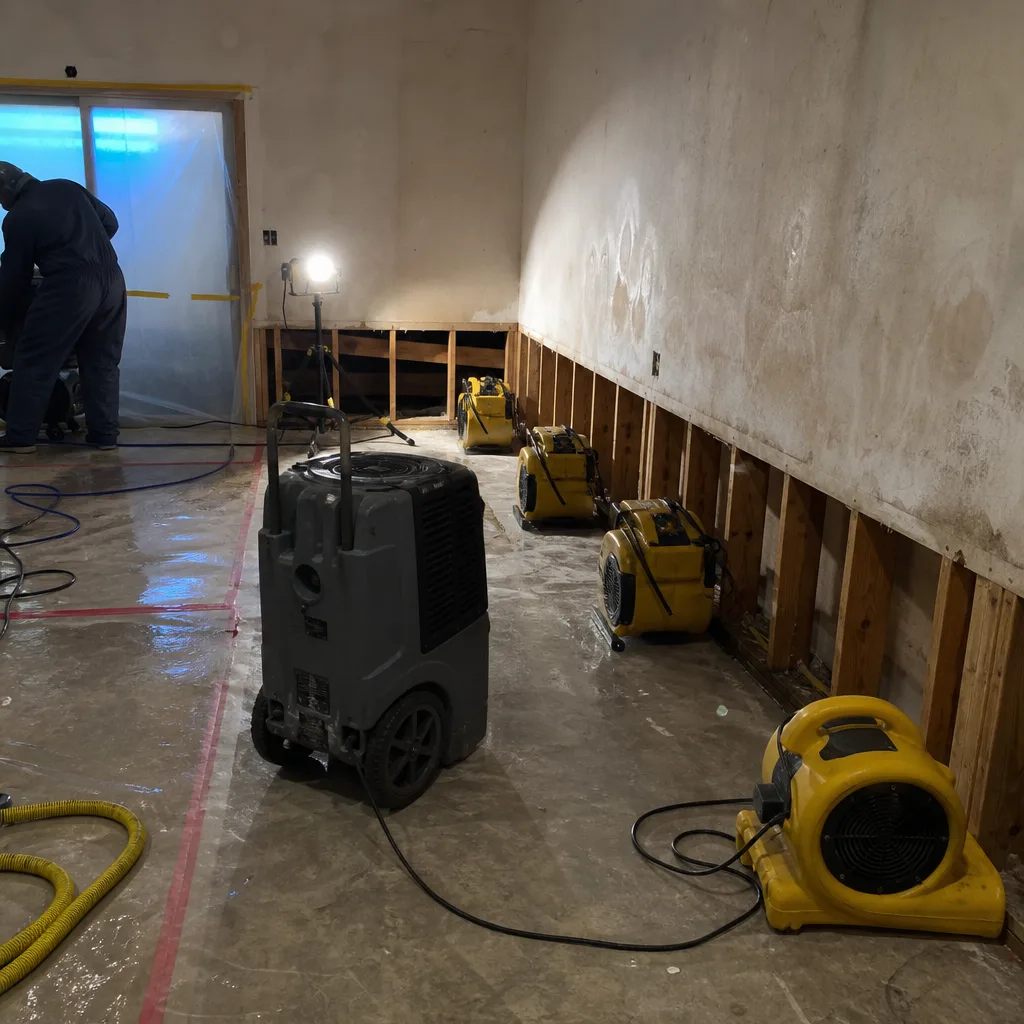
Hoarding cleanup in an Albany Craftsman requires patience and a careful hand. These homes have built-in cabinetry, original fir floors, and architectural details that a careless crew can destroy in an afternoon. We sort, remove, and clean while protecting those finishes. We also work with families through the process, not around them. If there’s structural damage under years of accumulation, we address it before it spreads.
Blood & Bodily Fluid Cleanup
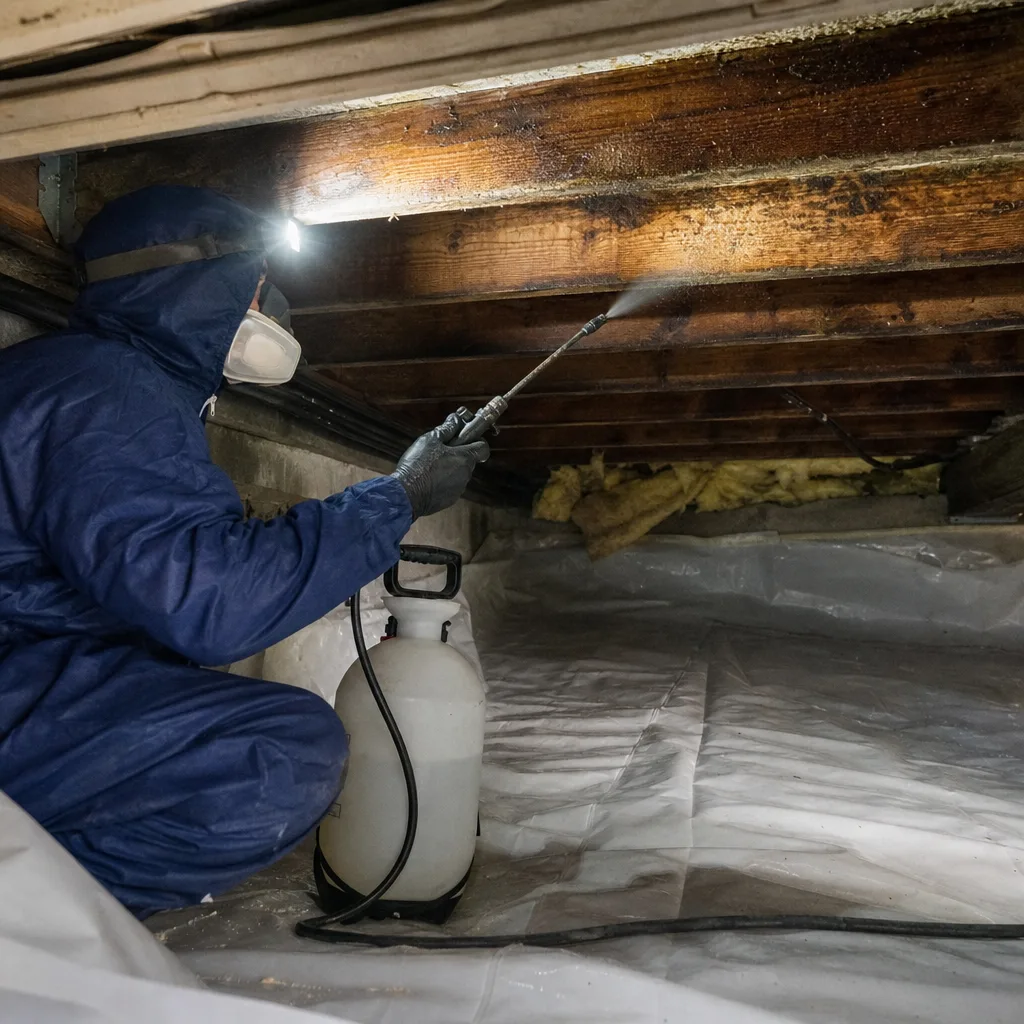
Blood doesn’t stay where it lands. In Albany’s lathe-and-plaster homes, it wicks into wall cavities, follows plumbing runs, and pools in low spots under the house. Surface cleaning leaves reservoirs that will smell and grow mold within weeks. We trace the fluid path, remove contaminated plaster and wood, and disinfect the framing underneath. That’s the difference between a cleanup and a lingering problem.
What happens when you call
- 1
A real person answersNo phone trees - you reach a local pro.
- 2
You get an upfront price rangeHonest numbers before anyone is dispatched.
- 3
A background-checked tech heads outLicensed & insured, dispatched right away.
- 4
You approve before work beginsNothing starts until you say go.
Trusted Brands We Service in Albany
We’re IICRC-certified and RIA-affiliated, and we build our process around equipment that works on Albany’s housing stock. Our Dri-Eaz dehumidifiers are sized for the low-clearance crawl spaces under pre-WWII bungalows, not just open basement floors. We keep replacement materials and containment supplies stocked so an Albany job doesn’t stall waiting on parts from a warehouse three counties away. When a tear-out exposes unexpected framing damage, which happens often in houses this old, we have what’s needed to handle it.
Common Biohazard & Crime Scene Cleanup Problems We See in Albany Homes
- Lathe-and-plaster wicks fluids into wall cavities. Blood and other fluids follow the plaster keys and settle at the bottom plate, behind the baseboard, where you can’t see them. Surface cleaning looks fine for about a month, then the odor returns. Full plaster removal and structural drying is the only fix that sticks.
- Pier-and-beam crawl spaces stay perpetually damp near the bay. The marine layer pools under raised foundations and never really leaves. After a trauma cleanup, mold regrows on joists and subfloor if drying equipment is pulled too early. We dry longer than the standard protocol calls for, because Albany’s air doesn’t cooperate.
- Galvanized supply lines crack under equipment weight. It’s not uncommon for a dehumidifier or air mover placed in the wrong spot to put pressure on an original galvanized line under an Albany bungalow. That releases contaminated water into spaces we just cleaned. We check lines before setting equipment and plan placement accordingly.
- Original fir subfloors absorb fluids to the framing below. Fir is soft and porous, especially after 90 years of moisture cycling. Fluids move through it faster than most crews expect, reaching the joists before anyone cuts the first hole. We open up subfloor in the affected radius, not just at the visible stain.
Pricing for Biohazard & Crime Scene Cleanup in Albany, CA
Here’s what Albany homeowners can expect to pay, based on jobs we’ve done in the 94706 zip code. A blood or bodily fluid cleanup confined to a single room typically runs $1,200 to $3,400, depending on whether we’re removing plaster or just cleaning salvageable surfaces. An unattended death involving subfloor and joist contamination runs $4,000 to $9,000 when lathe-and-plaster removal, structural drying, and crawl space work are required. Hoarding cleanup in a small Albany bungalow starts around $1,500 for light accumulation and goes up significantly for severe cases with structural implications. Crime scene tear-out and full decontamination ranges $3,500 to $12,000. Every job gets a written scope before work starts, no surprises at the door. Call (855) 915-0646 for a free estimate, and ask about our Senior & Veteran 10% discount.
We Also Serve Cities Near Albany
If you’re in El Cerrito, Kensington, Berkeley, or Emeryville, we’re already working the same streets and the same housing styles. The lathe-and-plaster challenge doesn’t stop at Albany’s border. Biohazard & Crime Scene Cleanup in Albany means our crews are already positioned to reach any of these neighbors quickly, often within the same hour.
Serving Albany, CA - Our Local Coverage Area
We’re based in the Albany area and know this community well. Use the map below to see our service coverage - if you’re nearby, we can almost certainly help.
FAQs - Biohazard & Crime Scene Cleanup in Albany
We don’t try to save lathe-and-plaster that has absorbed blood. The fluid travels through the plaster keys and into the wall cavity, so we remove the contaminated plaster to the nearest framing member, disinfect the studs and lath, then close the wall back up. The historic finish on adjacent walls remains untouched. Trying to clean blood out of plaster just leaves a reservoir for odor and mold. Call (855) 915-0646 and we’ll walk you through what’s salvageable.
For most biohazard cleanup work, no permit is required from the City of Albany. The exception is when structural framing must be replaced - for example, if floor joists under a 1920s bungalow are so saturated they can’t be dried effectively. We handle permit coordination when it’s needed and do it in a way that doesn’t slow the job down. Call us and we’ll tell you on the first call whether your situation requires anything beyond cleanup.
The marine air that sits under Albany’s pier-and-beam homes means crawl spaces never fully dry on their own. After a trauma scene, fluids that reach the subfloor and joists stay wet longer than they would in an inland city, which accelerates mold growth. We run Dri-Eaz low-grain refrigerant dehumidifiers for longer than standard protocols call for, usually three to five days, and we check moisture levels daily until the readings hold. The fog is why we don’t rush the drying phase in Albany.
It can, if the crew treats the house like a generic box. Original fir floors scratch easily, and built-in cabinetry from the 1920s and 1930s can’t be replaced at Home Depot. We lay down protection paths, move materials by hand rather than dragging, and separate what’s salvageable from what’s been structurally compromised. We’ve worked enough Albany bungalows to know which floors can take weight and which ones need support before we bring equipment inside.
The clock starts immediately. In a 1920s bungalow with original fir subfloor, fluids can reach the joists and crawl space within a few hours. Within 24 to 48 hours, lathe-and-plaster walls in the affected room will have absorbed what they’ll absorb, and the odor has begun to set into original wood. The sooner cleanup begins, the less material must be removed. Call us at (855) 915-0646 the moment you’re able, and Wade will talk you through what happens next, including whether the scene has been released for entry.
Last fall we handled an unattended death in a 1930s bungalow on the Albany flatlands near the bay where fluids had seeped through original fir subfloor onto pier-and-beam joists. Our crew removed saturated lathe-and-plaster and fir, then used Dri-Eaz low-grain refrigerant dehumidifiers for four days to dry the crawl space, preventing the marine-humidity mold bloom that usually follows these events.
That’s the kind of job that defines biohazard cleanup in Albany. The house wasn’t drywall and slab. It was a pier-and-beam bungalow that had been sitting in bay fog since the Roosevelt administration. The standard cleanup playbook doesn’t work there. The one that does is built on local knowledge, longer drying times, and a written scope before anything gets torn out.
If you’re facing a biohazard situation in Albany, don’t wait. Call (855) 915-0646 now for a free estimate. Wade’s Restoration is locally owned, IICRC-certified, and answers the phone 24/7. We’ll tell you what’s needed, what it costs, and what you can expect from start to finish. Free second opinions on any written estimate. No trip charge within our own county. And a 90-Day Done Right Promise in writing on every job.
Written by Wade Ferris, Owner at Wade’s Restoration of California, serving Albany since 2007.