
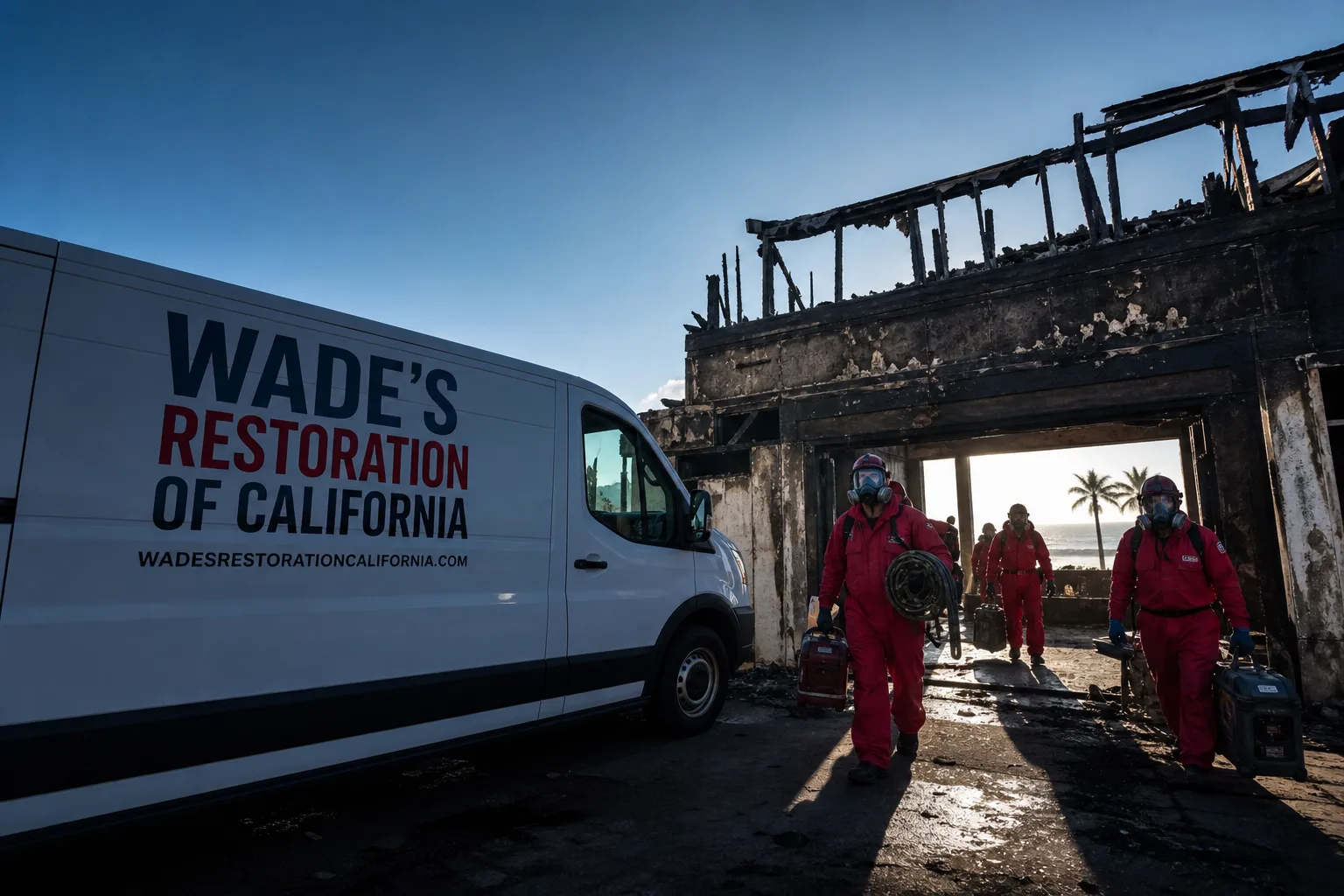
Fast, Reliable Water Damage Restoration Across Winters
Water damage restoration in Winters usually runs between $1,400 and $6,800 depending on how far the water traveled and whether the source was clean supply water, storm overflow, or sewage. Most jobs we handle here start with a call at 2 a.m. and end with extraction equipment running within the hour. Wade has been answering his own phone for Winters homeowners since 2007, and he still heads out personally on the worst calls. If you’ve got water moving through your house right now, call (855) 915-0646 and you’ll get Wade or one of his crew, not a call center.
Winters isn’t like the flat suburbs east of 505. The wind changes everything here. When Putah Creek’s canyon squeezes northwest gusts through the Gap, water finds its way into places a standard checklist misses. Wade’s crew knows to start at the roof ridge and chimney before they even touch the puddle in the hallway.
Why Wade’s Restoration of California Is Winters’s Preferred Water Damage Restoration Company
Ask anyone on Railroad Avenue or down near the old downtown hardware store who they’d call when a ceiling’s dripping. Wade’s name comes up. Not because of a billboard, but because he shows up, writes down what he’s going to do, and then does it. His license number, address, and cell phone have been public since the day he started. That’s the oldest accountability mechanism there is in a small town: you’ll run into him again on a Saturday.
Winters customers regularly tell us two things. First, that a different company quoted one number over the phone and another at the door. Second, that Wade’s written scope matched the final invoice to the dollar. He handles the adjuster directly, hands over a full moisture log from every day of drying, and backs every Water Damage Restoration job with the 90-Day Done Right Promise: if it’s not done right, he makes it right, in writing.
Response time to Winters is usually under 60 minutes for emergency extraction because the crew nearest your side of town heads out as soon as you hang up. No dispatch. No queue. Wade’s on the road.
Our Water Damage Restoration Services in Winters
Emergency Water Extraction
Standing water in a Winters crawl space or bedroom floor gets worse by the hour. Concrete slab foundations common in the mid-century tract homes off Grant Avenue wick moisture sideways into wall cavities fast. Our extraction crews use truck-mounted and portable extraction rigs to pull hundreds of gallons out before dehumidification even starts. We’ll be there within the hour on most Winters calls, and we bring enough equipment to handle a full-basement event, not just a hallway.
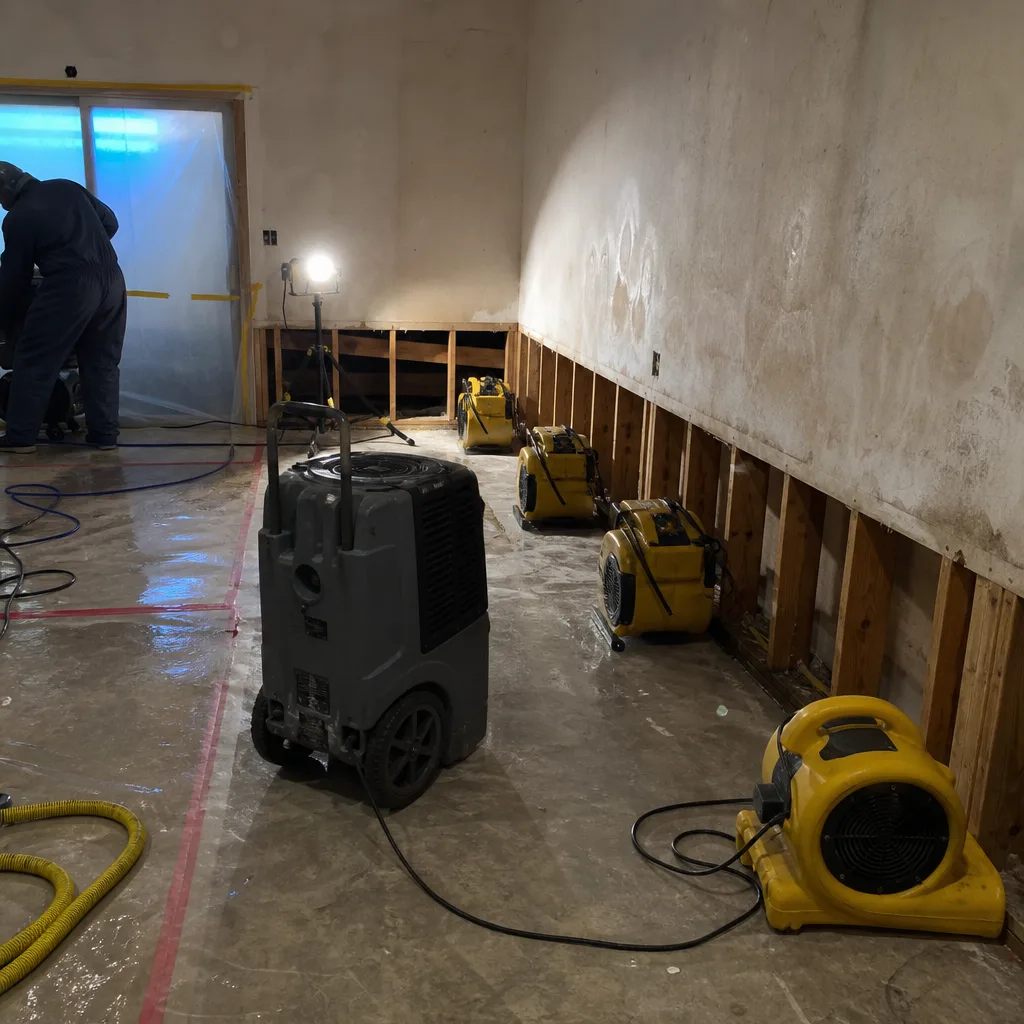
Structural Drying & Dehumidification
The tricky part in Winters isn’t always the water you can see. It’s what’s hiding behind plaster lath in a 1915 bungalow or in the shallow attic cavity of a ranch house on Valley Oak Drive. We run Dri-Eaz and Phoenix dehumidifiers alongside XPOWER air movers, and Wade checks moisture readings every single day until the wood and plaster hit dry standard. At job’s end, you get the full log. Almost nobody in the trade does that.
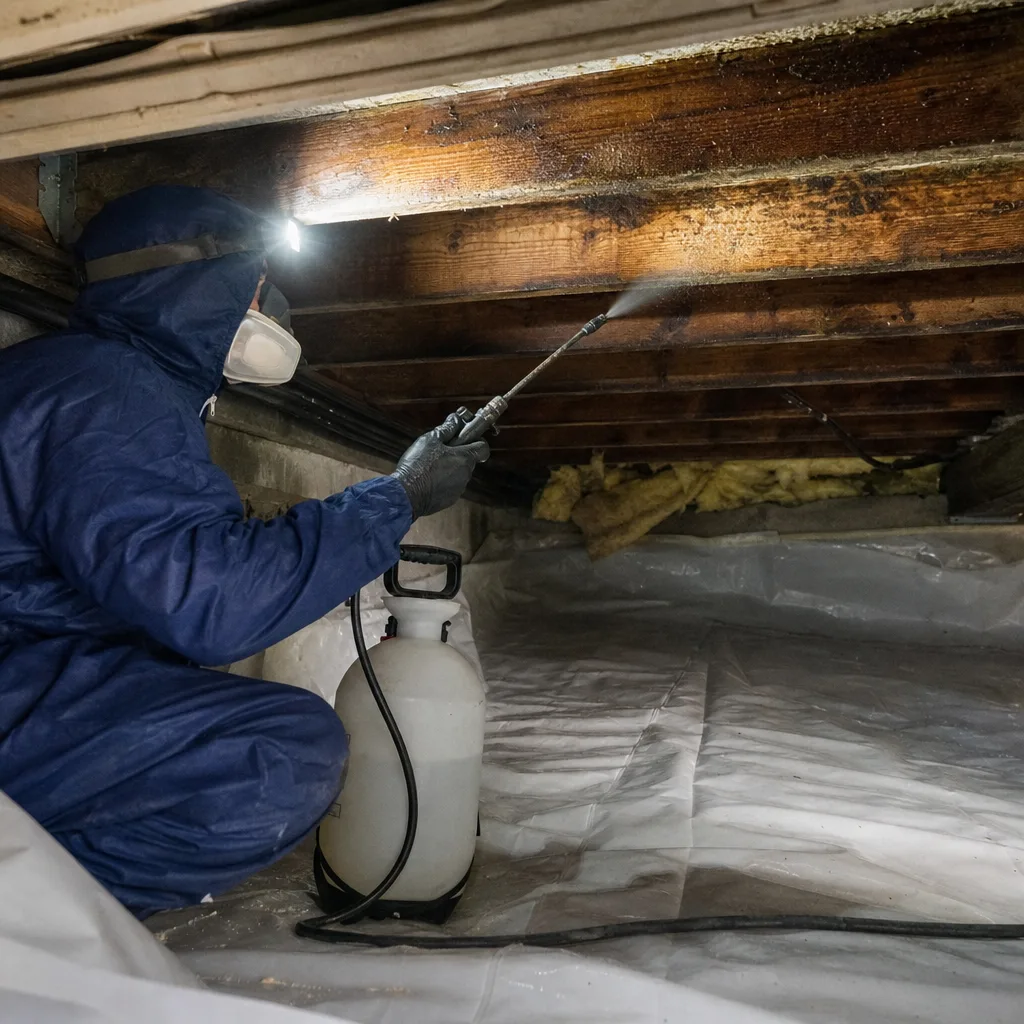
Flood Cleanup
Winters sits downstream of the Putah Creek watershed, where concentrated winter rains can turn ditches and streets into temporary creeks fast. When storm water or diverted creek runoff gets under a house on the western and southern edges of town, near the chaparral hills, we handle the full cleanup: extraction, drying, sanitation, and reconstruction of the subfloor or crawl space. We work directly with your insurance adjuster so you’re not the one explaining vapor barriers over the phone.
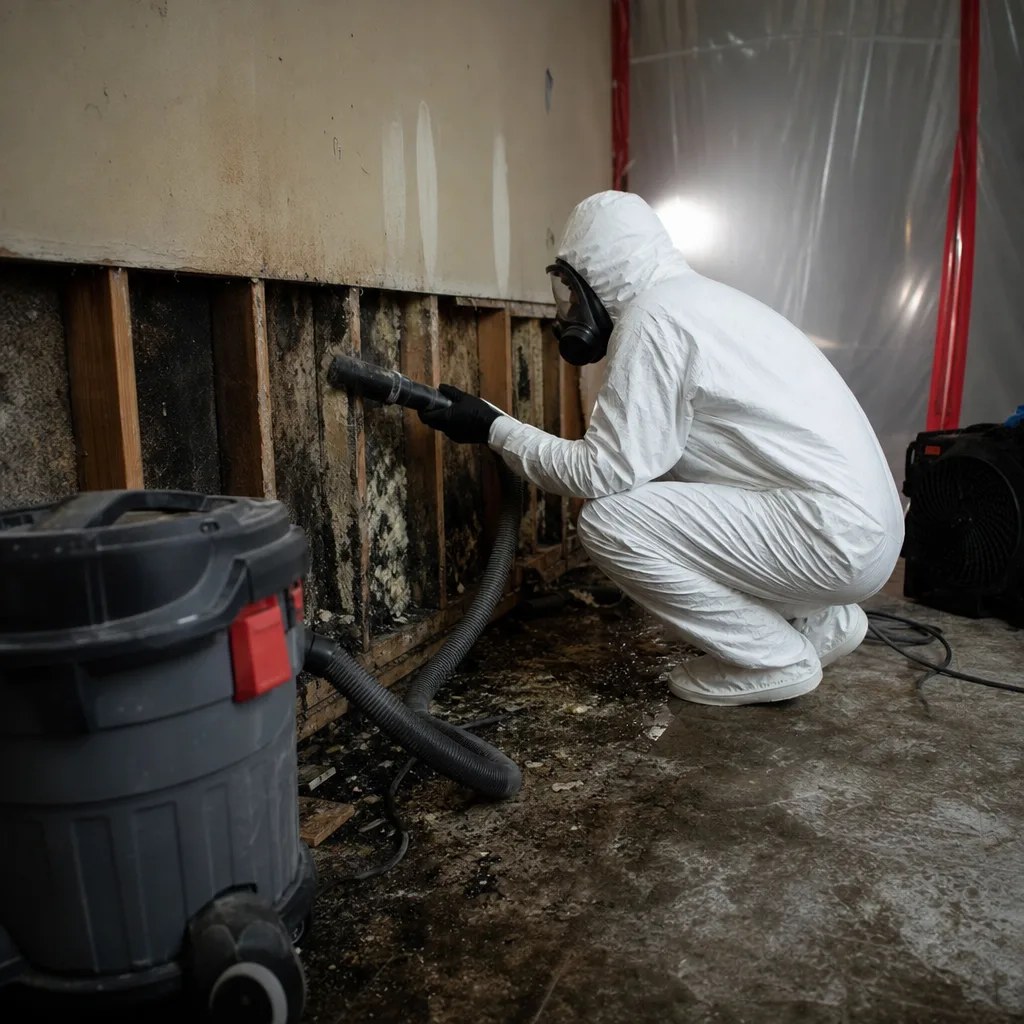
Burst Pipe Restoration
Older Winters homes with original galvanized plumbing fail without much warning. A burst supply line behind a kitchen wall in a Craftsman near the downtown core can soak plaster, studs, and flooring before you know it. We find the extent of the damage with moisture meters and thermal imaging, remove saturated drywall or plaster where needed, dry the framing in place, and rebuild. The written scope comes before anything gets torn out.
What happens when you call
- 1
A real person answersNo phone trees - you reach a local pro.
- 2
You get an upfront price rangeHonest numbers before anyone is dispatched.
- 3
A background-checked tech heads outLicensed & insured, dispatched right away.
- 4
You approve before work beginsNothing starts until you say go.
Trusted Brands We Service in Winters
Wade’s crew carries parts and equipment that match what’s actually installed in Winters homes, from older Dri-Eaz drying setups to modern Phoenix dehumidifiers. Our credentials include IICRC certification, RIA affiliation, and IFA recognition, so your adjuster will see the documentation they actually need. Because we stock common fittings and hoses locally, we don’t have to wait two days on a specialty part before your drying gets moving again. And with background-checked, uniformed techs, you’ll know exactly who’s walking through your front door in Winters.
Common Water Damage Restoration Problems We See in Winters Homes
- Wind-driven rain through roof ridge and chimney mortar. When the Winters Gap funnels a strong northwest blow, rain doesn’t fall straight down. It drives sideways into ridge lines and chimney flashing, leaking into plaster ceilings on the older Craftsman and Victorian homes downtown. Homeowners often blame the roof’s age when the real culprit is the wind-loading pattern unique to this corridor.
- Shallow-pitch mid-century roofs with minimal attic ventilation. The 1950s and 1960s ranch houses on streets around Walnut and Main don’t have the steep roofs you see on Victorians. Rain sits longer on low slopes, and with little attic airflow, the moisture hangs around after a leak. That’s a recipe for early mold, usually in the attic sheathing before you ever see a ceiling stain.
- Aging crawl-space systems overwhelmed by winter rains. Older Winters homes sit over crawl spaces that were never built for repeated heavy rain years. When concentrated winter storms hit, water moves under the floor joists, wicks up through the subfloor, and leads to the musty smell homeowners mistake for plumbing failure. It’s usually drainage, not a pipe.
- Original plaster walls wicking moisture after a leak. Plaster lath from the 1910s and 1920s acts like a sponge. A small leak at the chimney or the ridge can travel down inside the wall cavity and show up as staining six feet away from the source. Drying these walls properly means getting airflow behind the lath, not just pointing a fan at the visible stain.
Pricing for Water Damage Restoration in Winters, CA
For a typical Winters water damage event, here’s what you can expect. Emergency water extraction runs $450 to $1,400 depending on square footage and how much water needs to get pulled out. Structural drying and dehumidification for a single room runs $1,200 to $3,800, and a full crawl-space drying with vapor barrier replacement can run $2,800 to $6,800. Flash-flood cleanup with contaminated water runs higher because of sanitation requirements. Ceiling and roof leak water damage on a plaster ceiling usually lands between $900 and $3,200 once you factor in moisture mapping, drying, and the plaster or drywall repair. Every job gets a written scope before we start. Call (855) 915-0646 for a free estimate. No trip charge inside our own county. Seniors and veterans always get 10% off.
We Also Serve Cities Near Winters
Wade’s Restoration covers Winters and the surrounding communities in Yolo and Solano counties. That includes Vacaville and Dixon to the south along I-80, Davis to the east, and Woodland to the northeast. Same live phone answer, same owner-out-front approach, whether you’re a mile from the Putah Creek levee or out near the Cache Creek hills.
Serving Winters, CA - Our Local Coverage Area
We’re based in the Winters area and know this community well. Use the map below to see our service coverage - if you’re nearby, we can almost certainly help.
FAQs - Water Damage Restoration in Winters
Water damage in Winters starts at the roof ridge and chimney because the Winters Gap funnels strong northwest winds through town, pushing rain sideways into parts of the roof that gutters and valleys never see under normal rainfall. Composition shingles lift at the ridge line, brick-chimney mortar cracks, and the wind drives water straight into the attic and plaster walls below. If you only check gutters and valleys after a storm, you’ll miss the most common leak source in this town. Call (855) 915-0646 and we’ll start the inspection where the wind actually hits.
Wind-driven rain through a brick chimney is usually covered under the same peril as a standard roof leak, but the way your adjuster documents it matters. Insurance carriers often want proof that the wind event opened the entry point and that the damage wasn’t long-standing wear and tear. That’s where Wade’s documentation makes a difference: daily moisture logs, photos of the lifted ridge shingles or cracked chimney mortar, and a direct line to your adjuster. Call (855) 915-0646 so we can document the evidence your claim actually needs.
You should start drying a plaster wall within 24 to 48 hours of a leak, and in Winters that clock often starts when you first see staining, not when the rain stopped. Original plaster walls in the 1910s and 1920s bungalows near Railroad Avenue absorb water and hide it behind the surface. Mold can start colonizing behind the plaster lath within 48 to 72 hours in the warm, closed-up conditions typical of an older Winters home. Don’t wait until the stain spreads. Call (855) 915-0646 and Wade’s crew will map the moisture and get airflow moving behind the wall, not just on the surface.
Yes, mid-century homes in Winters with shallow roof pitches usually need low-profile, high-static-pressure drying equipment because their attics don’t get enough natural ventilation. We’ll typically put an XPOWER axial air mover at the attic access to force air through the tight cavity, and run a Phoenix or Dri-Eaz dehumidifier longer than we would on a steep-pitched Victorian that lets air move naturally. The drying plan is different for a 1958 ranch on Valley Oak Drive than for a 1912 bungalow on Main. Wade reads moisture levels daily either way. Call (855) 915-0646 for a drying plan specific to your roof and attic.
After a wind event in Winters’s historic district, the first thing we check is the roof ridge and chimney line, because the Gap’s northwest gusts create wind-loading patterns that lift ridge shingles, crack chimney mortar, and push rain into the attic and plaster walls below. We climb up before we ever touch the interior stain, because if we dry the ceiling without repairing the entry point, the next northwest blow just soaks it again. Then we map interior moisture with thermal imaging and set drying equipment based on what we find. Call (855) 915-0646 after the next storm. We’ll be there before the stain even reaches the living room.
Written by Wade Ferris, Owner at Wade’s Restoration of California. Locally owned and owner-operated, answering calls from Winters homeowners day and night since 2007.