
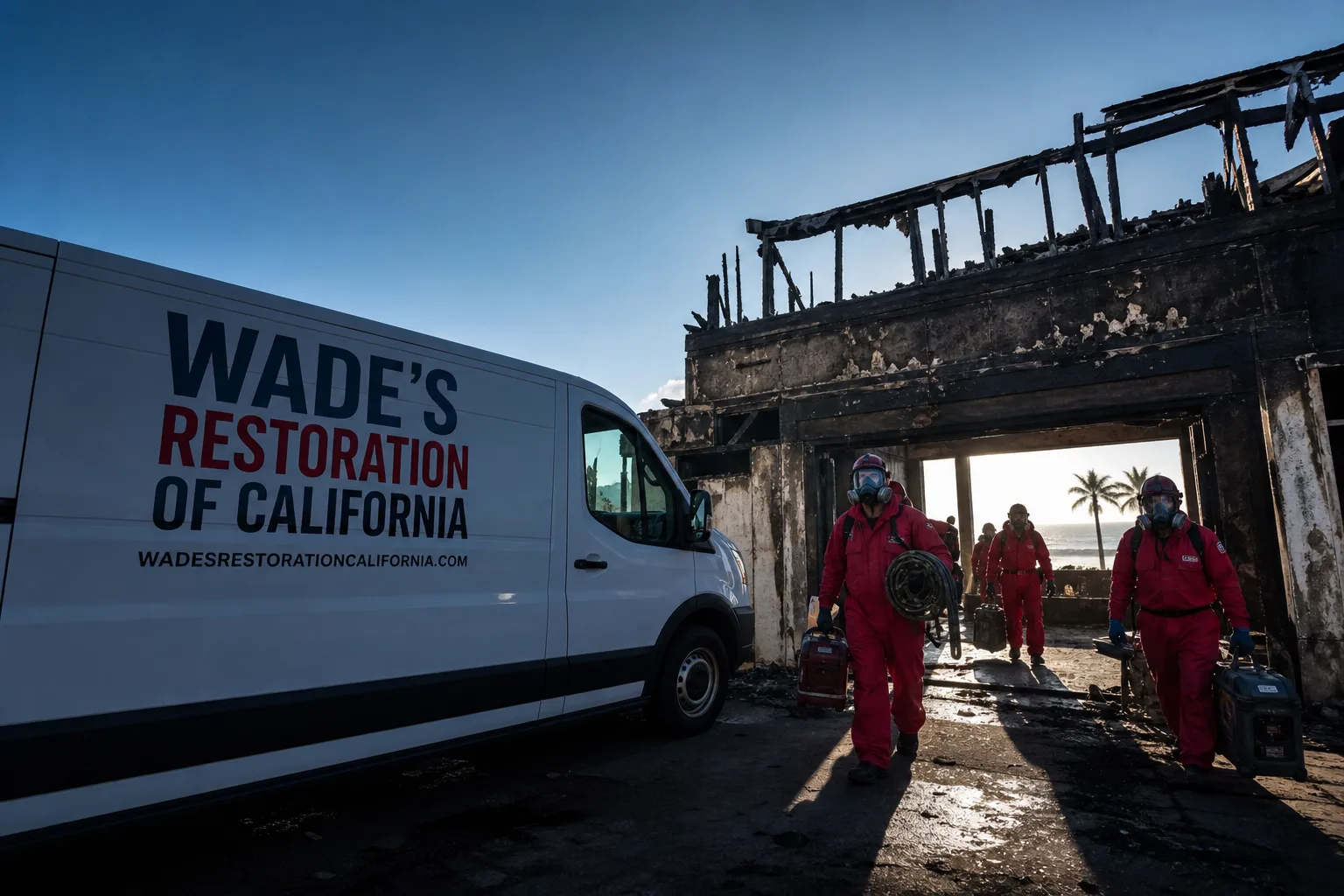
Fast, Reliable Water Damage Restoration Across Stanford
Water damage in Stanford moves fast, and so do we. Most water extraction jobs in the 94305 zip code run between $1,200 and $4,800 depending on how far the water traveled and what it soaked into. Wade Ferris answers his own phone at (855) 915-0646, and he can have a crew at your door on campus or in faculty housing within the hour. If you’re dealing with a burst pipe, a failed water heater, or a roof leak soaking into ceiling drywall, the first call you make should be to someone who knows how Stanford actually works.
Here’s the thing most restoration companies won’t tell you upfront: nearly every home in Stanford is owned by the university. That changes how access, approvals, and vendor paperwork work. We know because we’ve been navigating it for years. One call to Water Damage Restoration through Wade’s Restoration of California, and you’re dealing with a local owner who’s already pre-vetted with Stanford’s Facilities Management system. No runaround while water keeps spreading.
Why Wade’s Restoration of California Is Stanford’s Preferred Water Damage Restoration Company
Most national chains send a different crew every time and a call center that wouldn’t know Escondido Village from East Palo Alto. Wade’s Restoration is different by design. Since 2007, Wade Ferris has put his name, his published address, and his license number on every job. He lives in the Bay Area, he answers his own phone at midnight, and he shows up himself. Not a regional manager. Not a rotating technician. Wade.
Stanford customers call us because we already understand the university’s centralized vendor system. Getting water extraction started in faculty housing means coordinating with Stanford Facilities Management, not just a homeowner with a key. We’re already approved. That means the truck gets on campus, the drying equipment goes in, and the moisture log starts the same day. Our 90-Day Done Right Promise is in writing on every Stanford job. If it’s not done right, Wade comes back and makes it right. No fine print.
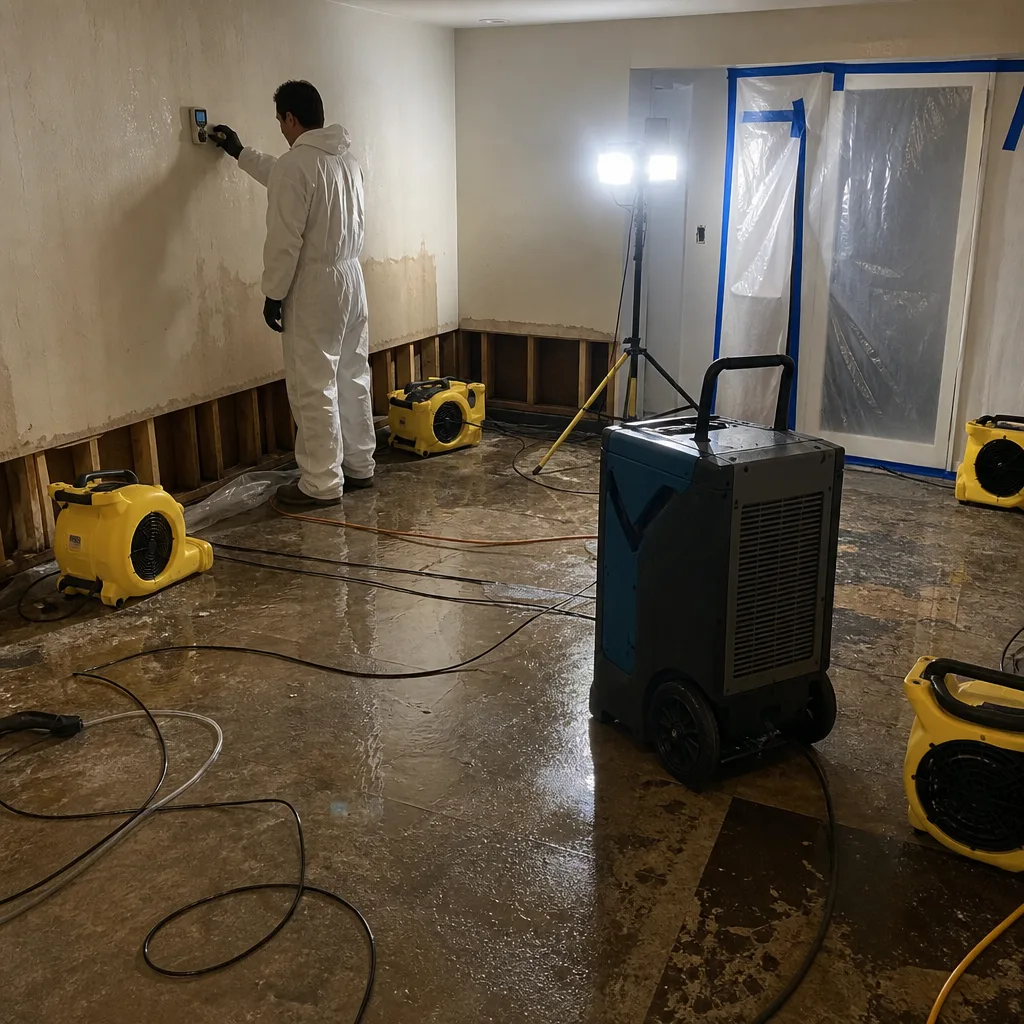
Response time matters when San Francisquito Creek overbanks or a supply line lets go in a 1950s faculty home. We’re typically on-scene in Stanford within 60 to 90 minutes of your call. Wade’s crew runs IICRC-certified drying protocols with Dri-Eaz and Phoenix equipment, and you get daily moisture readings handed to you at the end of the job. Almost nobody else in the trade does that. It’s not a gimmick. It’s how you know the walls are actually dry, not just surface-dry.
Ask anyone on Campus Drive or along Junipero Serra who’s dealt with water damage. The name that comes up is Wade. To wade is what you do through a flooded basement at two in the morning, and it happens to be his name. The pun writes itself, but the work behind it is serious.
Our Water Damage Restoration Services in Stanford
Emergency Water Extraction in Stanford
When a pipe bursts in a graduate apartment at Escondido Village or a water heater fails in a single-family faculty home near the Main Quad, standing water starts doing real damage within minutes. Emergency water extraction in Stanford typically runs $800 to $2,500 depending on square footage and water depth. We bring truck-mounted extraction units and portable Dri-Eaz extractors for tight access points. In Stanford’s older housing stock, getting water out of a crawlspace or a basement with unreinforced masonry walls takes equipment and patience, and we have both.
Structural Drying & Dehumidification in Stanford
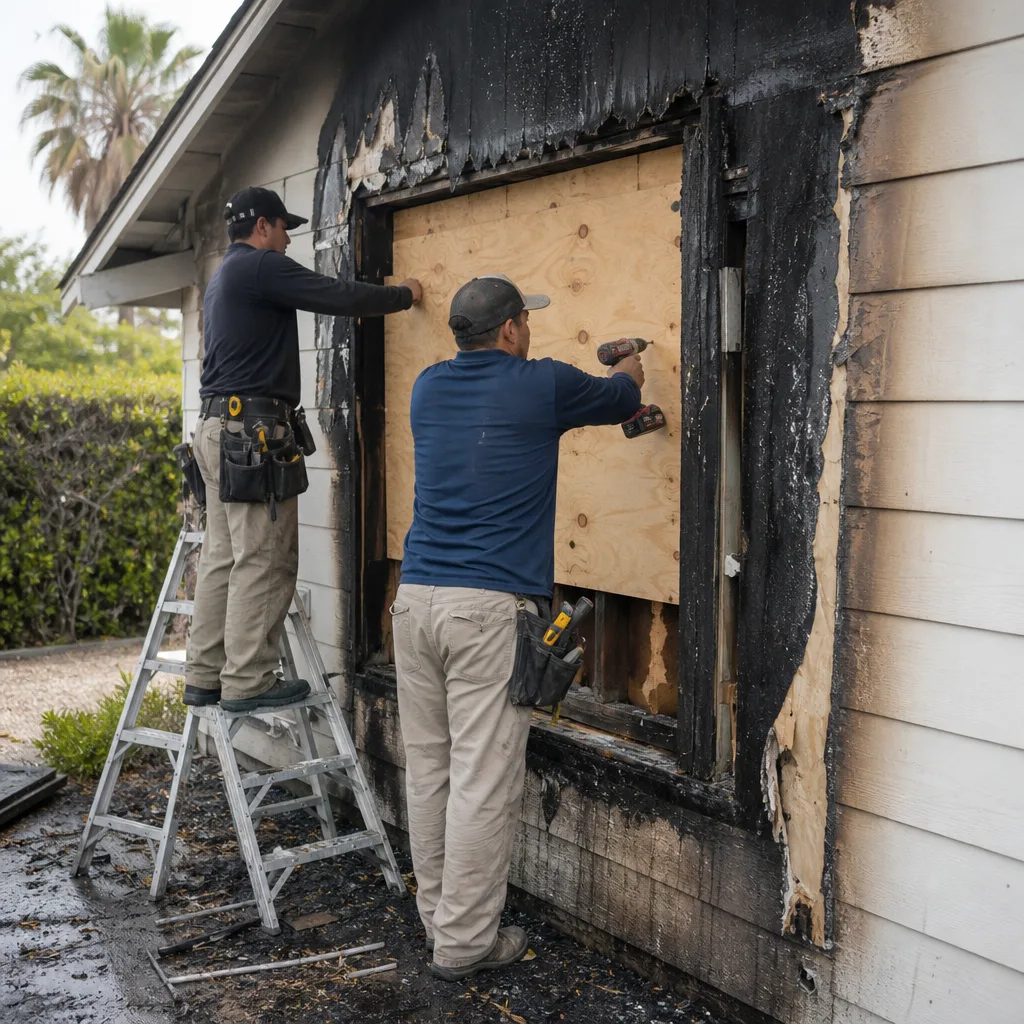
Extraction is only half the job. What’s inside your walls and under your floors is where mold starts. Postwar faculty homes from the 1940s through the 1960s were built with lath-and-plaster over wood framing, and that plaster traps moisture like a sponge. Structural drying in Stanford runs $1,000 to $3,800 depending on how many rooms are involved and whether we’re running Phoenix axial air movers, dehumidifiers, and Injectidry floor mat systems. Wade takes moisture readings every single day and hands you the full log when the job’s done. You shouldn’t have to trust anyone’s word that it’s dry. You should see the numbers.
Flood Cleanup in Stanford
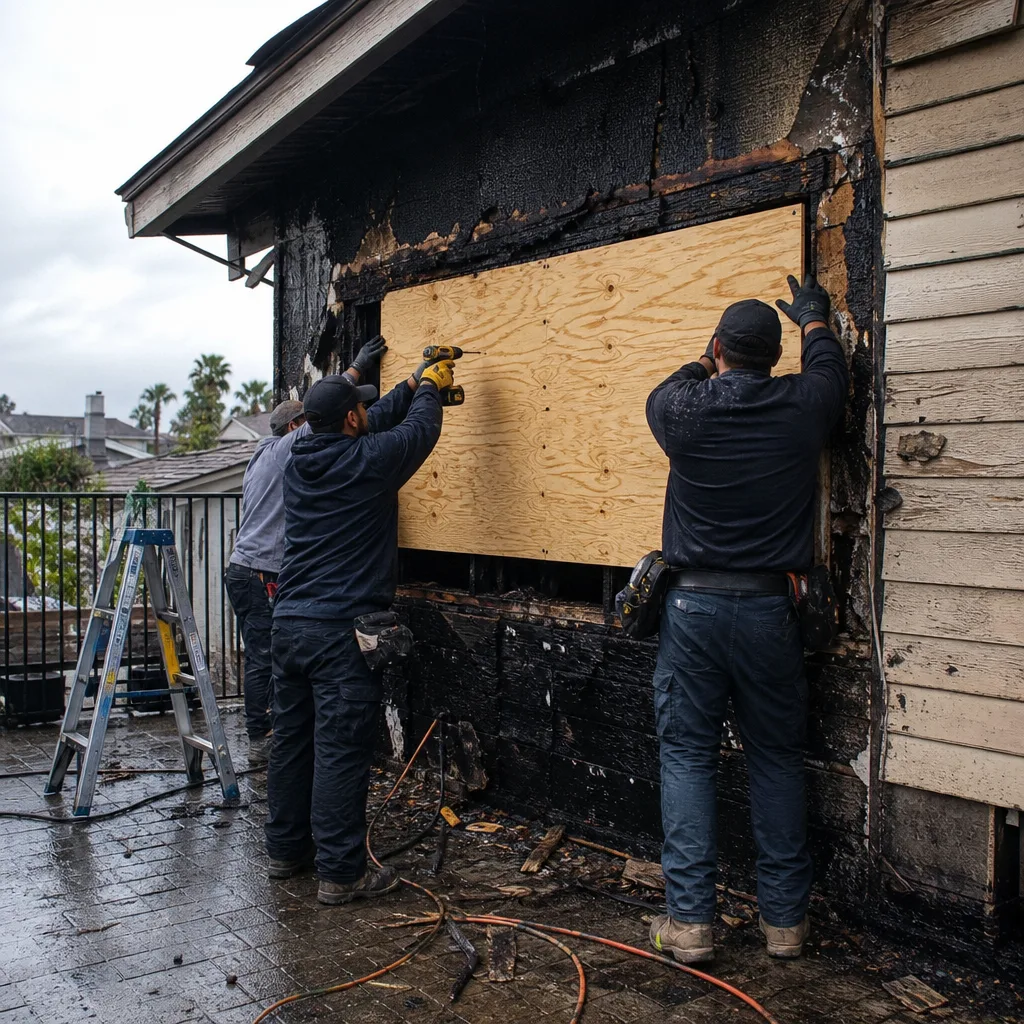
San Francisquito Creek runs along the edge of campus and has a documented history of overbank flooding during atmospheric river storms. Low-lying university structures take the hit first, and fast extraction is the difference between a cleanup and a reconstruction. Flood cleanup in Stanford runs $2,000 to $7,500 depending on contamination level, water depth, and how many rooms are affected. We handle the water, the muck, the debris, and the drying. Because we’re already approved through Stanford’s vendor system, we don’t lose a day waiting for access approval while floodwater sits.
Burst Pipe Restoration in Stanford
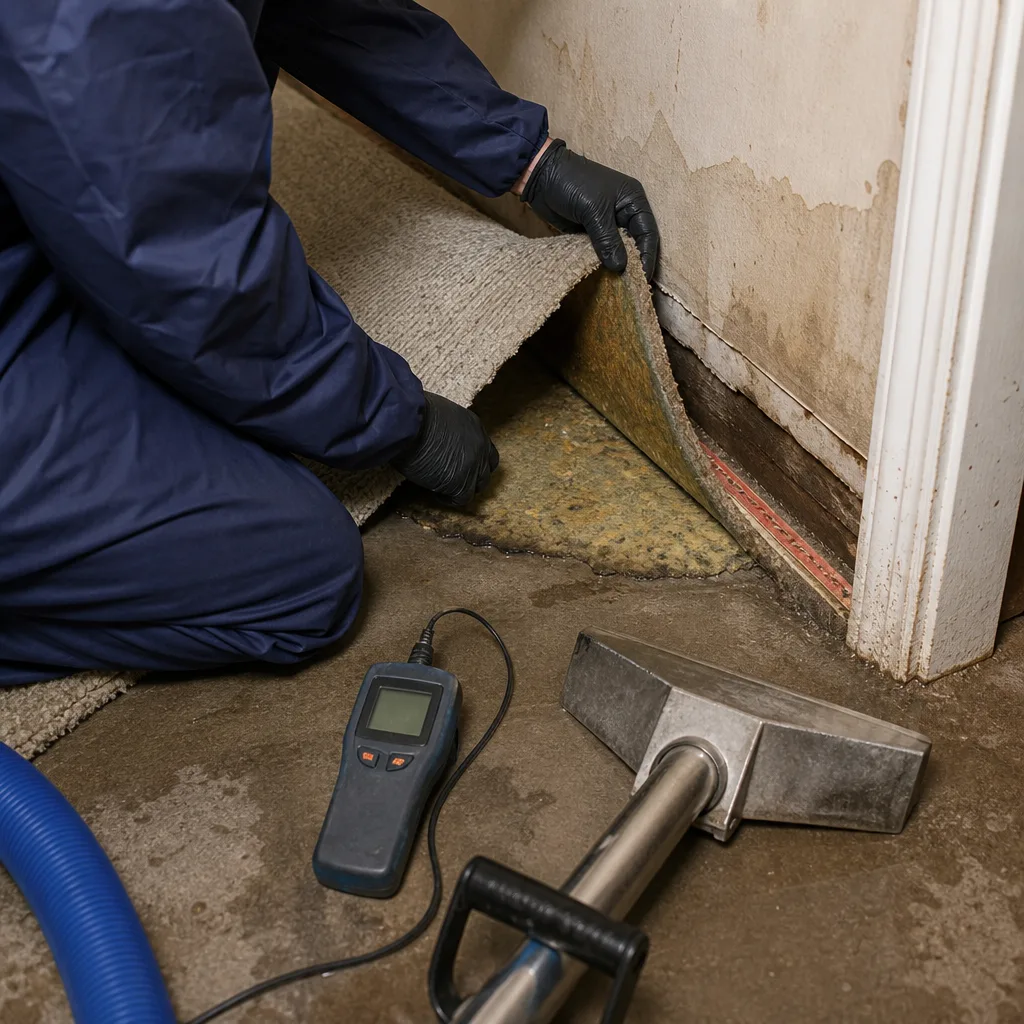
Stanford’s institutional housing runs on a deferred maintenance schedule, and that means pipes that were supposed to be replaced years ago are still in service. When a cast-iron or galvanized line fails inside a wall, the water damage is often worse than it looks because it’s been leaking slowly for weeks before the visible failure. Burst pipe restoration in Stanford runs $1,500 to $5,000 typically, including extraction, drying, drywall removal where needed, and coordinating with your adjuster. We photograph everything, document every step, and Wade talks to the insurance adjuster directly so you’re never the one stuck relaying information between two sides.
What happens when you call
- 1
A real person answersNo phone trees - you reach a local pro.
- 2
You get an upfront price rangeHonest numbers before anyone is dispatched.
- 3
A background-checked tech heads outLicensed & insured, dispatched right away.
- 4
You approve before work beginsNothing starts until you say go.
Trusted Brands We Service in Stanford
Wade’s Restoration is IICRC-certified, RIA-affiliated, and IFA-recognized, and we run Dri-Eaz and Phoenix equipment because we’ve seen what happens when restoration companies cut corners with rental-grade machines. In Stanford, where 1940s plaster walls and 1960s graduate housing both need precise drying instead of brute force, equipment quality shows up in the moisture log. We handle water damage in water heaters, supply lines, drain lines, roof leaks, appliance failures, storm intrusion, and sewer backups. If it involves water where it shouldn’t be, we deal with it. Free second opinion on any written estimate, no trip charge inside our own county, and a permanent Senior and Veteran 10% discount on every job.
Common Water Damage Restoration Problems We See in Stanford Homes
After years of work on Stanford properties, we’ve learned what to expect. Here’s what shows up most often:
- Deferred maintenance masking slow leaks. University-owned housing runs on institutional maintenance cycles, not homeowner vigilance. A slow supply line leak behind a kitchen cabinet in a 1950s faculty home can go unnoticed for weeks or months. By the time water shows up on the ceiling below, the framing is already saturated and mold has a foothold.
- Masonry walls hiding moisture from seismic damage. The 1989 Loma Prieta earthquake cracked unreinforced masonry in buildings across campus. Some of those cracks were patched cosmetically. Water gets in through the crack, wets the plaster from behind, and you see the stain weeks later. We’ve opened walls in Stanford and found seismic damage still wicking water decades after the quake.
- Access delays from vendor non-approval. A restoration company that isn’t pre-vetted through Stanford’s centralized Facilities Management system can’t even get approval to start. That stall can turn a $1,500 extraction into a $15,000 mold remediation. We’re already approved, so the crew gets moving while other companies are still filling out paperwork.
- Wildfire smoke and soot mixing with water intrusion. Stanford sits at the base of the Santa Cruz Mountains in a wildland-urban interface zone. During Diablo wind events, ember-cast smoke and soot push into buildings. If water damage happens at the same time, the soot contaminates the water and the drying process has to account for it. That’s a Stanford-specific problem most restoration companies in the Bay Area never see.
Pricing for Water Damage Restoration in Stanford, CA
Straight numbers, the way Wade does business. A typical emergency water extraction in Stanford runs $800 to $2,500. Structural drying and dehumidification adds $1,000 to $3,800 depending on rooms affected and equipment needed. A full flood cleanup runs $2,000 to $7,500 based on contamination level and square footage. Burst pipe restoration, including extraction and drying, runs $1,500 to $5,000. Ceiling and roof leak water damage typically runs $600 to $2,800 for localized drying and repair. Every job gets a written scope before work starts, so you know the number before we open a wall. Call (855) 915-0646 for a free estimate. No charge for a second opinion on any written estimate from another company.
We Also Serve Cities Near Stanford
Wade’s crew covers Stanford and the surrounding communities. We’re regularly in Palo Alto, Atherton, East Palo Alto, and Los Altos Hills for water extraction, structural drying, and flood cleanup. Same owner, same equipment, same 90-Day Done Right Promise. If you’re in a neighboring city with water damage, the number’s the same: (855) 915-0646.
Serving Stanford, CA - Our Local Coverage Area
We’re based in the Stanford area and know this community well. Use the map below to see our service coverage - if you’re nearby, we can almost certainly help.
FAQs - Water Damage Restoration in Stanford
Access to Stanford University-owned housing requires coordination through the university’s centralized Facilities Management and approved-vendor system. We’re already pre-vetted through that system, which means we can request access and begin extraction without the multi-day delay that hits companies not on Stanford’s approved list. Wade handles the access request directly with Facilities Management, and you stay informed without being stuck as the go-between.
Escondido Village and similar graduate housing at Stanford were built for function, not for easy access. Tight hallways, shared walls, and original plaster construction mean drying equipment has to be placed carefully and moisture migration into adjacent units has to be monitored. We run drying protocols designed for multi-unit institutional housing, with moisture readings taken in the affected unit and the one next door. Call (855) 915-0646 if you’re dealing with water in Stanford graduate housing, and Wade will walk you through what’s involved.
The Main Quad’s sandstone Romanesque Revival buildings date to the 1890s, and restoration work there is governed by landmark-preservation restrictions that limit what can be removed or altered. We coordinate with the university’s preservation office before touching anything structural, and our drying approach for historic masonry is non-invasive first: low-pressure extraction, controlled dehumidification, and documentation of every step. We don’t remove original material unless there’s no alternative, and we document the why in writing.
When wildfire smoke and soot from Diablo wind events settle into a building during the dry season, they leave a film that contaminates any later water intrusion. Water that would be clean becomes gray or worse, and the drying process has to account for particulate contamination in the air and on surfaces. That changes the equipment setup, the scope of drying, and sometimes the insurance claim. We’ve handled smoke-and-water combinations in Stanford enough times that we know how to document it for your adjuster the first time.
Past seismic damage affects current water restoration because unreinforced masonry walls and shifted framing from the 1989 Loma Prieta earthquake create hidden paths for water to travel inside walls and floors. A leak that looks like a simple ceiling stain may actually be water following a crack that runs three rooms away. Our structural drying approach in Stanford includes checking for concealed voids and masonry fractures, because drying the visible stain while missing the hidden path just means the mold comes back. Call (855) 915-0646 for an exact quote, and we’ll inspect for seismic water paths while we’re there.
Call Wade’s Restoration for Water Damage in Stanford
Water spreads while you wait. If you’re in Stanford and you’ve got water where it shouldn’t be, call Wade Ferris directly at (855) 915-0646. He answers his own phone, he asks the right questions, and he heads out. You get a written scope before work starts, daily moisture readings, direct adjuster coordination, and a 90-Day Done Right Promise in writing. No voicemail. No call center. Just the owner who’s been doing this since 2007 and will see you at the hardware store next Saturday.
Written by Wade Ferris, Owner at Wade’s Restoration of California, serving Stanford and the Bay Area since 2007.