
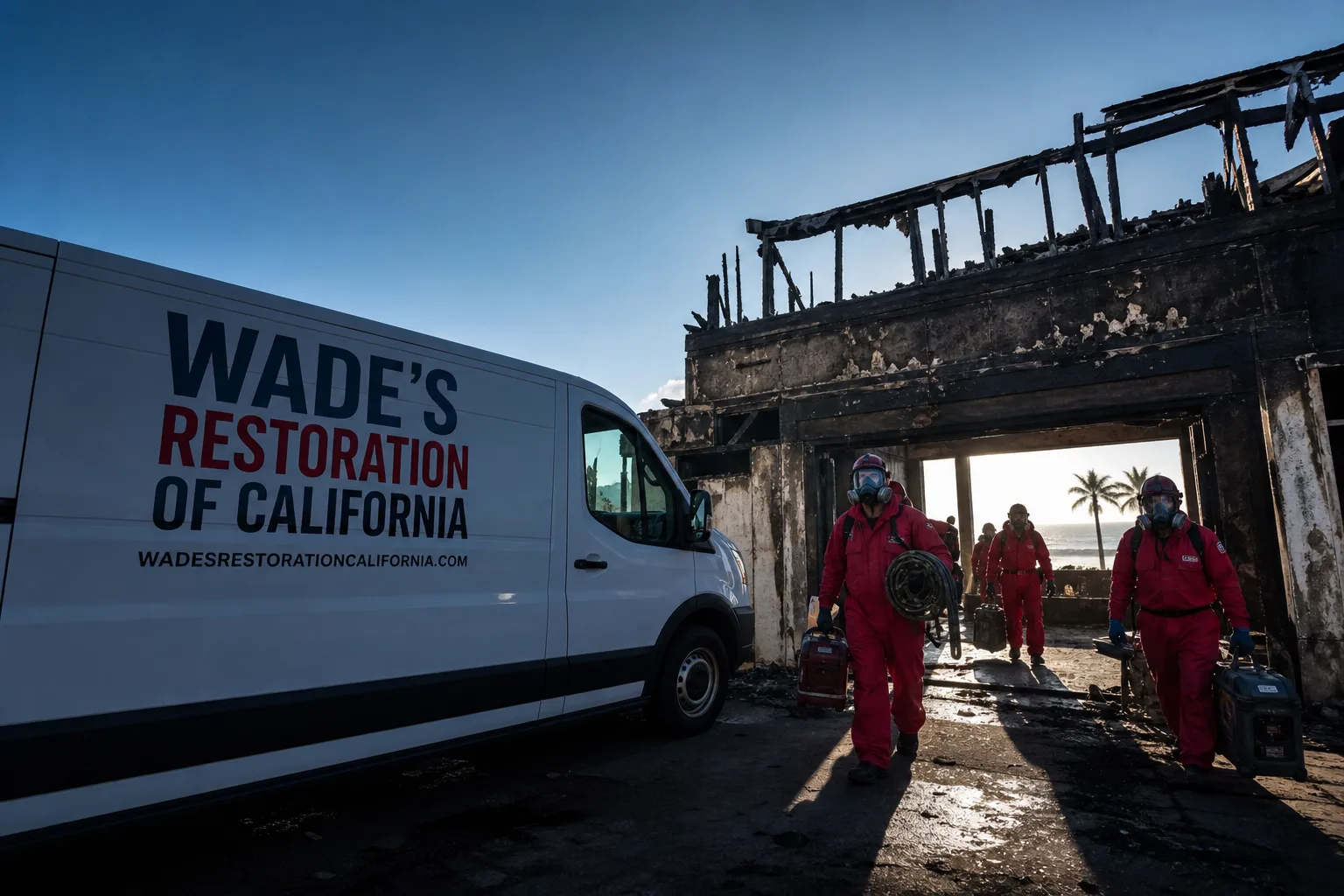
Fast, Reliable Water Damage Restoration Across Saint Helena
Water damage in Saint Helena rarely waits for a convenient moment. A supply line lets go at 2 a.m. above a 19th-century Victorian, storm runoff finds its way into a detached workshop off Silverado Trail, or a roof leak soaks through original plaster during a Pine Street downpour. That’s when you need someone who knows the roads, the housing stock, and the weird specific problems this town throws at you. Wade Ferris has been answering his own phone around the clock since 2007. Call (855) 915-0646 and you’ll reach Wade or one of his crew, not a call center. We get extraction equipment running inside the hour for Saint Helena emergencies.
We know the difference between drying a Craftsman on Hunt Avenue and a wine cave tunneled into the hillside above Lodi Lane. The approach is never the same, and that local knowledge is why homeowners here trust us over the national outfits.
Why Wade’s Restoration of California Is Saint Helena’s Preferred Water Damage Restoration Company
Wade Ferris started this company because he got tired of watching restoration contractors overpromise on the phone and underdeliver at the door. In Saint Helena, that reputation matters more than anywhere. People here run into each other at the post office on Main Street, at the hardware store, at the farmers market. If Wade’s crew does right by your neighbor on Spring Street, you’re going to hear about it. And if we don’t, you’re going to hear about that too. That accountability is built into how we work.
Every water damage job we take in Saint Helena gets the same treatment whether it’s a small ceiling leak in a 1920s bungalow or a flooded barrel room behind a private residence. Wade takes moisture readings every single day and hands you the full log at the end of the job. Most restoration companies don’t do that. Wade does it because documentation is the only way you actually know your walls are dry, not just “dry enough.”
And here’s the thing about insurance. When your wine country home floods, the last thing you want is to play telephone between your adjuster and the restoration crew. Wade talks to the adjuster directly. You don’t translate, you don’t relay, you don’t get stuck in the middle. That’s how it should work.
Our response time to Saint Helena is fast because we dispatch from our Bay Area office with crews stationed to serve the Napa Valley directly. A live person answers 24/7, and for emergencies, extraction starts inside the hour. Not a sales pitch. A promise.
Our Water Damage Restoration Services in Saint Helena
Emergency Water Extraction
When water is actively flowing, speed is the only thing that matters. Every hour counts before water wicks into baseboards, underflooring, and behind plaster walls. In Saint Helena’s older Victorians and Craftsman homes, original wood flooring and plaster are unforgiving once saturated. Our crew arrives with truck-mounted extraction and portable units to pull standing water fast, then sets up containment to stop moisture from migrating into dry rooms. We’ve pulled flooded basements, kitchens, and laundry rooms all over the 94574 area.
A typical emergency water extraction in Saint Helena runs $600-$1,400 depending on square footage and how long the water has been sitting. If we get there within the first couple hours, we can usually save flooring and drywall. If it’s been soaking overnight, sometimes not. Call immediately: (855) 915-0646.
Structural Drying & Dehumidification
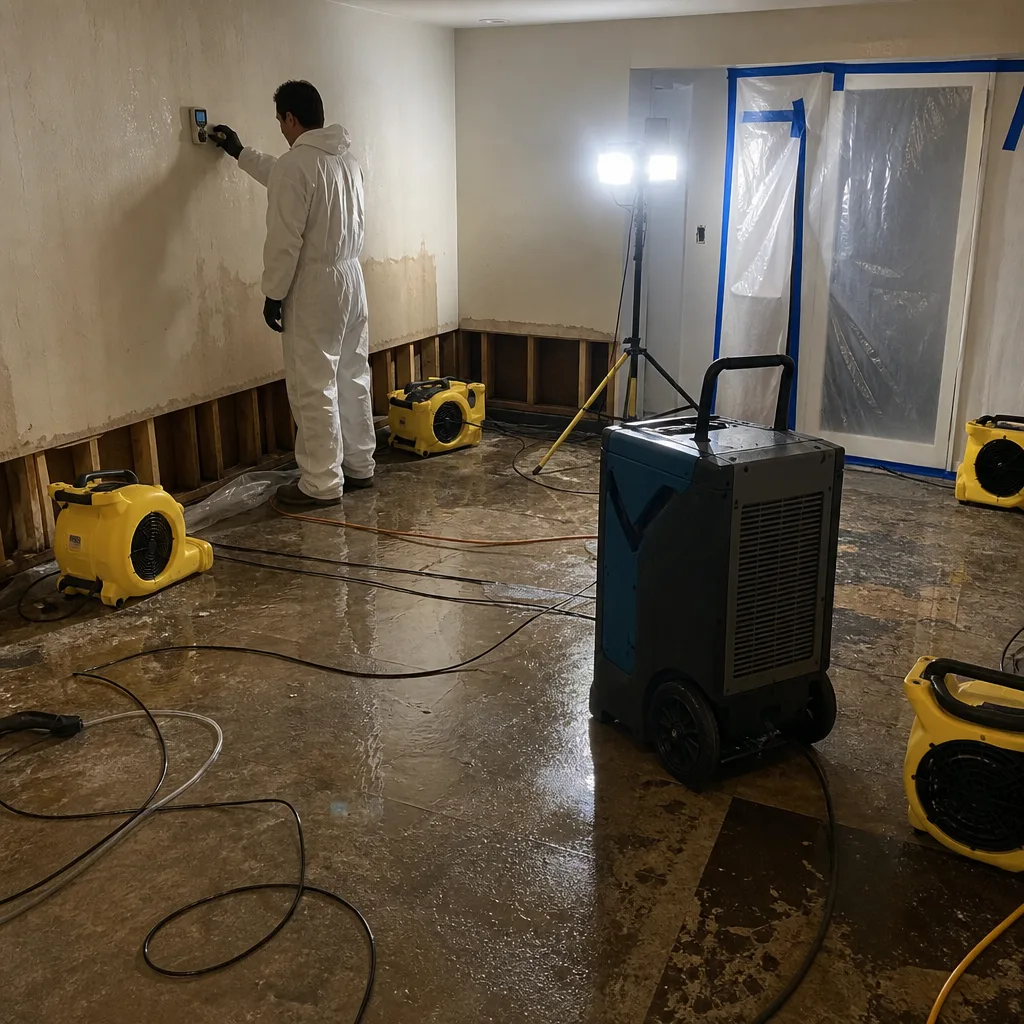
Extraction is step one. Drying is where the real work happens, and it’s where amateur crews fail most often in Saint Helena. Older homes here have old-growth redwood framing that absorbs water slowly and releases it slowly. Rushing the dry down with too much heat causes rapid shrinkage, cracked plaster, and popped joints. We use Phoenix LGR dehumidifiers, Dri-Eaz air movers, and daily moisture readings to dry your structure at the right pace for its materials. Your walls, floors, and framing get documented down to the board before we call the job done.
Structural drying in Saint Helena generally runs $1,200-$3,600 for a standard room or basement, more for multi-room floods or below-grade spaces. This includes equipment, monitoring, and the full moisture log we hand you at the end.
Flood Cleanup
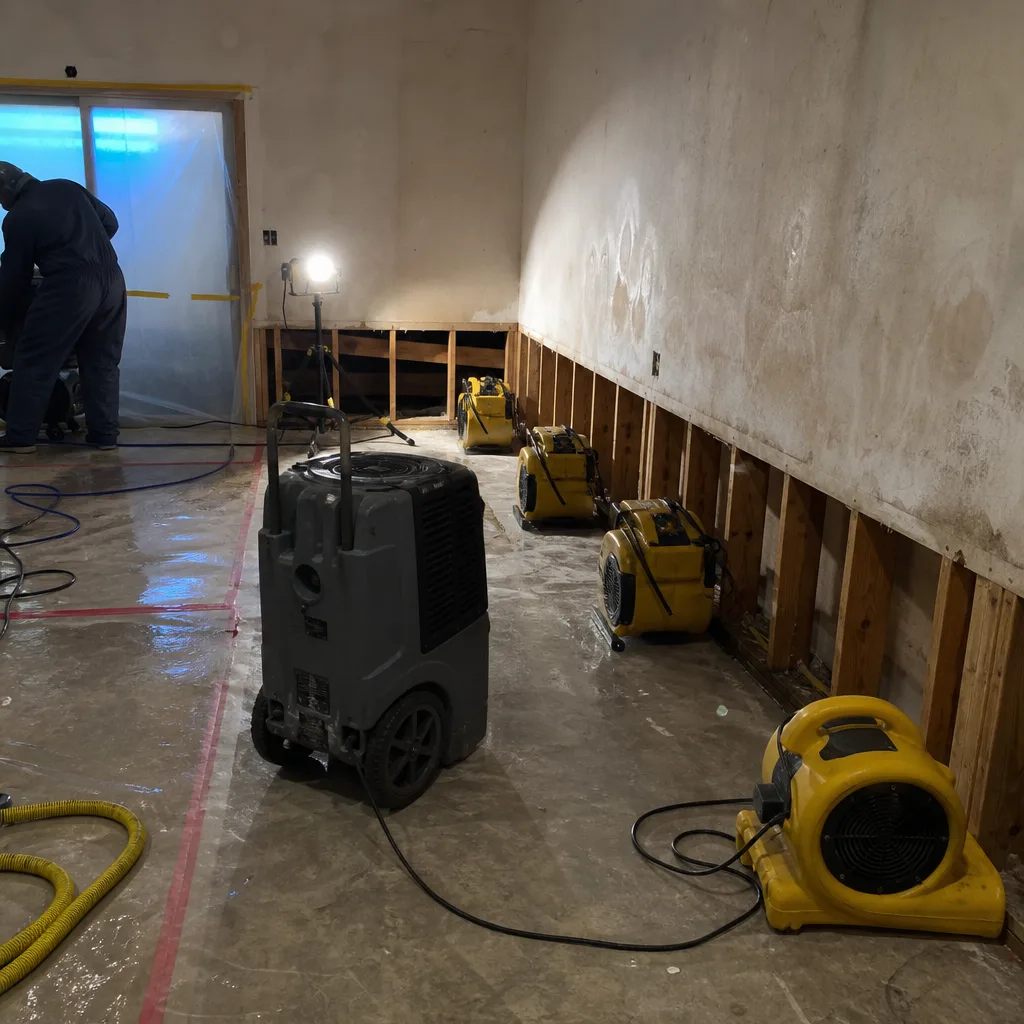
Winter rain hits Saint Helena hard in short, intense bursts. The Mayacamas to the west and Vaca Mountains to the east channel runoff straight into low-lying properties, and plenty of older homes on the valley floor weren’t built with modern drainage in mind. Flood cleanup means water extraction, debris removal, sanitizing, and structural drying. But in Saint Helena, it often also means dealing with silt and mud that carries whatever the hillsides shed during storm events. We handle the dirty work so you don’t have to.
Flood cleanup in Saint Helena typically runs $1,800-$5,500 for a basement or ground-floor flood, with larger acreage properties running higher because of the extra square footage. We document everything for your insurance claim, with photos at every step.
Burst Pipe Restoration
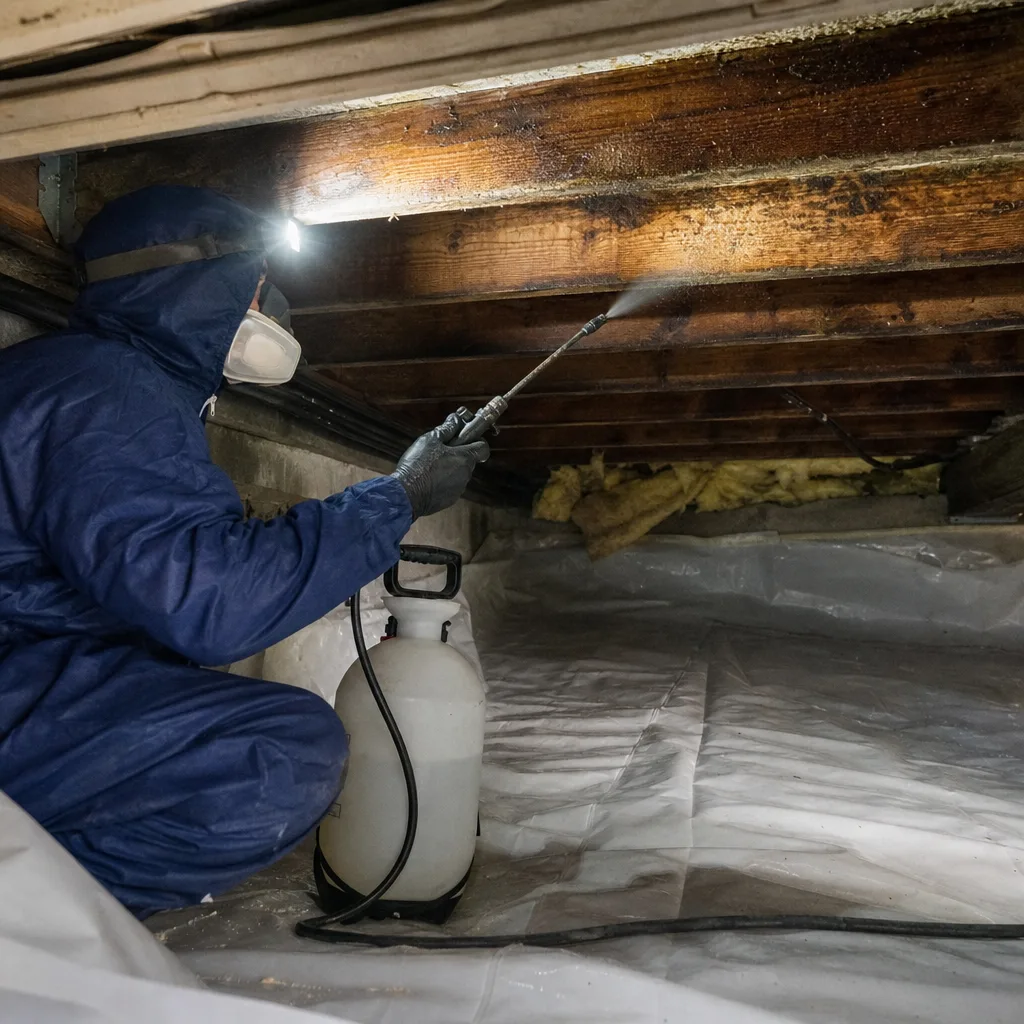
Frozen pipes aren’t the big story here the way they are in the Sierras, but aging galvanized plumbing in Saint Helena’s pre-war homes lets go with no warning. A burst supply line behind a wall in a 1900s Craftsman on Oak Avenue can run for hours before anyone notices. We trace the water path, remove saturated drywall and insulation, dry the framing, and get your home ready for repairs. If your insurance adjuster needs photos or moisture data, we’ve got it all logged.
Burst pipe water damage restoration in Saint Helena typically costs $1,000-$4,000 depending on how far the water traveled. The sooner you catch it, the less it costs. If you hear hissing in a wall or see a water stain growing, call before it becomes a flood.
What happens when you call
- 1
A real person answersNo phone trees - you reach a local pro.
- 2
You get an upfront price rangeHonest numbers before anyone is dispatched.
- 3
A background-checked tech heads outLicensed & insured, dispatched right away.
- 4
You approve before work beginsNothing starts until you say go.
Common Water Damage Restoration Problems We See in Saint Helena Homes
- Victorian plaster walls that crack again after drying. Turn-of-the-century homes in Saint Helena have original plaster over wood lath. If you dry too fast, the plaster cracks and the homeowner calls us back six months later. We dry slowly and deliberately for these homes, and that takes longer but it lasts.
- Wine cave moisture that standard equipment can’t handle. A cave at 58°F and near 100% humidity is not a basement. Trailer-mounted dehumidifiers stall in that environment. We build custom drying setups with LGR units and airflow engineered for the space. This is the one problem unique to Saint Helena among Napa Valley cities.
- Smoke and ash residue trapped in wall cavities after a leak. Even a simple burst pipe or roof leak in a home that sat through the 2020 Glass Fire smoke can have ash and soot inside wall cavities. If you extract water but leave that residue, the odor lingers and the acidic ash corrodes pipes over time. We check for it on every water job in the burn-adjacent hillsides.
- Detached shops and workshops on rural acreage properties. Saint Helena has plenty of properties with detached buildings that aren’t heated or conditioned like the main house. When those flood, they need heavy-duty drying equipment and a longer timeline. Standard residential air movers won’t get it done in a 2,000-square-foot uninsulated workshop.
Pricing for Water Damage Restoration in Saint Helena, CA
Here’s what you can expect to pay in Saint Helena, without the games. Emergency water extraction starts around $600 for a single room. Structural drying for a standard basement or living area runs $1,200-$3,600. Full flood cleanup with sanitation lands between $1,800 and $5,500. A burst pipe restoration ranges from $1,000-$4,000, and a wine cave or below-grade structure can run higher because of the custom drying engineering involved. These are real ranges, not phone estimates.
What changes the number? Square footage, how long the water sat, whether flooring needs removal, and whether we’re dealing with plaster walls or drywall. Saint Helena’s older homes take longer to dry properly, and proper drying is what keeps the job from coming back. We never charge a trip fee inside our own county, and we offer a free second opinion on any written estimate you’ve received from another company. Call (855) 915-0646 and Wade will talk you through the scope before anyone steps foot inside your home.
We Also Serve Cities Near Saint Helena
While this page is focused on Saint Helena, our Water Damage Restoration team regularly works in neighboring communities across the Napa Valley. Homeowners in Calistoga, Boyes Hot Springs, Santa Rosa, and Napa call us for the same reason you do: an owner who answers his own phone and a crew that shows up with the right equipment. If you’re just outside Saint Helena, we’re already on the road with trucks headed your way.
Serving Saint Helena, CA - Our Local Coverage Area
We’re based in the Saint Helena area and know this community well. Use the map below to see our service coverage - if you’re nearby, we can almost certainly help.
FAQs - Water Damage Restoration in Saint Helena
In a Saint Helena wine cave, mold colonization typically begins within 48 to 72 hours because the cave environment stays at roughly 58°F with humidity near 100% all year. That’s not a worst-case scenario; it’s the standard condition. Water intrusion in a cave means the introduction of liquid water into a space that’s already saturated with moisture in the air. You cannot wait a few days to address it. Call us the moment you notice water in a cave, barrel room, or below-grade storage space. Every hour matters.
They crack again because the restoration crew dried the structure too fast. Original plaster in Saint Helena’s late-1800s and early-1900s Victorians is rigid and brittle. When saturated wood framing behind it dries too quickly, it shrinks, and the plaster can’t flex. The result is new cracks, sometimes worse than the original water damage. Our crews use controlled drying with daily moisture readings, which means slower drying but a stable, lasting result. If a previous contractor dried your home and the plaster cracked again, call us at (855) 915-0646 for a free second opinion.
Yes, absolutely. Saint Helena properties that sat through the 2020 Glass Fire or other nearby wildfire smoke events often have fine ash and soot inside wall cavities, behind trim, and in insulation. If you have a pipe leak or roof leak in one of those homes, the water mobilizes that residue and carries it further into the structure. Left unaddressed, that ash is acidic and can corrode pipes and create stubborn odors. On every water job in Saint Helena’s hillside and burn-adjacent neighborhoods, we check for smoke residue even if the water damage is the primary problem.
Usually not. A detached workshop, garage, or barn on a rural Saint Helena acreage property is often uninsulated, unsealed, and much larger than a typical bedroom. Standard residential drying equipment designed for a 12×14 room doesn’t have the output to dry a 1,500-square-foot outbuilding with high ceilings and open framing. We bring industrial equipment from Phoenix and Dri-Eaz, stage multiple units, and monitor moisture until the entire structure hits dry standard. It takes longer and costs more than drying a bedroom, but doing it halfway means mold in the framing six months later.
Everything about the environment is different. A residential basement in Saint Helena might sit at 60-65°F with 50-60% humidity. A wine cave sits at 58°F with humidity that hovers near 100% naturally. Standard trailer-mounted dehumidifiers are designed for warmer, drier air and they stall in a cave’s cold, saturated environment. Drying one of these spaces requires custom engineering: LGR dehumidifiers rated for low-temperature operation, strategic airflow to move moisture out of shotcrete and volcanic rock walls, and patience. We’ve dried out wine caves and barrel rooms across the hillsides around Silverado Trail and Lodi Lane, and each one gets its own drying plan, not a template. If you have water in a cave, call (855) 915-0646 and ask for Wade. He’ll talk you through what you’re looking at before we ever show up.
The Saint Helena Wine Cave Difference
Saint Helena is the only Napa Valley city where water damage restoration routinely intersects with subterranean wine caves. Dozens of these below-grade structures, tunneled into the volcanic hillsides on both sides of town, hold near-100% humidity and 58°F year-round. Any water intrusion inside one of these spaces creates conditions where mold colonizes within days, not weeks. Standard trailer-mounted drying equipment is essentially useless underground here. Restorers have to engineer custom dehumidification setups for each cave job, sizing LGR units for low-temperature operation and positioning air movers for airflow through tunnels that can run hundreds of feet. If a restoration company treats your wine cave like a standard basement, they will fail. We’ve built dedicated protocols for these spaces because we’ve seen what happens when someone doesn’t.
On a rural acreage property off Silverado Trail, we responded to a burst supply line that flooded a detached wine cave and the adjacent barrel room. Our crew used a Phoenix LGR dehumidifier paired with an Injectidry panel system to pull moisture from the shotcrete walls and oak barrel racks, while XPOWER air movers ran continuous airflow through the tunnel. Because the cave stayed at 58°F and near-saturated humidity, we ran the drying setup for six days and monitored with IICRC-standard moisture meters until the barrel room dropped below 4% wood moisture content. The homeowner got his cave back without losing a single barrel. That’s the standard we hold for every cave job in Saint Helena.
Written by Wade Ferris, Owner at Wade’s Restoration of California, serving Saint Helena since 2007.