
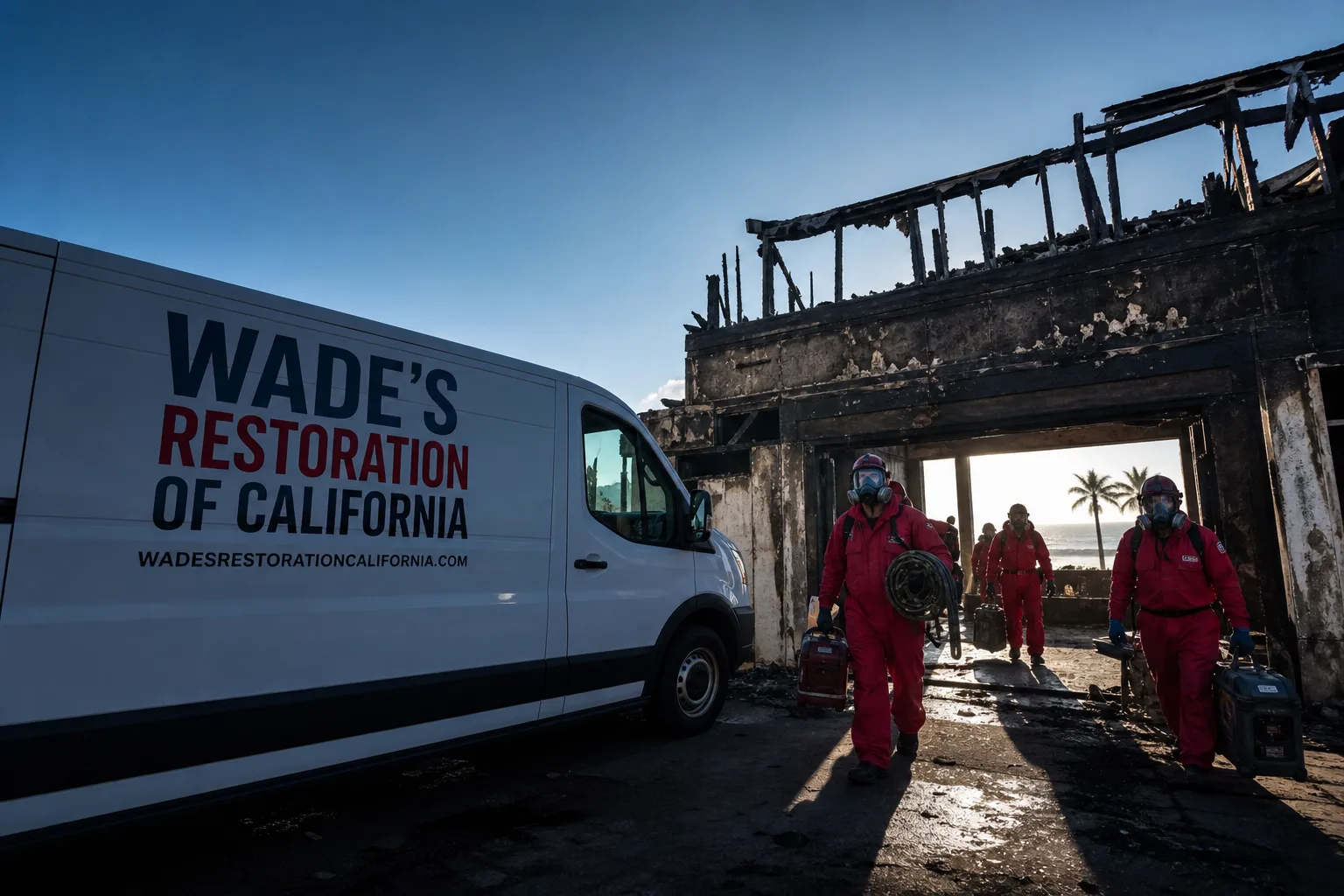
Fast, Reliable Water Damage Restoration Across Interlaken
Water damage in Interlaken homes rarely announces itself politely. It comes up through the slab after a Pajaro River surge, or it sits hidden behind 1960s drywall while the marine layer keeps everything damp for a week. We get calls at 2 a.m. from homeowners standing in their living room, watching water wick up through the concrete. Wade Ferris answers those calls himself. He’s been doing this since 2007, and his crews know Interlaken’s flood patterns the way a neighbor knows which streets pond first after a hard rain. Call (855) 915-0646 and you’ll reach a live person who can have extraction running inside the hour.
Why the Flat Pajaro Valley Changes Everything About Water Damage in Interlaken
Interlaken sits in the 95019, on the flat, low-lying Pajaro Valley floor directly adjacent to the Pajaro River flood corridor. That’s the same system whose levee breached in March 2023 and inundated neighboring Pajaro. The threat profile here is fundamentally different from the hillside erosion and roof-storm damage that dominate restoration work in the rest of Santa Cruz County. In Interlaken, water doesn’t run off. It sits. It soaks into clay-heavy soils. And when the water table rises during winter atmospheric river events, hydrostatic pressure pushes moisture up through slab-on-grade foundations from below, not just in through walls. Standard perimeter extraction misses that hidden under-slab moisture entirely. And within 48 hours, the mold starts.
That’s why moisture mapping here starts under the structure, not along the drywall. Wade’s team knows to check the slab first. Few companies do.
Our Water Damage Restoration Services in Interlaken
Emergency Water Extraction
When the Pajaro River rises or a burst supply line floods a 1950s rancher off Main Street, the first hour matters most. Our crews arrive with truck-mounted extraction units and high-volume pumps that pull standing water out fast. But in Interlaken, extraction alone is never the whole job. The valley’s shallow water table means water keeps seeping back up through the slab even after the surface looks dry. We extract, then immediately start subsurface moisture mapping. That’s the step national franchises skip. That skipped step is why Interlaken homeowners get mold six weeks later and can’t figure out why.
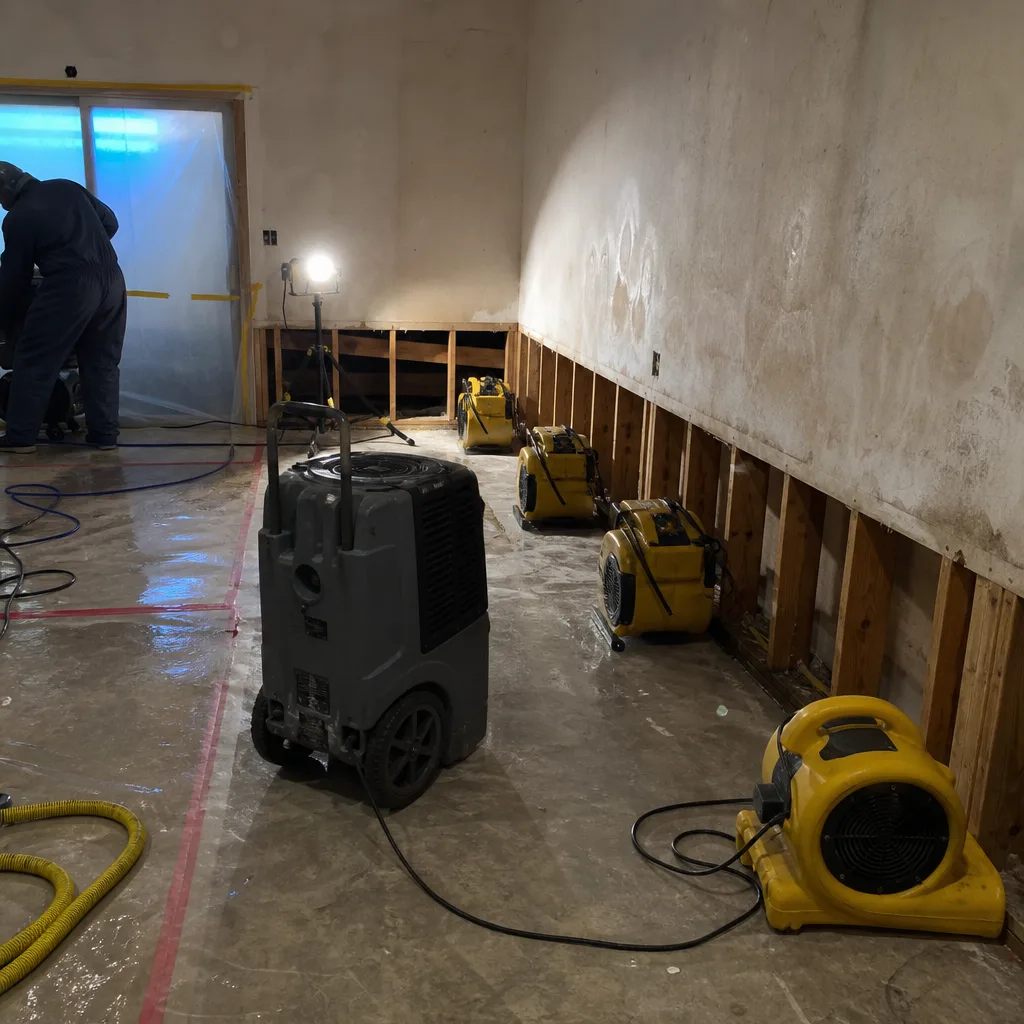
Structural Drying & Dehumidification
The persistent marine layer off Monterey Bay keeps ambient relative humidity above 70% for days after any storm. Air movers alone will not dry saturated 1960s drywall in under a week here. We run Dri-Eaz dehumidifiers paired with Injectidry drying panels placed under cabinets and behind baseboards, not just pointed at the middle of the room. Our timelies stretch longer than inland jobs. A slab that would dry in three days in Gilroy takes six or seven in Interlaken. We don’t rush it. Rushing it means hidden mold in the crawlspace and warped floor joists a season later.
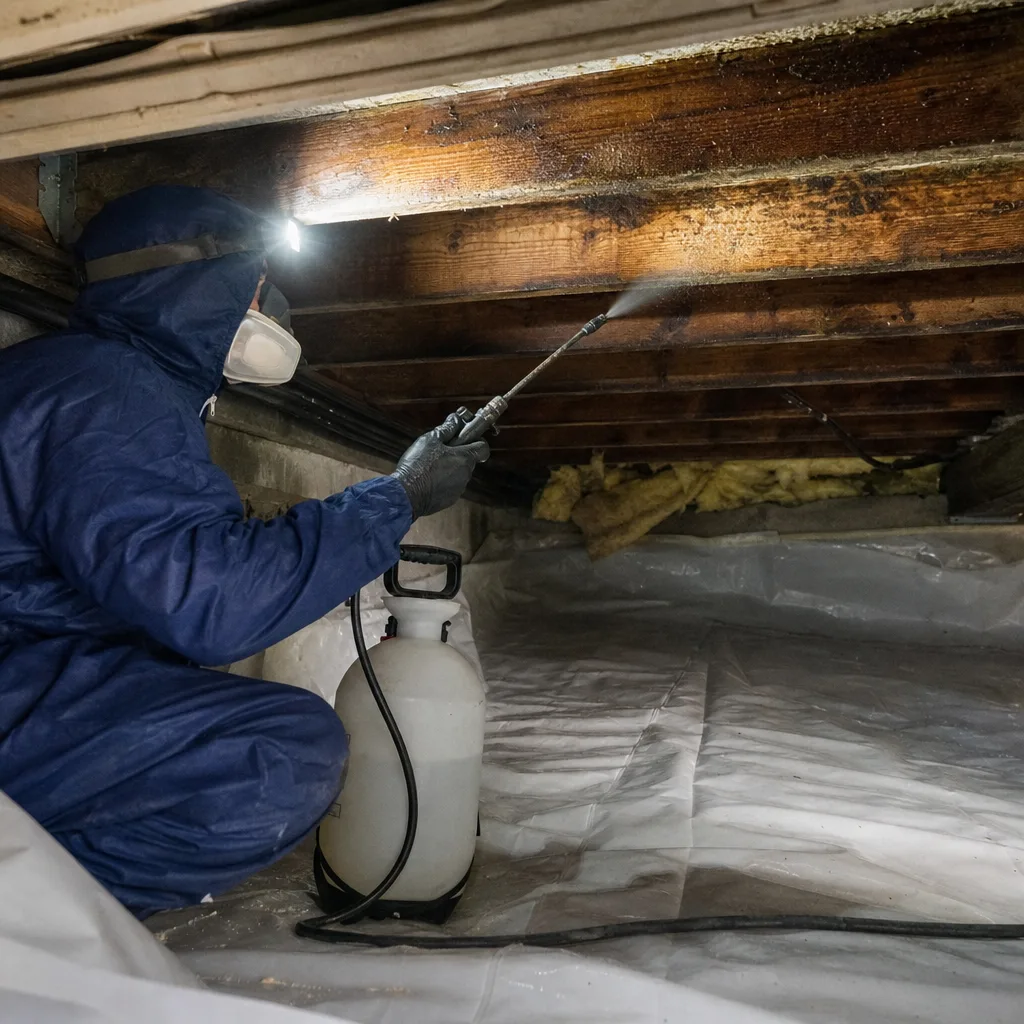
Flood Cleanup
River-surge flooding brings in more than water. It carries silt, agricultural runoff, and sewage from overwhelmed laterals. Flood cleanup in Interlaken means sanitizing every surface the water touched, removing saturated drywall and insulation, and treating the subfloor where Pajaro Valley clay holds contaminants against the concrete. We document everything with photos and moisture readings. If you’re filing an insurance claim, Wade deals with the adjuster directly so you’re not stuck relaying messages between two sides.
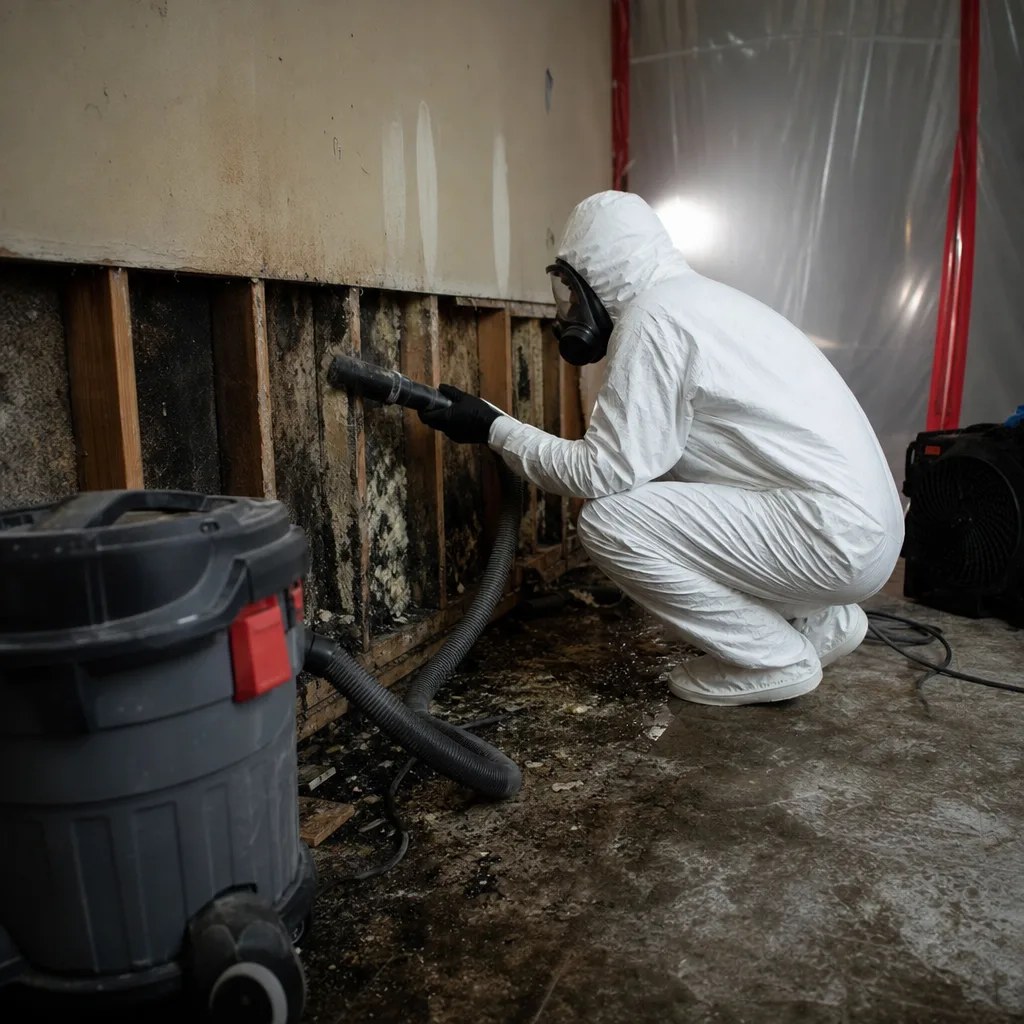
Burst Pipe Restoration
Interlaken’s housing stock from the 1950s through 1970s still has a lot of original galvanized plumbing in the ground and inside slab foundations. When those pipes let go, they flood the interior from below. Burst pipe restoration here isn’t just about drying the living room. It’s about cutting access to the slab, chasing the water path through the concrete’s capillary channels, and drying underneath before flooring and framing absorb it. Wade walks you through exactly what he found and writes it down. You get the moisture log. Nobody else does that.
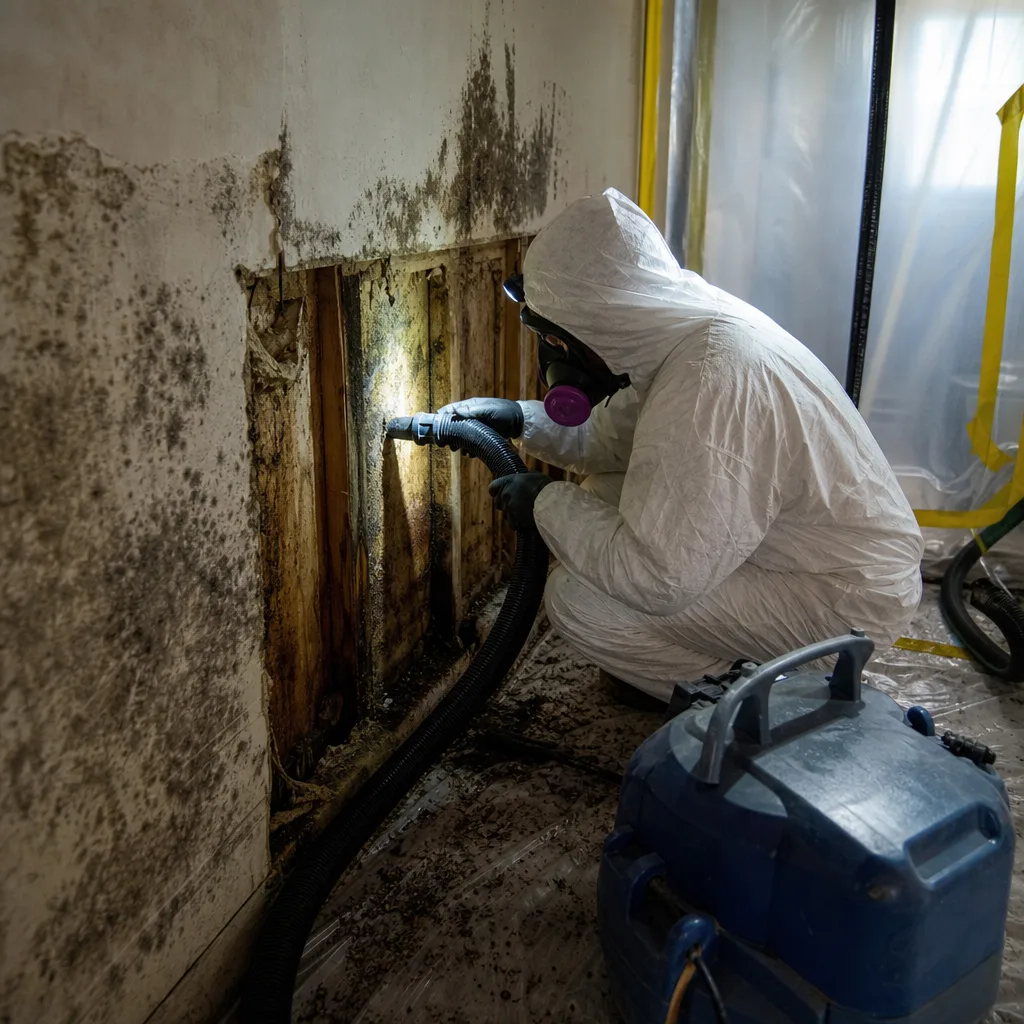
What happens when you call
- 1
A real person answersNo phone trees - you reach a local pro.
- 2
You get an upfront price rangeHonest numbers before anyone is dispatched.
- 3
A background-checked tech heads outLicensed & insured, dispatched right away.
- 4
You approve before work beginsNothing starts until you say go.
Trusted Brands We Service in Interlaken
We stock parts and drying equipment calibrated for the specific conditions in Interlaken’s 95019 homes. That means Injectidry panels sized for slab-on-grade ranchers, Dri-Eaz dehumidifiers rated for high-humidity marine-layer environments, and XPOWER air movers positioned for the long dry cycles the valley demands. As an IICRC-certified and RIA-affiliated restoration company, we don’t substitute equipment to save time. If your Interlaken home needs structural drying, we bring what the job actually requires. Fast turnaround on equipment placement, because every wet hour in this climate makes the mold risk worse.
Common Water Damage Restoration Problems We See in Interlaken Homes
- Under-slab moisture that perimeter extraction misses. Hydrostatic pressure from the valley’s shallow water table pushes water up through slab floors from below. If moisture mapping doesn’t start under the structure, hidden vapor migrates into flooring and walls within 48 hours. That hidden moisture is what fuels the black mold homeowners find behind baseboards weeks after a flood.
- Persistent high humidity slowing every dry cycle. The marine layer keeps relative humidity above 70% for days after a storm. In a 1960s home with original drywall and untreated wood subframing, air movers alone fail to reach dry in under a week. We plan for that and run dehumidifiers longer than an inland job would require.
- Aging clay-soil foundations wicking groundwater continuously. After a river surge, the clay around Interlaken foundations stays saturated for weeks. That means repeat efflorescence on concrete, warped floor joists, and damp crawlspaces that never quite dry. If dehumidification stops too early, the problem comes back.
- Original vapor barriers that were never engineered for flood events. Most 95019 homes built from the 1950s through 1970s have minimal flood-proofing. The vapor barriers, where they exist, are often deteriorated or absent entirely. Floodwater soaks through fast, and the structure absorbs it like a sponge.
Field Note: A February Atmospheric River on the Interlaken Flats
After a February atmospheric river, our crew responded to a 1967 slab-on-grade rancher near Interlaken’s agricultural flats where the Pajaro River had overtopped its banks. The homeowners had already squeegeed the hallway twice. Our techs began moisture mapping under the kitchen slab, not just along the drywall, and found water wicking up through the original concrete’s capillary channels. Using Injectidry panels placed under the cabinets and Dri-Eaz dehumidifiers holding 70°F surface temperature, we dried the slab’s underside over six days. That’s twice as long as an identical inland job. The slower pace prevented the black mold that had already begun behind the baseboards. Wade checked the readings every day and handed the homeowner the full log at the end. That log went straight to the insurance adjuster.
Pricing for Water Damage Restoration in Interlaken, CA
A typical emergency water extraction in Interlaken runs $1,200 to $3,500 depending on square footage, water category, and how far the moisture has traveled under the slab. Structural drying with dehumidifiers and Injectidry panels adds $1,800 to $5,200, with the longer dry cycles here pushing the higher end. Flood cleanup involving sewage or river water runs $4 to $8 per square foot when drywall removal and sanitization are included. Burst pipe restoration under a slab starts around $3,500 and rises with access complexity. These are real numbers for the 95019 market, not national averages. Call (855) 915-0646 for an exact quote. Estimates are free, and if you have a written estimate from another company, Wade will give you a free second opinion. No trip charge inside the county.
We Also Serve Cities Near Interlaken
Our crews regularly work in Watsonville, Aptos, Rio Del Mar, and Capitola. The flood dynamics change city by city, and so does the drying plan. If you’re in Interlaken or anywhere nearby, you’re calling the same Water Damage Restoration team that knows the Pajaro Valley’s water table by feel. Read more about how we approach jobs across the region on our Interlaken page.
Serving Interlaken, CA - Our Local Coverage Area
We’re based in the Interlaken area and know this community well. Use the map below to see our service coverage - if you’re nearby, we can almost certainly help.
FAQs - Water Damage Restoration in Interlaken
River-surge flooding enters an Interlaken slab home from below, not through walls or roofs. When the Pajaro River rises, the valley’s shallow water table rises with it, and hydrostatic pressure pushes water up through the concrete’s capillary channels. A typical storm-water intrusion comes from a window, roof, or door. A river-surge intrusion comes up through the floor. That’s why moisture mapping must start under the slab here, and why perimeter extraction alone leaves hidden moisture that becomes mold within days. Call (855) 915-0646 to get a crew out before the under-slab moisture migrates further.
The marine layer off Monterey Bay keeps relative humidity above 70% for days after a storm, and Interlaken sits in the flat Pajaro Valley where that moisture settles. Watsonville gets more air movement, and Gilroy’s inland climate drops humidity fast. In Interlaken, dehumidifiers have to work against ambient moisture the entire dry cycle. A slab that dries in three days inland takes six or seven here. Rushing that timeline leaves hidden moisture behind, which is why Wade runs longer dry cycles and tracks readings daily.
Expect water under the slab, not just on top of it. Hydrostatic pressure pushes moisture up through the concrete, and 1960s slabs with original capillary channels wick that water into flooring, baseboards, and the lower drywall. Expect it in the center of rooms, not just along exterior walls. Also check the crawlspace if you have one: original vapor barriers in these homes are usually deteriorated, so ground moisture climbs into joists and subflooring. Schedule an inspection fast. Call (855) 915-0646 and we’ll map the moisture before it becomes visible damage.
We use Injectidry panels placed directly against the slab surface to draw moisture out through negative pressure, paired with Dri-Eaz dehumidifiers to pull that vapor from the air. Air movers just blow wet air around. The panels pull moisture from inside the concrete’s capillary channels, which is what matters in Interlaken’s slab-on-grade homes. We then verify with daily moisture readings until the slab reaches the target dryness, not a guess. You get the full log when we’re done.
Within 24 hours, and ideally inside 12. In Interlaken’s humidity, mold can begin within 48 hours of a flood event, and in older homes with original drywall and untreated wood, it starts even faster behind baseboards and under vinyl flooring. The sooner extraction and subsurface drying start, the less demolition you’ll need. Call (855) 915-0646 as soon as the water recedes or the leak stops. Wade’s crews answer live around the clock and can be running equipment inside the hour.
Here’s My Cell. Call When You Need Us.
If you’ve got water in your Interlaken home right now, call (855) 915-0646. Wade Ferris answers his own phone. He’ll ask what happened, tell you what to do in the next hour, and head out himself if the job warrants it. You won’t talk to an answering service. You won’t get a bait estimate that changes at the door. You’ll get a straight answer from a man whose name is on the truck, whose address is published, and who you’ll run into again at the hardware store. That’s the oldest accountability mechanism there is, and it still works in Interlaken.
Written by Wade Ferris, Owner at Wade’s Restoration of California, serving Interlaken and the Pajaro Valley since 2007.