
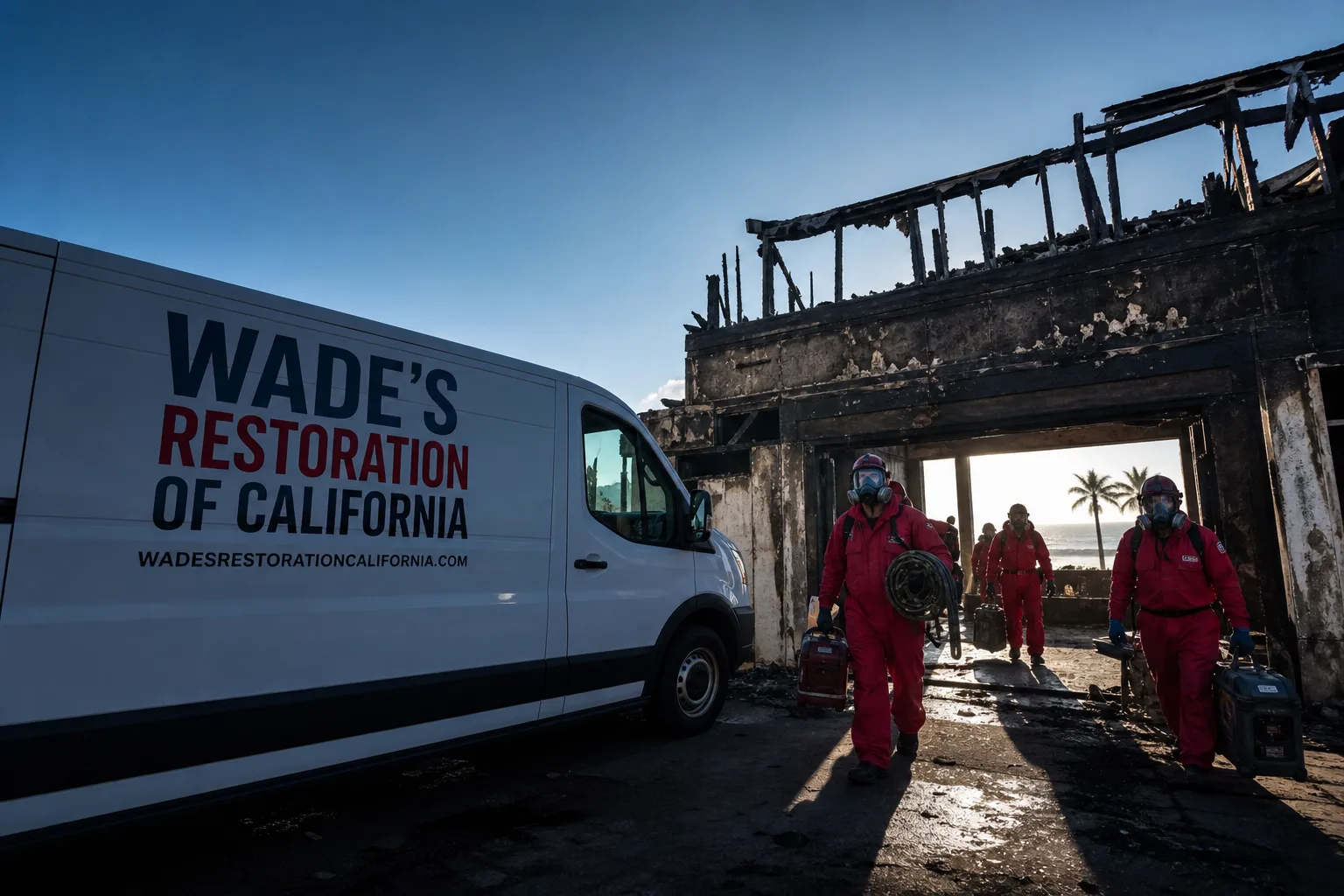
Fast, Reliable Water Damage Restoration Across Culver City
Water damage in Culver City moves fast, and the older homes here hide it longer than most. When a supply line lets go in a 1930s Spanish Colonial off Culver Boulevard, or a Ballona Creek storm surge finds its way into a finished basement near Elenda Street, you need someone who knows what’s behind those lath-and-plaster walls before the first cut. Wade’s Restoration of California answers the phone around the clock at (855) 915-0646, and we can have extraction equipment running in Culver City within the hour. We’re not a national chain with a call center in another state. Wade Ferris owns this company, he works these jobs himself, and he knows the difference between a Culver City Craftsman with original plaster and a drywall tract house in the Valley.
Why Wade’s Restoration of California Is Culver City’s Preferred Water Damage Restoration Company
We’ve spent years pulling water out of the houses that make Culver City what it is: the Spanish Colonial Revival cottages near Veterans Memorial Park, the Craftsman bungalows tucked into the streets off Washington Boulevard, and the hillside homes above Blair Hills where a slow slab leak can hide for half a year. Ask anyone on your street. Wade’s name gets passed around at the Culver City Farmers Market and the hardware store because he shows up when he says he will and he does not upsell you once the walls are open. Our Water Damage Restoration team has documented hundreds of jobs in the 90230, 90231, 90232, and 90233 ZIP codes.
Here’s the thing that separates us from the outfit that quoted one price on the phone and another at the door: Wade publishes his name, his address, and his license number, and he writes the 90-Day Done Right Promise into every water damage contract. If it’s not done right, he makes it right. In writing. And every day our dehumidifiers run in your house, we take moisture readings and log them. At the end of the job, you get the full log. Almost nobody in this trade hands that over.
We also deal with your insurance adjuster directly. You’re not stuck playing telephone between two parties who speak different languages. Photo documentation, line-item scope, direct adjuster communication. That’s how we keep the process from becoming a second disaster.
Our Water Damage Restoration Services in Culver City
Emergency Water Extraction
When a supply line ruptures at 2 a.m. in a condo near downtown Culver City, the first hour sets the scope of the whole job. Wade answers his own phone, and he will be there himself, not a crew you’ve never met. We bring truck-mounted extraction units into Culver City and run them until the standing water is gone. In the older homes with original hardwood floors and plaster walls, extraction has to start before water wicks into the wall cavities and subfloor. In Culver City, that wicking happens fast because the ambient humidity gives moisture nowhere to evaporate.
Structural Drying & Dehumidification
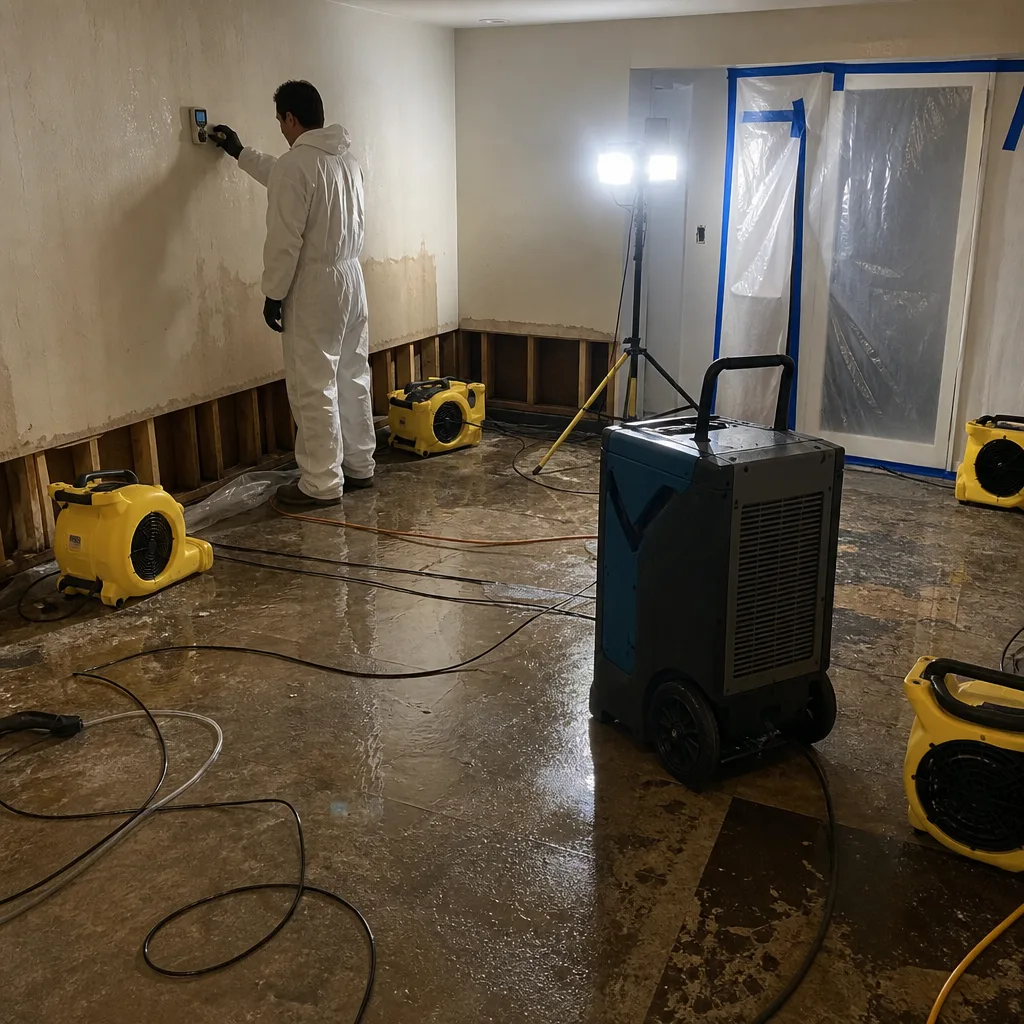
This is where Culver City jobs diverge from the rest of LA. The marine layer that rolls in most mornings keeps relative humidity elevated year-round, which shortens the evaporation window. A dryer setup calibrated for Pasadena will underperform here. We run Dri-Eaz LGR 7000XLi dehumidifiers and Phoenix axial air movers on most Culver City structural drying jobs, and we take moisture readings every single day. That daily log is not a nicety. It’s the only way to prove the plaster is actually drying, not just the surface. We also deploy Injectidry panel drying systems on lath-and-plaster walls where the moisture is trapped behind the finish coat. Most contractors just cut the wall out. We dry it when we can, because the original plaster in a 1920s Spanish Colonial is not replaceable at any price.
Flood Cleanup
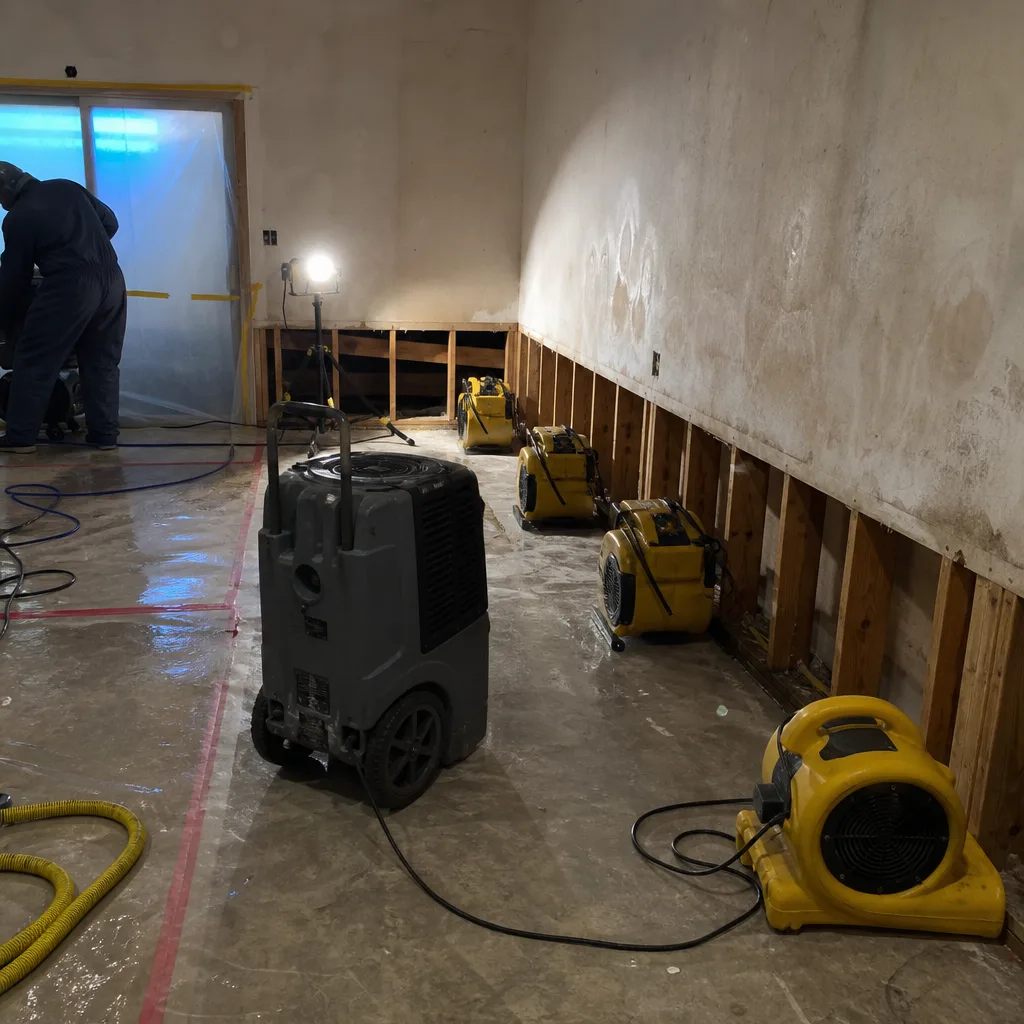
Culver City sits against the Ballona Creek flood-control channel, and in an active El Niño winter, the blocks just south of Venice Boulevard see localized overland flooding. That’s stormwater, and stormwater carries everything it touched on the way in: oil from the streets, sediment from the creek banks, whatever was sitting in the gutters. This is not the same as a clean-water supply leak. Flood cleanup requires antimicrobial treatment, rapid structural drying, and often removal of contaminated baseboards and insulation. We handle the full scope, and we photograph everything before, during, and after for your adjuster.
Burst Pipe Restoration
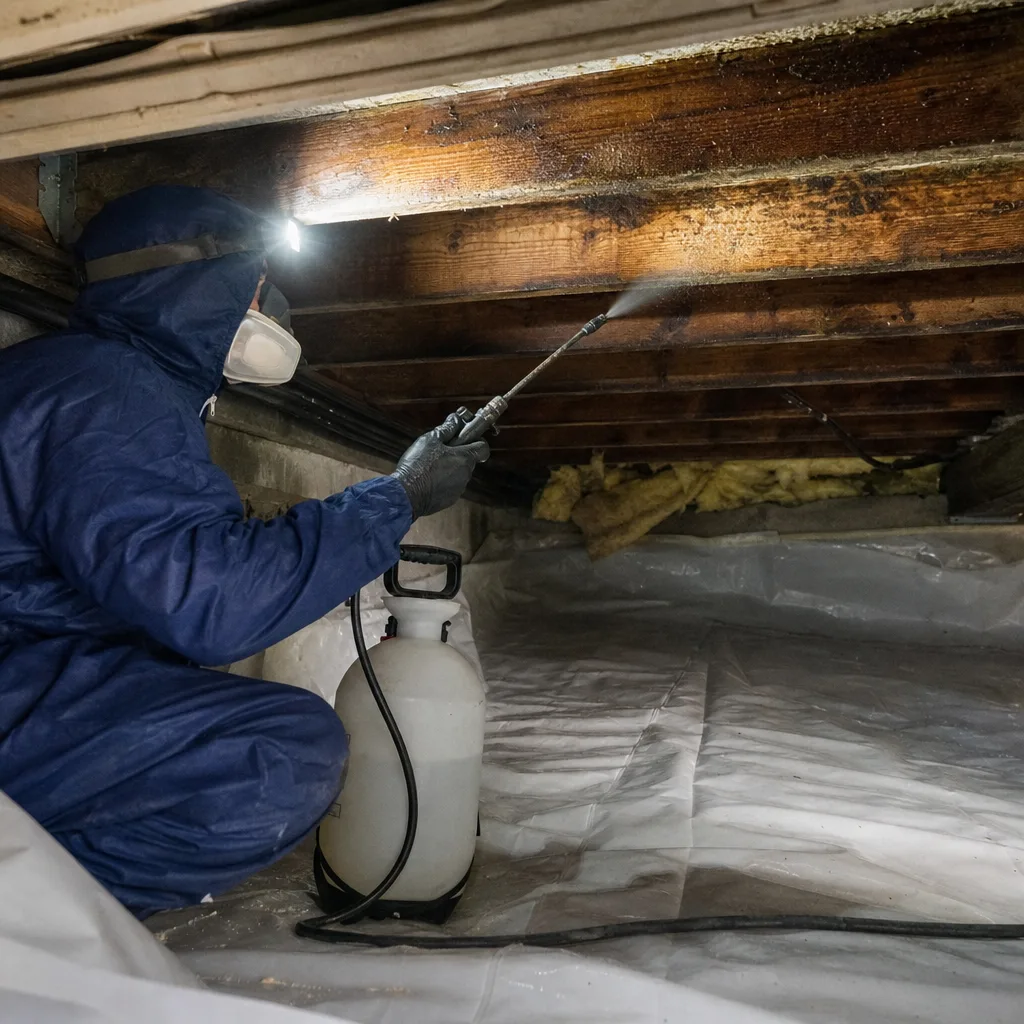
Older Culver City homes run on galvanized or cast-iron supply lines. Those pipes are past their design life. When one lets go in a wall cavity behind lath-and-plaster, the water travels downward and outward before you ever see a stain on the ceiling. By the time you notice the water ring, the cavities behind the plaster have been wet for days or weeks. Burst pipe restoration in Culver City means opening the wall to trace the full wet path, not just patching the visible damage. We map the damage with moisture meters and thermal imaging, then dry every affected cavity, not just the pretty parts.
What happens when you call
- 1
A real person answersNo phone trees - you reach a local pro.
- 2
You get an upfront price rangeHonest numbers before anyone is dispatched.
- 3
A background-checked tech heads outLicensed & insured, dispatched right away.
- 4
You approve before work beginsNothing starts until you say go.
Trusted Brands We Service in Culver City
We’re IICRC-certified and affiliated with the RIA and IFA, and we run professional-grade equipment from Dri-Eaz, Phoenix, and Injectidry on every Culver City job. Why does the brand matter? Because a box-store dehumidifier from the rental counter will not pull 34% moisture content out of a lath-and-plaster wall. It physically cannot. We stock the equipment that can, and our techs are trained on it daily, not handed a manual in the parking lot. When you call us for Water Damage Restoration in Culver City, the equipment that shows up is the same gear restoration science calls for, not whatever was left at the depot.
Common Water Damage Restoration Problems We See in Culver City Homes
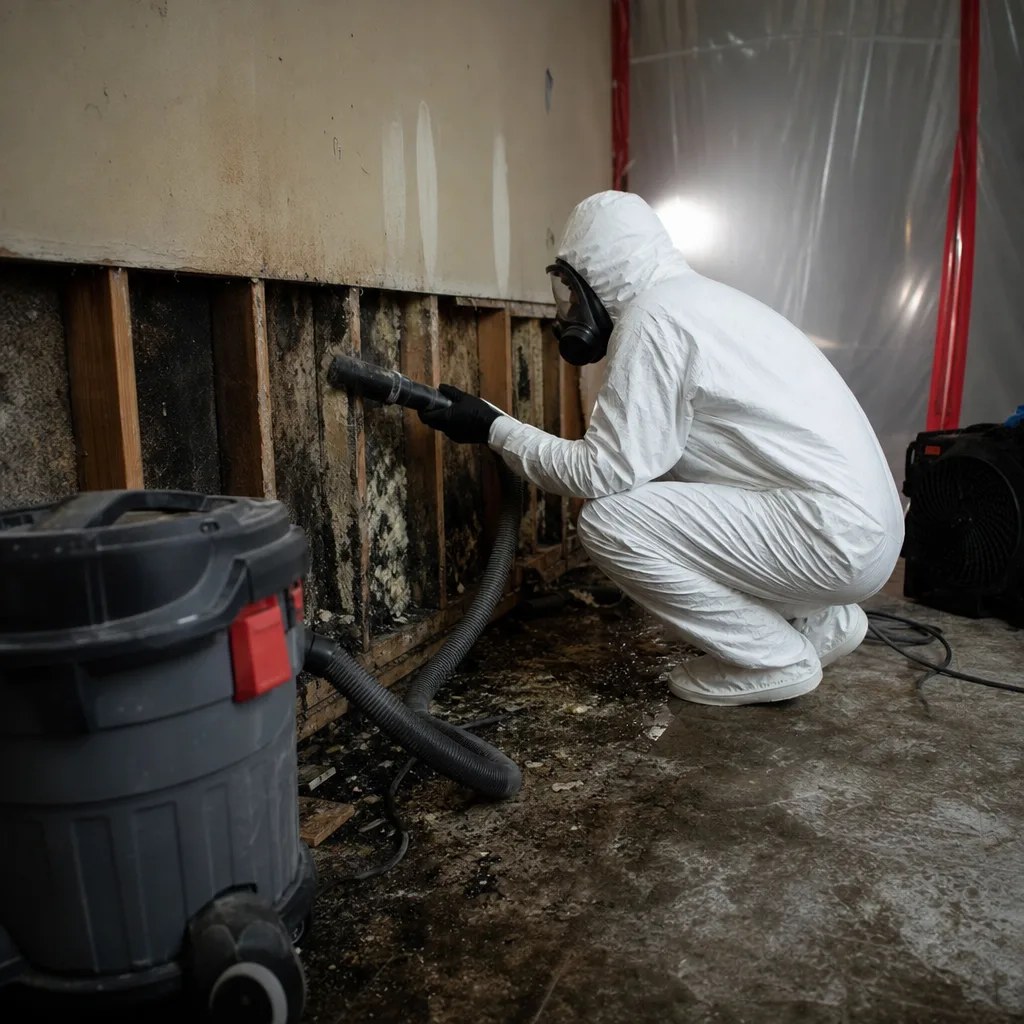
- Hidden mold behind lath-and-plaster walls: Plaster wicks moisture like a sponge and hides it for months. We regularly open walls in Culver City to find mold colonies three to four times larger than the visible water stain. In drier, drywall-heavy cities like Inglewood or Palms, that discovery pattern would be abnormal. Here, it’s Tuesday.
- Slow slab leaks under hillside homes: The older blocks near Culver Crest and Blair Hills are sited on hillside cuts with minimal subfloor ventilation. A slow slab or drain leak under a low crawl space fills the enclosed cavity with mold months before any odor reaches the living areas. Experienced crews here price in an exploratory phase that would be considered overhead in a drier ZIP code.
- The marine layer shortens drying windows: Culver City sits roughly four miles from the Pacific in the coastal fog belt. Morning fog keeps relative humidity elevated compared to the San Gabriel Valley or even West Hollywood. Standard drying timelines calibrated for drier LA microclimates routinely underperform here. If your contractor sets expectations based on “typical LA” drying, they’re guessing.
- Ballona Creek flood risk: Properties near the Ballona Creek channel face periodic flash-flood intrusion from overland flow, not just indoor plumbing failures. That floodwater carries contamination that demands an entirely different cleanup protocol than a clean-water pipe break.
Pricing for Water Damage Restoration in Culver City, CA
Culver City water damage jobs run higher than the LA average because the housing stock demands more labor and longer drying times. Here are real ranges for this market:
- Emergency water extraction: $500-$1,200 depending on square footage and accessibility.
- Structural drying and dehumidification: $1,800-$4,500 for a typical single-room loss in a plaster-walled home; multi-room jobs with panel drying run higher.
- Flood cleanup (stormwater intrusion): $3,500-$9,000, with the upper end reflecting contaminated water and insulation replacement.
- Burst pipe restoration: $2,200-$6,000 including pipe access, cavity drying, and plaster repair.
- Ceiling and roof leak water damage: $800-$3,200 depending on whether the plaster ceiling can be dried or must be replaced.
These are honest ranges, not bait quotes. What moves the number is the age of your walls, whether the plaster can be saved, and how long the water sat before anyone found it. Estimates are free. Call (855) 915-0646 and we’ll give you a written scope before any work starts.
Senior and Veteran? You get 10% off. Always have, always will. And if you’re in our own county, there’s no trip charge. Wade will hand you a written estimate and you can take your time deciding.
We Also Serve Cities Near Culver City
Crews from Wade’s Restoration of California regularly run calls into Ladera Heights, Century City, Venice, and Beverly Hills. Same ownership, same equipment, same daily moisture logs. If you’re in a neighboring city and the adjuster is dragging their feet, call us at (855) 915-0646 and we’ll talk through what’s actually going on, no charge for the second opinion.
Serving Culver City, CA - Our Local Coverage Area
We’re based in the Culver City area and know this community well. Use the map below to see our service coverage - if you’re nearby, we can almost certainly help.
FAQs - Water Damage Restoration in Culver City
Because your walls are lath-and-plaster, not drywall. Plaster wicks moisture horizontally and vertically through the brown coat and the wood lath behind it, carrying water far beyond the original leak point before it ever reaches the surface as a stain. By the time you see a ring on the wall, the cavity behind it has been wet for days or weeks, and the actual mold colony is routinely three to four times the size of the visible damage. This is the single most common discovery on Culver City water jobs, and it’s why we recommend opening the wall to map the wet path rather than spot-treating the stain. Call (855) 915-0646 and we’ll tell you honestly whether your plaster can be saved or needs to come out.
It extends them, often by two to three days. Culver City sits in the coastal fog belt roughly four miles from the Pacific, and the marine layer that rolls through most mornings keeps ambient relative humidity high compared to the San Gabriel Valley or West Hollywood. Evaporation is slower, which means the water in your walls moves to the surface at a reduced rate, and standard dehumidifier setups calibrated for inland LA conditions underperform. We have run Dri-Eaz LGR 7000XLi dehumidifiers in Culver City for five days where a Pasadena job would have taken three, simply because the plaster held 34% moisture content after the subfloor had already dried. Ask any contractor quoting you a “standard” timeline whether their numbers account for the marine layer. If they blink, call us at (855) 915-0646.
Usually yes. Homes on the hillside cuts above Culver Crest and Blair Hills sit on slopes with minimal subfloor ventilation, and many were built with enclosed crawl spaces or under-stair cavities. When a slow slab or drain leak goes undetected in that environment, the trapped moisture has nowhere to escape, and mold builds for months before you smell anything. Drying a hillside home requires an exploratory phase to locate every enclosed cavity, not just the visible wet area. We run negative air pressure and directed airflow into cavities that would be ignored on a flat-lot job in a drier ZIP code. If you’ve been told a one-day dry-out is enough, get a second opinion. It’s free. Call (855) 915-0646.
Check the baseboards and lower wall sections in any room at or below grade, plus anything stored directly on the floor. Ballona Creek properties north of Venice Boulevard are exposed to overland flood intrusion during active El Niño winters, and floodwater wicks upward through plaster and baseboards. Look for a faint tide line, any warping at the baseboard joints, or a musty smell that lingers after the floors dry. If you find any of those, the water got in and the moisture is still in the wall cavities. We see the same homes flood repeatedly in bad winters, and each event is cheaper to clean when caught in the first 48 hours. Call (855) 915-0646 and we’ll walk the property with a moisture meter, no charge for the inspection in our own county.
Because Culver City’s housing stock demands it. The residential core is dominated by 1920s-1950s Spanish Colonial Revival and Craftsman homes with original lath-and-plaster assemblies and aging galvanized or cast-iron supply lines. Water travels behind those materials in ways that don’t show up on the surface, so a contractor who quotes a dry-out based only on what’s visible is going to miss moisture that blooms into mold weeks later. An exploratory phase means we open small inspection ports, run moisture meters and thermal imaging through the affected area, and find the full extent of the hidden water before we agree on a full scope. It costs less than the mold remediation you’ll need if the exploratory phase is skipped. That’s the honest answer, and that’s how we work.
Wade has been fixing water damage in Culver City the same way since 2007: show up, tell the truth, do the work, and stand behind it in writing. If you’ve got water where it shouldn’t be, call (855) 915-0646 now. Wade will answer.
Written by Wade Ferris, Owner at Wade’s Restoration of California, serving Culver City and the surrounding communities.