
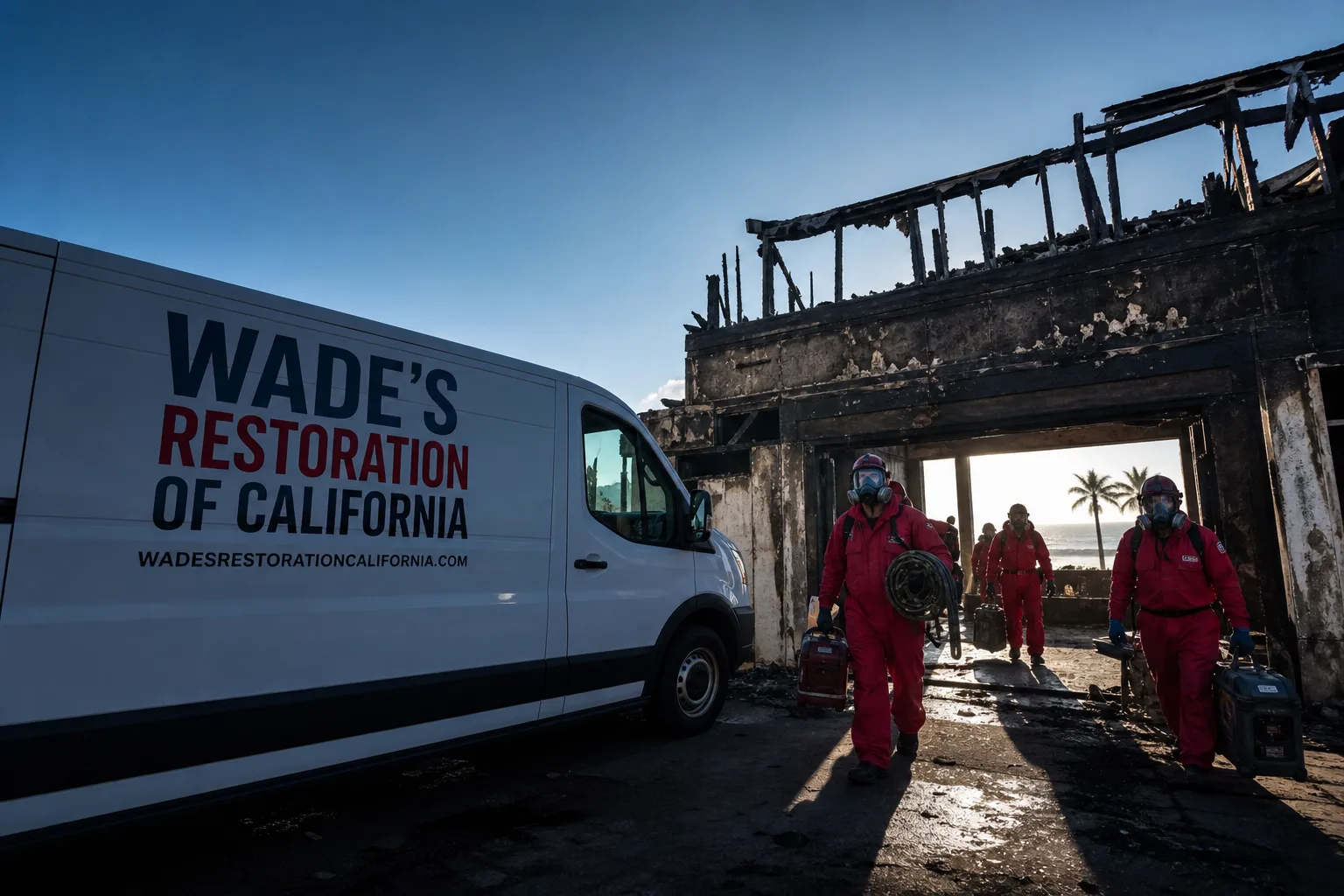
Fast, Reliable Storm & Disaster Restoration Across Livermore
Storm damage in Livermore rarely arrives as a single event. It arrives as a sequence: rain saturates the shrink-swell clay under your slab, a Diablo wind event lifts roof flashing, and three weeks later you find water moving through a crack nobody saw. The faster someone maps the full scope of that damage in homes around 94550 and 94551, the less you rebuild later. Wade’s Restoration of California has been answering calls from Livermore homeowners since 2007, and Wade Ferris still picks up the phone himself. Call (855) 915-0646 when the damage is spreading, and we’ll have a plan in motion within the hour.
Key Takeaways:
- Livermore’s storm damage pattern follows the Altamont wind corridor, the Las Positas fault, and Zone 7 hard water - three forces that hit this city differently than Pleasanton, Dublin, or San Ramon.
- Most storm water intrusion in Livermore homes is older than the storm itself: corroded galvanized lines, cracked stem walls, or failed stucco flashing that finally lets water through.
- Emergency board-up and roof tarping on Livermore’s alley-load townhomes and stucco subdivisions requires security knowledge that generic crews don’t carry.
- Every job gets a written scope before work starts, daily moisture readings, and the 90-Day Done Right Promise in writing.
Why Wade’s Restoration of California Is Livermore’s Preferred Storm & Disaster Restoration Company
We know what happens on the ground in Livermore when the wind shifts and the rain starts. Wade has walked crawlspaces under Springtown tract homes where galvanized supply lines have rusted to foil thickness after decades of hard Zone 7 water. He’s tarped roofs on stucco-clad southside subdivisions where flashing failed at the roofline and nobody caught it until a storm pulled it loose. That kind of local familiarity changes how fast a crew finds the real source of damage, not just the wet patch you can see.
Livermore customers don’t call us because of a rating. They call because a neighbor told them Wade showed up himself, took readings daily, and dealt with the adjuster directly so they didn’t have to. That’s how reputations work in a city this size. The owner’s name is on the truck, his published address and license are printed on every estimate, and he’s going to run into you again at the First Street hardware store. Accountability in Livermore runs on that.
Response time matters when water is migrating through wall cavities every hour. Our crew coordinates from the San Francisco Bay Area office and can have extraction running in Livermore inside the hour. Board-up calls in the middle of a wind event get the same urgency. No voicemail, no answering service. A live person picks up, 24 hours a day, seven days a week, and usually that’s Wade himself.
Our Storm & Disaster Restoration Services in Livermore
Every service below comes with a written scope before work begins. You know what we’re doing, what it costs, and what the moisture log says, from day one until the job is closed. That’s the standard our Storm & Disaster Restoration team applies on every job in 94550 and 94551.
Storm Damage Cleanup
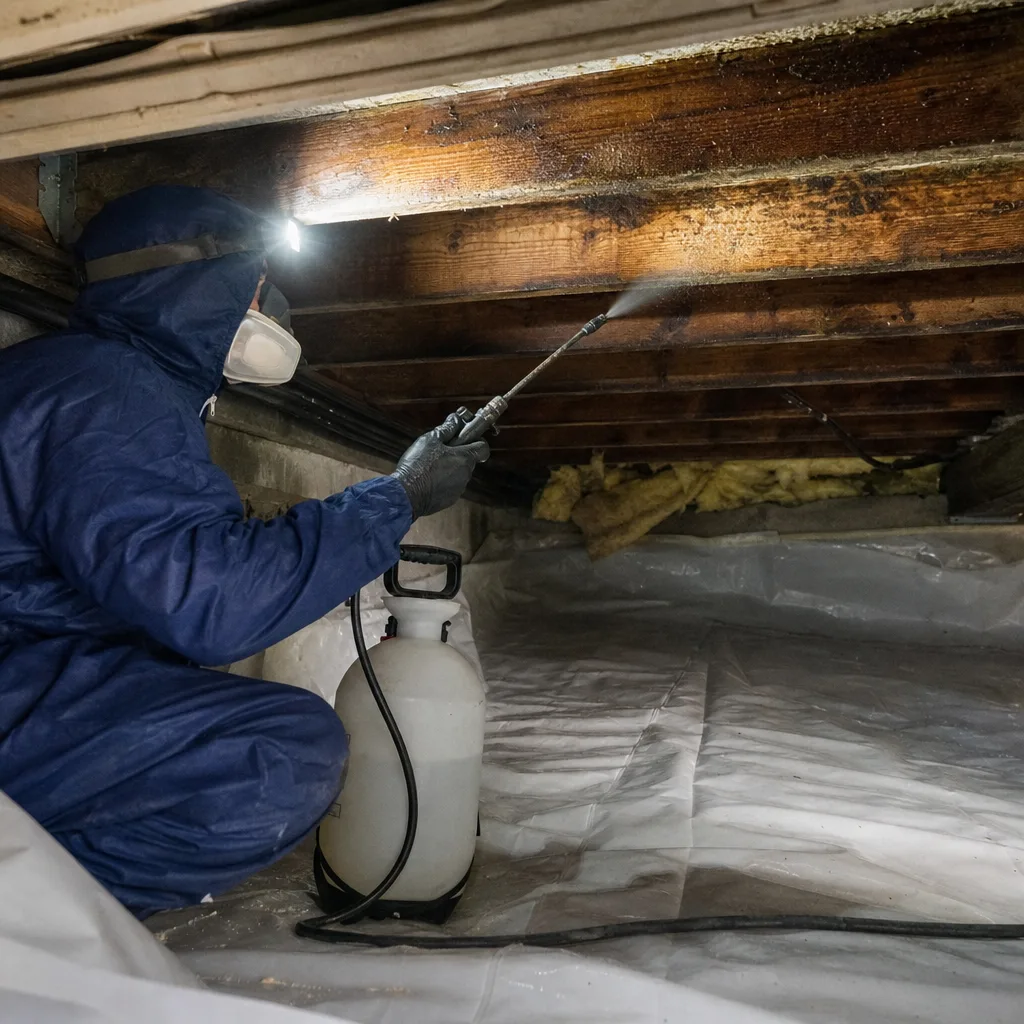
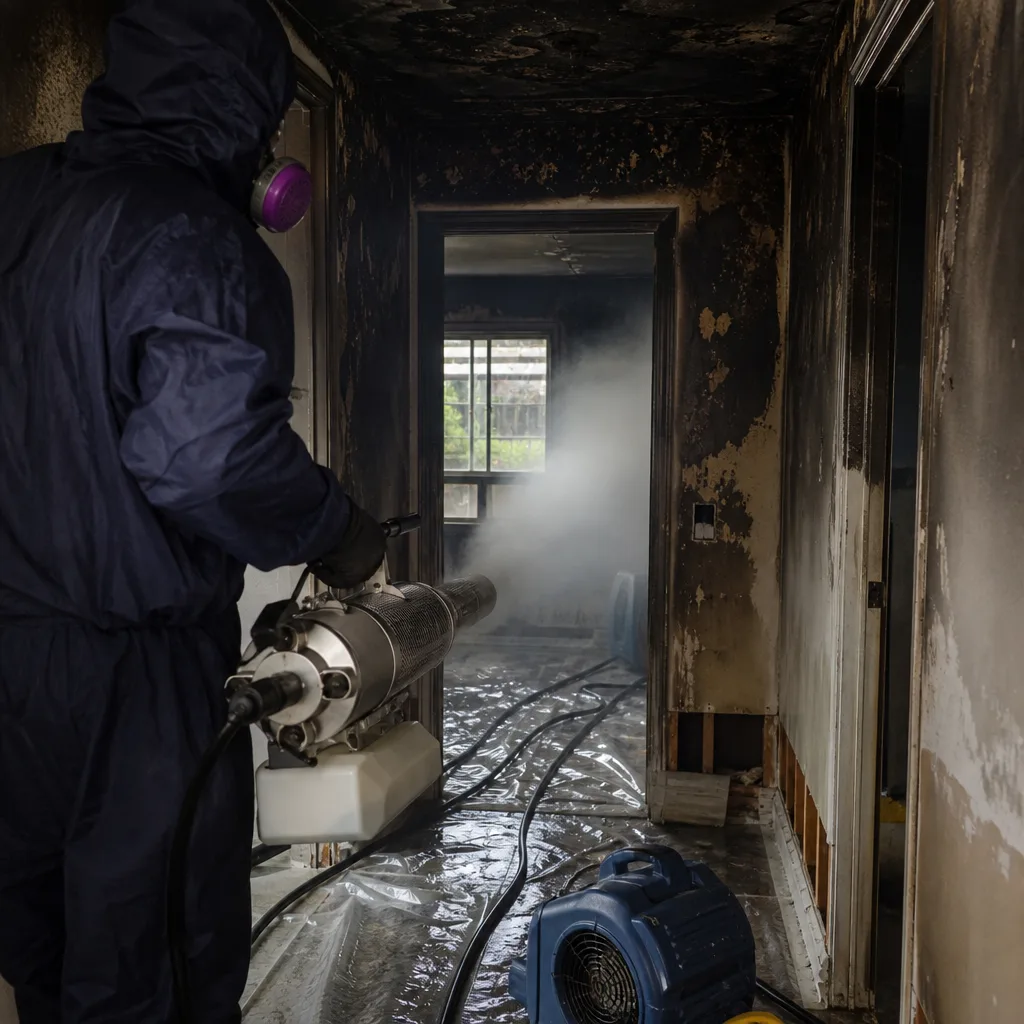
When Livermore’s concentrated winter rain hits after months of bone-dry summer, the clay soil swells fast, and foundations move. We start every storm cleanup by inspecting stem walls and slab edges for the new cracks that expensive water follows inward. The visible damage is never the whole story in this city. We map the moisture before we tear anything out, using professional-grade Dri-Eaz equipment and documentation you can hand straight to your adjuster.
Flood Damage Restoration
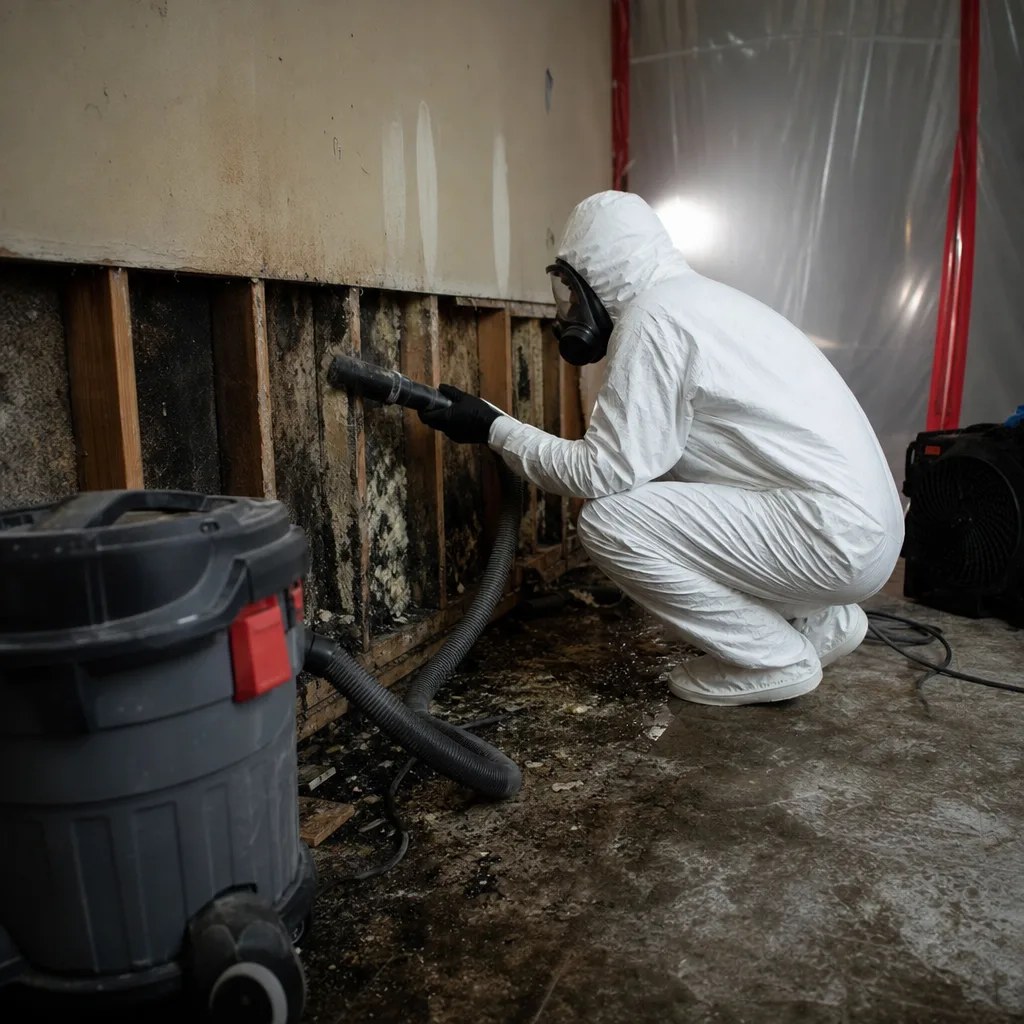
A flooded basement off First Street at two in the morning is not a next-morning problem. Extraction needs to start now, before water reaches the slab cracks that run under so many Livermore homes. Wade’s crew arrives with professional extraction equipment, injects air into wall cavities where water is already wicking up drywall, and sets up drying perimeters sized for the tight floorplans common in 1960s and 1970s tract housing. Full moisture data, every day, in writing.
Emergency Board-Up
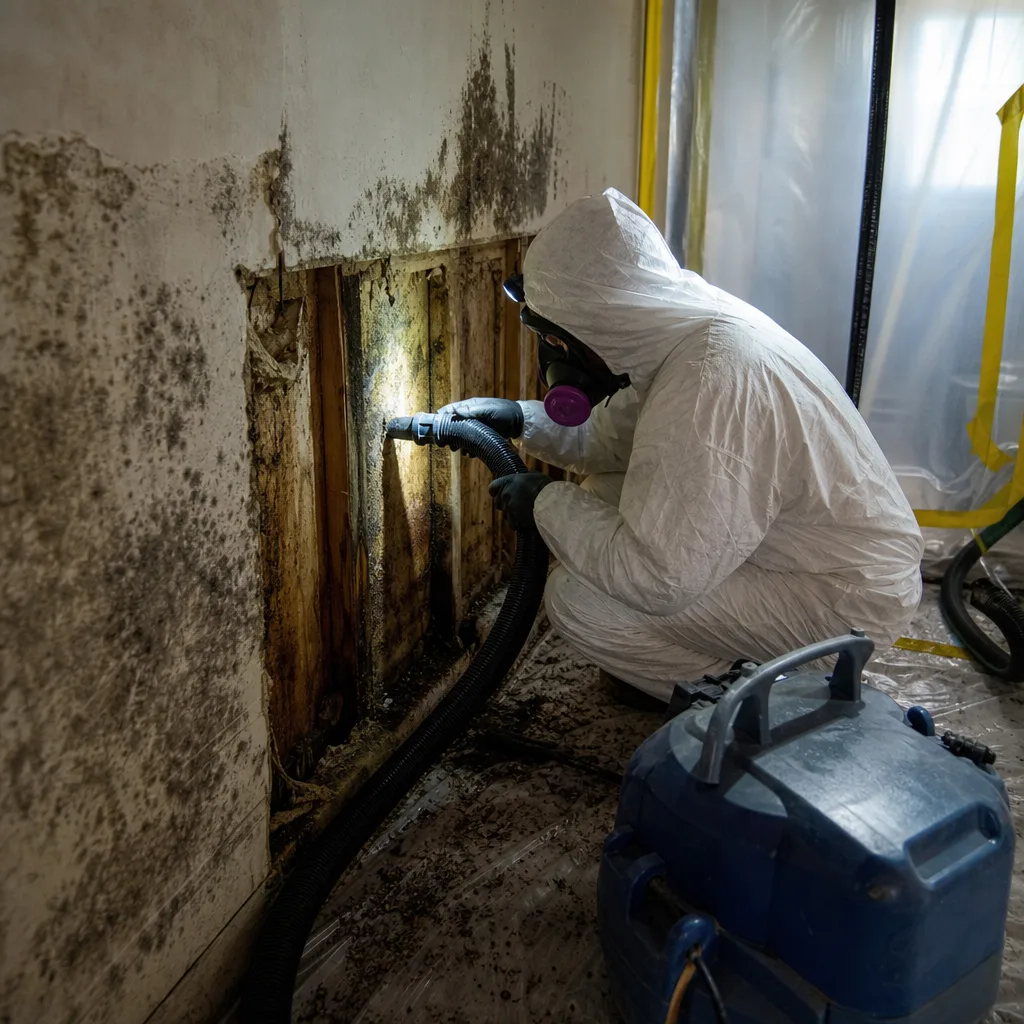
Livermore’s alley-load townhomes have delivered one consistent lesson over the years: board-up is a security decision as much as a weather decision. A door left propped after a storm damage assessment becomes a tamper risk and a false alarm at 3am. We board and secure openings with rolling-code opener systems in mind, which matters if you have a security-connected roll-up door on an alley-load garage. We don’t leave openings behind as open invitations.
Roof Tarping
When a Diablo wind event tears shingles off the south and east slopes, tarping is about holding the envelope until a permanent repair can be scheduled. Livermore’s 105°F summer afternoons bake roofing membranes in ways the cooler Bay never does, so wind-lifted flashing fails more aggressively here. Our crew tarping is engineered for wind uplift, not just rain. We’ve seen too many flimsy tarps turn into sails on the Altamont side.
What happens when you call
- 1
A real person answersNo phone trees - you reach a local pro.
- 2
You get an upfront price rangeHonest numbers before anyone is dispatched.
- 3
A background-checked tech heads outLicensed & insured, dispatched right away.
- 4
You approve before work beginsNothing starts until you say go.
Trusted Brands We Service in Livermore
Wade’s Restoration runs professional-grade equipment on every Livermore job. We use Dri-Eaz LGR dehumidifiers for the slow dry times that tight Springtown crawlspaces demand, Phoenix axial fans where air movement is restricted by narrow clearances, and Injectidry systems for water trapped in the floor cavities under original hardwood or tile. Our credentials include IICRC certification and RIA affiliation, which means something to adjusters who know what to look for. The equipment matters because hard water and shrink-swell clay combine to push drying times longer in Livermore than the Bay average. Running the right machines from day one is the difference between a three-day dry-out and a three-week mold problem behind your drywall.
Common Storm & Disaster Restoration Problems We See in Livermore Homes
- Original galvanized supply lines in 94551 failing after decades of Zone 7 hard water. A fitting that’s been corroding internally finally gives out during a storm, and the visible burst is just the endpoint of years of slow seepage already colonized behind original drywall.
- Shrink-swell clay cracking slab foundations every rainy season. Livermore’s dramatic seasonal ground movement opens new cracks that direct water into your home from below, creating repeated mold and water damage patterns that surface extraction alone never fixes.
- Stucco terminations on 1980s and 1990s southside subdivisions wicking moisture at poorly flashed rooflines. Heavy winter rain finds these openings and migrates water behind stucco before you ever see a stain inside.
- Post-seismic structural cracking from the Las Positas fault. Livermore is the only Tri-Valley city with the fault running directly beneath its housing stock, which means storm water after even minor seismic activity finds new pathways into walls and slabs that didn’t exist a season earlier.
Pricing for Storm & Disaster Restoration in Livermore, CA
We Also Serve Cities Near Livermore
Our crews work throughout the Tri-Valley, including Storm & Disaster Restoration in Livermore‘s neighboring communities. We respond to water, fire, mold, and storm damage in Pleasanton, Dublin, San Ramon, and Blackhawk, and Wade still answers his own phone for every one of them. Same written scope, same documented moisture logs, same promise.
Serving Livermore, CA - Our Local Coverage Area
We’re based in the Livermore area and know this community well. Use the map below to see our service coverage - if you’re nearby, we can almost certainly help.
FAQs - Storm & Disaster Restoration in Livermore
Zone 7 water in Livermore carries high mineral content that has been eating the inside of galvanized supply lines for decades, and the 1960s planned-community homes in Springtown still run on many of those original lines. After a storm, the added pressure on the system finds the weakest point, and what looks like a sudden burst is usually the endpoint of years of internal corrosion.
Livermore sits at the mouth of the Altamont Pass wind corridor, which channels hot, dry Diablo winds directly into the city’s southern and eastern hillside neighborhoods. Wind speeds on tarped roofs are often double what Pleasanton sees, so our crew anchors tarps for uplift resistance, not just rain shedding. Board-up is also more exposed on windward-facing openings, and we install for that directional force. Call (855) 915-0646 for same-day response.
Check where stucco meets the roofline and where window flashing terminates against the stucco face. These are the two failure points Livermore’s stucco era is most vulnerable to, because summer heat cycles expand and contract the membrane until it separates just enough to let storm water behind the wall. If you see water staining on interior ceilings near exterior walls, or cracked stucco at the roofline, call for a forensic moisture reading before the damage spreads. Estimates are free.
It can, because post-seismic cracking almost always runs vertically in stem walls and slab edges along the north-south trending fault plane beneath the city, while pipe leaks present as localized, roundish wet patterns at the source fitting. Livermore homes need both checked after any significant seismic event, since crack water often reappears months later during the next rainy season. Wade’s experience running water losses throughout 94550 and 94551 means we know what earthquake-sourced water damage looks like in this housing stock specifically.
Livermore routinely hits 105°F to 110°F in summer, and those air temperatures push drying load far past what a standard dehumidifier setup handles in a 1960s tract home with restricted air movement and original drywall trapping moisture. Our crews account for thermal load from the start, upsize equipment and airflow strategies for the extra load, and still hit the same dry-standard target. It’s why daily moisture readings matter so much here; a hot day can fool you into thinking a wall is dry when the interior cavity is still holding moisture. Call (855) 915-0646 and Wade will walk you through it.
Written by Wade Ferris, Owner at Wade’s Restoration of California, serving Livermore since 2007. If it’s not done right, I’ll make it right, in writing.