
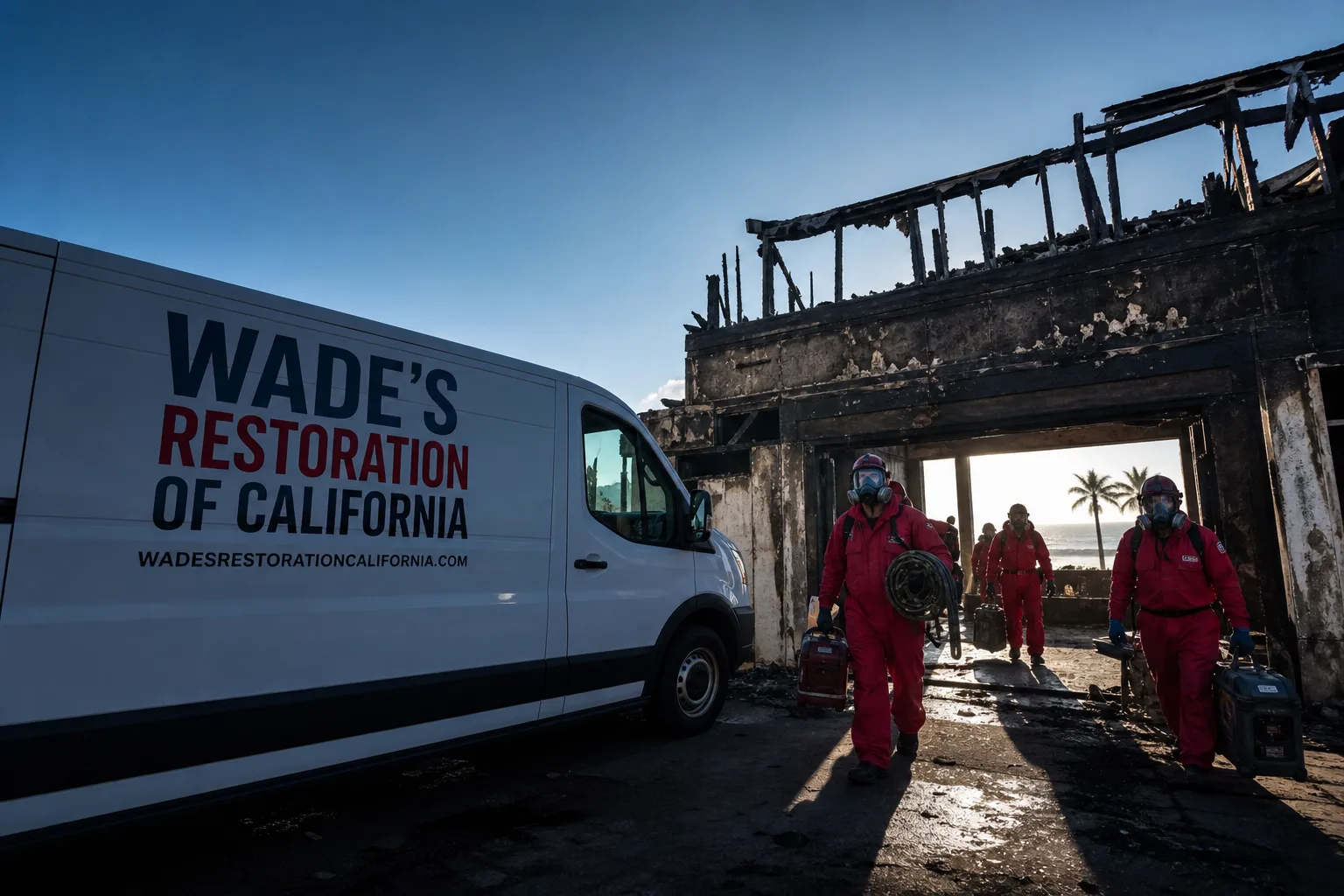
Fast, Reliable Mold Remediation Across Signal Hill
Mold remediation in Signal Hill typically runs $1,800-$6,500 depending on square footage and whether the colony has spread into framing or ductwork. Most jobs we handle in the 90755 ZIP are scoped, quoted, and started within 48 hours of the first call. If you’ve found mold, smelled it, or suspect it’s hiding behind a wall after last winter’s rains, call Wade’s Restoration at (855) 915-0646 and Wade will walk you through what you’re actually looking at before anyone sets foot in your home.
Signal Hill isn’t Long Beach. The housing stock is older, denser, and built on ground that moves. That changes how mold gets in, where it hides, and what it costs to remove properly. We’ve been working in these condos and townhomes long enough to know the difference between a leak and a slab crack that’s been seeping for thirty years.
Why Wade’s Restoration of California Is Signal Hill’s Preferred Mold Remediation Company
Wade Ferris started this company in 2007 and his name is still on the truck. When you call about mold in Signal Hill, you’re not getting a call center or a subcontractor who’s never seen your street. You get Wade or someone from his crew who knows exactly how condos off Skyline Drive are framed and why ground-floor units there get musty faster than the ones upstairs.
We answer the phone. Wade answers his own at 2 a.m. when a neighbor’s toilet supply line lets go and water’s running through your shared wall. He’ll tell you what to do in the next ten minutes and then he’ll head out. No voicemail, no queue, no “we’ll have someone in the area Tuesday.”
Everything we do on a mold job in Signal Hill is documented. We take moisture readings every single day and hand you the full log when the job’s done. That’s not standard practice in this trade. It should be. We also deal with your insurance adjuster directly, so you’re not stuck as the messenger between two people who’ve never met.
Every mold remediation job we do carries the 90-Day Done Right Promise in writing. If it’s not done right, we make it right. One call brings Wade back. Ask anyone on your street who’s used us.
Our Mold Remediation Services in Signal Hill
Here’s what we actually do in Signal Hill homes. Not a sales pitch. Just the work.
Mold Inspection & Testing
Before we touch anything, we find out what you’re dealing with. In Signal Hill, that means checking not just for mold but for the moisture source behind it. On a hill with documented soil subsidence, a musty crawl space can be a plumbing leak or it can be groundwater wicking through a hairline slab crack that’s been there since the 1980s. We test the air, we test the surfaces, and we tell you what we found in plain English. We also offer a free second opinion on any written estimate you’ve already received from another company.
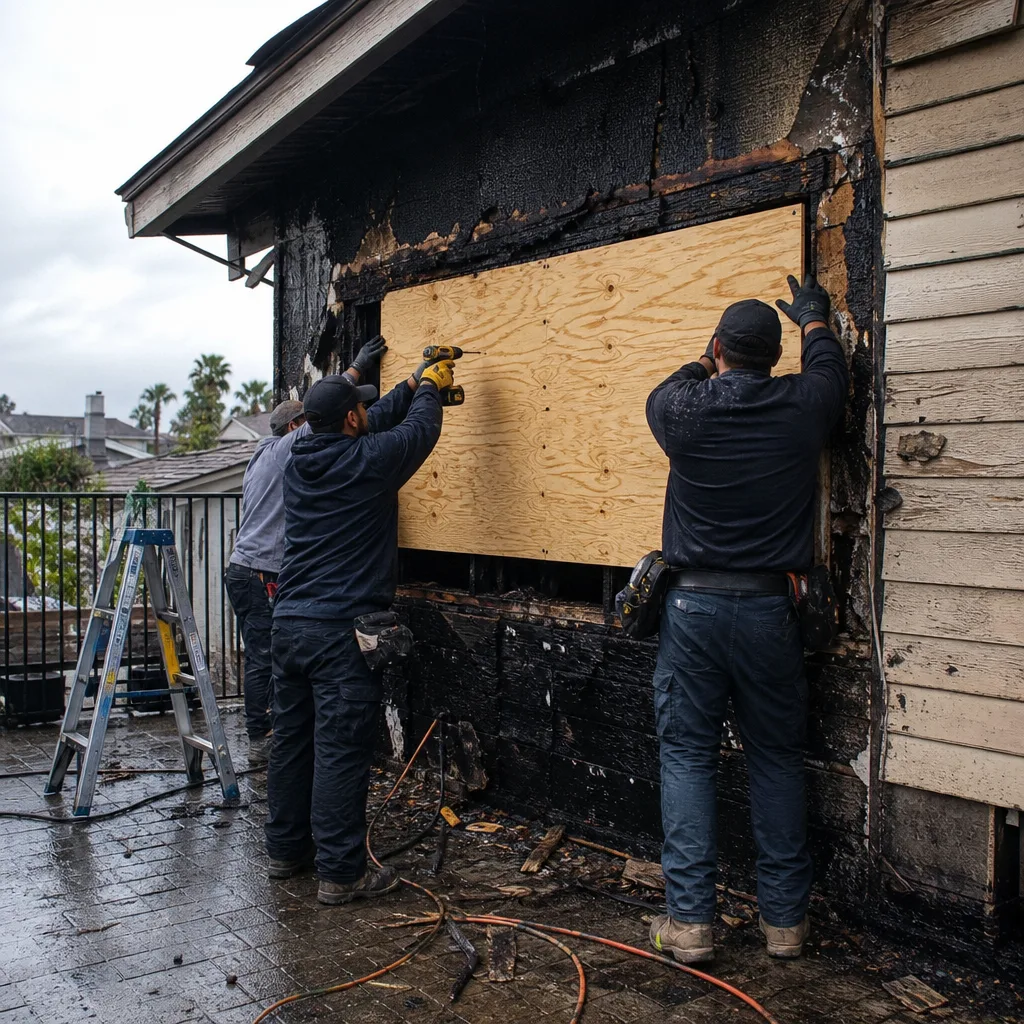
Mold Removal
Once we’ve scoped it, we remove it. Containment, HEPA filtration, removal of affected drywall or insulation if needed, and disposal done right. In Signal Hill’s attached condos, containment matters more than in a detached house, because mold spores travel through shared wall cavities and HVAC chases. We seal the work area properly before we start cutting.
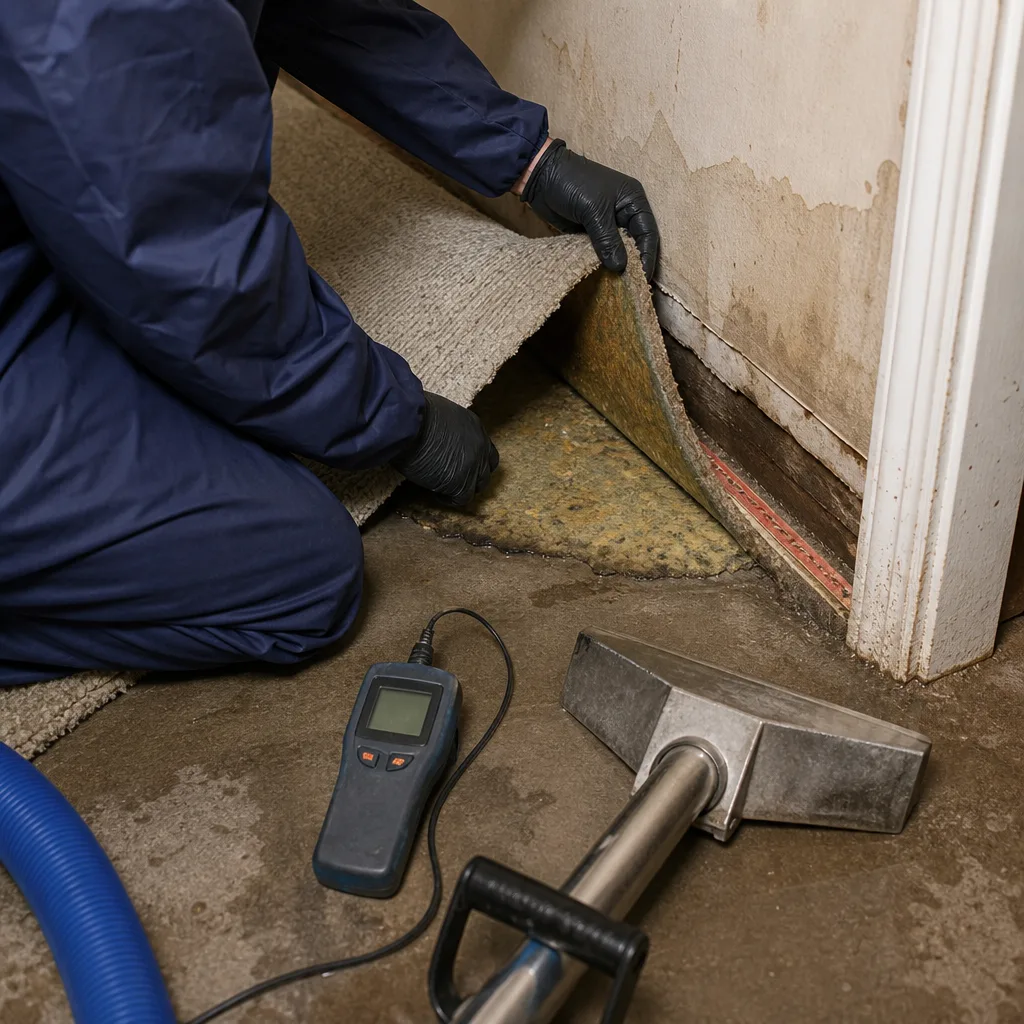
Black Mold Remediation
Black mold is not automatically the worst mold, despite what the internet says. What matters is how much there is, where it is, and what’s feeding it. In Signal Hill, we often find stachybotrys in ground-floor units where drainage at the base of the hill keeps perimeter soil damp through wet winters. We treat it seriously, but we don’t scare you. We’ll show you the lab results if we test, and we’ll explain what they actually mean.
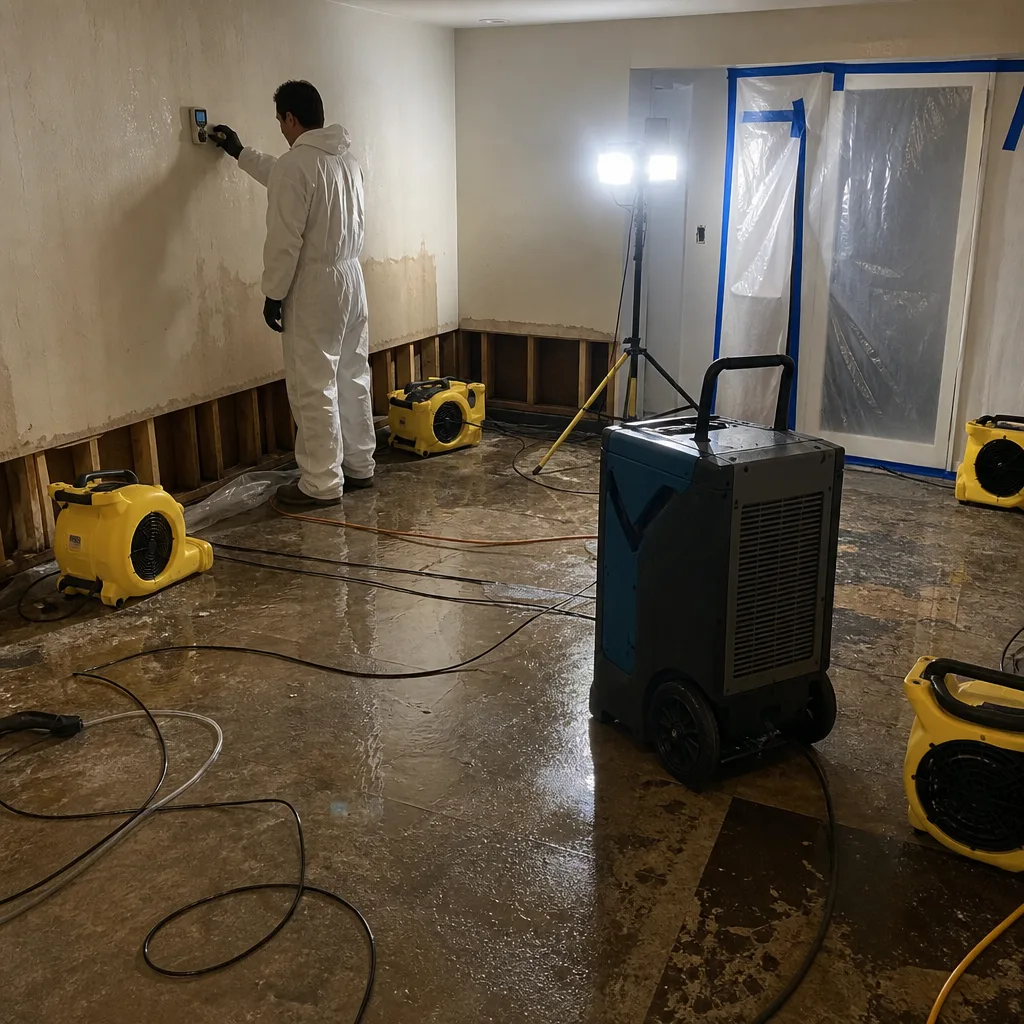
Air Quality Restoration
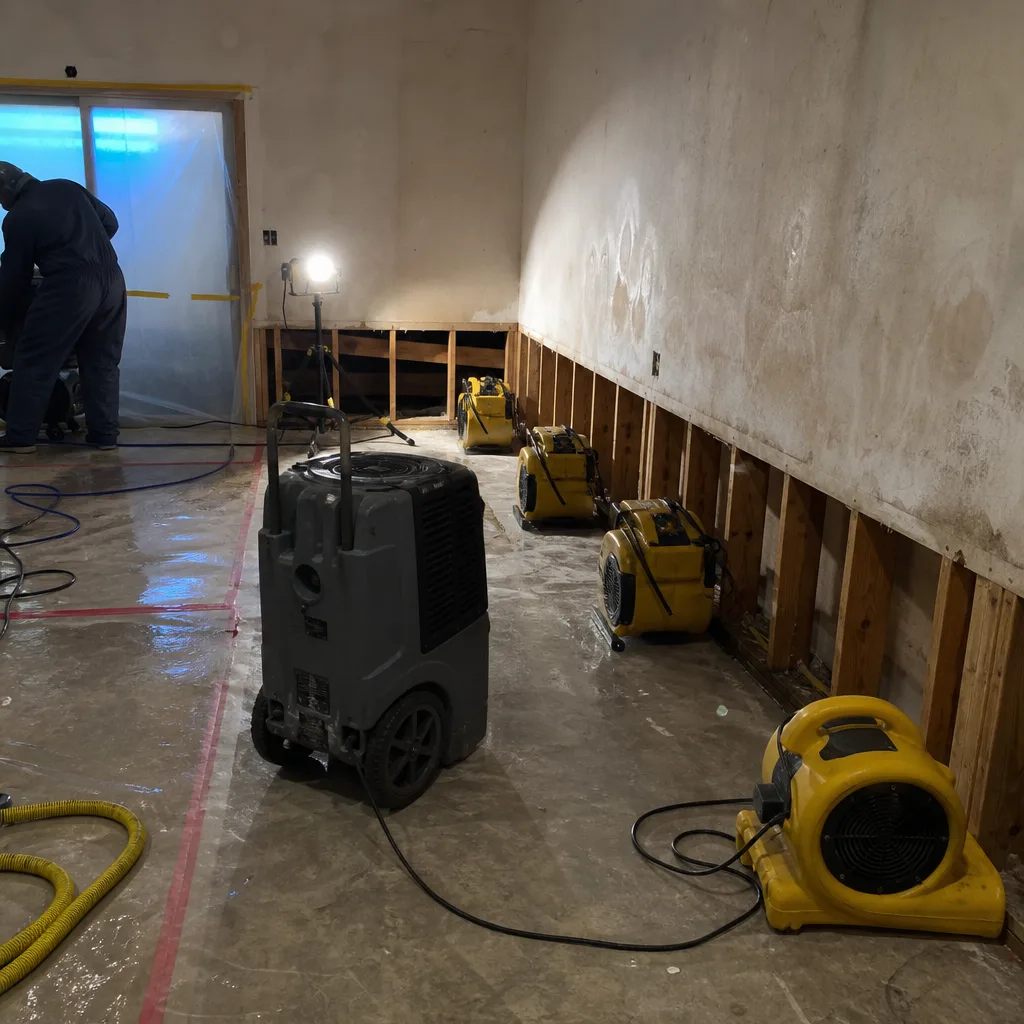
After the mold’s gone, the air still needs to be clean. We use commercial-grade HEPA air scrubbers and dehumidifiers, and we verify with post-remediation air sampling. In Signal Hill’s tight condo layouts, air quality restoration often runs longer than the removal itself, because shared systems recirculate air through multiple units until it’s truly clear. We don’t cut that corner.
What happens when you call
- 1
A real person answersNo phone trees - you reach a local pro.
- 2
You get an upfront price rangeHonest numbers before anyone is dispatched.
- 3
A background-checked tech heads outLicensed & insured, dispatched right away.
- 4
You approve before work beginsNothing starts until you say go.
Trusted Brands We Service in Signal Hill
Most restoration companies use whatever equipment is cheapest. We run Dri-Eaz dehumidifiers and air movers, Phoenix high-capacity units for larger jobs, and our techs carry IICRC certifications with RIA affiliation behind the work. That matters in Signal Hill because the same equipment that handles a flooded basement in Long Beach doesn’t always cut it in a hillside condo where the building itself traps moisture. Wade stocks the parts and filters we need locally, so we’re not waiting on a supplier when your unit is down.
Common Mold Remediation Problems We See in Signal Hill Homes
Here’s what actually shows up in Signal Hill, not a generic list from a national website:
- Pre-existing slab cracks misread as leaks. The uneven floors and hairline foundation cracks in older Signal Hill condos are usually artifacts of oil-field subsidence, not active water intrusion. A remediation plan that treats them as fresh leaks costs more and fixes nothing. We document the difference before we write an estimate so you’re not absorbing pre-existing damage into your claim.
- Shared-wall mold migration. Your unit can test clean while your neighbor’s humidity feeds mold on the other side of the drywall. If we don’t check the adjoining unit’s conditions, you’ll be calling us again in six weeks. We scope shared-wall losses as a single system, not two apartments.
- Slope-side stormwater saturation. Properties near the base of Signal Hill catch runoff that overwhelms perimeter drainage during heavy rains. Remediation that doesn’t address soil saturation and exterior grading fails after the next storm. Sometimes the mold is just the visible symptom.
- Crawl space moisture from methane-migration zones. Signal Hill sits inside documented methane zone requirements that don’t exist in Long Beach or Lakewood. Sub-slab work here falls under different rules, and moisture intrusion through old slab penetrations is common. We seal what needs sealing and monitor what needs monitoring.
Pricing for Mold Remediation in Signal Hill, CA
Here are real numbers for Signal Hill’s market. A straightforward mold removal in a single wall cavity or under-sink area runs $1,800-$3,200. Mold in a crawl space with slab sealing and humidity control usually lands between $3,500 and $6,500. Full remediation across multiple rooms with air quality restoration and post-testing can reach $8,000-$12,000 in older condo complexes where shared systems complicate containment.
What changes the price in Signal Hill specifically: whether the moisture source is building-movement related, whether methane zone requirements add a barrier step, and whether containment has to account for adjoining units. We don’t give phone quotes on mold. We look at it first, write a scope, and you approve it before work starts. The estimate is free, and so is a second opinion on any written bid you already have.
We Also Serve Cities Near Signal Hill
Our Mold Remediation team covers Signal Hill and the surrounding area, including Long Beach, Lakewood, Carson, and Hawaiian Gardens. If you’re just over the line but your building sits on the hill side of things, call anyway. Wade will tell you straight whether we’re the right fit. See our Mold Remediation in Signal Hill page for local specifics.
Serving Signal Hill, CA - Our Local Coverage Area
We’re based in the Signal Hill area and know this community well. Use the map below to see our service coverage - if you’re nearby, we can almost certainly help.
FAQs - Mold Remediation in Signal Hill
Decades of oil extraction under Signal Hill have caused ongoing soil subsidence, which means the ground beneath your building has shifted gradually since it was built. That movement opens hairline cracks in slabs and foundations. Moisture wicks up through those cracks and raises indoor humidity, which feeds mold even when you have no visible leak. In our experience, this is the most common hidden moisture source in Signal Hill’s 1960s and 1970s condo stock. We verify it with a moisture meter before recommending remediation, because the treatment for subsidence-wicking isn’t the same as the treatment for a plumbing leak. Call (855) 915-0646 if your ground-floor unit smells musty and you can’t find a leak.
The big difference is shared walls. In Signal Hill’s attached townhomes and condos, mold in one unit moves through wall cavities and shared ceiling spaces into neighboring units. A single-family home in Long Beach has defined boundaries. In Signal Hill, you’re essentially dealing with a connected building, so we have to check adjoining units’ humidity levels and sometimes coordinate access with your neighbor or the HOA. Skipping that step is why mold “comes back” a month after another company said it was gone. It never left. It was living next door.
Yes. Signal Hill is within a documented methane migration zone, which means any work that opens the slab or involves sub-slab access has to follow specific sealing and barrier requirements. This applies to certain mold remediation and crawl space jobs, especially in ground-floor units. It’s not a complication most restoration contractors in Long Beach or Lakewood ever deal with. We do. We’ll tell you upfront if your job triggers those requirements and what they add to the scope, in writing, before you approve anything.
Almost certainly yes in Signal Hill. Older condo complexes off Skyline Drive have crawl spaces where decades of soil settlement have opened slab cracks that let moisture and sometimes methane seep upward. You won’t see mold on your walls because it’s underneath you, feeding on the crawl space’s framing and insulation. We find it with a moisture inspection and an air test, then seal the crack with an approved methane barrier and dry the space fully. That’s the kind of mold problem a surface cleaning never touches.
Santa Ana winds hit Signal Hill harder than the flat neighborhoods around it because the city sits isolated on top of the hill. Those winds drive rain horizontally into rooflines, eaves, and window seams during winter storms, forcing water into wall cavities that normally stay dry. Then the same winds dry the exterior surface fast, hiding the moisture that’s already inside. By the time you notice a stain or a smell, mold has been growing inside the wall for weeks. We see this pattern every year on hilltop properties and it’s one reason we check roofline penetrations on every mold inspection we do in Signal Hill.
Got mold in Signal Hill? Call Wade’s Restoration at (855) 915-0646. Wade will answer, ask the right questions, and tell you honestly what you’re dealing with. Free estimates, free second opinions on any written bid, and the 90-Day Done Right Promise in writing on every mold job.
Written by Wade Ferris, Owner at Wade’s Restoration of California, serving Signal Hill since 2007.