
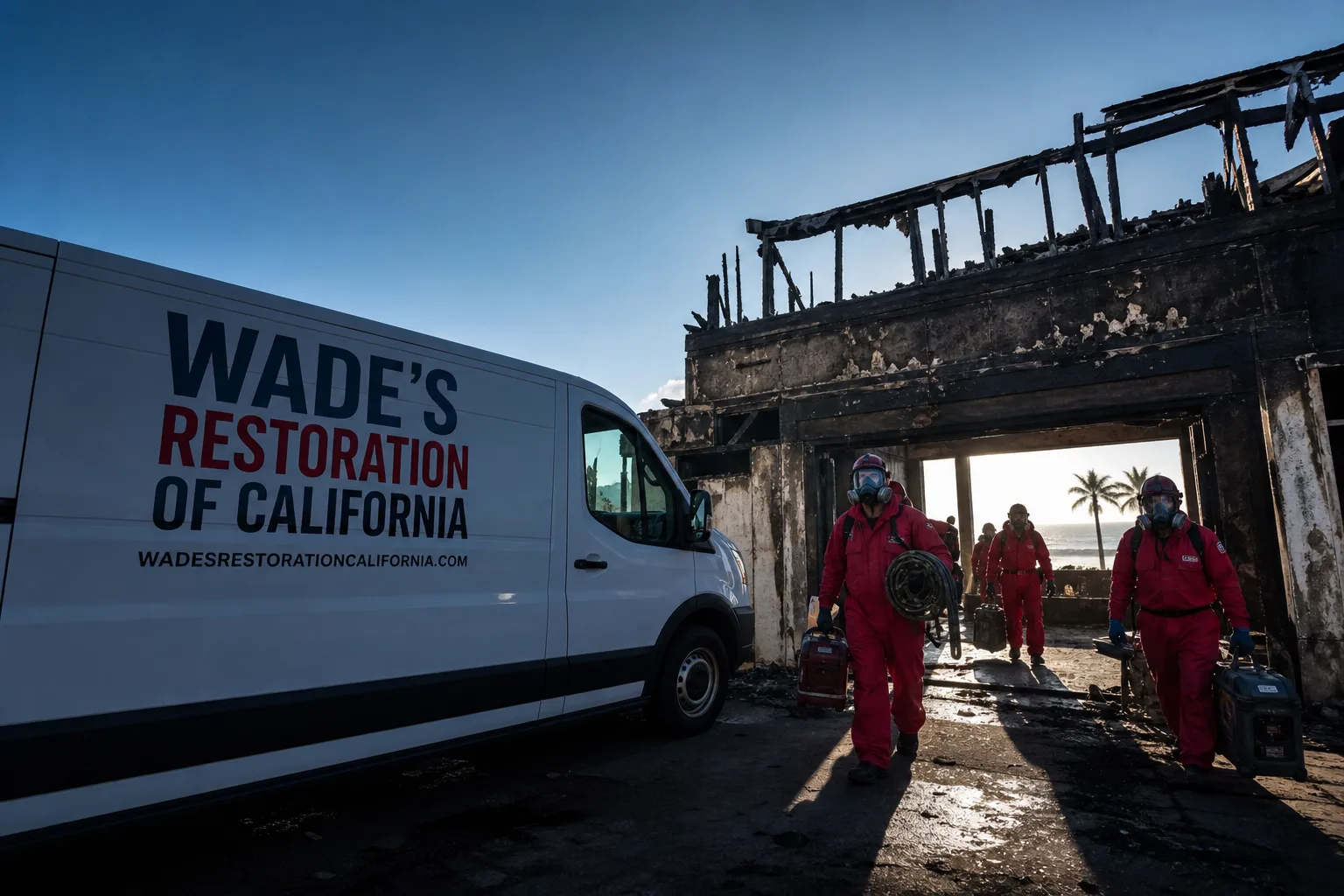
Fast, Reliable Mold Remediation Across La Crescenta-Montrose
Mold remediation in La Crescenta-Montrose typically runs $2,800-$6,500 for a full containment-and-removal job and can usually start within one to two days after the initial walkthrough. If you’ve got a crawl space full of post-storm muck or a closet wall that smells like a wet basement every August, that’s not a generic humidity problem, it’s La Crescenta-Montrose’s signature one-two punch: wildfire ash and alluvial-fan mud working together. We’ve handled it since 2007, and Wade Ferris still answers his own phone. Call (855) 915-0646 and he’ll tell you straight whether you need full remediation or something less invasive.
We know the 91214 zip code cold. When you describe water staining on a 1950s tract home off Rosemont or cloudiness in a bungalow near Montrose’s commercial strip on Honolulu Avenue, we already know what we’re walking into before the truck arrives. That matters because mold waits for no one, especially not for a national chain that has never set foot in the Crescenta Valley.
Why Wade’s Restoration of California Is La Crescenta-Montrose’s Preferred Mold Remediation Company
Wade’s Restoration doesn’t send a crew you’ve never met and a project manager you’ll never see again. Wade Ferris owns the company, publishes his address and license number, and personally checks moisture readings on every mold job. The 90-Day Done Right Promise gets stamped on your contract in writing: if it’s not done right, he makes it right. No fine print, no phone tag with a corporate office in another state.
We’re IICRC-certified and RIA-affiliated, but that’s table stakes in this trade. What keeps us accountable in La Crescenta-Montrose is what keeps any locally owned business accountable: this is Wade’s neighborhood too. He shops at the same Ralphs on Foothill, eats at the same spots on Honolulu, and if a job goes sideways he hears about it from someone on your street. That’s the oldest quality-control system there is, and it works better than any online review platform.
Here’s the thing about mold in this town. Mold Remediation work in La Crescenta-Montrose rarely starts as a simple pipe leak or a bathroom exhaust issue. Around here, the trigger is often the mountain itself. We’ve written more scopes for debris-flow contamination than we have for clean-water damage in the last five years. You need someone who’s seen that before, not someone learning the geography from a dispatch app.
Wade coordinates every job with your adjuster directly. You don’t relay numbers between two sides. You don’t wait on hold with an insurance carrier while the mold keeps spreading. He handles it, and he hands you the full moisture log at the end, every day’s readings documented like a medical chart.
What A Call To Us Actually Looks Like
You call (855) 915-0646. A live person answers. If Wade’s not elbow-deep in someone’s crawl space, he’s the one talking to you. You describe the problem in your own words. He tells you honestly whether you need a full containment or whether a targeted remediation plus humidity control will do it. If it’s an emergency, he’s on the road that hour. No answering service. No voicemail that promises a callback in two business days.
Our Mold Remediation Services in La Crescenta-Montrose
Mold Inspection & Testing
In La Crescenta-Montrose, a bare visual inspection isn’t enough. The way canyon mud moves through old 1950s foundation vents means hidden mold can sit behind walls and under subfloors long before it shows visible growth. We test air quality, we take surface samples, and we map moisture with infrared before we quote anything. You get the written scope before work starts, so you know exactly what’s getting cut, scrubbed, and sealed.
Mold Removal
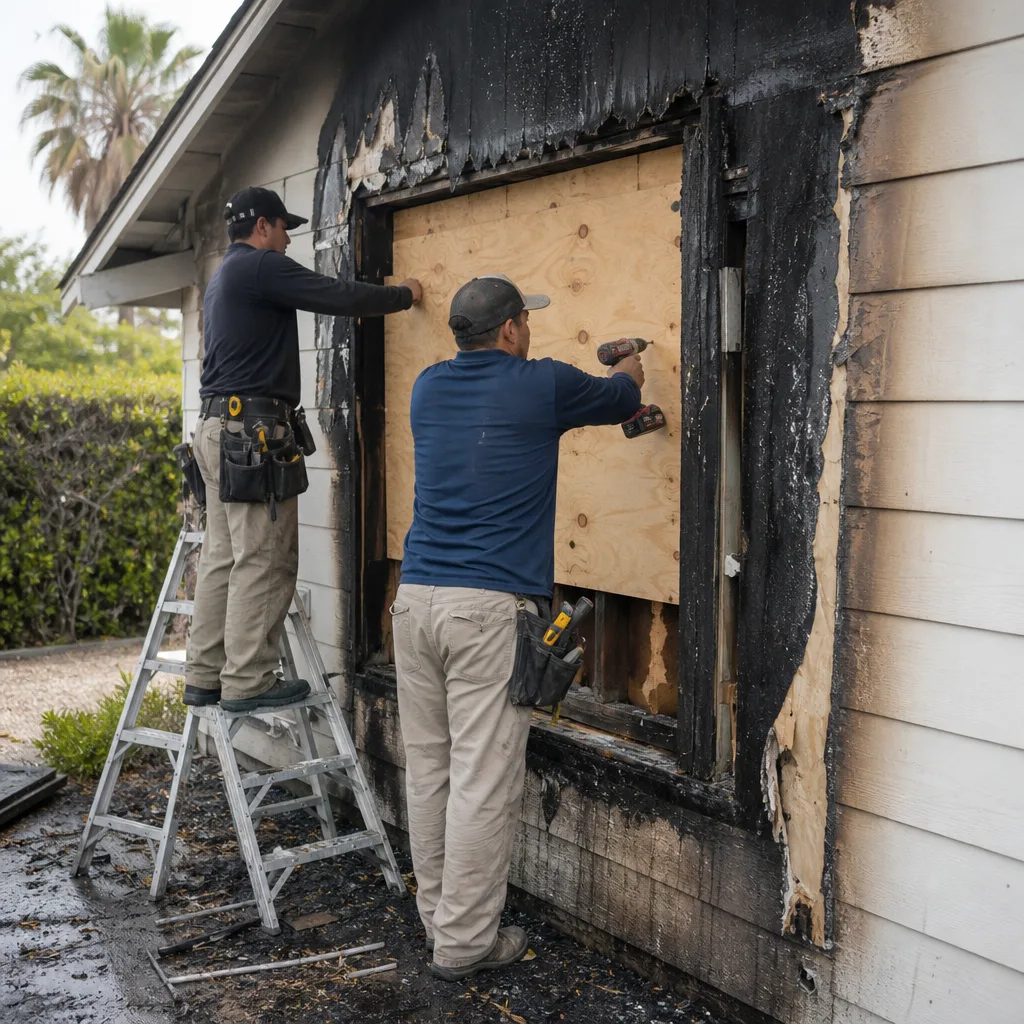
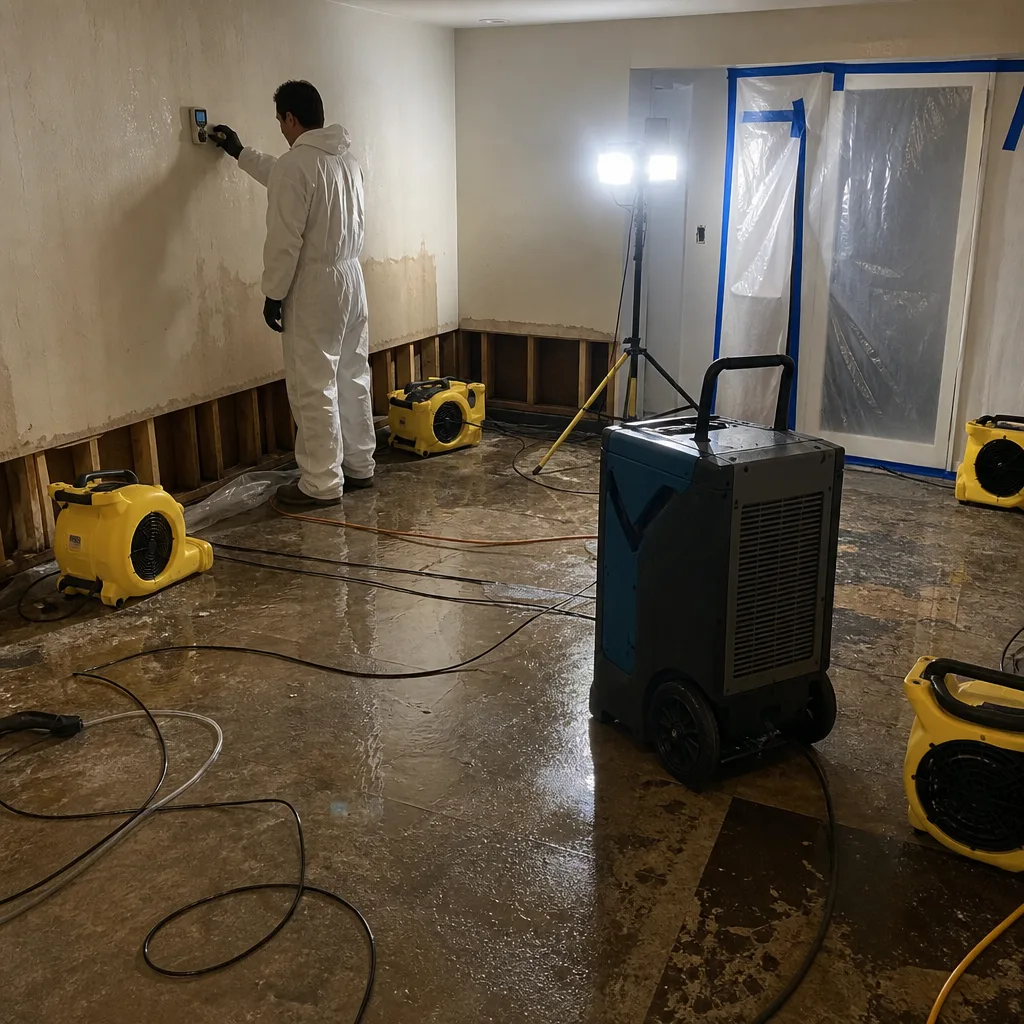
Full containment, HEPA air scrubbers, and physical removal of affected materials: that’s the only way to actually stop mold, not just bleach it into dormancy. In La Crescenta-Montrose homes with original hardwood subfloors, the job usually means cutting out water-damaged boards, treating the framing, and drying the cavity properly with Dri-Eaz dehumidifiers. Patch jobs fail around here because the moisture source is rarely just a one-time spill.
Black Mold Remediation
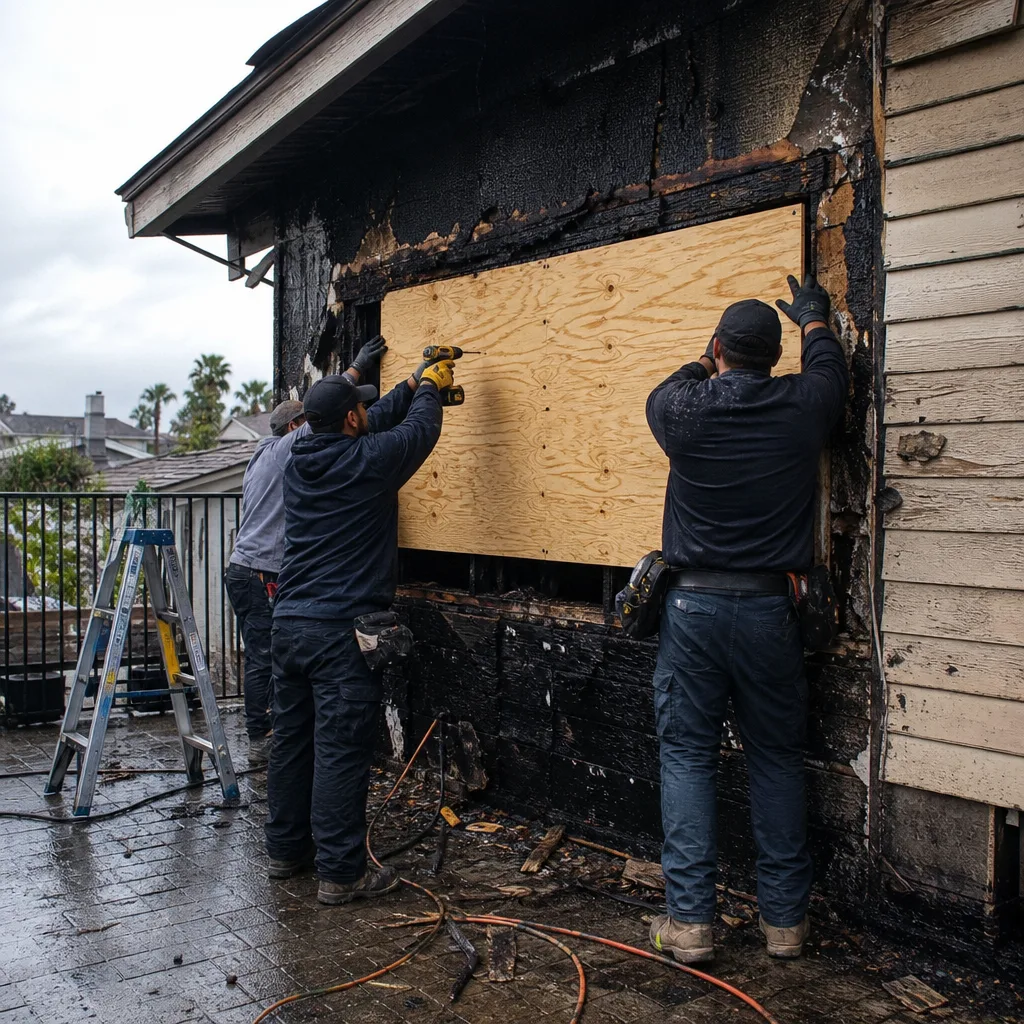
Stachybotrys, the stuff people call black mold, needs a steady cellulose diet and dark moisture. La Crescenta-Montrose crawl spaces offer both in abundance. We contain the area, remove affected material, and treat every surface that might have been wicking water. If you suspect black mold - dark green-black patches with a musty or earthy odor - don’t disturb it, and don’t try to DIY this one. Disturbing spores makes the problem five times harder to fix.
Air Quality Restoration
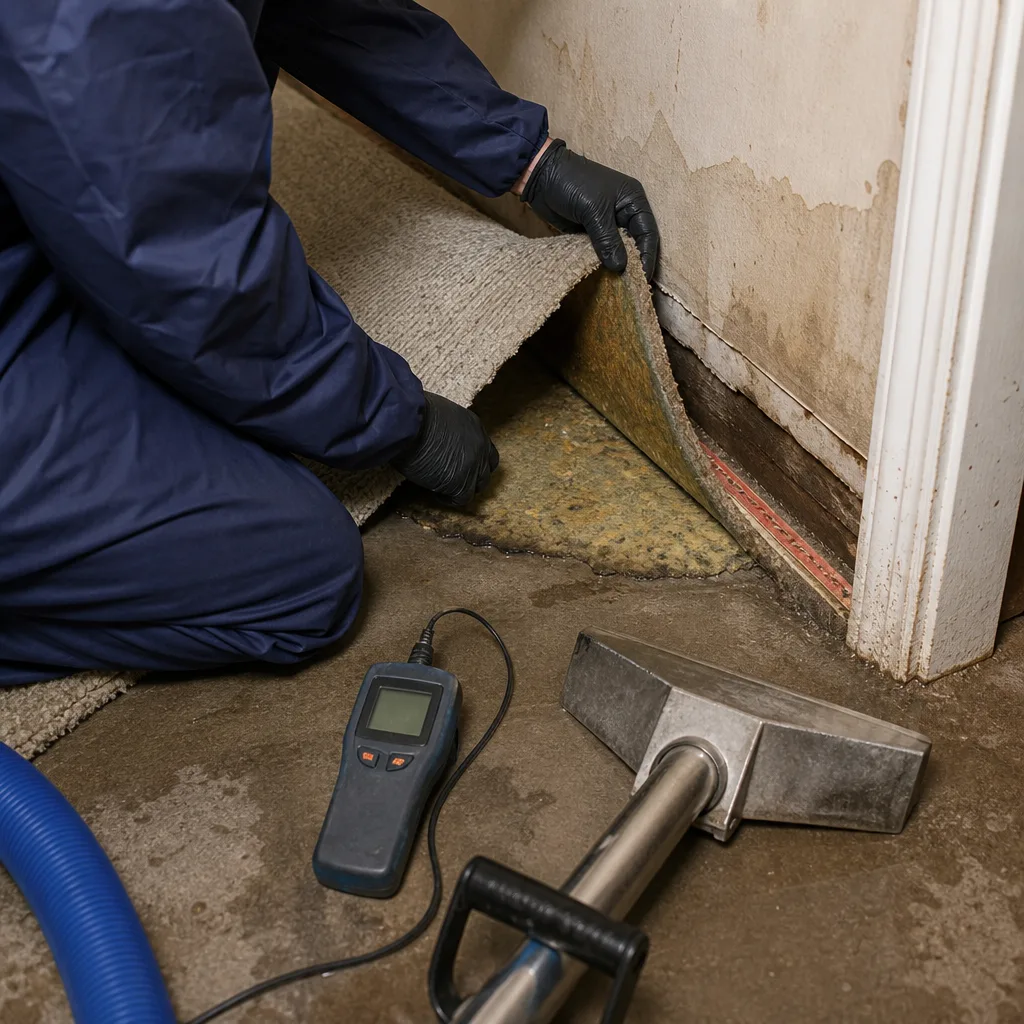
After any mold job, the air in your house should test cleaner than the outdoor air, not just passable. We run HEPA scrubbing during and after removal, then retest before we take down containment. In La Crescenta-Montrose, post-fire ash is a constant background factor, so we typically see elevated particulate counts even in homes with no active mold. That changes the cleanup protocol: it’s not enough to kill the mold; you need to clear the air you’re breathing.
What happens when you call
- 1
A real person answersNo phone trees - you reach a local pro.
- 2
You get an upfront price rangeHonest numbers before anyone is dispatched.
- 3
A background-checked tech heads outLicensed & insured, dispatched right away.
- 4
You approve before work beginsNothing starts until you say go.
Common Mold Remediation Problems We See in La Crescenta-Montrose Homes
- Post-fire mud intrusion treated as clean-water damage. After a winter storm sends hydrophobic ash and canyon sediment into a crawl space near Haines or Pickens Canyon, that’s Category 3 black water, not a standard flood. Generic drying protocols leave the contamination and mold returns within months. We see this pattern at least a dozen times each rainy season.
- Burned organic material left in wall cavities. The stuff that comes off the San Gabriel slopes after a fire isn’t just dirt. It’s fine charred plant matter and water-repellent ash that holds moisture inwall cavities like a sponge. Unless it’s physically removed, not just dried, hidden mold colonies take hold behind drywall and eat back toward the interior.
- 1950s crawl spaces that never get encapsulated. Original La Crescenta-Montrose tract homes were built with open foundation vents and unpaved crawl floors. After every wet season, wicking from canyon sediment reintroduces moisture under the house. Without vapor barrier replacement and proper encapsulation, the same subfloor gets recolonized year after year.
- Asbestos surprises during demolition. Homes from the 1940s through the 1960s here often have asbestos-containing popcorn ceilings or 9×9 floor tiles. If a mold remediation crew starts cutting without testing, you’re looking at hazardous fiber release and a stop-work order from the county. Testing happens before we touch a single square foot.
Pricing for Mold Remediation in La Crescenta-Montrose, CA
What does mold remediation actually cost in La Crescenta-Montrose? Here’s the honest spread:
- Inspection and air testing only: $450-$950
- Isolated mold removal (bathroom wall, closet, under-sink area): $1,200-$3,000
- Full-site containment and remediation (crawl space or multiple rooms): $2,800-$6,500
- Black mold remediation with structural drying: $4,000-$8,000+
- Crawl space encapsulation plus vapor barrier replacement: $3,000-$7,000 depending on square footage and access
La Crescenta-Montrose prices run slightly above Glendale or Burbank averages because of the debris-flow factor: mud intrusion adds decontamination steps and often means replacing subflooring, not just drying it. Every estimate is free, written, and itemized. Call (855) 915-0646 for exact numbers on your house. We don’t charge a trip fee inside the county, and if you’ve got a written estimate from another outfit, Wade will give you a second opinion for free.
Trusted Brands We Service in La Crescenta-Montrose
We run professional-grade equipment on every La Crescenta-Montrose job: Dri-Eaz dehumidifiers, XPOWER air movers, Injectidry for hard-to-reach wall cavities. The brand names matter because they’re what the IICRC is built around. But brands don’t fix your house by themselves. What makes Wade’s Restoration different in the 91214 zip code is that Wade checks the equipment settings himself and hands you the moisture log showing every day’s readings. No other local company we know of does that for every single mold job. If you’ve got an existing remediation plan from an adjuster or a previous contractor, we’ll quote it fairly and stock the parts locally before we start, so you’re not waiting on a distributor to ship from two states away.
What Makes Mold in La Crescenta-Montrose Different
Here’s the truth most mold pages won’t tell you: mold in La Crescenta-Montrose is usually a twice-told story of wildfire ash and alluvial-fan mud. This city sits on the alluvial fan at the base of the fire-prone San Gabriel Mountains. After wildfires denude the slopes above Haines, Pickens, and Shields Canyons, the first winter rains send mud, rocks, and contaminated runoff directly into residential streets and structures. That material is classified as Category 3 black water, even when no sewage is anywhere near it. Standard water-damage drying protocols fail here because the contamination isn’t clean water; it’s a mix of burned organic material, hydrophobic ash, and canyon sediment. These are the conditions that turn a 3-day remediation into a 3-week structural reconstruction, and they’re essentially unknown in flatter communities like Glendale or Burbank. So when we scope mold in this town, we scope for the mountain, not just the moisture.
Our crew worked a 1950s home on Rosemont Avenue near Pickens Canyon after a winter storm sent ash-laden mud through the foundation vents. The crawl space was packed with burned organic material that was wicking up into the original hardwood subfloor. We deployed Dri-Eaz dehumidifiers and XPOWER air movers after full structural decontamination, replaced the vapor barrier, and sealed the vents to prevent repeat intrusion. That homeowner had been told by another outfit that it was just a wet crawl space. It wasn’t. It was the mountain moving downhill, and it would have returned every storm season.
Local housing stock makes it worse. The bulk of La Crescenta-Montrose homes date from the 1940s through the 1960s post-war build-out. That means original hardwood subfloors, asbestos-containing floor tiles and popcorn ceilings, and galvanized supply lines. When canyon mud gets into those older structures, the moisture doesn’t dry out on its own. The subfloor soaks it up and holds it. Unless you physically cut out the affected material and dry the framing underneath, you’re just drying the surface while the mold keeps feeding below.
Serving La Crescenta-Montrose, CA - Our Local Coverage Area
We’re based in the La Crescenta-Montrose area and know this community well. Use the map below to see our service coverage - if you’re nearby, we can almost certainly help.
FAQs - Mold Remediation in La Crescenta-Montrose
Debris-flow contamination is Category 3 black water even when no sewage is involved, because the material includes burned organic matter, hydrophobic ash, and canyon sediment. That means standard water-damage drying protocols are insufficient; full structural decontamination, physical removal of contaminated material, and often subfloor replacement are required. Call (855) 915-0646 for a free walkthrough if you’ve had mud come through your foundation vents or crawl space.
Because your original 1950s construction has open foundation vents and an unpaved or poorly sealed crawl floor, and when canyon runoff seeps in from the Haines or Pickens debris basins, the wooden subfloor above wicks that moisture up and holds it. Sealing the vents, replacing the vapor barrier, and installing proper crawl space encapsulation stops the cycle. A quick re-dry without encapsulation just resets the clock.
Yes. Properties within a few blocks of Haines Canyon or Pickens Canyon outlets are repeatedly exposed to post-fire runoff, which means you’re not just testing for ordinary household mold; you’re testing for the contamination signature unique to burned watersheds. That changes the remediation scope and the post-remediation verification. Air testing is the only way to know what you’re actually breathing inside your house.
It absolutely can. Many 1960s tract homes in this area have asbestos-containing popcorn ceilings and 9×9 floor tiles. If remediation requires cutting into those surfaces, we test first and, if needed, bring in a licensed abatement sub before any demolition starts. Skipping that step creates a second hazard that’s harder and more expensive to fix than the mold.
You seal the entry points, you remove all contaminated material, you encapsulate the crawl space with a new vapor barrier, and you install continuous humidity monitoring. For older bungalows near the Montrose commercial core, this usually also means re-routing downspouts and ensuring the lot drains away from the foundation. Wade will walk you through every step with the moisture log in hand. Call (855) 915-0646 for a free estimate.
We Also Serve Cities Near La Crescenta-Montrose
Wade’s Restoration covers Mold Remediation in La Crescenta-Montrose and the surrounding foothill communities, including Tujunga, La Cañada Flintridge, Sunland, and Burbank. If you’re up Highway 2 toward the mountains or down Foothill toward the valley, we’re already familiar with your drainage patterns and housing stock.
Call Wade’s Restoration of California in La Crescenta-Montrose
If you’ve got water staining, a musty smell that comes back every August, or mud where no mud should be, don’t wait for the next storm season to prove you right. Call (855) 915-0646 today. Wade Ferris will answer, he’ll listen, and he’ll tell you straight whether you need help or not. Free estimates, no trip charge inside the county, and the 90-Day Done Right Promise in writing on every job. That’s the deal, and it’s been the deal since 2007.
Written by Wade Ferris, Owner at Wade’s Restoration of California, serving La Crescenta-Montrose and the Crescenta Valley since 2007.