
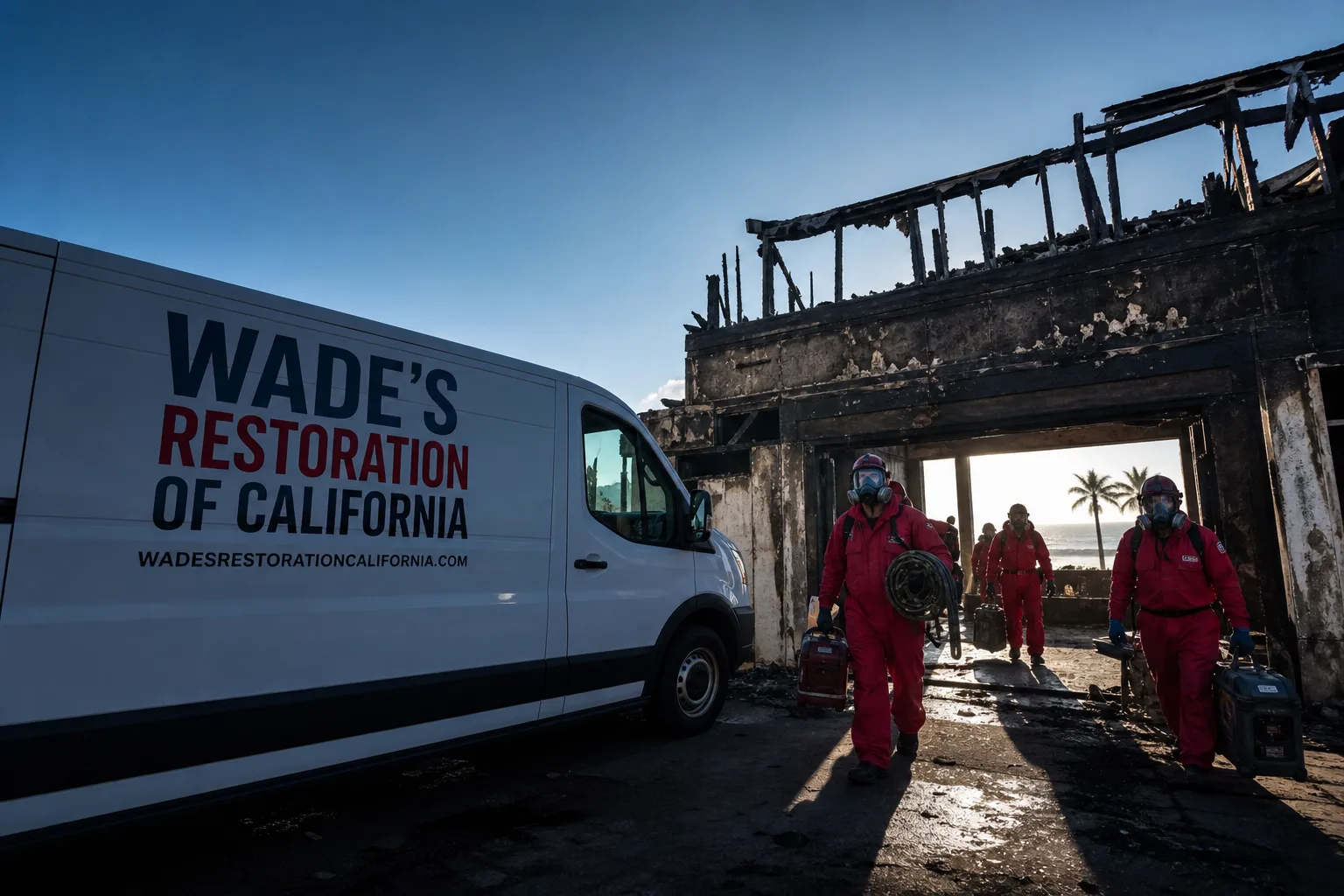
Fast, Reliable Biohazard & Crime Scene Cleanup Across Stanford
Biohazard and crime scene cleanup in Stanford, CA typically runs $1,800-$7,500 depending on the scope, with unattended death cleanup in older university housing units at the higher end. We can usually have a crew on site within 60-90 minutes of your call. If you’re dealing with a trauma scene, hoarding situation, or infectious disease exposure in Stanford, call (855) 915-0646 right now. Wade Ferris answers his own phone, and he’ll tell you straight what needs to happen next.
Why Wade’s Restoration of California Is Stanford’s Preferred Biohazard & Crime Scene Cleanup Company
Stanford is different from every neighboring city, and we learned that the hard way years ago. Nearly every structure in the 94305 ZIP is owned by Stanford University. That means access, vendor approval, and compliance all run through the university’s centralized Facilities Management. A crew that can start a Palo Alto job tomorrow morning can sit outside a Stanford faculty housing unit all day, locked out, if they never completed the university’s vendor onboarding. We’re pre-approved through Stanford’s system, which means no delays when you need us.
Wade’s Restoration has been locally owned and operated since 2007. Wade publishes his name, address, and license number. He answers his own phone at midnight. That’s not a sales pitch; it’s how the business runs. When a Stanford household calls about Biohazard & Crime Scene Cleanup, the person who shows up is accountable to the name on the truck. Ask anyone on your street. Around here, that still matters.
We’ve built a reputation across Stanford by showing up fast, documenting everything, and not overselling. Wade’s crew is IICRC-certified, RIA-affiliated, and IFA-recognized. Every job includes photo documentation and a written scope before work starts. If it isn’t done right, our 90-Day Done Right Promise says we make it right, in writing. No fine print, no phone-tag with an adjuster.
Our Biohazard & Crime Scene Cleanup Services in Stanford
Trauma & Unattended Death Cleanup
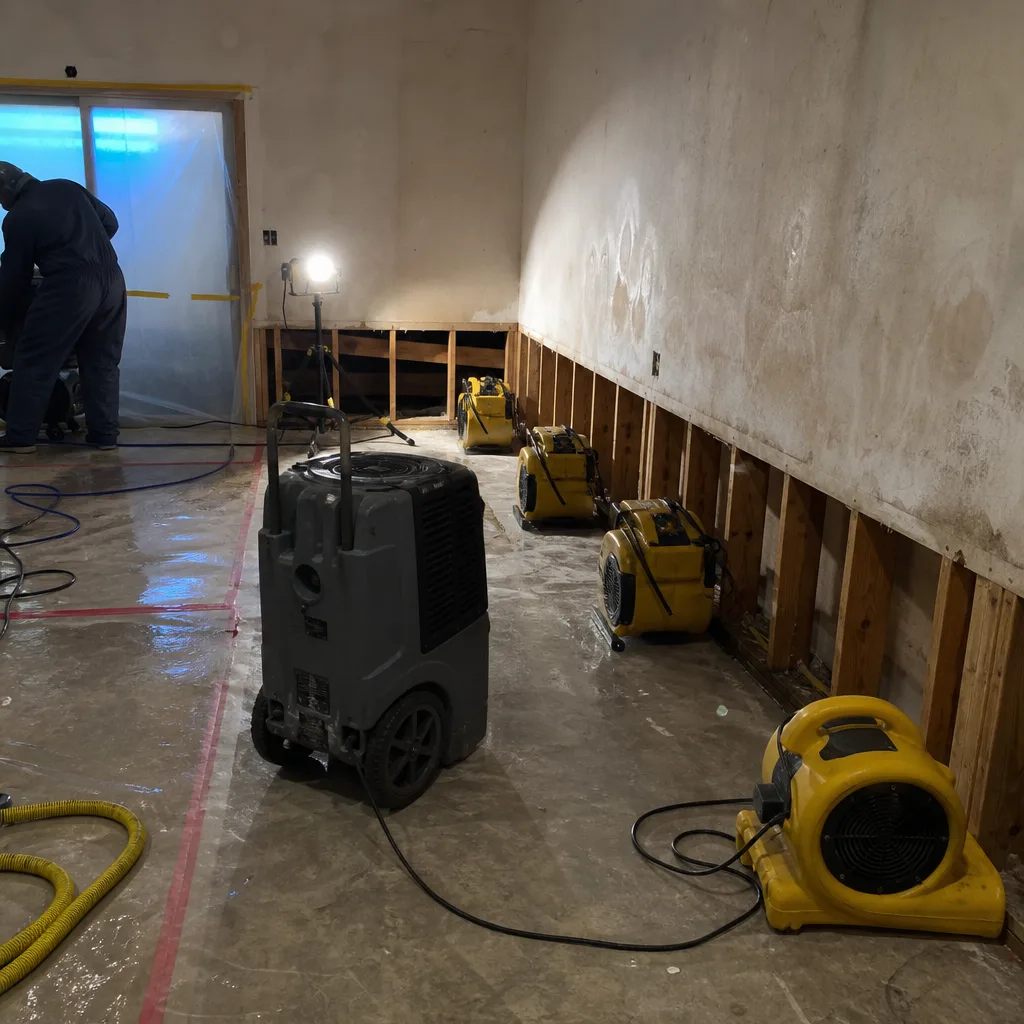
Unattended death cleanup in Stanford carries challenges most companies never anticipate. In older graduate housing complexes like Escondido Village, original sheet flooring from the 1960s absorbs biofluids into the subfloor. Surface cleaning leaves persistent odors and hidden contamination that resurfaces weeks later. We cut back and seal concrete, run commercial air scrubbers, and apply IICRC-compliant antimicrobial treatments so the unit is genuinely turnover-ready for Stanford’s housing office. A typical unattended death cleanup in Stanford runs $3,000-$7,500 depending on the extent of contamination and the building’s construction.
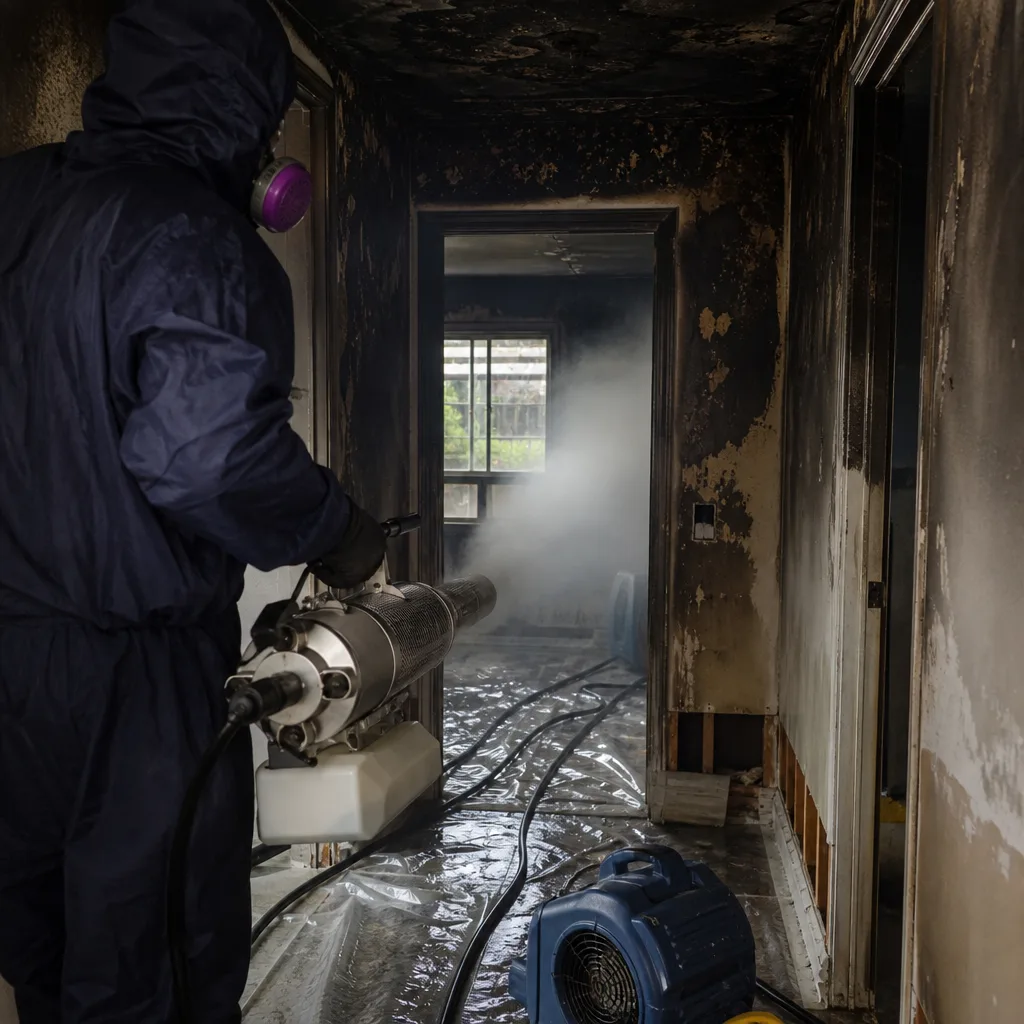
Crime Scene Cleanup
Crime scene cleanup in Stanford homes must account for university compliance requirements that no neighboring city imposes. We coordinate directly with Stanford’s housing office and Facilities Management for containment, access, and disposal. Blood and bodily fluid cleanup in a faculty residence on Santa Teresa Street looks the same as it does anywhere else until you hit an access denial because a vendor wasn’t pre-approved. We don’t have that problem. If law enforcement has released the scene, we’re typically on site within two hours, day or night.
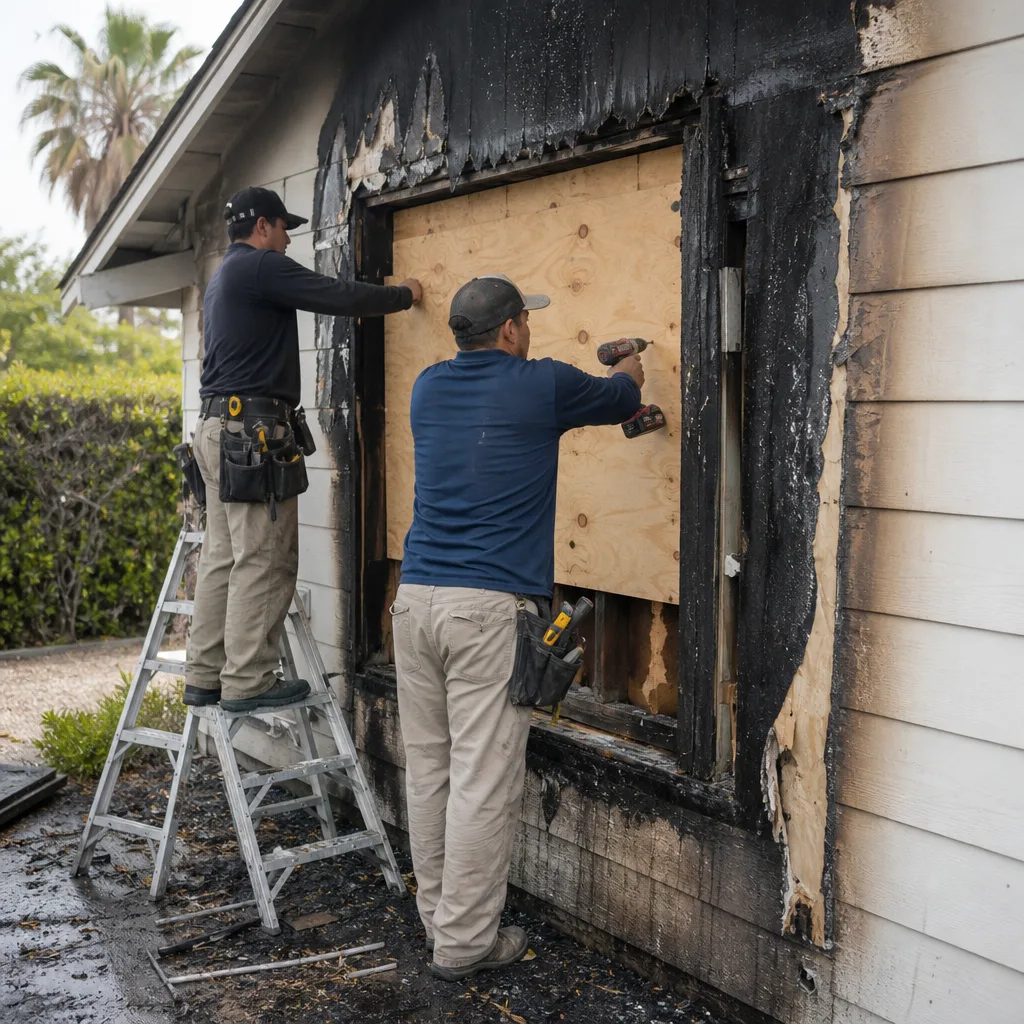
Hoarding Cleanup
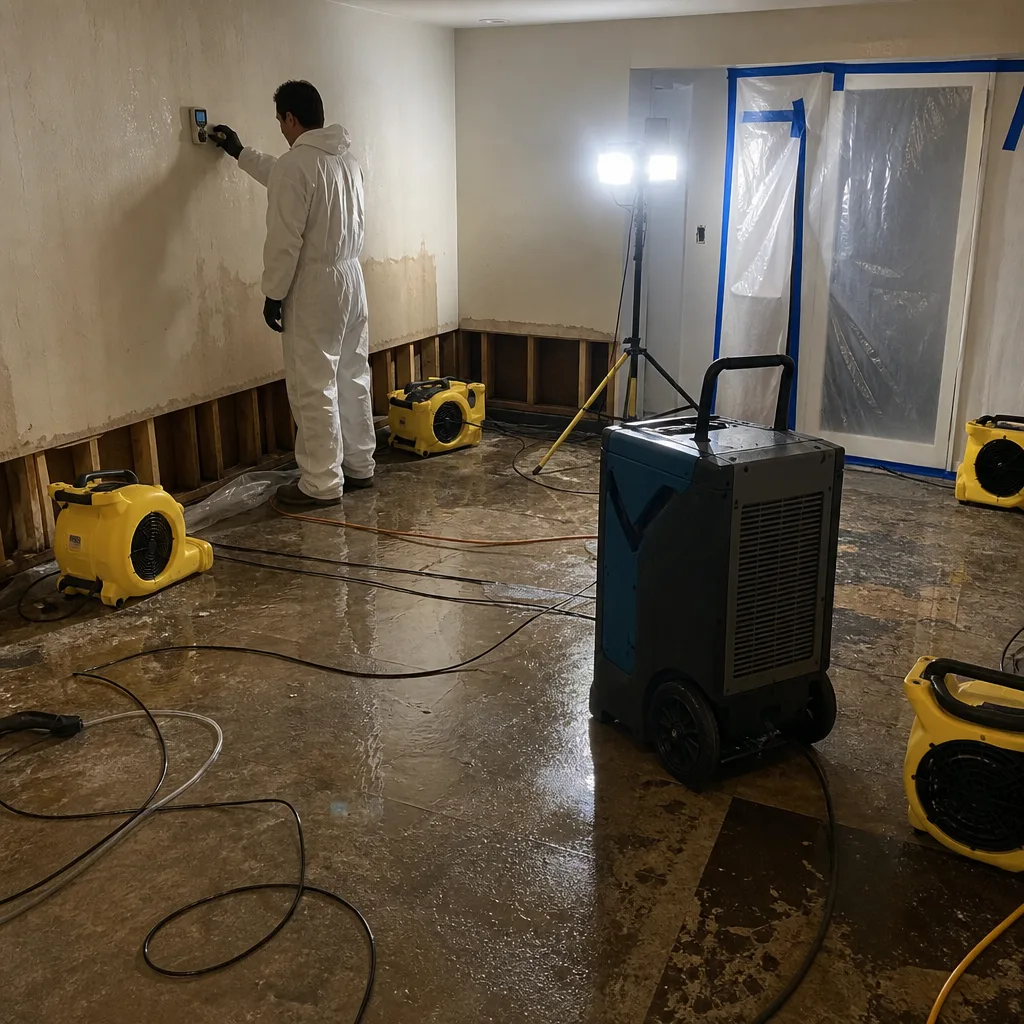
Hoarding cleanup in Stanford university housing is especially delicate. The resident often has no idea that the university’s deferred maintenance cycles meant a slow leak went unreported for years, compounding the biohazard burden. Wade’s crew handles the full scope: content sorting with discretion, bulk debris removal, sanitization, and coordination with Stanford’s housing office on what gets documented for their records. We’ve cleaned units in mid-century graduate complexes where the original ventilation simply couldn’t move enough air, and we run Phoenix air scrubbers and Dri-Eaz dehumidifiers until the space actually passes post-remediation testing. Hoarding jobs in Stanford typically run $3,500-$9,000 depending on volume and the presence of biohazards like animal waste or spoiled food.
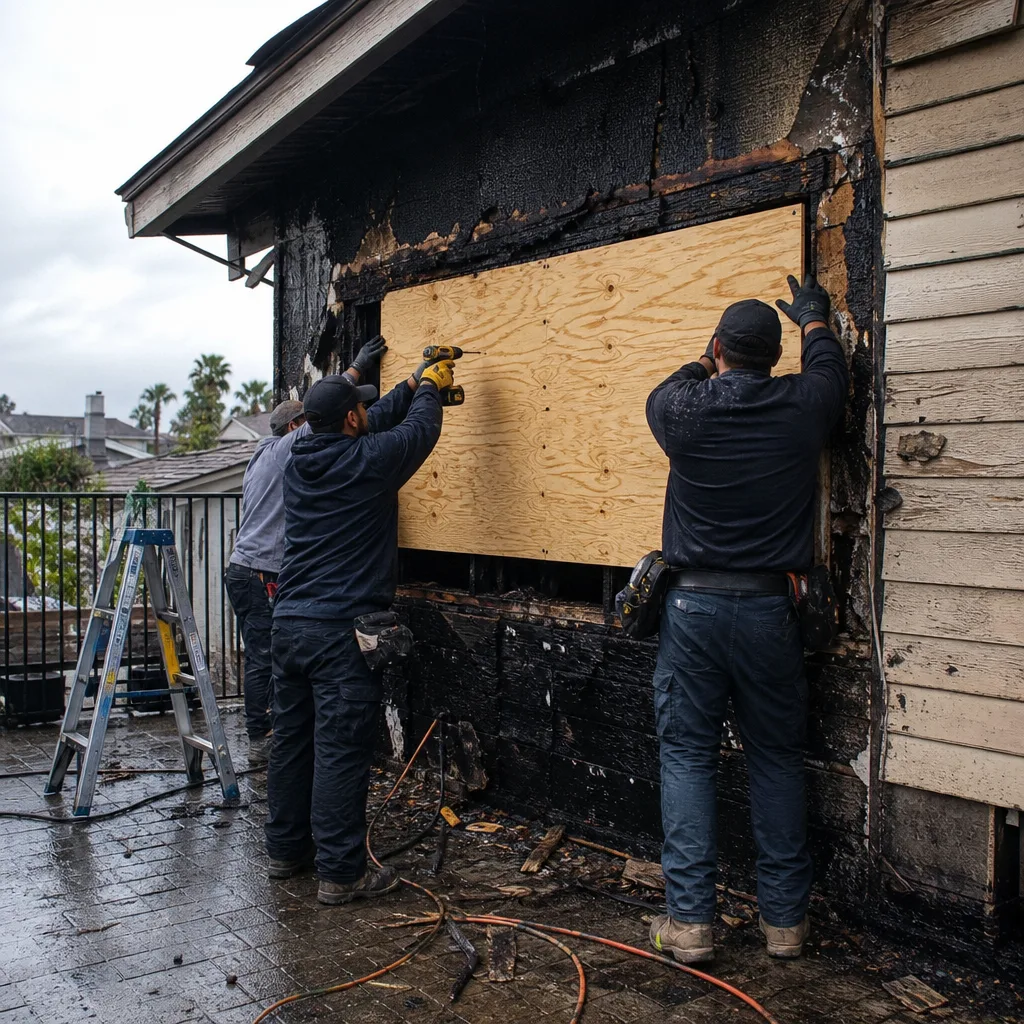
Blood & Bodily Fluid Cleanup
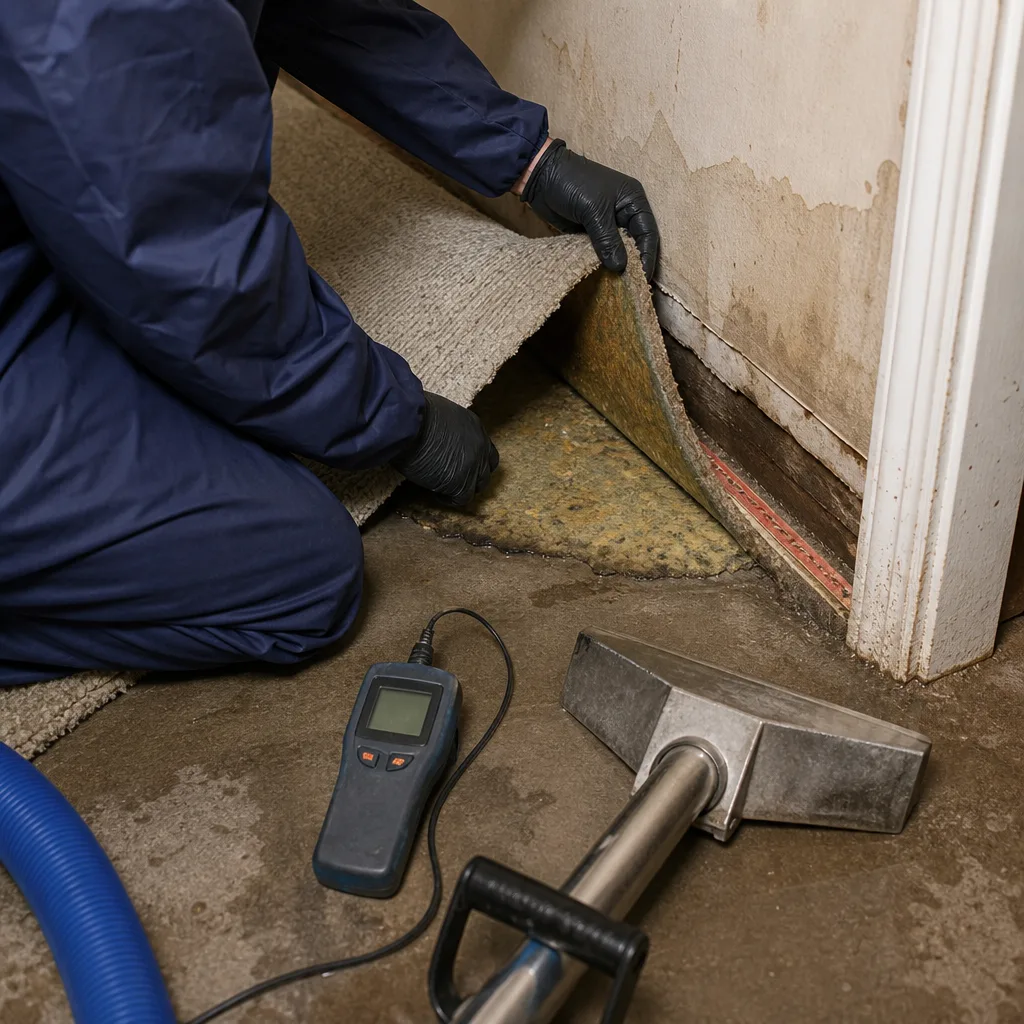
Blood and bodily fluid cleanup in Stanford happens most often in two places: private faculty homes and shared-stairwell graduate housing where an injury occurred in a common area. Both require the same rigor. We remove affected porous materials, treat adjacent surfaces with hospital-grade disinfectants, and run containment so no one else in the building is exposed. The university’s shared ventilation in older complexes means an incident in one unit can affect three connected units, which is exactly what we saw in Escondido Village. That job required 48 hours of continuous air scrubbing before the housing office would clear reoccupancy.
Infectious Disease Disinfection
Infectious disease disinfection in Stanford’s institutional housing requires more than wiping surfaces. We treat air spaces, shared ventilation runs, and high-touch surfaces with EPA-registered disinfectants, then verify with ATP testing. Stanford’s Facilities Management often asks for a written post-treatment report for their files, and we provide that as standard. If a communicable disease exposure occurred in a faculty home near the Stanford Dish or in a graduate complex near Sand Hill Road, call us and we’ll walk through the exposure details before we ever quote a number.
Tear Gas & Chemical Cleanup
Tear gas and chemical residue cleanup in Stanford, CA happens more often than residents expect, particularly in shared university buildings after large on-campus events. Tear gas penetrates drywall, furniture, and HVAC filters. Wiping visible residue isn’t enough. We use specialized chemical neutralizers, dispose of contaminated porous materials, and replace affected filtration. Because Stanford’s buildings range from 1890s sandstone on the Main Quad to 1960s wood-frame complexes, each structure demands a different containment strategy.
What happens when you call
- 1
A real person answersNo phone trees - you reach a local pro.
- 2
You get an upfront price rangeHonest numbers before anyone is dispatched.
- 3
A background-checked tech heads outLicensed & insured, dispatched right away.
- 4
You approve before work beginsNothing starts until you say go.
Trusted Brands We Service in Stanford
We stock parts and supplies for the equipment Stanford households actually use, and we run professional-grade gear from Dri-Eaz and Phoenix on every job. That matters when an older Escondido Village unit with single-pane windows won’t ventilate properly, or when a Diablo wind event pushes wildfire soot into a space we’re actively disinfecting. Because our crews serve Stanford regularly, we keep critical supplies staged nearby. We don’t lose a day waiting on a shipment when a Stanford housing unit is down.
Common Biohazard & Crime Scene Cleanup Problems We See in Stanford Homes
- University vendor lockout: Untrained crews attempt to enter Stanford housing without completing the university’s vendor onboarding. They get denied at the gate, the job stalls, and the contamination spreads. We’re already approved, so this never happens on our watch.
- Hidden contamination in Escondido Village units: In older complexes, biofluids absorbed under original sheet flooring get surface-cleaned by cut-rate crews. The odor returns in two weeks. We cut back to concrete, seal, and treat the source.
- Diablo wind soot intrusion during remediation: When we need open windows for chemical off-gassing, dry-season Diablo winds can push wildfire soot onto freshly disinfected surfaces. We stage air scrubbers and seal containment zones to prevent cross-contamination.
- Loma Prieta-era structural concealment: The 1989 earthquake cracked mortar and shifted framing in many Stanford structures. Concealed past seismic damage can hide biohazard contamination behind walls or under floors that look fine from the outside. We document what we find with photos and share it with you and the university before we do extra work.
Pricing for Biohazard & Crime Scene Cleanup in Stanford, CA
Here’s what Stanford residents actually pay. Crime scene cleanup runs $1,800-$4,500. Unattended death cleanup runs $3,000-$7,500. Hoarding cleanup runs $3,500-$9,000. Infectious disease disinfection runs $1,200-$3,000 for a typical housing unit. Tear gas and chemical cleanup runs $2,000-$6,500 depending on affected square footage and HVAC involvement. What moves the number? Square footage, absorbent materials affected, and whether Stanford’s housing office requires additional documentation. We give you a written scope before work starts, every time. Call (855) 915-0646 for a free estimate. Senior and Veteran discount: 10% off, always.
We Also Serve Cities Near Stanford
While this page focuses on Stanford, our crews also handle biohazard and crime scene cleanup in Palo Alto, Atherton, East Palo Alto, and Los Altos Hills. Different municipalities, same university-grade documentation and IICRC compliance. If you’re calling from a neighboring ZIP, we’ll tell you straight whether the job qualifies for our no-trip-charge county coverage. Call (855) 915-0646.
Serving Stanford, CA - Our Local Coverage Area
We’re based in the Stanford area and know this community well. Use the map below to see our service coverage - if you’re nearby, we can almost certainly help.
FAQs - Biohazard & Crime Scene Cleanup in Stanford
Yes. Stanford University requires that any contractor performing biohazard cleanup in faculty housing, graduate housing, or academic buildings complete pre-approval through their centralized Facilities Management office. Wade’s Restoration is already approved, so we can access Stanford properties without the delays that hit unvetted vendors. Call (855) 915-0646 to confirm current access for your specific building.
We run Phoenix air scrubbers and Dri-Eaz dehumidifiers continuously, seal shared ventilation runs with containment barriers, and treat the source material rather than masking odor. In a 1960s Escondido Village unit with single-pane windows and shared venting, that meant 48 hours of air scrubbing before Stanford’s housing office would clear reoccupancy. If you smell it, the source is still present.
Yes. The 1989 earthquake cracked mortar and shifted framing in many Stanford structures. When retrofits were done, some concealed cavities and compromised mortar were left behind hidden walls that can trap contaminated material. We inspect with moisture meters and thermal imaging before we finalize a scope, so nothing gets sealed over. Call (855) 915-0646 if you suspect a hidden issue.
We seal containment zones and stage HEPA air scrubbers so that Diablo-wind-driven soot doesn’t contaminate surfaces we’ve already disinfected. In the dry season, Stanford’s wildland-urban interface exposure means we plan every open-window phase around smoke forecasts. If smoke intrusion occurs anyway, we re-clean affected surfaces and replace filters at no added labor markup.
Yes. Stanford’s centralized Environmental Health & Safety office has specific manifest and disposal documentation requirements for biohazardous waste generated on university property. We handle that paperwork directly and coordinate with the housing office or Facilities Management, so you’re never left holding a compliance problem. Call (855) 915-0646 and we’ll explain exactly what Stanford needs for your building.
Written by Wade Ferris, Owner at Wade’s Restoration of California, serving Stanford and surrounding communities since 2007.