
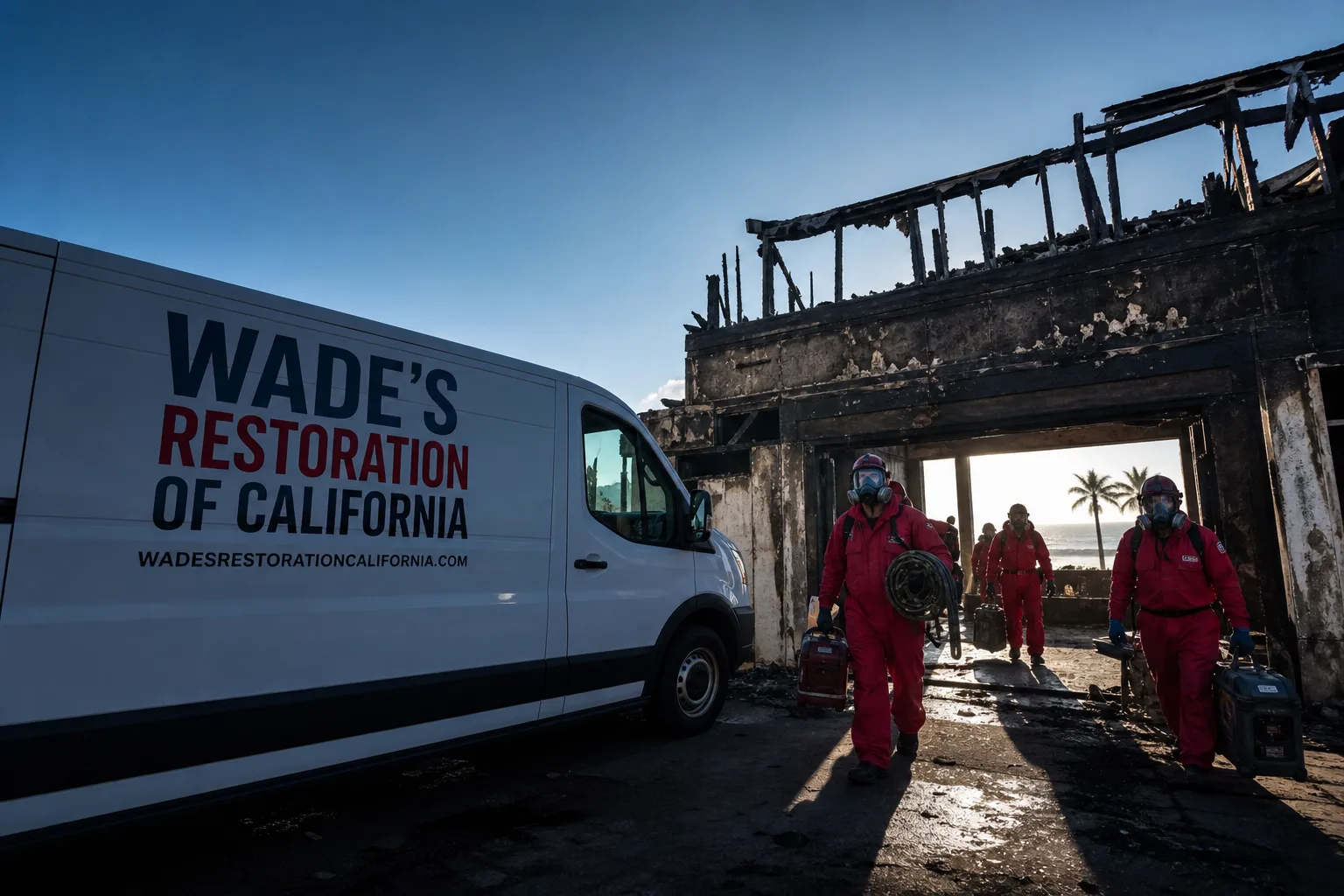
Fast, Reliable Biohazard & Crime Scene Cleanup Across Live Oak
Biohazard cleanup in Live Oak typically runs $1,500-$5,000 for a contained scene, with trauma and unattended death jobs landing between $3,000 and $8,000 depending on how far contamination has traveled through the structure. We make it to Live Oak the same day you call, usually within two hours for emergency scenes. Wade Ferris himself answers the phone at (855) 915-0646, and he’s the one who decides who gets sent to your door. That matters here because Live Oak’s older pier-and-beam homes and the Sutter Basin’s flood cycle create cleanup conditions that a generic crew from Sacramento will get wrong.
We’re Biohazard & Crime Scene Cleanup specialists who work in Live Oak regularly, not occasionally. The 95953 ZIP has challenges most biohazard companies never see: saturated crawlspaces from winter rice-field flooding, vented pier-and-beam foundations that trap humidity against contaminated soil, and lath-and-plaster walls that absorb blood and bodily fluids deep into their layers. Every job here requires us to think about moisture and pathogens together, which is exactly what our training and equipment are built for.
Why Wade’s Restoration of California Is Live Oak’s Preferred Biohazard & Crime Scene Cleanup Company
Live Oak homeowners have been burned by out-of-town crews that quote one price from a call center and deliver another at the door. Wade Ferris publishes his name, address, and license number and answers his own phone. That’s the whole accountability model. You will see the same face at the hardware store on a Saturday that you saw in your home on a Wednesday.
We’ve handled biohazard scenes in Live Oak that most companies would refuse: a trauma event in a flooded crawlspace on Archer Avenue, an unattended death in a 1960s ranch on Pennington Road, tear gas contamination after a law enforcement incident near the fairgrounds. Our IICRC-certified crew uses Dri-Eaz dehumidifiers and Phoenix air movers to stabilize environments before decontamination starts. The 90-Day Done Right Promise is stamped in writing on every biohazard contract. If it’s not done right, Wade comes back and makes it right.
Wade’s team is RIA-affiliated and IFA-recognized. Those credentials mean the crew you get in Live Oak actually knows how bloodborne pathogens interact with saturated building materials, not just how to spray disinfectant. That distinction matters here more than almost anywhere else in California.
Our Biohazard & Crime Scene Cleanup Services in Live Oak
Trauma & Unattended Death Cleanup
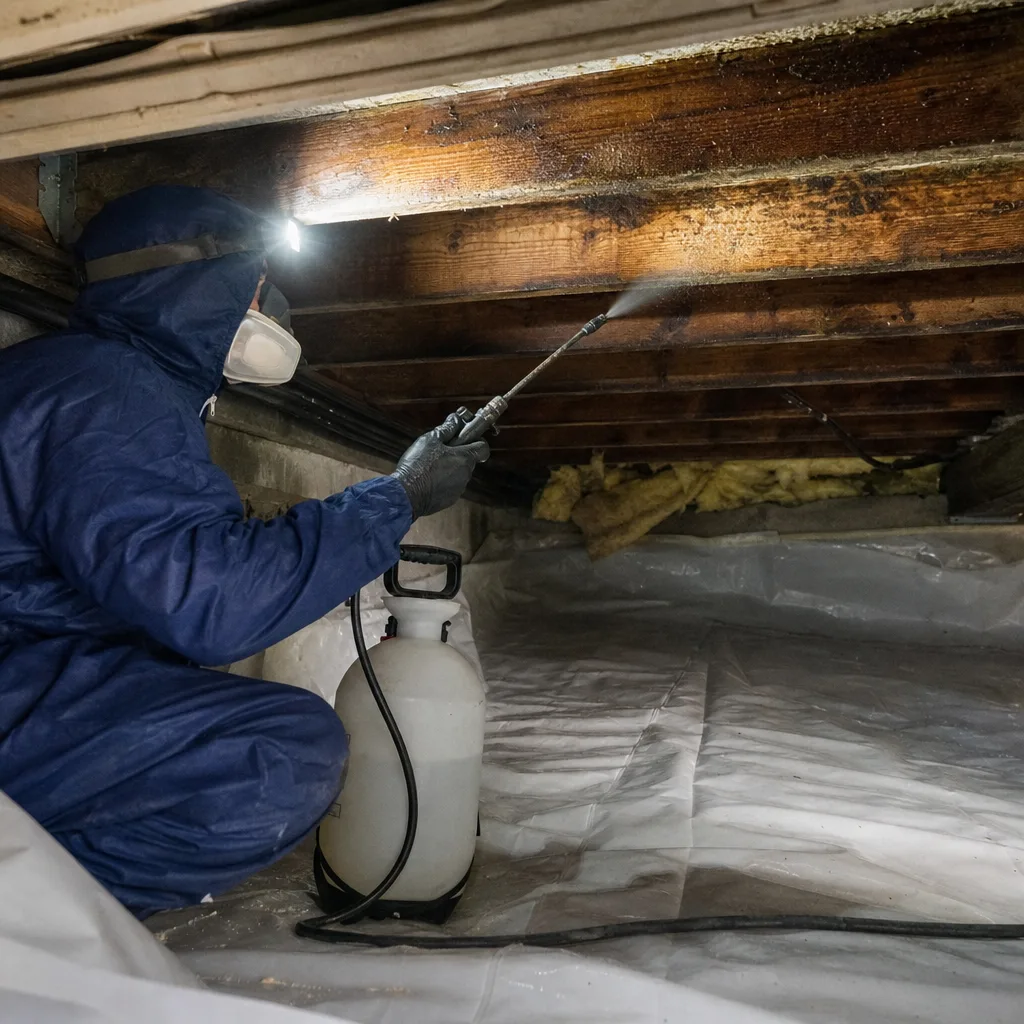
When someone passes alone in a Live Oak home, the clock starts immediately. Bodily fluids begin breaking down within hours, and in the Sutter Basin’s wet winter months, that decomposition accelerates because moisture is already present in the air and building materials. A typical unattended death cleanup in Live Oak runs $3,000-$6,500 when we reach it within a day or two. Costs climb if the fluids have already saturated a pier-and-beam subfloor, which we see regularly here because many older 95953 homes have original hardwood over open crawlspaces that hold humidity for months. We remove affected materials, disinfect structural members with hospital-grade antimicrobials, and verify with moisture readings before we seal anything back up.
Blood & Bodily Fluid Cleanup
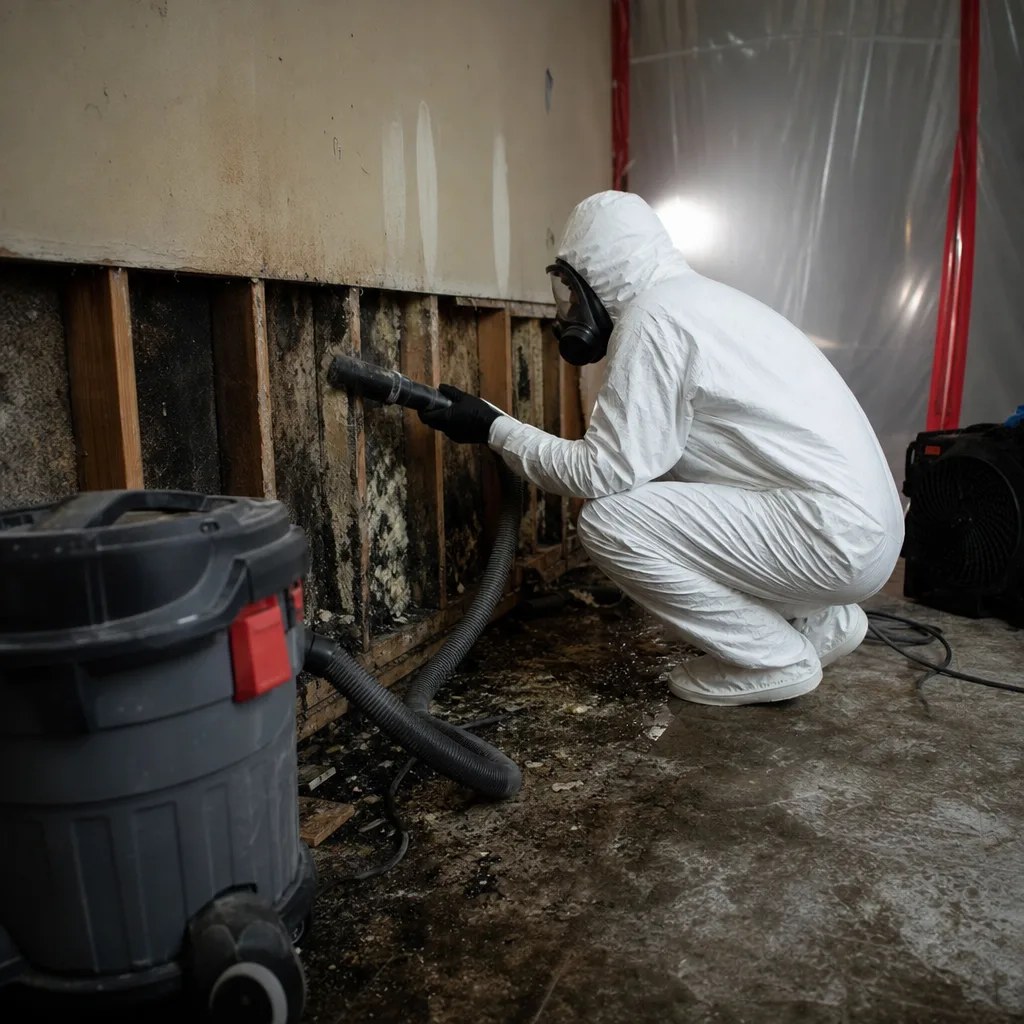
Blood on 1950s lath-and-plaster walls in Live Oak is not a surface wipe job. Plaster is porous and alkaline, which means blood soaks in and binds with the material. The Sutter Basin’s high winter water table keeps indoor humidity elevated, so pathogens don’t dry out and die the way they might in a drier climate. We cut out and remove affected plaster to studs, treat the underlying framing, and rebuild with new drywall. In Live Oak, a typical blood cleanup on a lath-and-plaster wall runs $1,800-$4,200, depending on splatter area and whether floorboards beneath need pulling.
Infectious Disease Disinfection
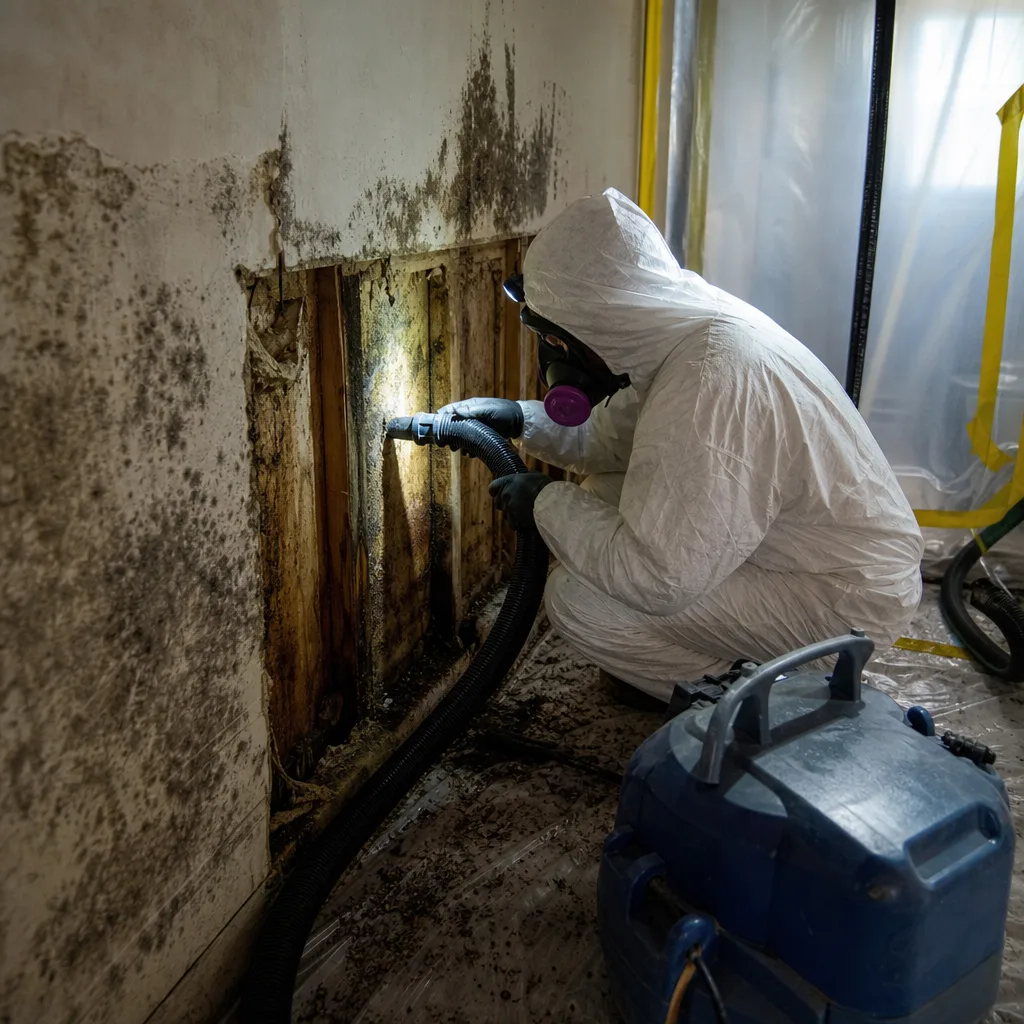
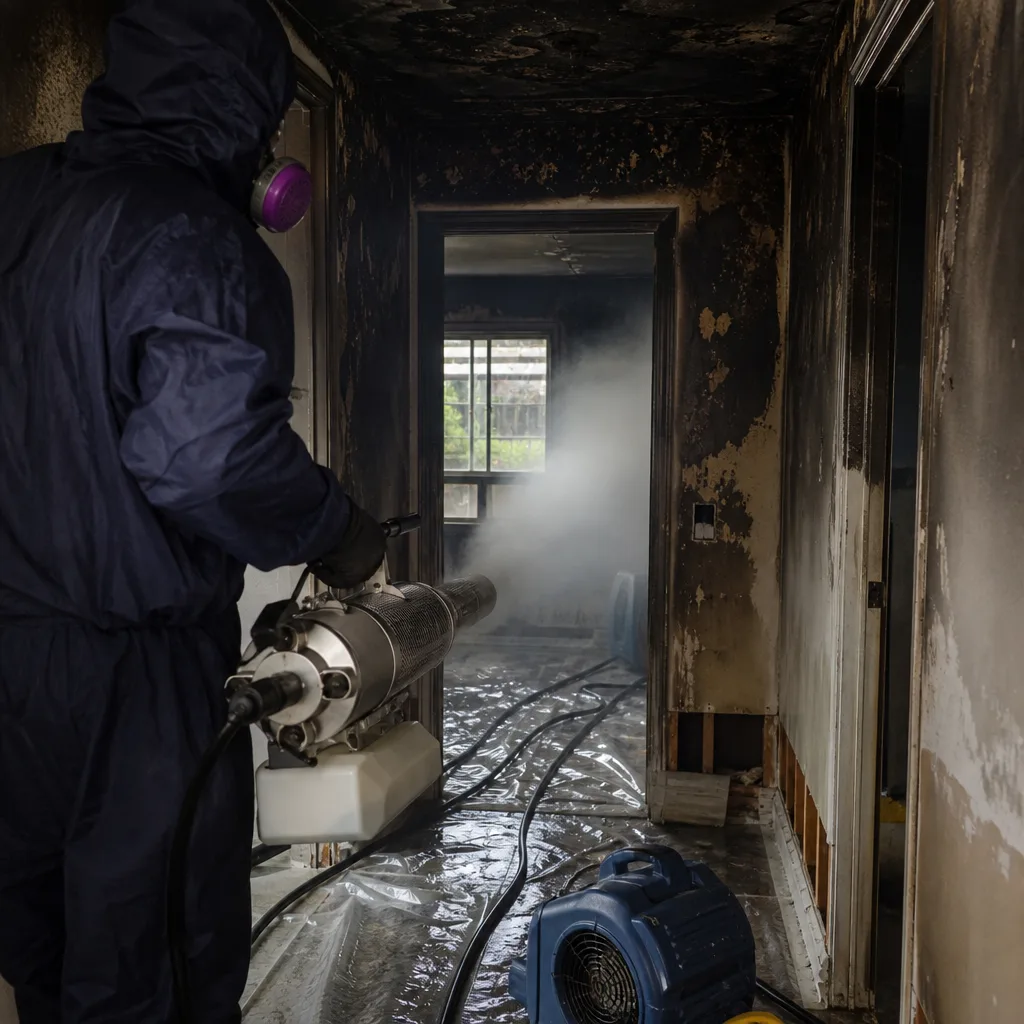
Live Oak’s summer heat, routinely over 100°F, incubates pathogens in vented crawlspaces rather than killing them. When someone recovers from a serious illness at home, or when sewage backflow from levee-stress flood events contaminates a crawlspace, the bacteria and viruses find warm, damp conditions that let them survive for weeks. We bring professional-grade disinfectant foggers, ATP testing to verify surfaces are clean before we leave, and full documentation for your insurance company. Infectious disease disinfection in Live Oak typically runs $1,200-$3,800 by square footage and contamination level.
Hoarding Cleanup
Hoarding cleanup in Live Oak often involves homes that have been closed up for years, with years of moisture trapped inside. The rice-field flooding cycle outside keeps the ground saturated from October through February, which means interior humidity stays high even when the house feels dry. We work with Live Oak families to sort salvageable items, remove biohazardous waste, and deep-clean the structure so it can be safely lived in again. Hoarding jobs here typically run $2,500-$12,000 depending on volume, duration of accumulation, and pest or mold conditions we find inside.
What happens when you call
- 1
A real person answersNo phone trees - you reach a local pro.
- 2
You get an upfront price rangeHonest numbers before anyone is dispatched.
- 3
A background-checked tech heads outLicensed & insured, dispatched right away.
- 4
You approve before work beginsNothing starts until you say go.
Trusted Brands We Service in Live Oak
Our Live Oak work relies on equipment from Dri-Eaz and Phoenix, because these are the brands that hold up under the Sutter Basin’s persistent humidity. We keep dehumidifiers, air scrubbers, and HEPA filtration units staged for quick deployment to the 95953 area during wet-season flood events. If you have a biohazard scene in a Live Oak home with a crawlspace, we bring equipment that can pull moisture from saturated subfloor assemblies while we decontaminate. RIA and IFA protocols guide every step, which means the work is verifiable and documented, not just sprayed and left.
Common Biohazard & Crime Scene Cleanup Problems We See in Live Oak Homes
- Saturated crawlspaces beneath trauma scenes. The rice fields around Live Oak are flooded each winter for waterfowl, keeping the local water table abnormally high for five months straight. A biohazard scene that extends into a crawlspace means we are dealing with contaminated soil that will not dry without mechanical help.
- Pathogens trapped in lath-and-plaster walls. Most Live Oak homes built in the 1950s and 1960s have plaster over wood lath, and that plaster drags blood and fluids deep into the wall cavity. Surface cleaning leaves viable pathogens behind, and the humid winter air keeps them alive.
- Flood-related sewage backflow. Live Oak’s entire 95953 ZIP sits behind aging levees in a FEMA flood zone. When those levees stress during high-water years, sewage backflow contaminates dozens of homes at once, and biohazard cleanup has to happen alongside water extraction and drying.
- Summer heat incubating what winter left behind. A scene that was not fully decontaminated in spring will cook through a 100°F Live Oak summer, driving pathogens deeper into floor assemblies and making a small job turn into a full structure hazard. We see this pattern every year.
Pricing for Biohazard & Crime Scene Cleanup in Live Oak, CA
A contained blood cleanup in Live Oak starts around $1,200 and goes up with the size of the affected area. Unattended death scenes typically run $3,000-$6,500. Hoarding jobs land between $2,500 and $12,000. Flood-related sewage contamination in the 95953 ZIP ranges from $2,000 for a single crawlspace to $15,000 or more for whole-home contamination across multiple rooms. Live Oak’s older construction pushes costs toward the higher end because plaster walls and pier-and-beam floors usually require removal rather than surface cleaning. We give you a written scope before any work starts, and the estimate is free. Call (855) 915-0646 and Wade will talk through your situation himself.
We Also Serve Cities Near Live Oak
Wade’s Restoration covers biohazard cleanup across the Sutter Basin and beyond. If you’re in Gridley, South Yuba City, Tierra Buena, or Marysville, the same crew and the same written-scope process apply. We know those towns’ housing stock and flood patterns just like we know Live Oak’s, and the 90-Day Done Right Promise travels with every job.
Serving Live Oak, CA - Our Local Coverage Area
We’re based in the Live Oak area and know this community well. Use the map below to see our service coverage - if you’re nearby, we can almost certainly help.
FAQs - Biohazard & Crime Scene Cleanup in Live Oak
Yes, and it happens more often than people realize. When the Feather River levees stress during high-water years, sewage backflow and chemical runoff enter homes through saturated ground and compromised seals, which constitutes a biohazard even without any human injury involved. The rice field flooding around Live Oak from October through February also pushes groundwater into crawlspaces carrying agricultural runoff and drowned wildlife, both of which require professional decontamination. If floodwater touched your home in the 95953 ZIP, assume sewage and pathogens came with it. Call (855) 915-0646 and Wade will assess whether biohazard cleanup is required.
The high water table keeps the soil beneath Live Oak homes saturated, so blood and bodily fluids that reach a crawlspace do not dry out and become inert the way they would in a drier region. They stay biologically active in the damp environment, which means the contamination zone keeps expanding rather than stabilizing. That forces us to remove contaminated soil and subfloor material more aggressively and to run Dri-Eaz dehumidifiers before and during decontamination. No generic biohazard crew without water-damage training can handle that correctly.
Yes. Pierce-and-beam construction elevates the floor off the ground, but the crawlspace underneath holds the Sutter Basin’s winter humidity for months. When bodily fluids soak through a 1960s hardwood floor and into that damp cavity, the pathogens colonize the joists, subfloor, and soil in a belt that extends far beyond the visible stain. Getting the structure clean means removing affected framing sections and treating the ground itself, not just the floor surface. That work requires both biohazard and water-damage expertise, which most dedicated biohazard companies do not have on staff.
Yes. Tear gas leaves a fine chemical residue that embeds in plaster, carpet, and HVAC ductwork, and Live Oak’s older homes with plaster walls make removal particularly involved. We seal off the affected area, scrub surfaces with neutralizing agents, replace contaminated porous materials, and run HEPA filtration to clear the air. This is not a job to attempt yourself, especially in a 1950s or 1960s Live Oak home where the plaster will hold the chemical residue indefinitely unless it’s properly treated or removed.
The summer heat accelerates pathogen activity and drives it deeper into building materials, turning a contained scene into a full structure contamination. Live Oak regularly hits 100°F from June through September, and those temperatures bake contamination that was already sitting in humid plaster and floor assemblies through the wet season. The result is often a mold problem layered on top of a biohazard problem, doubling the remediation cost. This is why we stabilize and fully dry every Live Oak scene before declaring the biohazard work finished, and it’s why Wade’s moisture readings come with every job.
Written by Wade Ferris, Owner at Wade’s Restoration of California.